
4 AI Stocks Poised to Outperform AMD and Intel

1. Why Consider AI Stocks Over Traditional Chipmakers
The rapid growth of Artificial Intelligence (AI) is reshaping the tech landscape, leading investors to reevaluate their portfolios. Traditional chipmakers such as Advanced Micro Devices, Inc. (AMD) and Intel Corporation (INTC) are experiencing increasing competition from companies that are specifically focused on AI technologies. This shift in focus may prompt investors to consider alternative stocks that could offer higher growth potential within the burgeoning AI sector.
As the demand for AI-driven solutions escalates, companies like Nvidia Corporation (NVDA), Teradyne, Inc. (TER), and Rockwell Automation, Inc. (ROK) are reporting strong earnings growth fueled by innovations in data centers and robotics. For instance, Teradyne has noted that demand for its automation products could rise by approximately 15-20% as industries increasingly adopt AI to enhance efficiency and reduce operational costs. Meanwhile, the growing interest in Tesla, Inc. (TSLA) and its AI initiatives, particularly around the Optimus robot, could signify that the company is positioning itself to capture a significant share of the automation market.
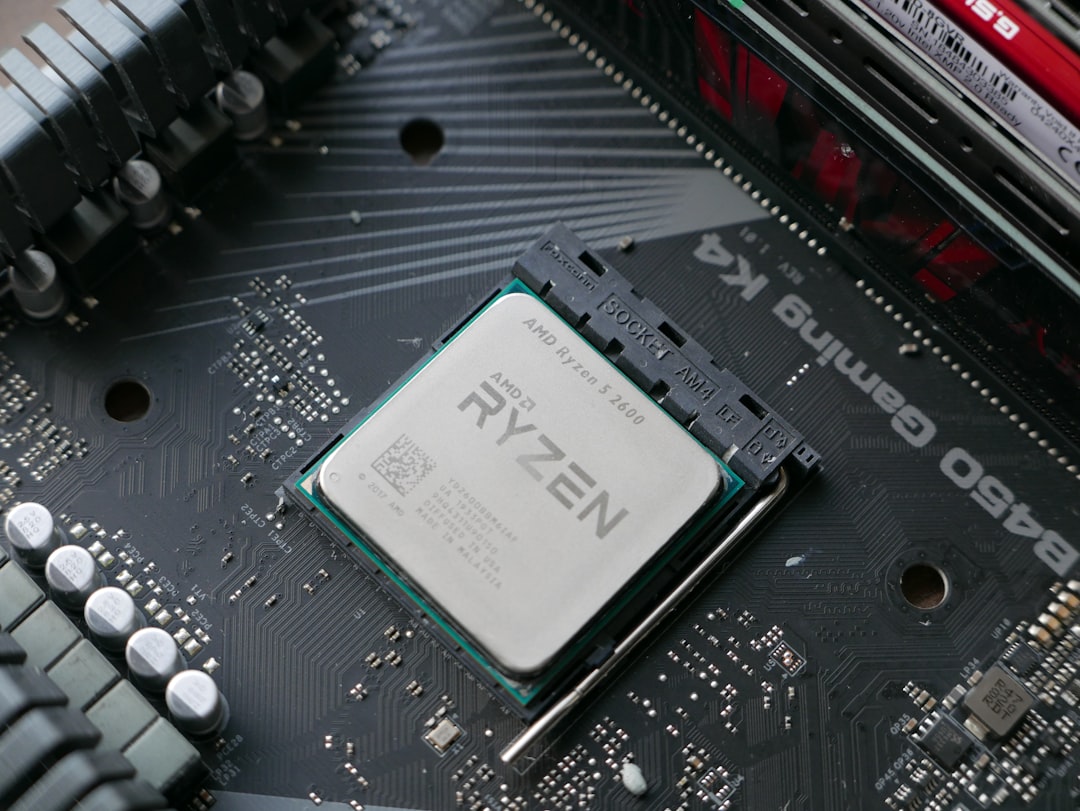
In contrast, traditional chip manufacturers are facing challenges that may hinder their growth potential. For example, despite AMD's impressive 59% year-to-date stock price increase, questions remain about whether it can sustain this momentum amidst fierce competition. Investors might view the performance of AMD and Intel as indicative of a broader trend, where established players could struggle to keep pace with the rapid advancements in AI-specific technologies.
Furthermore, market analysts are increasingly cautious about the long-term sustainability of returns from traditional chipmakers. As noted by Morgan Stanley, while AMD's stock price target has surged, the future outlook may hinge on its ability to innovate and compete effectively against specialized AI firms. This dynamic could lead investors to seek out stocks that are more aligned with the AI revolution, potentially reallocating their capital to companies that might better adapt to the evolving technological landscape.
As the landscape shifts, the question remains: will traditional chipmakers like AMD and Intel maintain their dominance, or will AI-focused firms emerge as the new leaders in technology? This could set the stage for a significant transformation in investment strategies, compelling investors to consider how they position themselves in the market.
2. Advantages and Disadvantages
Investors considering AI-focused stocks may find themselves weighing both potential advantages and disadvantages as they navigate this dynamic sector. Understanding these factors is crucial for informed decision-making.
2.1 Potential Advantages
- Higher Growth Prospects: AI stocks may provide higher growth potential compared to established chipmakers. Companies focusing on AI technologies often operate in rapidly evolving markets, which can yield significant returns. For instance, the AI sector has seen growth rates that could range from 20% to 30% annually.
- Increased Demand for Automation: Companies like Rockwell Automation (NYSE: ROK) and Teradyne, Inc. (NASDAQ: TER) are experiencing heightened demand due to advancements in automation and robotics. This trend suggests a robust market for businesses that effectively leverage AI, potentially leading to strong earnings growth.
- Portfolio Diversification: Investing in AI-focused companies can diversify an investor's portfolio, thereby reducing exposure to the traditional volatility associated with semiconductor stocks. Many investors typically aim for a balanced allocation, with 10-15% of their portfolios in emerging technologies like AI.
- Innovative Product Offerings: Companies in the AI space are often at the forefront of technological innovation, which may result in the introduction of new products and services that can capture market share and drive profitability.
2.2 Potential Disadvantages
- High Volatility: AI stocks can be highly volatile, reflecting the speculative nature of emerging technologies. Investors may witness price swings that could exceed 10% in a single trading session based on market sentiment or news developments.
- Uncertain Market Development: The market for AI applications is still developing, leading to uncertainty regarding long-term profitability. This ambiguity can make it challenging for investors to predict which companies will succeed over the long term.
- Overexposure Risk: Investing heavily in AI stocks may lead to overexposure in a particular sector. This could result in an unbalanced portfolio that is susceptible to downturns specific to the technology sector, potentially leading to significant losses.
- Speculative Nature: Many AI stocks are characterized by speculative investments, where valuations may not be grounded in traditional financial metrics. This can lead to inflated expectations and subsequent corrections in stock prices.
As investors analyze these advantages and disadvantages, it remains essential to evaluate individual risk tolerance and investment goals before engaging with AI-focused equities.
3. Practical Options/Methods
Investors may consider various practical options and methods to gain exposure to the rapidly evolving field of artificial intelligence (AI) and automation. One notable approach is to invest in AI-focused exchange-traded funds (ETFs) such as the Global X Robotics & Artificial Intelligence ETF (BOTZ). This ETF includes a diverse array of companies that are actively involved in AI and robotics, potentially providing a broad exposure to the industry's growth without the need to pick individual stocks.
For those interested in individual equities, companies like Teradyne (NASDAQ: TER) and Rockwell Automation (NYSE: ROK) could be of particular interest. Teradyne is recognized for its automation solutions, which have seen increasing demand as industries seek to enhance efficiency. Rockwell Automation, on the other hand, tends to focus on industrial automation, which has become increasingly vital in a competitive manufacturing landscape. Both firms have reported strong earnings growth, attributed in part to heightened demand for robotics and data center solutions.
Another standout in this sector is Tesla (NASDAQ: TSLA), which continues to make strides in AI technology, particularly in its autonomous driving initiatives. Elon Musk has suggested that Tesla's Optimus project could emerge as the company’s "biggest product ever," highlighting the expansive potential of AI in not just automotive but also broader technological applications.
Investors may also want to keep an eye on the broader semiconductor landscape, where companies like Advanced Micro Devices (NASDAQ: AMD) are seeing significant stock price increases, driven by a robust demand for AI chips. Such dynamics may reflect a potential shift in market leadership toward firms that are innovating in AI and automation technologies.
As investors explore these options, it is essential to consider the inherent risks and the volatility that can accompany technology stocks. The landscape is continuously changing, and staying informed may help investors navigate this complex yet potentially rewarding sector.
4. Important Considerations
Investors should be acutely aware of various factors that could influence their investment decisions in the current market landscape, particularly when trading stocks in different sectors. One significant consideration is the potential tax implications associated with capital gains. When an investor sells a stock at a profit, they may be subject to a capital gains tax, which can range from 0% to 20% depending on the investor's income level and how long the asset was held. For instance, short-term capital gains, applicable to assets held for less than one year, tend to be taxed at ordinary income tax rates, which could be significantly higher than long-term capital gains rates. Therefore, understanding the tax impact on investment returns is essential for optimizing net gains.
Another factor to contemplate is the management fees associated with exchange-traded funds (ETFs). These fees, which can typically range from 0.05% to 1%, may seem negligible on a short-term basis but could substantially erode long-term returns. For example, an ETF with a 1% management fee could reduce an investor's total returns by approximately 17% over a 30-year period, assuming an average annual return of 7%. Investors may find it prudent to compare these fees across similar ETFs to ensure they are maximizing their potential returns while minimizing costs.
Moreover, the risks associated with market fluctuations, particularly in volatile sectors like artificial intelligence (AI) technology, warrant careful consideration. These sectors may experience significant price volatility, with stocks potentially swinging by 10% to 20% in short periods. Companies like Tesla, Inc. (TSLA) may generate excitement due to innovations in automation, but investors should remain cognizant of the inherent risks that accompany such high-growth potential. A sudden market downturn could result in substantial losses, particularly in stocks that have seen rapid appreciation in value.
In summary, while the allure of high-growth sectors like AI presents opportunities, investors should approach with a comprehensive understanding of tax implications, management fees, and market risks. This awareness may help in making informed decisions that align with their financial goals.

5. Conclusion
In conclusion, the rise of artificial intelligence (AI) stocks may present a compelling opportunity for investors looking to capitalize on the growth of emerging technologies. Companies that are innovating in the AI space, such as Rockwell Automation, Inc. (ROK), Teradyne, Inc. (TER), and Tesla, Inc. (TSLA), have demonstrated strong earnings growth driven by increasing demand for automation and data center solutions. For instance, Tesla's focus on AI-driven products like the Optimus robot could significantly alter market dynamics and investor sentiment.
However, it is important for investors to recognize that while the advantages of investing in innovative companies could lead to substantial returns, there are also potential risks involved. The volatility of technology stocks and the rapidly changing regulatory environment regarding AI technologies can create uncertainty. For example, discussions surrounding U.S. national security interests related to AI chip sales, as highlighted by experts like Daniel Newman, could influence market perceptions and stock performance.
- Investors may consider diversifying their portfolios with AI-focused investments to mitigate risks and capture growth opportunities.
- Researching specific companies and understanding their technological advancements and market positioning is crucial.
- Monitoring macroeconomic indicators and industry trends will provide valuable insights into the ongoing evolution of the AI sector.
As AI continues to evolve and permeate various sectors, investors should remain vigilant and adapt their strategies accordingly. It is advisable for investors to conduct thorough research, assess their risk tolerance, and stay informed about market developments before making investment decisions.
Disclaimer: This article was generated using AI technology and is for informational and educational purposes only. It does not constitute investment advice, recommendation, or solicitation. All investment decisions are solely the responsibility of the individual investor. Past performance does not guarantee future results. Investments involve significant risks, including the potential loss of principal. Before making any investment decisions, please conduct your own research and consult with qualified financial and tax professionals.