
5 Reasons the S&P 500 Remains a Top Investment Choice

1. Why Consider the S&P 500
The S&P 500 (Standard & Poor's 500) is frequently regarded as a critical benchmark for assessing the overall health of the U.S. stock market. Comprising 500 of the largest publicly traded companies, it offers a broad representation of various sectors, including technology, healthcare, and financial services. This extensive coverage enables investors to gain insights into the performance of the economy as a whole, rather than focusing on a narrow index like the Dow Jones Industrial Average, which consists of just 30 companies.
One of the primary reasons investors may consider the S&P 500 is its ability to serve as a barometer for economic health and investor confidence. The index's performance tends to correlate with key economic indicators, such as gross domestic product (GDP) growth, unemployment rates, and consumer spending. For instance, a rising S&P 500 could suggest increasing investor confidence, potentially reflecting a robust economic environment. Conversely, declining values may indicate economic uncertainties or a downturn.
Additionally, the S&P 500 has historically delivered an average annual return of approximately 7-10% after adjusting for inflation. This return includes both capital appreciation and dividends, making it an attractive option for investors seeking long-term growth. Furthermore, the index is often utilized as a benchmark for mutual funds and exchange-traded funds (ETFs), such as the SPY (SPDR S&P 500 ETF Trust), which allows investors to gain exposure to the broader market efficiently.
In terms of risk management, the diversification inherent in the S&P 500 can help mitigate exposure to volatility. By investing in a wide array of companies across different sectors, investors may reduce the impact of poor performance from any single stock. This strategy could potentially yield a more stable investment experience compared to concentrated portfolios.
As investors evaluate their options in the current market landscape, the S&P 500 remains a pivotal reference point. Its blend of broad market representation, historical performance, and potential for long-term gains may lead investors to consider it a fundamental component of their portfolios.
As discussions around stock market indicators continue, it is essential to explore the evolving dynamics of other indices, such as the Dow Jones Industrial Average, and understand their relevance in today's investment environment.
2. Advantages and Disadvantages
Investors may find it beneficial to evaluate both the advantages and disadvantages associated with major stock indices like the S&P 500. Understanding these aspects can help in making informed decisions amidst fluctuating market conditions.
2.1 Potential Advantages
- Broad Diversification: Investing in the S&P 500 could provide broad diversification across various sectors, which may reduce the individual stock risk. By holding a basket of 500 of the largest U.S. companies, investors may mitigate the impact of poor performance from any single stock.
- Historically Strong Performance: The S&P 500 has demonstrated historically strong performance, with an average annual return of about 10-11%. This long-term return could appeal to investors seeking growth over time.
- Easy Access via ETFs: The availability of exchange-traded funds (ETFs) such as SPY (SPDR S&P 500 ETF Trust) and VOO (Vanguard S&P 500 ETF) makes it relatively easy for investors to gain exposure to the index. These vehicles offer liquidity and low expense ratios, making them accessible for varied investment strategies.
2.2 Potential Disadvantages
- Exposure to Market Downturns: Investing in the S&P 500 may expose investors to market downturns, as the index reflects the overall performance of the market. During periods of economic contraction, investors could experience significant losses.
- Limited to Large-Cap Companies: The S&P 500 primarily consists of large-cap companies, which may limit exposure to high-growth small-cap stocks. This focus could mean missing out on potential high returns that smaller, rapidly growing companies might offer.
- Potential for Overvaluation: Investors might find that the S&P 500 can become overvalued during bullish markets, leading to diminished future returns. For instance, historically high price-to-earnings (P/E) ratios could suggest that the index is priced above its intrinsic value.
Understanding the potential advantages and disadvantages can provide investors with a clearer perspective on their investment choices, particularly as they navigate the complexities of the stock market.
3. Practical Options/Methods
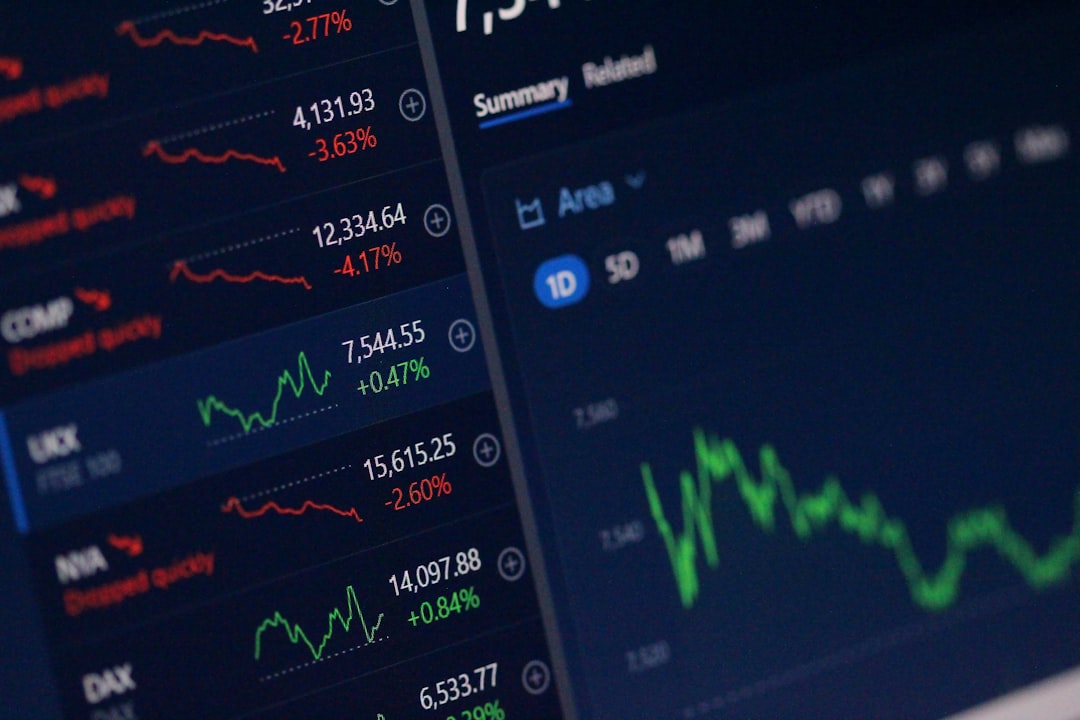
Investors may consider a variety of practical options and methods to navigate the complexities of the stock market, particularly in light of the ongoing interest in traditional indexes like the Dow Jones Industrial Average. One popular approach involves investing in exchange-traded funds (ETFs) that track the S&P 500, such as SPY (SPDR S&P 500 ETF Trust), VOO (Vanguard S&P 500 ETF), and IVV (iShares Core S&P 500 ETF). These ETFs typically offer exposure to a diversified portfolio of 500 of the largest U.S. companies, potentially yielding returns that mirror the performance of the broader market. Historically, the S&P 500 has returned approximately 10% annually, although past performance is not indicative of future results.
Another method that investors may find appealing is the utilization of robo-advisors. These automated investment platforms often create portfolios that include S&P 500 investments, providing a hands-off approach to asset management. Robo-advisors typically charge fees ranging from 0.25% to 0.50% of assets under management, which could be considered reasonable compared to traditional financial advisors. This automated service may help investors achieve diversified exposure to the market without the need for intricate knowledge of individual stocks.
Additionally, implementing a dollar-cost averaging strategy could serve as a practical method for mitigating risks associated with market volatility. This strategy involves investing a fixed amount of money at regular intervals, regardless of the asset's price. For instance, by investing $100 monthly in an ETF like SPY, investors may potentially reduce the impact of market fluctuations, as they are buying more shares when prices are lower and fewer shares when prices are higher. Research suggests that dollar-cost averaging can result in an average investment price that is lower than the market price over time, which could enhance overall returns.
As investors explore these practical methods, they may find that leveraging a combination of ETFs, robo-advisors, and dollar-cost averaging could provide a balanced approach to navigating the complexities of the stock market while capitalizing on potential growth opportunities.
4. Important Considerations
Investors considering exchange-traded funds (ETFs) should be mindful of several important considerations that could impact their overall investment experience. One critical factor is the management fees associated with ETFs, which typically range from 0.03% to 0.10%. While these fees may seem relatively low compared to mutual funds, they can accumulate over time, particularly for investors with a long-term horizon. Understanding the fee structure of ETFs, such as expense ratios and trading costs, is essential for evaluating their cost-effectiveness in relation to expected returns.
Another significant aspect for investors to consider is the tax implications of capital gains when selling ETF shares. Unlike traditional mutual funds, ETFs generally allow investors to manage tax liabilities more effectively due to their unique structure. However, investors may still face capital gains taxes if they sell their shares at a profit. The rate at which these gains are taxed can vary depending on the holding period, with long-term capital gains typically being taxed at a lower rate than short-term gains. Investors may want to assess their own tax situations and strategies to minimize potential tax liabilities.
Moreover, understanding market risks is crucial, especially during economic downturns that may impact ETF performance. ETFs are subject to market volatility, and their values can fluctuate based on broader economic indicators and investor sentiment. For example, during significant market corrections, ETFs that track indices like the S&P 500, such as SPY (SPDR S&P 500 ETF Trust), may experience substantial declines. Investors should be aware of their risk tolerance and consider how economic cycles could affect their ETF holdings.
In summary, while ETFs offer a range of benefits, including diversification and liquidity, investors should carefully consider management fees, potential tax implications, and market risks. By doing so, they may position themselves better to navigate the complexities of the investment landscape.

5. Conclusion
The S&P 500 Index, which consists of 500 of the largest publicly traded companies in the U.S., remains a reliable investment choice primarily due to its historical performance and diverse exposure across various sectors. Historically, the S&P 500 has delivered an average annual return of approximately 10-12%, which is compelling when compared to other asset classes. This broad exposure allows investors to mitigate risks associated with individual stocks and sectors, as the index tends to reflect the overall performance of the U.S. economy.
However, before integrating S&P 500 investments into portfolios, investors should carefully consider their risk tolerance and investment goals. For instance, while some investors may prefer the stability offered by large-cap stocks, others may seek higher returns through more volatile assets. Understanding one's investment horizon, liquidity needs, and market conditions can significantly influence the decision-making process. This could potentially lead to a more tailored investment strategy that aligns with individual financial objectives.
Moreover, exploring exchange-traded funds (ETFs) that track the S&P 500, such as the SPY (SPDR S&P 500 ETF Trust) or IVV (iShares Core S&P 500 ETF), may offer additional benefits. These ETFs typically have lower expense ratios, often in the range of 0.03% to 0.07%, making them cost-effective options for gaining exposure to the index. Additionally, the liquidity provided by ETFs allows investors to buy and sell shares throughout the trading day, providing flexibility in managing their investments.
In conclusion, the S&P 500 may continue to serve as a cornerstone for many investors' portfolios due to its historical reliability and diverse exposure. By considering personal risk profiles and investment goals, investors could potentially harness the growth opportunities presented by this index. As market conditions evolve, it is essential for investors to stay informed and conduct thorough research before making investment decisions.
Disclaimer: This article was generated using AI technology and is for informational and educational purposes only. It does not constitute investment advice, recommendation, or solicitation. All investment decisions are solely the responsibility of the individual investor. Past performance does not guarantee future results. Investments involve significant risks, including the potential loss of principal. Before making any investment decisions, please conduct your own research and consult with qualified financial and tax professionals.