
5 Ways Gold and Silver ETFs Enhance Investment Portfolios

1. Why Consider Gold and Silver ETFs
Investors may consider gold and silver exchange-traded funds (ETFs) as a strategic addition to their portfolios, especially during periods of economic uncertainty. Historically, gold and silver have served as **safe-haven assets**, often gaining traction when market volatility rises or when inflationary pressures mount. For instance, during times of geopolitical tensions or economic downturns, these precious metals tend to retain their value or appreciate, providing a cushion against potential losses in other asset classes.
ETFs, such as the SPDR Gold Shares (GLD) and the iShares Silver Trust (SLV), offer a liquid and cost-effective means to gain exposure to these commodities without the complexities associated with physical ownership. Typically, investors may encounter significant costs relating to storage, insurance, and security when acquiring physical bullion. By utilizing ETFs, investors can sidestep these logistical concerns, as these funds are designed to track the price movements of the underlying metals closely. Furthermore, the liquidity provided by ETFs may allow investors to enter and exit positions swiftly, aligning with market conditions.
Diversification is another compelling reason to consider gold and silver ETFs. They may help to reduce overall portfolio risk, as they often exhibit low correlation with traditional equities and fixed-income investments. For example, in turbulent market conditions where stocks may decline by 10-15%, gold and silver may only see limited drawdowns, potentially around 3-5%. This inverse relationship can be particularly beneficial for maintaining stability in a portfolio.
As investors evaluate their options for incorporating precious metals into their investment strategies, understanding the mechanisms and benefits of gold and silver ETFs could prove advantageous. Each fund has its unique structure and risk profile, which investors may want to analyze to align with their financial objectives.
Next, we will explore the potential advantages and disadvantages of investing in these precious metals ETFs, providing a more comprehensive view of their role in a diversified investment strategy.
2. Advantages and Disadvantages
Investors considering precious metals ETFs may want to evaluate both the advantages and disadvantages associated with these investment vehicles. Understanding the balance of potential benefits and risks is crucial for informed decision-making.
2.1 Potential Advantages
- Diversification Benefits: Investing in ETFs that focus on gold and silver can provide diversification benefits, as these assets often move independently of traditional equities. This may help in reducing overall portfolio volatility.
- Low Expense Ratios: Precious metals ETFs typically have lower expense ratios compared to mutual funds. For instance, the iShares Gold Trust (IAU) has an expense ratio of approximately 0.25%, making it a cost-effective option for investors.
- Easy Access to Markets: Platforms like Vanguard and Fidelity offer straightforward access to precious metals ETFs, allowing investors to easily gain exposure to the gold and silver markets without the complexities of physical ownership.
2.2 Potential Disadvantages
- Market Risks: Investors should be aware of market risks associated with fluctuations in commodity prices. Precious metals can be volatile, and investors may experience significant price swings.
- Leverage Risks: Some ETFs, such as the ProShares Ultra Gold (UGL), utilize leverage to amplify returns, which also means that losses can be magnified. This could potentially lead to steep declines in value, especially in adverse market conditions.
- Tracking Errors: Investors may encounter tracking errors, where the ETF’s performance does not perfectly align with the actual performance of the underlying metals. This discrepancy can affect expected returns and investment strategies.
As investors weigh the advantages and disadvantages of precious metals ETFs, they should consider their individual risk tolerance and investment objectives, as these factors will play a significant role in determining the suitability of such investments.
3. Practical Options/Methods
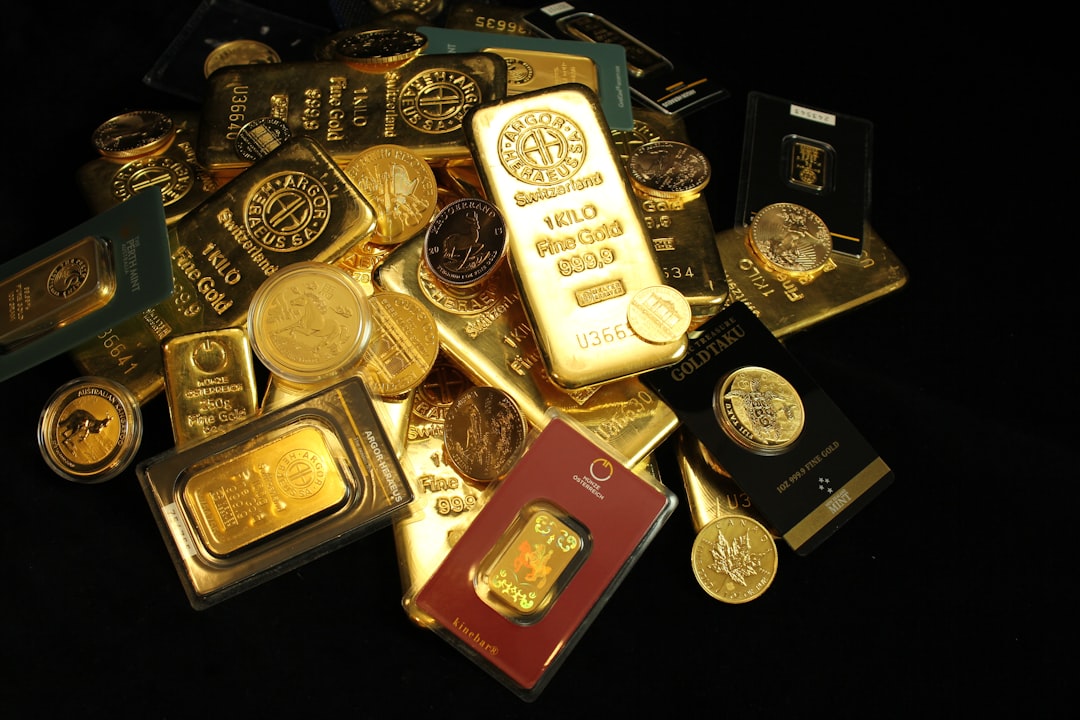
Investors may consider various practical options when looking to gain exposure to precious metals, particularly through Exchange-Traded Funds (ETFs). Two prominent choices are the SPDR Gold Shares (GLD) and the iShares Silver Trust (SLV). These ETFs are designed to track the price movements of their respective metals, providing a straightforward way for investors to gain exposure without the complexities of physical ownership. The GLD typically holds physical gold bullion, while the SLV holds silver bullion, making them accessible options for those interested in commodities.
Additionally, utilizing brokerage apps like Robinhood or E*TRADE can streamline the process of purchasing these ETFs. These platforms offer user-friendly interfaces and commission-free trading, which could enable investors to build their portfolios with ease. Investors may find the ability to make quick trades beneficial in a market that can be highly volatile.
For those looking to diversify further within the mining sector, the VanEck Vectors Gold Miners ETF (GDX) presents a compelling option. This ETF provides exposure to companies engaged in gold mining, which can offer leveraged returns during periods of rising gold prices. However, investors should be aware that mining stocks tend to exhibit greater volatility compared to the underlying commodity prices; for instance, a fund like the Direxion Daily Gold Miners Index Bull 2X Shares (NUGT) aims for twice the daily return of its benchmark but also carries significant risk, as evidenced by its sharp declines during market fluctuations.
Ultimately, the choice of ETFs and the method of purchase may depend on an investor’s risk tolerance and market outlook. Analyzing the risk profiles, income potential, and fund structures of different ETFs could potentially yield advantages tailored to individual investment goals.
4. Important Considerations
Investors considering exposure to exchange-traded funds (ETFs) focused on precious metals should be aware of several important considerations that could impact their investment outcomes. Understanding these factors may help investors make more informed decisions and manage potential risks effectively.
4.1 Tax Implications
When selling ETFs, investors may encounter tax implications, particularly in the form of capital gains tax. If an investor realizes a profit upon selling their ETF shares, they could be subject to capital gains tax on the appreciation. In many jurisdictions, long-term capital gains may be taxed at rates ranging from 15% to 20%, depending on the investor's income level. Investors should consider the holding period of their investments, as short-term capital gains, typically applied to assets held for one year or less, may be taxed at ordinary income rates, which can be significantly higher.
4.2 Management Fees
Another critical aspect to evaluate is the management fees associated with ETFs, often expressed as an expense ratio. This ratio represents the annual fees as a percentage of the fund's assets and can vary widely among different ETFs. For instance, while some ETFs may have expense ratios as low as 0.10%, others might exceed 1.00%. Investors should carefully examine these costs, as higher fees can erode returns over time, especially in a tight margin environment.
4.3 Market Risks
Investors should also remain vigilant about market risks that could affect their precious metals investments. Global economic conditions, such as inflation rates, currency fluctuations, and geopolitical tensions, tend to influence the prices of precious metals like gold and silver. For example, if inflation rises, gold might see increased demand as a hedge, potentially driving up prices. Conversely, a strengthening U.S. dollar could negatively impact the price of gold, as it tends to move inversely to the dollar's value. Staying informed about these dynamics is essential for investors looking to navigate the complexities of precious metals ETFs.
With an understanding of these considerations, investors may feel better equipped to assess their investment strategies. Next, we will delve into the specific risk and return profiles of popular ETFs in the precious metals sector, comparing their mechanisms and performance characteristics.
5. Conclusion
In conclusion, gold and silver Exchange-Traded Funds (ETFs) can serve as valuable components of an investment portfolio, particularly for those seeking diversification. The inclusion of these funds may help investors hedge against economic uncertainty and market volatility, given their historical performance as safe-haven assets. However, understanding the advantages and disadvantages of these investment vehicles is crucial for making informed decisions.
Investors may find that gold and silver ETFs, such as the SPDR Gold Shares (NYSEARCA:GLD) and the iShares Silver Trust (NYSEARCA:SLV), offer different risk profiles and income potential. For example, while the historical annual return of gold has typically ranged between 10-15%, silver has tended to offer higher volatility with the potential for greater returns, albeit with a risk of larger drawdowns. This contrast could appeal to different investor risk appetites.
Moreover, integrating gold and silver ETFs into an investment strategy might provide a buffer against systemic risks, which have been underscored by recent discussions around U.S. debt levels and potential financial repression. As financial landscapes evolve, investors may consider how these assets could fit into their long-term plans.
As markets continue to fluctuate, it becomes increasingly important for investors to conduct thorough research on specific funds and their underlying mechanisms. Monitoring conditions in both the precious metals market and broader economic indicators could provide insights into when to adjust allocations or explore new opportunities. Ultimately, due diligence remains key in navigating the complexities of investing in gold and silver ETFs.
Disclaimer: This article was generated using AI technology and is for informational and educational purposes only. It does not constitute investment advice, recommendation, or solicitation. All investment decisions are solely the responsibility of the individual investor. Past performance does not guarantee future results. Investments involve significant risks, including the potential loss of principal. Before making any investment decisions, please conduct your own research and consult with qualified financial and tax professionals.