
5 Ways Silver Prices Impact Investment Strategies

1. Why Consider Silver Prices in Investment Strategies
Investors may find it beneficial to consider silver prices as part of their overall investment strategies for several reasons. First, silver is a valuable commodity that often moves in correlation with gold. This relationship can influence overall market sentiment, as both metals are viewed as safe-haven assets in times of economic uncertainty. Historically, the correlation coefficient between gold and silver prices has been approximately 0.90, indicating a strong tendency for these assets to move in tandem. Understanding the dynamics of this relationship could provide insights into broader economic conditions and shifts in investor behavior.
Furthermore, the analysis of silver price trends may offer valuable information about market psychology. For example, rising silver prices could signal growing investor confidence in commodities, while falling prices may reflect broader economic concerns. As silver often serves as a barometer for industrial demand, fluctuations in its price can also indicate changes in manufacturing activity. In recent years, for instance, silver prices have demonstrated volatility, with fluctuations ranging from a low of approximately $14 per ounce to highs near $30 per ounce. Such price movements can potentially influence investor sentiment across various asset classes.
Another unique characteristic of silver is its dual role as both an investment asset and an industrial metal. Approximately 50% of silver demand comes from industrial applications, including electronics, solar panels, and medical devices. This industrial demand can create a more complex pricing dynamic compared to gold, which is primarily a monetary asset. Investors may consider this factor when assessing the long-term viability of silver in their portfolios, particularly in light of increasing technological advancements that could drive future demand.
In summary, incorporating silver into investment strategies could enhance diversification and provide insights into market trends. However, potential investors should remain aware of the inherent volatility and market conditions that can influence silver prices.
As investors navigate these complexities, it may also be prudent to examine the implications of shifts in related markets, such as gold or digital assets like Bitcoin, which can further impact investment decision-making.
2. Advantages and Disadvantages
Investors often weigh the advantages and disadvantages of silver as a potential investment. Understanding these factors is crucial for making informed decisions in the volatile world of precious metals.
2.1 Potential Advantages
- Hedge Against Inflation: Silver may act as a protective measure against inflation and currency fluctuations. Historically, precious metals have maintained their value during periods of rising prices, providing a potential safeguard for investors.
- Liquidity and Ease of Trading: Investing in silver exchange-traded funds (ETFs), such as SLV (iShares Silver Trust), offers high liquidity and ease of trading. This can be particularly advantageous for investors looking to enter or exit positions swiftly.
- Safe Haven Asset: Silver prices tend to react positively during economic downturns, making it a potential safe haven asset. In times of financial uncertainty, demand for silver often increases, which could lead to price appreciation.
2.2 Potential Disadvantages
- Price Volatility: Silver prices can be highly volatile, with fluctuations that may lead to potential short-term losses for investors. Price swings of 10-15% within short timeframes are not uncommon, which could challenge risk-averse investors.
- High Transaction and Storage Costs: The costs associated with purchasing and storing physical silver can be significant. Transaction fees and storage costs might eat into profits, particularly for smaller investors or those making infrequent trades.
- Market Sentiment Shifts: The silver market can be influenced by changes in market sentiment, which may lead to unexpected declines in prices. Factors such as geopolitical events or shifts in investor focus could rapidly alter the demand for silver, impacting valuations.
In summary, while silver presents various potential advantages as an investment, it is crucial for investors to carefully consider the associated risks and costs. Balancing these factors may help in formulating a more comprehensive investment strategy.

3. Practical Options/Methods
Investors seeking exposure to silver have various practical options that may fit their investment strategies. One popular method is through exchange-traded funds (ETFs), such as SLV (iShares Silver Trust) and SIVR (Sprott Physical Silver Trust). These funds provide an easy way to gain access to silver prices without the complexities associated with physical ownership. Typically, these ETFs are designed to track the price of silver, offering a cost-effective solution for investors looking to diversify their portfolios.
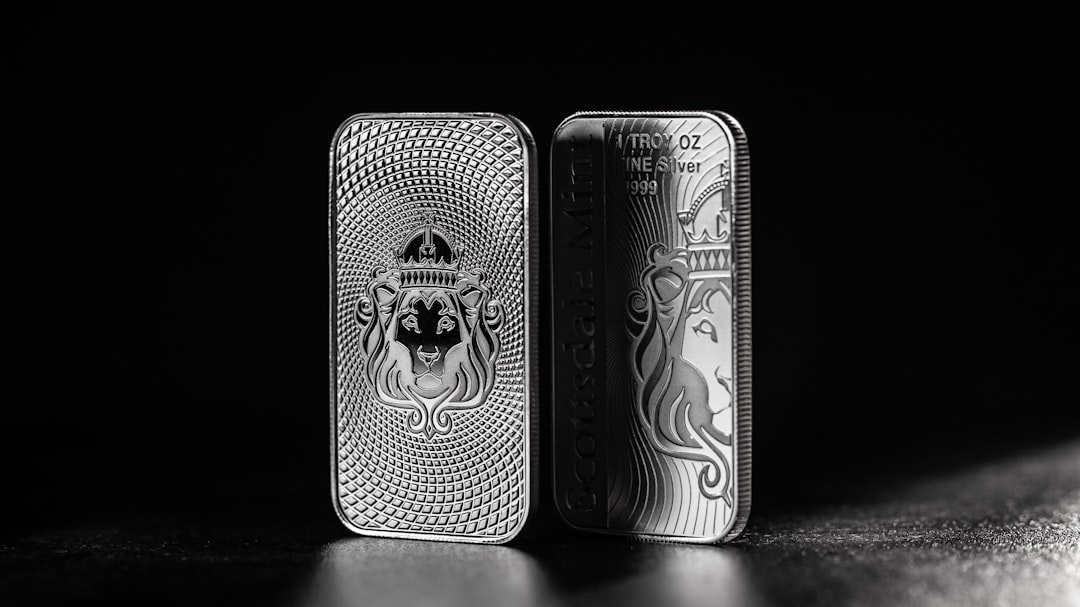
For those interested in tangible assets, physical silver can be acquired in the form of coins or bars. However, it is essential for investors to consider premiums and storage costs, which can vary widely. Premiums for silver coins might range from 5% to 15% above the spot price, while larger bars typically command lower premiums. Additionally, secure storage solutions may incur further expenses, potentially impacting overall returns.
Another avenue for gaining indirect exposure to silver prices is through investments in mining stocks. Companies like First Majestic Silver Corporation (AG) are often leveraged to silver price movements, meaning that their stock performance may be more volatile than the underlying commodity itself. Investors should note that mining stocks can offer significant upside potential, but they also come with inherent risks related to operational performance and market conditions.
In terms of executing trades, platforms like Robinhood or E*TRADE provide convenient access for investors to buy silver-related assets. These trading platforms tend to have user-friendly interfaces and may offer commission-free trading on certain investments, which could be beneficial for cost-conscious investors.
As investors navigate the complexities of the silver market, understanding these practical options and methods may assist in making informed decisions. However, as always, careful consideration of the associated risks and market conditions is advisable.
4. Important Considerations
Investors engaging in the precious metals market should consider several important factors that could impact their investment outcomes. One significant aspect is the varying tax implications associated with different investment types. For example, physical silver may be classified as a collectible by the IRS, which could result in a capital gains tax rate of up to 28% upon sale, compared to the lower rates typically applied to other investments. This distinction underscores the necessity for investors to be well-informed about their potential tax liabilities when investing in silver.
Another critical consideration is the management fees associated with Exchange-Traded Funds (ETFs) and mutual funds. These fees can diminish overall returns, as they typically range from approximately 0.5% to 1.5% of assets under management annually. For instance, the SLV (iShares Silver Trust) charges an expense ratio of around 0.5%, which, while relatively low, can accumulate over time, especially for long-term investors. Thus, understanding these fees is essential for evaluating the net performance of any investment vehicle.
Risk management strategies also play a vital role in navigating the volatile silver market. Investors might consider implementing stop-loss orders, which could automatically sell their holdings when prices fall to a predetermined level. This approach may help mitigate losses during sudden price drops, which are not uncommon in commodity markets.
Lastly, market timing could be crucial for investors in precious metals. Staying informed about economic indicators such as inflation rates, interest rates, and geopolitical tensions could provide valuable insights into potential price movements. For example, a rise in inflation may lead to increased demand for silver as a hedge, potentially driving prices upward. Conversely, a strengthening dollar could exert downward pressure on silver prices.
By carefully weighing these considerations, investors can potentially navigate the complexities of the silver market with greater confidence and foresight.
5. Conclusion
In conclusion, silver prices play a significant role in shaping investment strategies across various asset classes. Investors may find that incorporating silver into their portfolios could potentially enhance diversification, given its historical role as a hedge against inflation and currency fluctuations. However, it is important to recognize that silver, much like other commodities, does not consistently trend upward. Recent trends have shown sharp price corrections, as evidenced by notable declines in companies such as First Majestic Silver Corporation (AG), which experienced a 19% drop in stock value under current market pressures.
Investors should weigh the pros and cons carefully and consider their risk tolerance before investing in silver. The potential benefits of investing in silver include:
- Inflation Hedge: Silver has been perceived as a store of value during inflationary periods.
- Industrial Demand: Approximately 50% of silver's consumption is driven by industrial applications, which may provide a buffer against price declines.
Conversely, there are also risks associated with silver investments:
- Price Volatility: Silver prices can fluctuate significantly, often moving 3-5% in a single day.
- Market Sentiment: Shifts in investor sentiment, such as rotation into cryptocurrencies like Bitcoin, could diminish silver's allure.
Staying updated on market trends is crucial for investors. Monitoring developments in both the precious metals market and related sectors can provide valuable insights into potential price movements. Additionally, considering diversification strategies that include silver and related assets, such as silver ETFs like SLV (iShares Silver Trust) or SIL (ETFMG Prime Junior Silver Miners ETF), may mitigate risks while maintaining exposure to potential gains.
Ultimately, investors are encouraged to conduct their own research and remain vigilant in tracking market conditions, as these factors will critically influence future investment decisions in silver and other precious metals.
Disclaimer: This article was generated using AI technology and is for informational and educational purposes only. It does not constitute investment advice, recommendation, or solicitation. All investment decisions are solely the responsibility of the individual investor. Past performance does not guarantee future results. Investments involve significant risks, including the potential loss of principal. Before making any investment decisions, please conduct your own research and consult with qualified financial and tax professionals.