
Five Key Factors Driving Gold and Copper Price Increases

1. Why Consider Gold and Copper Price Increases
Understanding the dynamics of gold and copper prices is crucial for investors looking to hedge against inflation and geopolitical risks. Historically, gold has been viewed as a safe haven during times of uncertainty. When inflation rises or economic instability looms, the demand for gold often increases, driving prices higher. For example, during significant geopolitical tensions, such as trade disputes or conflicts, gold prices may appreciate by approximately 10-15% as investors seek stability.
Recent trends suggest that fluctuations in oil prices can have a direct impact on gold and copper. For instance, a slump in oil prices may lead to reduced expectations for interest rate hikes by central banks like the Federal Reserve. When the cost of borrowing remains low, it could result in a more favorable environment for precious metals, thereby enhancing their attractiveness as an investment. Investors may note that gold has historically responded positively to such conditions, potentially yielding gains in uncertain economic climates.
Copper, on the other hand, serves as a bellwether for economic growth due to its extensive use in industrial applications, including construction and electronics. Price movements in copper can indicate shifts in global demand. A rise in copper prices, which tend to increase during periods of economic expansion, may signal robust industrial activity. For instance, a typical price range for copper might hover around $3.00 to $4.00 per pound, and a sustained increase could suggest a strengthening economy, attracting attention from investors seeking to capitalize on growth trends.
Moreover, both metals are integral to the performance of various exchange-traded funds (ETFs) and individual stocks within the commodities sector. For example, the SPDR Gold Shares (GLD) and the iShares Copper ETF (CPER) reflect changes in gold and copper prices, respectively, allowing investors to gain exposure to these markets without direct ownership of the physical metals. As geopolitical risks continue to shape the landscape of commodity markets, the movements in gold and copper prices could significantly influence investment strategies moving forward.
2. Advantages and Disadvantages
Investors may find that both gold and copper present unique opportunities and challenges in the commodities market. Understanding these advantages and disadvantages can help in making informed investment decisions.
2.1 Potential Advantages
- Safe-Haven Asset: Gold historically serves as a safe-haven asset during periods of economic uncertainty. For instance, during financial crises, gold prices may surge as investors seek stability, often leading to price increases of approximately 10-15% in turbulent times.
- Technological Demand: Copper is essential in various technologies, especially in renewable energy sectors such as solar panels and electric vehicles. As global demand for these technologies increases, copper prices may benefit from this upward trajectory.
- ETFs Accessibility: Investing in exchange-traded funds (ETFs) like SPDR Gold Shares (GLD) and iShares Copper ETF (CPER) provides investors with exposure to these metals without the complexities of physical storage. This can simplify the investment process and lower transactional costs.
- Portfolio Diversification: Including commodities like gold and copper can enhance portfolio diversification. This may reduce overall volatility, as commodities often behave differently compared to traditional equities and bonds.
2.2 Potential Disadvantages
- Market Volatility: Both gold and copper can be highly volatile, influenced by market speculation, geopolitical tensions, and fluctuating demand. Price swings of 5-10% within short periods are not uncommon, which can pose risks for investors.
- ETF Fees: Investors may face challenges such as high fees associated with certain ETFs. Management fees for commodity ETFs can range from 0.5% to 1.5%, which might diminish overall returns over time.
- Risk of Losses: During market downturns, both gold and copper prices may decline sharply, potentially leading to significant losses. Historical data indicates that commodities can lose value quickly, particularly in times of economic recovery when risk appetite increases.
- Geopolitical Risks: The prices of both metals are susceptible to geopolitical risks. For example, tensions in major copper-producing regions can lead to supply disruptions, which might cause sudden price increases or decreases.
In summary, while gold and copper offer potential advantages in terms of safety, technological relevance, and investment accessibility, they also come with inherent risks that investors should carefully consider. This complex interplay may shape an investor's approach to commodities in their portfolios.
3. Practical Options/Methods
Investors seeking exposure to precious and industrial metals may explore various practical options and methods to align their portfolios with market trends. One such method involves Exchange-Traded Funds (ETFs), which can provide diversified exposure without the complexities of direct ownership.
For those interested in gold, the VanEck Vectors Gold Miners ETF (GDX) could be a viable option. This ETF tracks the performance of companies engaged in gold mining, and historically, it has shown a correlation with gold prices, potentially reflecting the metal's performance in a more accessible format. Meanwhile, the Invesco DB Base Metals Fund (DBB) offers exposure to copper and other base metals. This ETF typically holds a basket of futures contracts, which may allow investors to gain from fluctuations in commodity prices without the need to physically store the metals.
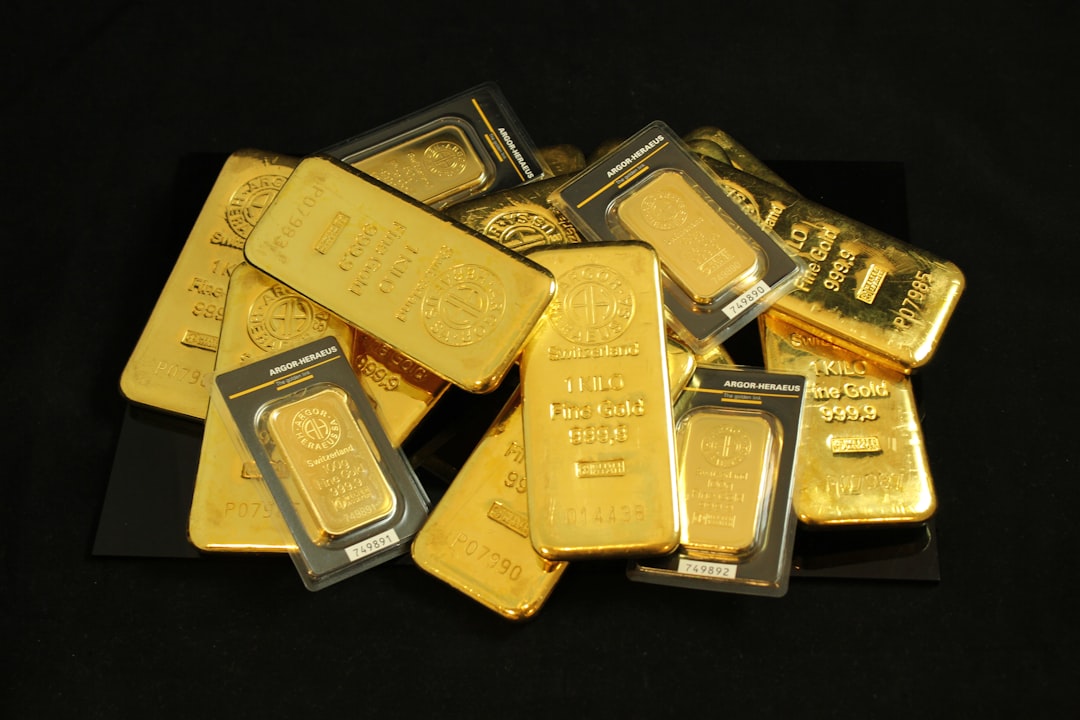
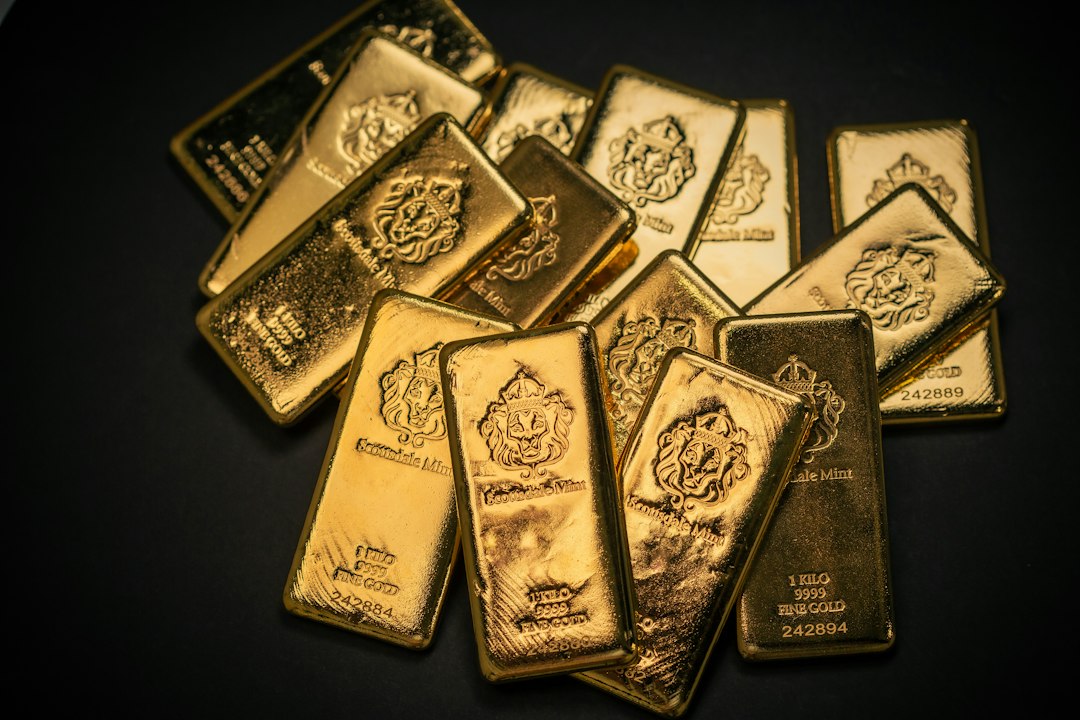
For investors who prefer tangible assets, direct investment in physical gold or copper might be appealing. Investors could purchase gold coins or bars, which can serve as a hedge against inflation and currency fluctuations. The tangible nature of these assets tends to provide a sense of security, although it is essential to consider storage and insurance costs associated with physical ownership.
Additionally, experienced investors may benefit from utilizing trading platforms that offer options and futures contracts. These instruments can allow for more sophisticated strategies, such as hedging against price declines or speculating on price increases. For example, options contracts enable investors to potentially leverage their positions, with the ability to control a larger amount of the underlying asset for a fraction of the price. However, such strategies may also carry higher risks and require a thorough understanding of market dynamics.
In summary, investors have a variety of methods to gain exposure to gold and copper, from ETFs to direct ownership and advanced trading strategies. Each approach carries its own advantages and risks, and careful consideration of personal investment goals and risk tolerance is advisable.
4. Important Considerations
Investors should be aware that understanding the tax implications of capital gains from commodity investments is essential for long-term planning. Generally, long-term capital gains taxes can range from 0% to 20%, depending on the investor's income bracket. Short-term gains, on the other hand, are taxed as ordinary income, which could significantly impact net profits. As such, investors may want to consider holding onto commodities for longer periods to benefit from lower tax rates.
Additionally, fees associated with Exchange-Traded Funds (ETFs) and management costs can eat into profits. Expense ratios for commodity ETFs typically range from 0.2% to 1.0%, which may seem small but can accumulate over time, especially for investors employing a buy-and-hold strategy. For example, if an ETF has an expense ratio of 0.5% and an average annual return of 8%, the effective return could be reduced to approximately 7.5%. Therefore, it is prudent for investors to compare different products to find those with competitive fees.
Market risks also play a significant role in commodity investments. Prices can be significantly impacted by fluctuating demand and geopolitical factors. For instance, recent geopolitical tensions may have contributed to volatility in oil prices, which have seen swings of 10% or more within short time frames. This potential for rapid price changes necessitates that investors stay informed about global events and economic indicators that could influence market conditions. Monitoring developments such as trade negotiations, political instability, and changes in monetary policy could be vital for making informed investment decisions.
In conclusion, navigating the complexities of commodity investments requires a comprehensive understanding of tax implications, fee structures, and market risks. By being diligent in these areas, investors may enhance their strategic planning and potentially optimize their investment outcomes.
5. Conclusion
In summary, the prices of gold and copper are influenced by a multitude of factors, including prevailing economic conditions, geopolitical risks, and market trends. For instance, recent fluctuations in oil prices have been shown to impact investor sentiment regarding inflation and interest rate policies, which in turn can affect demand for these commodities. Gold, often viewed as a safe-haven asset, tends to appreciate when uncertainty looms, while copper, which is heavily tied to industrial demand, may fluctuate based on economic growth indicators.
Investors should weigh the advantages and disadvantages of committing to investments in these commodities. On one hand, gold may serve as a hedge against inflation and currency fluctuations, potentially yielding returns during periods of economic instability. Conversely, copper's correlation with industrial activity means that its performance might be highly sensitive to economic cycles, with price swings typically ranging from 10-15% in response to changes in demand forecasts.
- Gold can act as a protective asset during economic downturns.
- Copper's price is often a reflection of global manufacturing health.
- Both commodities can provide diversification benefits within an investment portfolio.
- However, volatility in commodity markets can lead to significant risks.
As the commodities landscape continues to evolve, especially with geopolitical dynamics at play, investors may consider taking actionable steps today. This might include researching Exchange-Traded Funds (ETFs) such as GLD (SPDR Gold Shares) or CPER (Invesco DB Base Metals Fund) to gain exposure to these markets without the need for direct commodity ownership. Additionally, consulting with a financial advisor could provide tailored insights to better navigate the complexities of the commodities market.
Looking ahead, investors should remain vigilant and monitor evolving market conditions, as shifts in economic indicators and geopolitical events could significantly impact commodity prices. Conducting thorough research is essential for making informed decisions in this dynamic environment.
Disclaimer: This article was generated using AI technology and is for informational and educational purposes only. It does not constitute investment advice, recommendation, or solicitation. All investment decisions are solely the responsibility of the individual investor. Past performance does not guarantee future results. Investments involve significant risks, including the potential loss of principal. Before making any investment decisions, please conduct your own research and consult with qualified financial and tax professionals.