
Nvidia: The Unmatched Leader in AI Semiconductor Stocks

1. Why Consider Nvidia as the Leader in AI Semiconductor Stocks
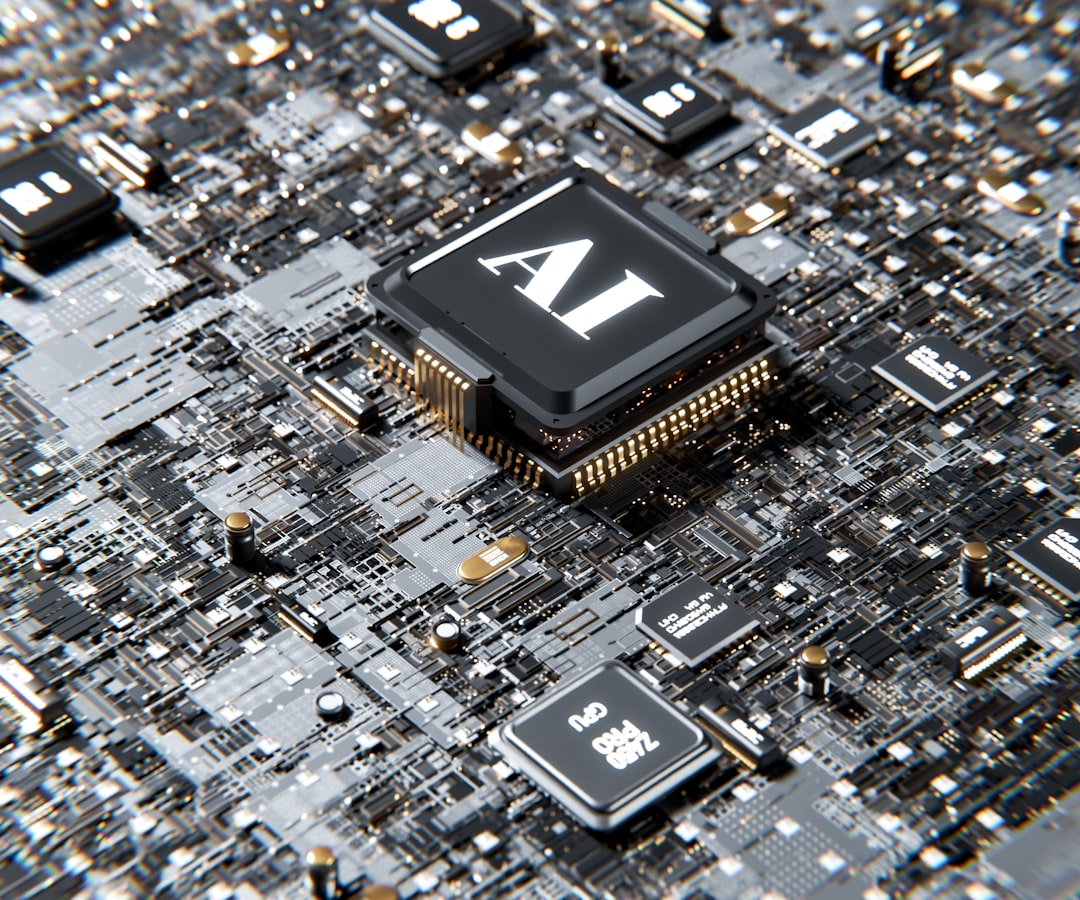
Nvidia Corporation (NVDA) stands out as a leader in the **AI semiconductor** market, largely due to its innovative **graphics processing unit (GPU)** technology. The company's GPUs, particularly the A100 and H100 models, are tailored specifically for AI workloads, providing significant performance advantages over traditional computing solutions. Investors may find this technological edge crucial, as Nvidia's GPUs can process vast amounts of data, enabling complex machine learning tasks and real-time AI applications.
The demand for AI applications is witnessing remarkable growth across various industries, including healthcare, finance, and autonomous vehicles. For instance, the global AI market is projected to expand at a compound annual growth rate (CAGR) of approximately 40% over the next several years. With such robust demand, Nvidia's role as a key player in supplying the necessary semiconductor technology becomes even more critical. This growing reliance on AI solutions could bolster Nvidia’s revenue, as revenue derived from the data center segment, which heavily utilizes AI technology, has shown a tendency to contribute approximately 40% of the company's total revenue in recent quarters.
Investing in Nvidia may provide exposure to the rapidly expanding **AI ecosystem**. The company's strategic partnerships with industry leaders such as Microsoft Corporation (MSFT) and Google Cloud Platform (GCP) further solidify its position in this lucrative market. Moreover, Nvidia's acquisition of Mellanox Technologies has enhanced its data center capabilities, allowing it to deliver integrated solutions that cater to the increasing demands of AI-driven applications.
In summary, Nvidia's dominance in AI semiconductor stocks may be attributed to its cutting-edge GPU technology, the escalating demand for AI applications, and its integral role in the expanding AI ecosystem. Investors may view Nvidia as a compelling option in the semiconductor space, particularly as the company continues to innovate and adapt to the evolving landscape of artificial intelligence.
As we explore further, let’s examine the potential advantages and disadvantages of investing in other semiconductor stocks, such as Advanced Micro Devices, Inc. (AMD) and Arm Holdings.
2. Advantages and Disadvantages
Nvidia Corporation (NVDA) has established itself as a leader in the semiconductor market, particularly within the burgeoning artificial intelligence (AI) sector. However, like any investment, it presents both advantages and disadvantages that investors should carefully consider.
2.1 Potential Advantages
- Market Position: Nvidia’s strong market position is bolstered by its cutting-edge technology, particularly in AI chips. This dominance may provide a competitive edge, as the company continues to innovate and lead in a space that is projected to grow exponentially.
- Revenue Growth: Robust revenue growth is fueled by increasing demand for AI technologies, potentially leading to an annual growth rate of approximately 20-30% in the next few years. Partnerships with major tech companies further enhance revenue streams, allowing for diversified income sources.
- Brand Recognition: High brand recognition among consumers and investors alike may enhance Nvidia’s reputation as a reliable investment choice. A strong brand can lead to increased customer loyalty and market share, thereby improving overall business sustainability.
- Investor Confidence: Nvidia's consistent performance and strong fundamentals tend to foster investor confidence, reflected in its relatively high price-to-earnings (P/E) ratio, which may hover around 40-50. This premium valuation can indicate market optimism regarding future growth.
2.2 Potential Disadvantages
- High Valuation: The current high valuation of Nvidia could pose risks for new investors. With P/E ratios significantly above the market average, there may be concerns about future earnings growth justifying these prices, particularly in a market correction.
- Intense Competition: Intense competition from companies like Advanced Micro Devices (AMD) and Qualcomm may impact Nvidia's market share. As these firms continue to innovate and capture segments of the AI chip market, Nvidia may face pressure on pricing and sales volumes.
- Market Volatility: The technology sector is notoriously volatile, and Nvidia’s stock performance could be significantly affected by broader market fluctuations. Investors in tech stocks may experience price swings of 10-15% or more, which could impact short-term investment strategies.
- Supply Chain Risks: Nvidia’s reliance on global supply chains for semiconductor manufacturing could expose the company to disruptions. Events such as trade restrictions or geopolitical tensions may adversely affect production timelines and operational efficiency.
Investors may find it essential to weigh these advantages and disadvantages carefully when considering Nvidia as part of their investment portfolio. Understanding the dynamics at play can help in making informed decisions in the semiconductor space.
3. Practical Options/Methods
Investors seeking exposure to the burgeoning semiconductor market, particularly with a focus on the artificial intelligence (AI) sector, may consider several practical options for investment. One of the most straightforward approaches is to invest directly in NVIDIA Corporation (NVDA) stock. As a leader in AI chip production, Nvidia’s innovative technologies and dominant market position could potentially yield significant gains over time.
Alternatively, investors might explore exchange-traded funds (ETFs) that concentrate on technology and semiconductor sectors. For instance, the iShares Semiconductor ETF (SOXX) provides broad exposure to the semiconductor industry, which is expected to grow alongside advancements in AI and machine learning. Similarly, the VanEck Vectors Semiconductor ETF (SMH) includes a diverse array of semiconductor companies, thereby allowing investors to mitigate individual stock risk while still participating in the sector's anticipated growth.
Utilizing investment platforms such as Robinhood or E*TRADE can further facilitate access to purchasing Nvidia and related stocks. These platforms typically offer commission-free trading, making it easier for investors to acquire shares without incurring additional costs. Furthermore, these tools often provide educational resources and market analysis, which could assist investors in making informed decisions.
While direct investment in Nvidia may present an opportunity for those looking for concentrated exposure, ETFs may appeal to those preferring a diversified approach to the semiconductor industry. The choice between these methods will largely depend on individual risk tolerance and investment strategy. Regardless of the method selected, investors should remain mindful of the inherent risks associated with stock market investments and consider conducting thorough research or consulting financial advisors to align their portfolios with their long-term financial goals.
4. Important Considerations
Investors should carefully consider several important factors when contemplating the sale of Nvidia Corporation (NVDA) stock for potential profits. One critical aspect is the impact of capital gains taxes. When selling stocks for a profit, investors may be subject to capital gains tax, which can significantly reduce net returns. For instance, short-term capital gains, taxed as ordinary income, can be as high as 37%, while long-term capital gains may typically range from 0% to 20%, depending on the investor's income level. Understanding these tax implications is essential for accurate profit calculations.
Another consideration involves the management fees associated with Exchange-Traded Funds (ETFs) that invest in semiconductor stocks or technology sectors. While ETFs like the XSD (SPDR S&P Semiconductor ETF) offer diversified exposure to the semiconductor industry, management fees can vary widely, generally ranging from 0.1% to 1%. Investors should evaluate these fees, as they can erode overall returns over time, particularly in a highly competitive market where margins may be thin.
Additionally, investors must assess the risks related to market fluctuations and the inherent volatility of the technology sector. The technology market, especially companies like Nvidia that are heavily involved in the rapidly evolving artificial intelligence (AI) landscape, tends to experience significant price swings. For example, Nvidia's stock price may fluctuate by 5-10% within a single trading session based on news related to AI advancements or competitive pressures from companies like Advanced Micro Devices (AMD). Understanding these risks is crucial, as they could impact both short-term trading strategies and long-term investment outlooks.
In summary, while Nvidia may present appealing investment opportunities due to its leadership in the AI chip market, investors must navigate complex tax implications, management fees, and market volatility to make informed decisions.
5. Conclusion
Nvidia Corporation (NVDA) stands out as a leading choice in the **AI semiconductor market** due to its continued technological advancements and market dominance. The company's robust ecosystem around artificial intelligence has positioned it as a frontrunner, with analysts estimating its revenue growth in this segment could potentially reach **20-25%** annually over the next few years. This growth is facilitated by Nvidia's innovative products, such as the **A100 Tensor Core GPU**, which has become a benchmark in AI processing capabilities.
However, investors should weigh the advantages against potential risks. The semiconductor industry is notoriously cyclical, and Nvidia's stock may experience volatility tied to broader market trends and competition from rivals like **Advanced Micro Devices (AMD)** and **Qualcomm Incorporated (QCOM)**. Additionally, as Nvidia considers strategic adjustments—such as potentially shipping its next-generation GPU with less memory than previously promised—investors may find themselves reassessing the value proposition and performance expectations associated with the stock.
Furthermore, investors may also want to consider related investment vehicles, such as **SMH (VanEck Vectors Semiconductor ETF)**, which provides diversified exposure to the semiconductor sector, including Nvidia. Evaluating the historical performance and expense ratios of such ETFs could aid in making informed decisions. Typically, investors might look for funds with an expense ratio below **0.5%** to optimize returns.
In summary, Nvidia's technological prowess and market position present significant opportunities for growth, but these come with inherent risks. Investors should remain vigilant about market conditions and competitive dynamics while conducting thorough research on Nvidia and its peers. By staying informed and proactive, investors could potentially capitalize on future growth in the AI semiconductor landscape.
Disclaimer: This article was generated using AI technology and is for informational and educational purposes only. It does not constitute investment advice, recommendation, or solicitation. All investment decisions are solely the responsibility of the individual investor. Past performance does not guarantee future results. Investments involve significant risks, including the potential loss of principal. Before making any investment decisions, please conduct your own research and consult with qualified financial and tax professionals.