
Ten Reasons to Invest in Precious Metals Today

1. Why Consider Investing in Precious Metals
Investors may consider precious metals as a critical component of a diversified portfolio due to their unique properties that can enhance financial stability. Historically, precious metals such as gold and silver have shown a tendency to retain value during economic downturns, acting as a hedge against inflation and currency devaluation. For instance, during periods of market volatility, gold often appreciates, as it is viewed as a “safe haven” asset. Data suggests that gold prices can rise by approximately 20-30% during economic crises, offering investors a potential buffer against losses in equities and other asset classes.
Moreover, the historical significance of precious metals cannot be overstated. Silver, for example, has been used as a form of currency and a store of value for centuries. Recent market analyses indicate that silver prices are expected to surge, with predictions of a potential increase of 185% if silver surpasses $70 per ounce. This sentiment echoes the perspective of notable financial experts who advocate for hard assets over fiat currencies, particularly in uncertain economic climates.
Investors might also explore various investment vehicles to gain exposure to precious metals. For instance, the iShares MSCI Global Silver and Metals Miners ETF (SLVP) and the VanEck Gold Miners ETF (GDX) offer distinct approaches to investing in the mining sector. GDX, which focuses on gold mining companies, typically provides broader exposure and may exhibit less volatility compared to SLVP, which concentrates on silver miners. This diversification within the precious metals sector could potentially mitigate risks associated with investing in a single asset class.
As the market conditions evolve, investors may find that incorporating precious metals into their investment strategy not only helps to diversify risk but also positions them to potentially capitalize on future market movements. With the ongoing fluctuations in both traditional assets and cryptocurrencies, the role of precious metals could gain renewed significance.
2. Advantages and Disadvantages
Investors considering precious metals, particularly silver, may find it essential to weigh both the potential advantages and disadvantages associated with these assets. Understanding these factors can help in making informed decisions in an often volatile market.
2.1 Potential Advantages
- Stability against inflation: Precious metals, especially silver and gold, have historically served as a hedge against inflation. In periods of rising prices, these assets may retain their value better than fiat currencies, which can depreciate significantly. For instance, during inflationary periods, silver may appreciate in value, potentially increasing by 10-15% or more as investors seek to preserve purchasing power.
- Industrial demand: Silver has a variety of industrial applications, particularly in electronics, solar panels, and medical devices. As global demand for these technologies grows, so too could the demand for silver, which may lead to price increases. This industrial utilization tends to provide a more stable demand base compared to gold, which is primarily used for investment and jewelry.
- Portfolio diversification: Including precious metals in an investment portfolio can enhance diversification, potentially reducing overall risk. Historically, precious metals often exhibit low correlation with traditional equities and bonds, which means they could provide a buffer during market downturns.
2.2 Potential Disadvantages
- Price volatility: Precious metals, including silver, may experience significant price fluctuations due to market sentiment, geopolitical events, and changes in supply and demand. For example, silver prices can swing wildly, with daily movements sometimes exceeding 3-5%, which could pose risks for investors looking for stability.
- Storage and insurance costs: Investing in physical precious metals entails additional expenses, such as secure storage and insurance. These costs can cut into potential returns, especially if the investor holds a substantial amount of physical metal. Investors may need to budget for these ongoing expenses, which can vary widely based on location and the amount stored.
- Market accessibility: While there are numerous investment vehicles for precious metals, not all investors may find them accessible or convenient. Options such as ETFs (e.g., SLVP (iShares MSCI Global Silver and Metals Miners ETF)) or mining stocks (e.g., GDX (VanEck Gold Miners ETF)) provide alternatives, but they may not offer the same benefits as holding physical metals.
Understanding these advantages and disadvantages may help investors navigate the complexities of precious metal investments, particularly in a dynamic economic environment where inflation and currency devaluation are ongoing concerns.
3. Practical Options/Methods
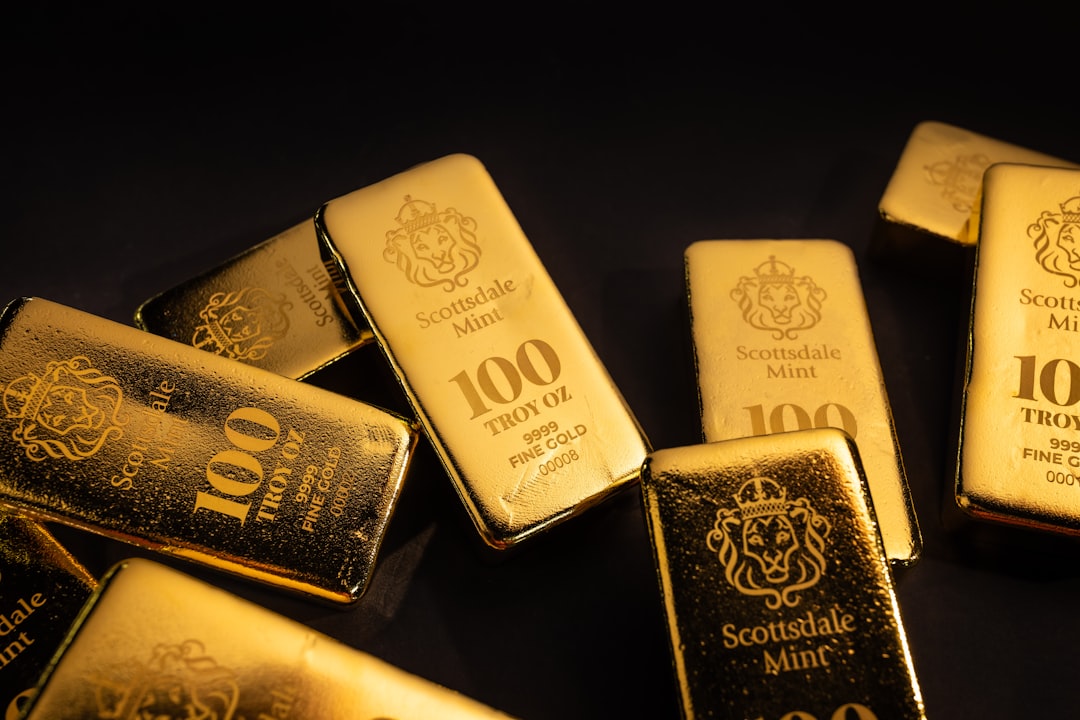
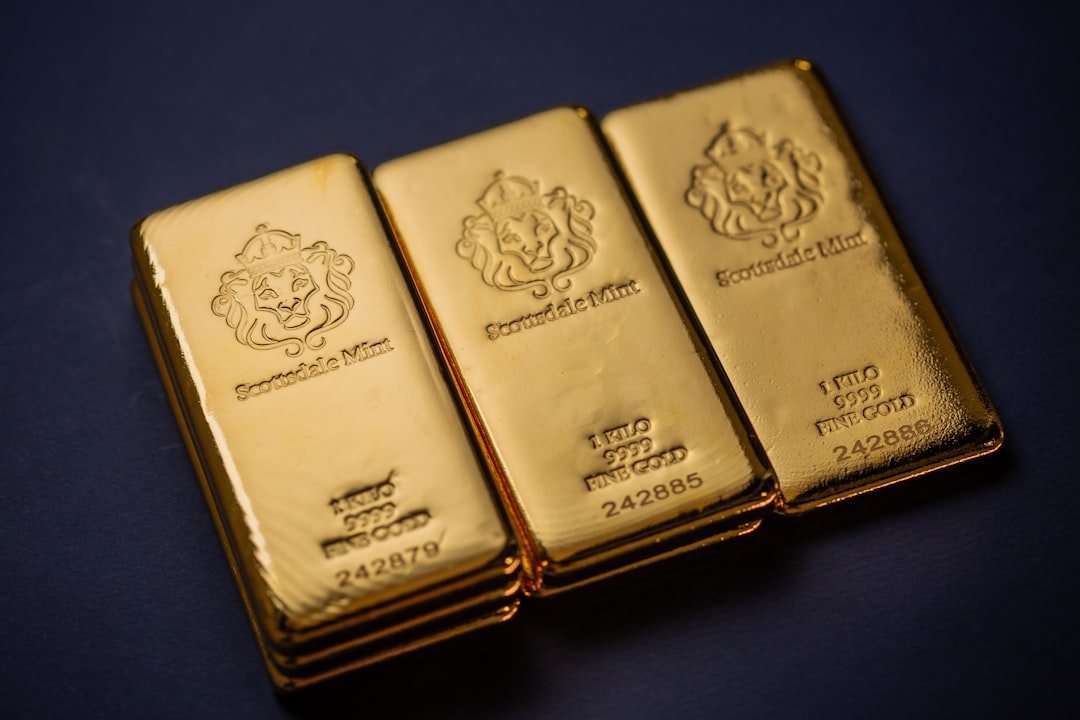
Investors may consider several practical options for gaining exposure to precious metals, particularly in light of recent predictions regarding silver's potential price surge. Investing in physical metals, such as gold and silver coins and bars, could serve as a tangible asset that may retain value over time. Historically, physical precious metals have been viewed as a hedge against inflation and currency devaluation, offering investors a sense of security during market volatility.
Another avenue worth exploring is Exchange-Traded Funds (ETFs). Notably, iShares MSCI Global Silver and Metals Miners ETF (SLVP) and VanEck Gold Miners ETF (GDX) provide different methods of exposure to the precious metals market. The SLVP focuses primarily on silver mining companies, while the GDX encompasses a broader range of gold mining firms. Investors may find that the GDX offers less volatility due to its diversified asset base, whereas SLVP may present higher risk but potentially greater rewards due to its concentrated focus on silver. Typically, the GDX might hold around 50-70 stocks, which could lead to an average management expense ratio (MER) of approximately 0.53%, while SLVP could have around 30 holdings with a MER of about 0.39%.
Furthermore, precious metal mutual funds could also be a viable option for investors seeking diversified exposure. These funds generally invest in companies involved in the production and distribution of gold, silver, and other precious metals, thus providing a diversified portfolio that may reduce individual stock risk. Depending on the fund, investors might expect returns that align with the broader performance of precious metals, potentially yielding annualized returns in the range of 5-10% over the long term.
As the landscape of investments continues to evolve, investors may find it beneficial to stay informed about the dynamics affecting both physical and financial assets. Understanding these practical options can aid in making informed decisions in a fluctuating market.
4. Important Considerations
Investors considering the purchase of precious metals should be aware of several important considerations that could influence their investment decisions. One significant factor is the tax implications associated with buying and selling these assets. In many jurisdictions, profits from the sale of precious metals may be subject to capital gains tax, which can range from approximately 15% to 30%, depending on the investor's income bracket and the holding period of the asset. This could potentially affect the net returns on investment, making it crucial for investors to understand their local tax regulations prior to engaging in transactions.
Another important aspect to consider is the fees associated with purchasing physical metals versus investing in exchange-traded funds (ETFs) that track precious metals. When buying physical metals, investors may encounter various costs, including premiums over the spot price, storage fees, and insurance. These costs can typically range from 3% to 5% of the total investment. In contrast, ETFs like the iShares MSCI Global Silver and Metals Miners ETF (SLVP) or the VanEck Gold Miners ETF (GDX) tend to have lower expense ratios, often around 0.5% to 1%, and provide the added benefit of liquidity without the need for physical storage. However, investors should also consider the potential tracking error and the underlying assets of these ETFs, as they may not always perfectly correlate with the performance of the metals themselves.
Lastly, the risks of market fluctuations cannot be overlooked. Precious metals are often subject to significant price volatility due to various factors, including supply and demand dynamics, geopolitical events, and shifts in investor sentiment. Conducting thorough market research may help investors navigate these fluctuations. For instance, a recent analysis indicated that silver prices could rise significantly if market conditions align favorably, but this also carries inherent risks as price corrections can occur abruptly. Investors may find that a well-informed strategy, combined with an understanding of the broader market environment, will yield better outcomes in the long run.
5. Conclusion
In conclusion, investing in precious metals can serve as a strategic hedge against economic instability. The potential benefits of precious metals, such as gold and silver, are often highlighted by market analysts, particularly in times of heightened volatility in traditional financial markets. For instance, with recent predictions suggesting a possible surge in silver prices by as much as 185%, investors may view this as an opportunity to diversify their portfolios away from fiat currencies, which may be susceptible to inflation and other economic pressures.
Moreover, the performance of exchange-traded funds (ETFs) like GDX (VanEck Gold Miners ETF) and SLVP (iShares MSCI Global Silver and Metals Miners ETF) illustrates the varying degrees of exposure and volatility associated with precious metals investments. While GDX may offer broader exposure to gold mining companies, SLVP focuses more narrowly on silver, potentially allowing investors to tailor their strategies based on market conditions and personal risk tolerance. Such differentiation could be critical for investors aiming to optimize their asset allocations.
Additionally, the recent outperformance of precious metals compared to cryptocurrencies like Bitcoin could suggest a shift in investor sentiment towards tangible assets during uncertain times. This trend may encourage investors to reassess their financial positions, as precious metals tend to retain intrinsic value when other assets may decline.
In light of these factors, investors are encouraged to monitor market conditions closely and consider how incorporating precious metals into their portfolios might align with their overall financial strategies. Assessing individual financial situations and exploring options for diversification could be prudent steps for those looking to navigate potential economic turbulence. As always, conducting thorough research and analysis is essential before making any investment decisions.
Disclaimer: This article was generated using AI technology and is for informational and educational purposes only. It does not constitute investment advice, recommendation, or solicitation. All investment decisions are solely the responsibility of the individual investor. Past performance does not guarantee future results. Investments involve significant risks, including the potential loss of principal. Before making any investment decisions, please conduct your own research and consult with qualified financial and tax professionals.