
What 5 Reasons Are Driving XRP's 17% Weekly Drop?

1. Why Consider XRP's Recent Price Drop
Investors may find it essential to analyze the recent price drop of XRP (XRP-USD), which plummeted approximately 17% in a single week, marking it as one of the sharpest declines among major cryptocurrencies. Understanding the mechanics behind these price movements can provide valuable insights for decision-making in an increasingly volatile market. The fall in XRP's price is noteworthy not only for its magnitude but also for the potential implications it carries for the broader cryptocurrency landscape.
The recent downturn could reflect a wider trend influenced by macroeconomic factors, particularly the rising inflation rates that have sparked speculation regarding future Federal Reserve interest rate hikes. As seen in the market, when Bitcoin (BTC-USD) fell below $74,000, it triggered a cascade of forced selling across various cryptocurrencies, including XRP, Ethereum (ETH-USD), and Solana (SOL-USD). This phenomenon may indicate that XRP is not isolated in its struggles but is instead part of a larger market correction, which often affects cryptocurrencies more severely than traditional assets.
Moreover, the significant drop in XRP's price raises questions about investor sentiment and market confidence. XRP, which has historically been a volatile asset, tends to react sharply to market news and regulatory developments. The ongoing scrutiny from regulatory bodies, including remarks from notable politicians, adds another layer of uncertainty. For instance, recent comments from Senator Elizabeth Warren regarding cryptocurrency firms connected to the Trump family could potentially further shake investor confidence in the sector.
In this context, it may be prudent for investors to remain vigilant and assess their positions in XRP and other cryptocurrencies. Market dynamics can shift rapidly, and what appears to be a temporary setback could either signify a correction or the beginning of a larger trend. As such, a careful analysis of price movements and broader market conditions is critical for making informed investment decisions.
2. Advantages and Disadvantages
Investors considering XRP (Ripple) in the current market landscape may find it essential to weigh both the potential advantages and disadvantages associated with this cryptocurrency. Given its recent performance and broader market trends, a balanced view can help in making informed decisions.
2.1 Potential Advantages
- Strong Use Case: XRP has a robust application in cross-border payments, which could attract institutional interest. As financial institutions seek faster and more cost-effective transaction methods, XRP's technology may position it favorably in this competitive space.
- Buying Opportunities: The inherent volatility within the cryptocurrency market can create potential buying opportunities for savvy investors. For instance, XRP’s recent price fluctuations, including a 17% drop in a week, may present a chance for those looking to capitalize on lower entry points.
- Liquidity Potential: XRP typically offers higher liquidity compared to many altcoins, which may facilitate easier transactions and trading. This could be particularly appealing to investors looking for a more stable trading environment amid market chaos.
2.2 Potential Disadvantages
- Regulatory Scrutiny: XRP has faced significant legal battles and regulatory scrutiny, which may undermine investor confidence. Ongoing investigations can create uncertainty, leading to potential volatility in the asset's price.
- Market Interest Decline: The recent price drop reflects a potential loss of market interest and liquidity. As XRP struggles to maintain its price, it may deter new investors and lead to a further decline in trading volume.
- Competition: The cryptocurrency space is saturated with alternatives, including Bitcoin (BTC) and Ethereum (ETH), which may overshadow XRP’s unique offerings. Increased competition could limit XRP's growth potential and market share.
Overall, while XRP presents several advantages that may attract investors, the associated disadvantages warrant careful consideration. Investors may want to monitor these factors closely as they evaluate their positions in this dynamic market.
3. Practical Options/Methods
In light of the recent volatility in the cryptocurrency markets, particularly with the notable decline of XRP, investors may find it prudent to consider various strategies to manage their exposure and mitigate risks. One effective approach is **dollar-cost averaging**, a method that involves consistently investing a fixed amount of money at regular intervals, regardless of the asset's price. This strategy can potentially smooth out the effects of market volatility, as it allows investors to purchase more units when prices are low and fewer when prices are high. Over time, this could lead to a lower average cost per unit, which might be beneficial in a choppy market environment.
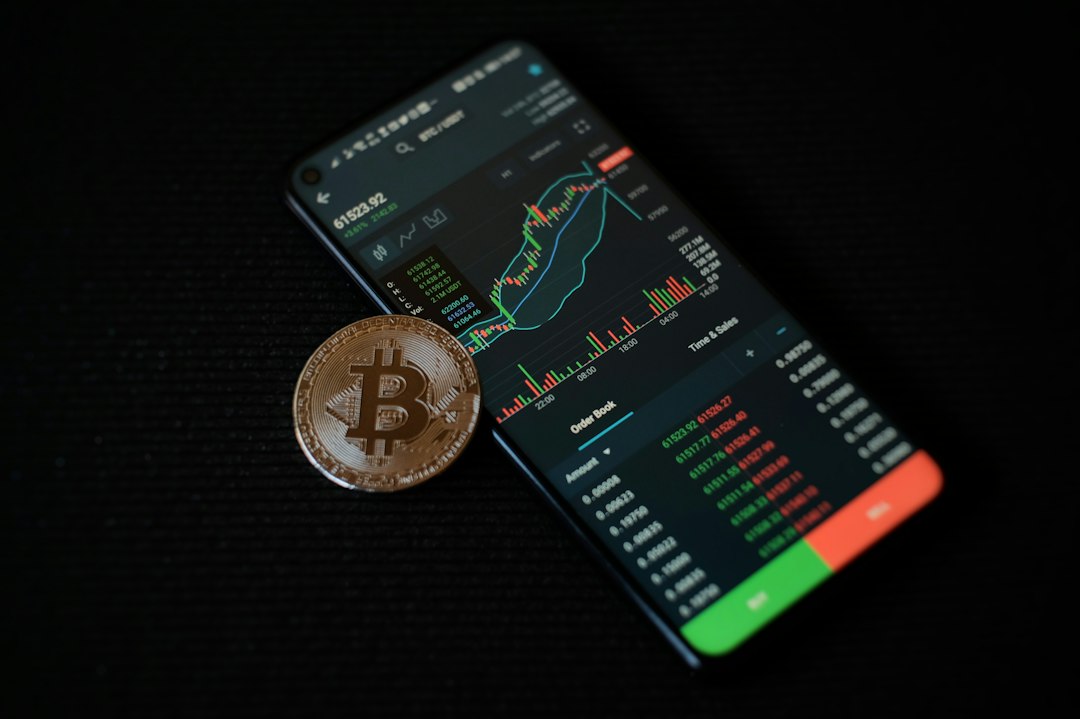
Additionally, investors interested in monitoring the XRP market trends may utilize popular **crypto trading platforms** like **Binance** or **Coinbase**. These platforms offer a variety of tools and analytics that can help investors track market movements and make informed decisions. For instance, Binance provides detailed charting capabilities and real-time market data, while Coinbase's user-friendly interface offers a simple way for investors to stay updated on price changes and trading volumes.
For those who prefer a more indirect exposure to cryptocurrencies, considering **exchange-traded funds (ETFs)** might be advantageous. Funds such as the **Bitwise 10 Crypto Index Fund (BITW)** and the **Grayscale Ethereum Trust (ETHE)** provide investors with a diversified way to gain exposure to the crypto market without the need to directly purchase and hold digital assets. BITW, for example, typically invests in a basket of cryptocurrencies, which may help reduce the risk associated with holding a single asset like XRP. Meanwhile, ETHE focuses on Ethereum, allowing investors to tap into the potential of this significant player in the crypto space.
Investors may evaluate these options based on their risk tolerance and investment goals, as each strategy offers distinct benefits and drawbacks. As market dynamics continue to evolve, maintaining a flexible approach may be key to navigating the complexities of the cryptocurrency landscape.
4. Important Considerations
Investors navigating the volatile world of cryptocurrency should consider several important factors before committing capital. One critical aspect is the tax implications associated with trading cryptocurrencies. Gains from these transactions are generally considered taxable events, and depending on the jurisdiction, they may be subject to capital gains tax. Investors could potentially face tax rates ranging from 15% to 20% for long-term holdings, while short-term gains may be taxed at ordinary income rates, which could be significantly higher, depending on individual tax brackets.
Another factor to evaluate is the transaction fees imposed by cryptocurrency exchanges. These fees can vary widely between platforms, often ranging from 0.1% to 1% per trade. For instance, prominent exchanges like Coinbase may charge fees up to 1.5% for smaller transactions, while others like Binance may offer lower fees around 0.1%. Investors should compare these costs, as high transaction fees could erode overall investment returns, particularly for frequent traders.
Moreover, the inherent market risks associated with cryptocurrencies demand careful consideration. Price fluctuations can be sudden and severe, influenced by market sentiment, regulatory news, or macroeconomic factors. For example, recent trends have shown that major cryptocurrencies like XRP (XRP-USD), Ethereum (ETH-USD), and Bitcoin (BTC-USD) can experience drops exceeding 15% within a week, potentially impacting an investor’s strategy. Therefore, a well-thought-out risk management plan is essential, which might include setting stop-loss orders or diversifying holdings to mitigate potential losses.
As investors evaluate these critical considerations, they may find it beneficial to conduct thorough research and remain vigilant about market dynamics. Understanding the complexities of taxation, transaction costs, and market volatility can help craft a more resilient investment strategy in the ever-evolving landscape of cryptocurrencies.
5. Conclusion
XRP (XRP-USD) has experienced a significant decline recently, falling 17% in a week, a sharper drop than other major cryptocurrencies such as Bitcoin (BTC-USD) and Ethereum (ETH-USD). This downturn may reflect a confluence of market dynamics, including heightened regulatory scrutiny and investor sentiment, particularly as inflationary pressures have led to increased speculation around Federal Reserve interest rate hikes. Such external factors can induce volatility, prompting traders to exit their positions in a bid to mitigate potential losses.
Investors should carefully assess their risk tolerance in light of these conditions. The cryptocurrency market tends to be highly speculative, with price fluctuations that can be significantly impacted by regulatory developments and macroeconomic trends. As seen in the recent forced selling triggered by inflation reports, market sentiment can shift rapidly, making it vital for investors to remain vigilant and informed about prevailing market conditions.
Furthermore, diversification can be an essential strategy for mitigating the inherent risks associated with investing in cryptocurrencies. By allocating capital across various asset classes, including stocks, bonds, and different cryptocurrencies, investors may reduce their exposure to the volatility that characterizes individual assets. For example, while XRP has faced significant headwinds, other digital assets or traditional investments could provide a buffer against adverse market movements.
- XRP's recent decline is influenced by market dynamics and regulatory challenges.
- Investors should assess their risk tolerance and market conditions before making decisions.
- Diversifying portfolios may help mitigate risks associated with cryptocurrency investments.
As the cryptocurrency landscape continues to evolve, monitoring economic indicators and regulatory developments will be crucial for investors. Staying informed about market trends and adjusting investment strategies accordingly could potentially yield better outcomes. Ultimately, conducting thorough research remains a vital component of navigating the complexities of the cryptocurrency market.
Disclaimer: This article was generated using AI technology and is for informational and educational purposes only. It does not constitute investment advice, recommendation, or solicitation. All investment decisions are solely the responsibility of the individual investor. Past performance does not guarantee future results. Investments involve significant risks, including the potential loss of principal. Before making any investment decisions, please conduct your own research and consult with qualified financial and tax professionals.