
What 7 Factors Boost Gold Prices in Today's Market

1. Why Consider the Factors Affecting Gold Prices
Investors may find it beneficial to consider the various factors affecting gold prices, especially given gold's reputation as a safe-haven asset. This perception tends to intensify during periods of economic uncertainty, such as market volatility, geopolitical tensions, or inflationary pressures. Understanding these dynamics can equip investors with the knowledge needed to navigate the complexities of the gold market.
One of the primary factors influencing gold prices is global economic conditions. When economic stability is threatened, demand for gold often increases as investors seek to hedge against potential losses in more volatile asset classes. Historical data shows that during significant downturns, gold prices may rise by as much as 20-30%, demonstrating its role as a protective investment.
Additionally, interest rates play a critical role in determining gold prices. Typically, when interest rates are low, the opportunity cost of holding gold diminishes, making it a more attractive investment. Conversely, higher interest rates may lead to decreased demand for gold, as investors may prefer interest-bearing assets. This inverse relationship often results in gold prices fluctuating within a range of 5-15% in response to changes in monetary policy.
Another influencing factor is currency fluctuations, particularly the strength of the United States dollar. Gold is usually priced in USD, meaning that a stronger dollar can lead to lower gold prices, while a weaker dollar may boost demand. For instance, a 1% decline in the dollar index could correspond to a potential increase in gold prices of approximately 1-2%.
Finally, geopolitical stability remains an essential consideration. Events such as conflicts, sanctions, or trade disputes can lead to increased uncertainty, prompting investors to turn to gold. As seen in previous crises, significant geopolitical events have often correlated with spikes in gold prices, reinforcing its appeal during turbulent times.
By recognizing these factors, investors can make more informed decisions regarding their gold investments. Understanding the interplay of economic indicators, interest rates, currency values, and geopolitical events can provide valuable insights into potential market movements.
Following this analysis of gold's price influences, it is pertinent to explore the broader implications of commodity market dynamics and the shifting roles of major market players.
2. Advantages and Disadvantages
Investors considering gold as an asset class may find it beneficial to weigh its potential advantages and disadvantages. Understanding these factors could provide a clearer picture of gold's role in a diversified portfolio.
2.1 Potential Advantages
- Hedge Against Inflation: Gold often acts as a safeguard during inflationary periods. As the purchasing power of currency declines, gold may retain its value, making it an appealing alternative for investors concerned about eroding wealth.
- Market Volatility Resilience: During times of market instability, gold tends to perform comparatively well. Its historical performance during economic downturns suggests that it can provide investors with greater security, potentially stabilizing a portfolio amid fluctuations.
- Portfolio Diversification: Including gold in an investment portfolio may enhance diversification. Typically, gold's price movements are less correlated with those of stocks and bonds, helping to mitigate risks associated with market downturns.
- Safe-Haven Asset: Gold is often viewed as a safe haven in times of geopolitical uncertainty. Investors may turn to gold during crises, which can lead to price appreciation as demand increases.
2.2 Potential Disadvantages
- No Income Generation: Unlike stocks or bonds, gold does not generate income through dividends or interest. This lack of cash flow can be a drawback for investors seeking regular income from their investments.
- Price Volatility: Gold prices can be highly volatile, influenced by external factors such as geopolitical tensions, changes in interest rates, and currency fluctuations. This volatility may pose risks for investors looking for stability.
- Storage and Insurance Costs: Investing in physical gold may incur additional costs related to storage and insurance. Investors must consider these potential expenditures, which can affect overall returns.
- Market Speculation: The gold market can be subject to speculation, leading to price bubbles. Investors may find it challenging to navigate these fluctuations, which can complicate the decision-making process.
As investors evaluate these advantages and disadvantages, they may better understand the potential role of gold in their investment strategy. This nuanced perspective is critical for making informed decisions in the ever-evolving landscape of finance and commodities.

3. Practical Options/Methods to Invest in Gold
Investors seeking to diversify their portfolios may consider several practical options for investing in gold, each with its own set of advantages and risks. One popular method is through gold exchange-traded funds (ETFs) such as SPDR Gold Shares (GLD) and iShares Gold Trust (IAU). These funds typically aim to track the price of gold, allowing investors to gain exposure to gold prices without the need to physically hold the metal. This could potentially provide liquidity, as ETFs are traded on exchanges like stocks, and they often have lower expense ratios compared to traditional mutual funds, generally around 0.4% to 0.75% annually.
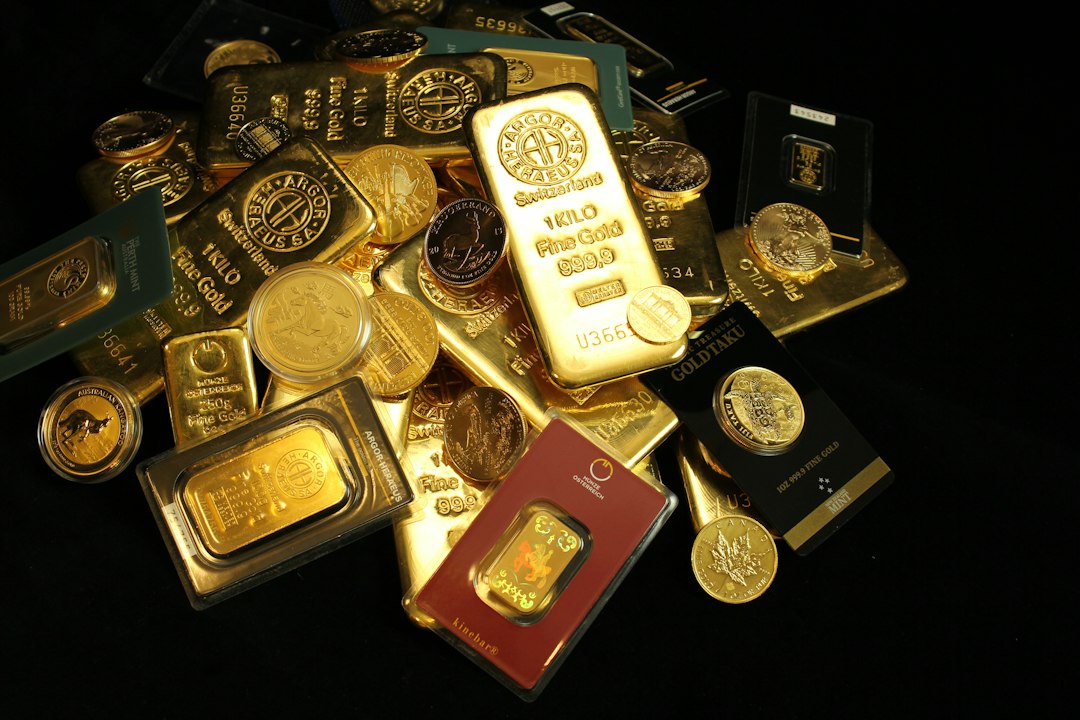
Another option for investors is purchasing physical gold in the form of coins or bars. This method offers a tangible asset that can be stored securely. However, investors should be aware of the associated costs, such as premiums over spot prices, storage fees, and insurance, which can range from 1% to 5% of the total investment. Additionally, liquidity may be a concern, as selling physical gold can require more time and effort compared to liquidating an ETF.
Investors may also consider gold mining stocks, such as Barrick Gold Corporation (GOLD), which provide indirect exposure to gold prices. Mining stocks tend to be more volatile than physical gold and gold ETFs, as their performance is influenced not only by gold prices but also by operational efficiencies, geopolitical risks, and production costs. The price-to-earnings (P/E) ratios for mining stocks can vary widely, often ranging from 10 to 25, depending on market conditions and company performance metrics.
By evaluating these investment methods, investors could potentially find a suitable approach that aligns with their risk tolerance and investment strategy. Each option presents unique characteristics that may appeal to different investor profiles, and understanding these nuances could enhance portfolio diversification.
4. Important Considerations
Investors considering gold investments should be acutely aware of the various tax implications that may arise, which can vary significantly by region. For instance, in some jurisdictions, gold may be classified as a collectible, incurring capital gains taxes that can reach rates of 28%, while other areas may impose lower capital gains rates on precious metals. Understanding the local tax landscape is crucial, as this can substantially affect the net returns on investment.
Additionally, transaction fees associated with buying and selling gold should not be overlooked. Typical fees can range from approximately 1% to 5% of the transaction value, depending on the dealer and the form of gold purchased, whether it be bullion, coins, or ETFs such as GLD (SPDR Gold Shares). These costs can accumulate, potentially eroding profits, particularly for investors who engage in frequent trading.
Furthermore, it is essential for investors to comprehend the inherent risks involved in gold investments. Market fluctuations can be significant; for example, gold prices may swing by 10% or more within a short time frame due to macroeconomic factors, geopolitical events, or changes in supply and demand dynamics. This volatility may lead to unexpected losses if an investor is not adequately prepared.
Liquidity issues can also pose a challenge. While gold is generally considered a liquid asset, the actual ease of selling may depend on the form of the investment. For instance, physical gold may take longer to sell compared to gold ETFs, which tend to offer better liquidity. Investors must consider these factors when planning their investment strategy, as they could potentially impact their ability to realize gains or mitigate losses in a timely manner.
Understanding these important considerations will help investors navigate the complexities of gold investments more effectively as they look to incorporate this asset into their broader investment portfolio.
5. Conclusion
In summary, understanding the factors that drive gold prices can significantly enhance investment strategies for investors. Gold prices tend to be influenced by various elements, including inflation rates, interest rates, and geopolitical tensions. For instance, a rise in inflation typically leads to increased demand for gold as a hedge, potentially resulting in higher prices. Similarly, when interest rates are low, the opportunity cost of holding non-yielding assets like gold diminishes, which may further bolster its appeal.
Investors may consider diversifying their portfolios with gold, as it has historically shown a negative correlation with equity markets, particularly during periods of economic uncertainty. This diversification could potentially reduce overall portfolio volatility. However, it is crucial to remain mindful of the associated risks and costs. For example, while gold can serve as a safe haven, it may also be subject to significant price fluctuations, which could result in losses. Additionally, costs related to storage and insurance can impact the overall return on investment.
To capitalize on gold price movements, investors might take action by researching and exploring various investment methods. These could include direct investments in physical gold, such as bullion or coins, or investing in gold-related securities like the GLD (SPDR Gold Shares) exchange-traded fund. Another option could be to engage in gold mining stocks, such as GDX (VanEck Vectors Gold Miners ETF), which may offer exposure to the underlying commodity while also reflecting the operational efficiencies of the companies involved.
In conclusion, as market dynamics evolve, investors should continuously monitor the conditions that influence gold prices. Engaging in thorough research and staying informed about global economic trends can assist in making educated investment decisions in this complex arena.
Disclaimer: This article was generated using AI technology and is for informational and educational purposes only. It does not constitute investment advice, recommendation, or solicitation. All investment decisions are solely the responsibility of the individual investor. Past performance does not guarantee future results. Investments involve significant risks, including the potential loss of principal. Before making any investment decisions, please conduct your own research and consult with qualified financial and tax professionals.