
What AI Chip Innovations Are Shaping Data Center Futures?

1. Why Consider AI Chip Innovations
Investors may find it essential to understand the pivotal role of AI chips in modern data centers. These specialized semiconductor devices are engineered to handle the extensive computational needs associated with artificial intelligence applications. Unlike traditional CPUs, which are designed for general-purpose processing, AI chips, such as Graphics Processing Units (GPUs) and Tensors Processing Units (TPUs), are optimized for parallel processing and can execute multiple operations simultaneously. This characteristic makes them particularly valuable in data-intensive environments, where tasks such as machine learning and deep learning require substantial computational power.
The rapid growth of AI applications significantly influences the computing requirements of contemporary data centers. As organizations increasingly adopt AI technologies, the demand for processing capacity is escalating, potentially outpacing current supply. For example, it is estimated that AI workloads may require up to 10 times the computational resources compared to traditional computing methods, leading to a surge in the deployment of AI chips. This intensifying demand may create opportunities for companies that develop or manufacture these chips.
In this competitive landscape, key players like Nvidia Corporation (NVDA), Advanced Micro Devices, Inc. (AMD), and Intel Corporation (INTC) are vying for market dominance. Nvidia, for instance, has recently expanded its influence beyond GPUs into critical infrastructure that supports AI operations, such as electrical and cooling systems. Meanwhile, AMD is positioning itself as a rival worth watching, especially as the market for AI chips continues to evolve. Intel, having divested from Altera, is also seeking to re-establish its relevance in the field of programmable chips, which could gain traction in AI applications.
However, as the AI data center boom progresses, some experts caution that the compute demand may be overstated. Concerns have been raised about potential overcapacity and whether the current investments in AI infrastructure might not yield the anticipated returns. Investors should consider these dynamics as they evaluate opportunities within the AI chip market and the broader technology sector.
2. Advantages and Disadvantages
As the landscape of artificial intelligence (AI) computing continues to evolve, investors may find it beneficial to analyze the potential advantages and disadvantages associated with advanced AI chip technologies, especially in light of recent market developments.
2.1 Potential Advantages
- Enhanced Computational Power: Advanced AI chips tend to offer significantly improved computational capabilities, which can lead to faster data processing and analysis. This increased power may allow companies to execute complex algorithms more efficiently, potentially resulting in quicker insights and better decision-making.
- Increased Efficiency in Energy Consumption: Compared to traditional chips, advanced AI chip technologies may provide greater energy efficiency, with some reports indicating improvements of up to 20-30%. This could not only reduce operational costs but also contribute to sustainability efforts within data centers.
- Scalability Options: Investors may recognize that advanced AI chip technologies offer scalability options for data centers, enabling them to accommodate growing AI workloads. This flexibility is crucial as the demand for AI applications continues to rise, allowing firms to expand their capabilities without overhauling existing infrastructure.
2.2 Potential Disadvantages
- High Initial Investment Costs: The adoption of advanced AI chip technologies often comes with high initial costs. Investors should note that businesses may face expenditures amounting to millions of dollars for infrastructure upgrades, which could impact short-term financial health.
- Potential Overcapacity: As highlighted by industry experts, there is a risk of potential overcapacity in AI computing resources. Companies might invest in more computational power than necessary, leading to underutilized assets and jeopardizing financial viability.
- Dependence on Specific Vendors: Firms may find themselves reliant on specific vendors, such as Nvidia Corporation (NVDA), for critical infrastructure. This dependence could pose risks if market dynamics shift or if alternative technologies emerge, potentially limiting flexibility and bargaining power.
Understanding these potential advantages and disadvantages will enable investors to make informed decisions as they navigate the complexities of the AI chip market.
3. Practical Options/Methods
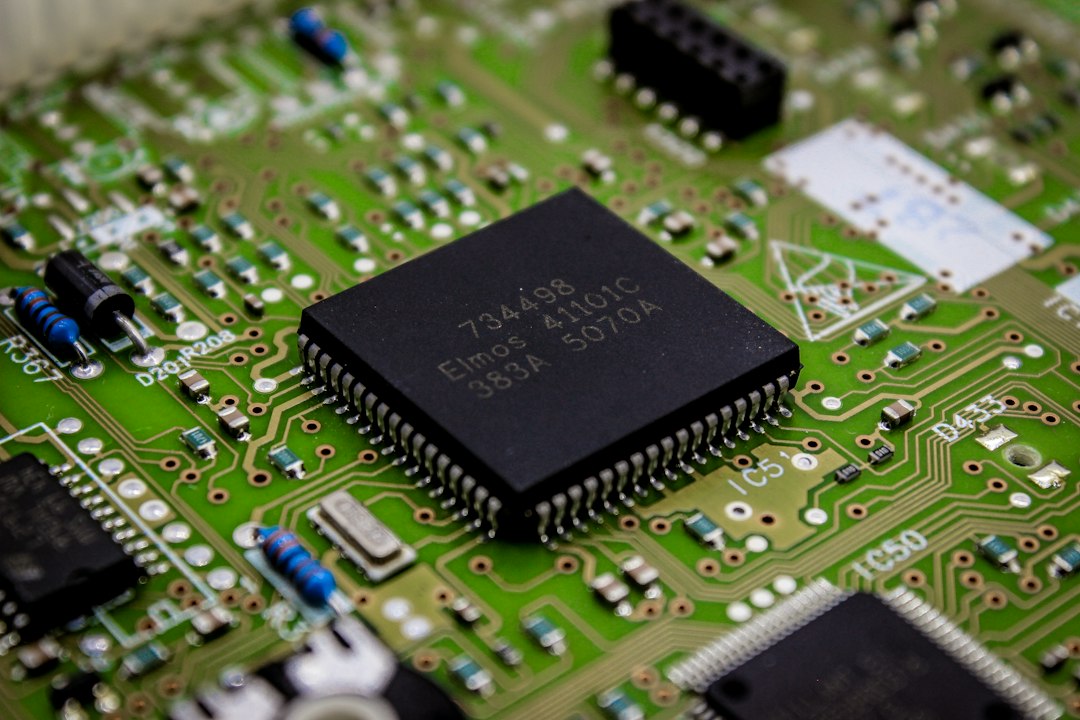
Investors may find the landscape of AI chip solutions increasingly complex yet promising. Among the leading hardware offerings are Nvidia's Graphics Processing Units (GPUs) and AMD's EPYC processors. Nvidia's GPUs have become synonymous with advanced AI applications, boasting capabilities that deliver performance improvements ranging from 20% to 30% in certain workloads compared to previous generations. Meanwhile, AMD's EPYC processors may offer competitive pricing and efficiency, appealing to budget-conscious companies or those looking to optimize their data center operations.
Another avenue for exposure is through Exchange-Traded Funds (ETFs) that concentrate on the AI and semiconductor sectors. For instance, the Global X Robotics & Artificial Intelligence ETF (BOTZ) could provide diversified exposure to companies engaged in AI development and robotics, potentially yielding returns that align with the growth of these industries. ETFs often have lower expense ratios, typically ranging between 0.4% to 0.75%, making them an attractive option for investors looking to minimize costs while gaining sector exposure.
Additionally, leveraging cloud platforms like Amazon Web Services (AWS) and Google Cloud can enable companies to run AI workloads without incurring heavy upfront investments in hardware. This model allows organizations to scale their computing power according to demand, potentially reducing costs by 20% to 30% compared to maintaining on-premises data centers.
Several companies have successfully integrated AI chips into their data centers, showcasing the effectiveness of such solutions. For example, companies that have adopted Nvidia's advanced GPU infrastructure have reported improvements in processing speeds that can exceed 50%, significantly enhancing their data analytics capabilities. Similarly, enterprises utilizing AMD's EPYC processors have noted lower total cost of ownership (TCO), with cost savings of around 10% to 15% when compared to competing solutions.
As the AI landscape continues to evolve, investors may want to monitor these developments closely to identify potential opportunities for growth and innovation in the sector.
4. Important Considerations
When considering investments in AI technologies, investors may find it essential to assess the total cost of ownership (TCO). This encompasses not only the upfront costs associated with hardware and software but also the ongoing expenses related to maintenance. TCO can vary significantly, with estimates suggesting that maintenance alone can account for approximately 15-20% of the total expenditure over the lifespan of AI systems. Moreover, software licensing fees may add an additional 10-15% to the overall costs, indicating that the financial implications of AI deployment are more complex than initial investments might suggest.
Another critical consideration for investors is the risk of vendor lock-in. This scenario occurs when organizations become overly reliant on a single vendor's ecosystem, which can restrict flexibility and increase costs over time. Such dependency might limit an organization's ability to switch providers or adopt new technologies, which could be detrimental in a rapidly evolving landscape. The implications of vendor lock-in can lead to increased operational risks and potentially higher costs, making it a vital factor for investors to evaluate.
Regulatory frameworks surrounding AI technologies and data privacy also warrant careful examination. Investors may need to consider how compliance with regulations, such as the General Data Protection Regulation (GDPR), could impact operational costs and strategies. The potential for regulatory changes could introduce additional complexities that affect the overall viability of AI investments.
Finally, the need for skilled personnel to manage and optimize AI chip deployments could be a significant factor in the success of these technologies. A shortage of qualified professionals in this area may lead to increased labor costs and could hinder the effective implementation of AI solutions. Research indicates that companies may need to allocate approximately 20% of their project budgets to training and hiring efforts to ensure the right talent is in place.
As investors navigate the multifaceted landscape of AI investments, understanding these important considerations may provide a more comprehensive view of potential opportunities and risks in the market.
5. Conclusion
The recent advancements in AI chip innovations are poised to significantly transform the landscape of data centers, potentially altering how businesses approach computing power and efficiency. As highlighted by various industry developments, such as Pat Gelsinger's backing of a startup aimed at addressing the bottlenecks in data processing, it is clear that the focus is shifting beyond mere computational power to include the entire data pipeline. This shift could lead to a more integrated approach in AI data center architecture, enhancing overall performance and reducing latency.
Moreover, the influence of major players like Nvidia, which has expanded its offerings to include electrical and cooling solutions critical for AI data center operations, underscores the growing importance of holistic infrastructure in supporting AI technologies. Investors may find it noteworthy that companies are not solely competing in the realm of processing units but are also investing in the foundational elements that enable effective AI deployment.
However, caution is warranted, as some industry experts suggest that the current demand for computational power may be overstated. For instance, Tyler Saltsman, CEO of EdgeRunner AI, has indicated that the level of compute being built might be excessive, labeling it as potentially "overkill." This observation raises questions about sustainability and return on investment in the AI sector, with some analysts drawing parallels to past market bubbles.
- Investors should consider the potential for innovation in both the semiconductor and AI sectors, as companies like Intel Corporation (INTC) and Advanced Micro Devices, Inc. (AMD) may be set to benefit from increased interest in programmable chips.
- Staying informed about market trends and emerging technologies is crucial, as the dynamics of the AI landscape continue to evolve.
- Investors may view the current environment as ripe for exploring opportunities in AI and semiconductor investments, potentially capitalizing on future growth trajectories.
In conclusion, the transformative impact of AI chip innovations on data centers is significant, with potential implications for efficiency, architecture, and investment opportunities. Investors are encouraged to monitor these developments closely and conduct their own research to make informed decisions in this rapidly changing market.
Disclaimer: This article was generated using AI technology and is for informational and educational purposes only. It does not constitute investment advice, recommendation, or solicitation. All investment decisions are solely the responsibility of the individual investor. Past performance does not guarantee future results. Investments involve significant risks, including the potential loss of principal. Before making any investment decisions, please conduct your own research and consult with qualified financial and tax professionals.