
What Drives Gold and Silver Prices Higher Today?

1. Why Consider Gold and Silver Prices
Investors may find it beneficial to consider the prices of gold and silver, as understanding the factors that influence these precious metals can guide investment decisions. Historically, gold and silver are viewed as safe-haven assets during periods of economic uncertainty or market volatility. This perception is often rooted in their intrinsic value, which tends to remain stable when other investments falter.
Several key factors can influence the prices of these metals. For instance, geopolitical tensions, such as ongoing conflicts in the Middle East, may lead investors to seek refuge in gold and silver, driving their prices higher. Recent trends have shown that gold prices can surge by approximately 3% in a single day, particularly during periods of heightened market anxiety or declining confidence in other asset classes. Similarly, silver often follows suit, as its price movements tend to correlate with gold, albeit with greater volatility.
The relationship between interest rates and precious metals is another critical aspect for investors to consider. When central banks, such as the Federal Reserve, signal potential interest rate hikes, the opportunity cost of holding non-yielding assets like gold and silver increases. However, in a low-interest-rate environment, these metals may be more appealing, as their prices could appreciate due to increased demand from investors seeking to hedge against inflation.
- Market Volatility: Precious metals may attract investors during turbulent times.
- Geopolitical Stability: Tensions in various regions may prompt a shift towards gold and silver.
- Inflation Hedging: Investors might look to precious metals as a safeguard against inflationary pressures.
As the markets fluctuate, investors may consider the dynamics of gold and silver prices as part of a diversified investment strategy. With ongoing recovery trends in these metals, understanding their movements could potentially yield gains for those looking to mitigate risk in their portfolios.
Transitioning from the realm of precious metals, it is also important for investors to keep an eye on commodity markets, particularly as the dynamics surrounding oil prices evolve in response to global events.
2. Advantages and Disadvantages
Investors considering the role of precious metals in their portfolios may benefit from understanding both the potential advantages and disadvantages of gold and silver as investment vehicles. These metals often attract attention during periods of economic uncertainty and inflationary pressure.
2.1 Potential Advantages
- Hedge Against Inflation: Gold and silver can act as a safeguard against inflation, as their prices tend to rise when the purchasing power of currency declines. Historically, gold has appreciated at an annual rate of approximately 10-15% during high inflation periods.
- Value Retention: These metals often retain their value during economic downturns, providing a level of stability for investors. For instance, during the 2008 financial crisis, gold prices surged by around 25%, while many equities faced significant losses.
- Diversification: Including gold and silver in an investment portfolio can enhance diversification. Precious metals typically have a low correlation with stocks and bonds, which may help mitigate overall portfolio risk during market volatility.
- Tangible Assets: Investing in physical gold and silver provides the advantage of holding tangible assets. In times of systemic financial crises, investors may prefer assets they can physically possess rather than digital or paper assets.
2.2 Potential Disadvantages
- Price Volatility: Prices of gold and silver can be highly volatile, influenced by external factors such as geopolitical events, which can lead to rapid price fluctuations. For example, gold prices may swing by 3-5% within a single trading session based on market sentiment or news events.
- Storage and Insurance Costs: Investing in physical metals requires secure storage and insurance. The costs associated with storing gold and silver can erode potential profits, particularly if the investor does not have access to low-cost storage solutions.
- No Income Generation: Unlike stocks or bonds, gold and silver do not generate income in the form of dividends or interest. Investors must rely solely on price appreciation for any returns, which could limit their overall investment strategy.
- Market Manipulation Risks: The precious metals markets can be susceptible to manipulation. Investors may need to be aware of potential irregularities and fraudulent schemes that can arise, particularly during periods of heightened market activity.
As investors weigh the merits of gold and silver against other assets, understanding these advantages and disadvantages could potentially guide their investment decisions in an increasingly complex financial landscape.
3. Practical Options/Methods
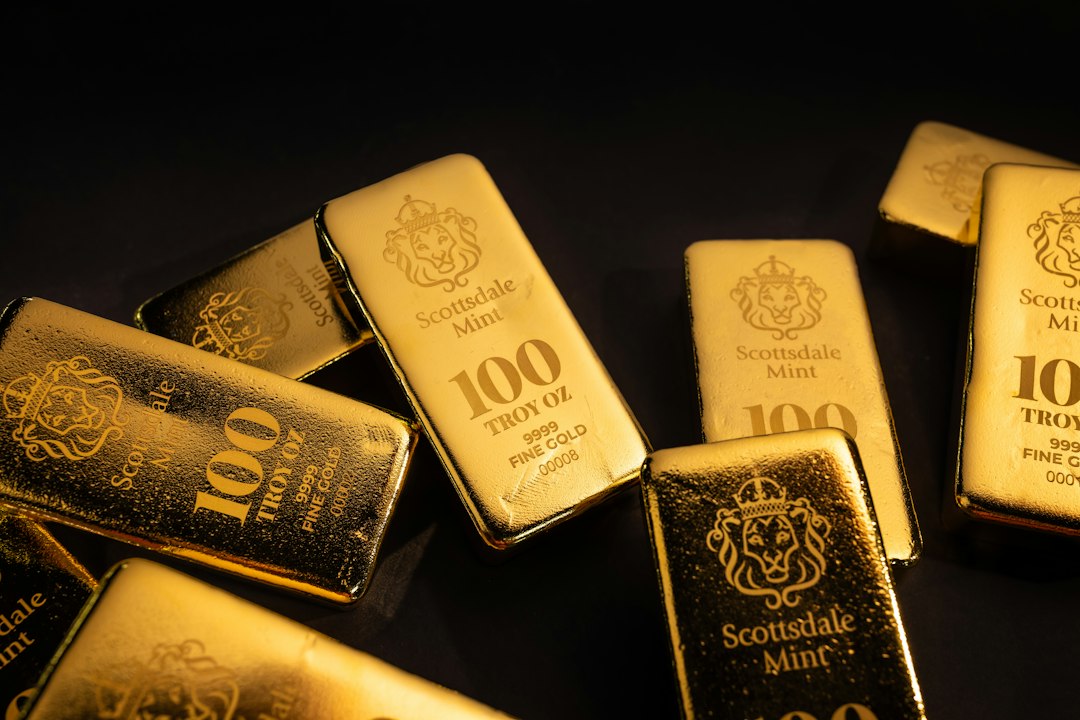
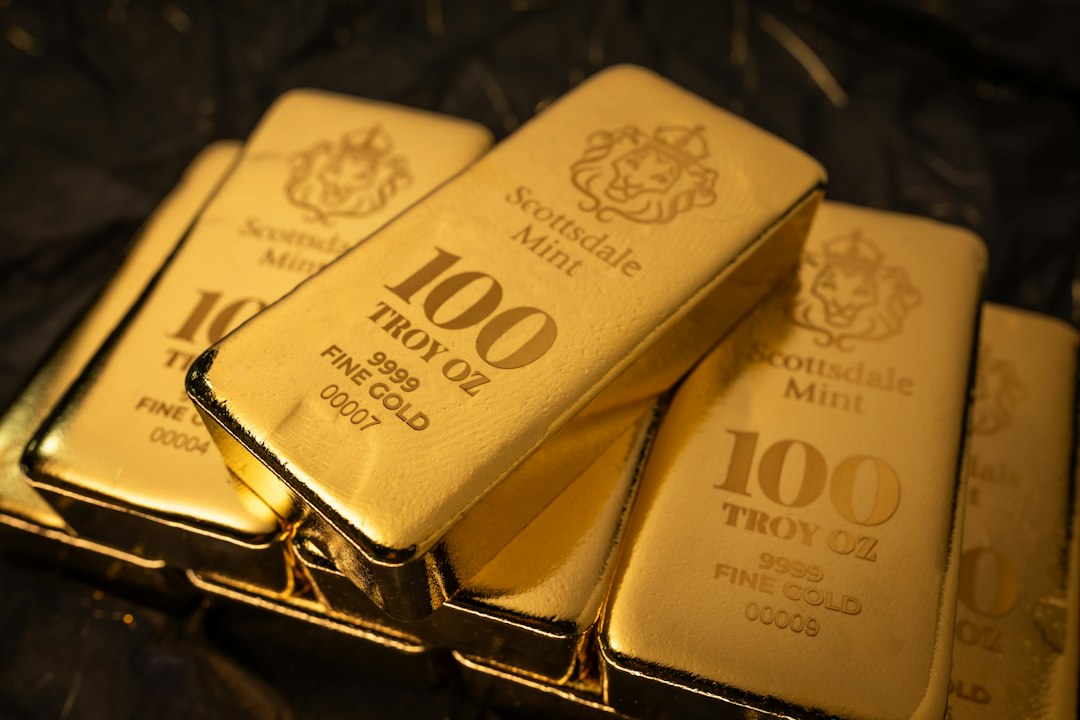
Investors seeking exposure to precious metals may consider several practical options for investing in gold and silver, particularly in the context of recent price rallies. The first method involves investing directly in physical gold and silver, such as coins and bars. While this route may offer tangible assets, it also comes with considerations, including storage costs and liquidity challenges. Investors may find that premiums on physical products can range from approximately 5% to 15%, depending on market conditions and specific products.
Another method that investors might explore is the utilization of Exchange-Traded Funds (ETFs) such as GLD (SPDR Gold Shares) and SLV (iShares Silver Trust). These ETFs provide an easier trading mechanism and typically reflect the performance of their underlying commodities. For instance, GLD aims to track the price of gold bullion, while SLV does the same for silver. Investors may appreciate the liquidity that these funds offer, as they can be bought and sold on the stock exchange throughout the trading day, often with expense ratios around 0.40% for GLD and 0.50% for SLV.
Additionally, investors might consider exploring mining stocks or mutual funds focused on precious metals. Investing in companies that mine gold and silver can potentially yield higher returns, as these stocks may amplify the effects of rising commodity prices. For example, companies like Barrick Gold Corporation (GOLD) or Newmont Corporation (NEM) could see their stock prices increase significantly as gold prices rise. However, investors should be aware that mining stocks also carry risks associated with operational issues and market volatility, which may not be present in direct commodity investments.
In summary, while the options for investing in precious metals are varied, each method has its own set of advantages and potential drawbacks. Investors may want to carefully evaluate their risk tolerance, investment goals, and market conditions before making a decision on how to proceed.
4. Important Considerations
In the context of investing in precious metals like gold and silver, there are several important considerations that investors should take into account to make informed decisions. One significant aspect is the potential tax implications associated with capital gains on sales. In many jurisdictions, profits derived from the sale of precious metals may be subject to capital gains tax, which can range from 15% to 20% depending on the investor's income bracket and holding period. Investors should consult with a tax professional to understand how these taxes could affect their overall return on investment.
Another critical factor to consider is the transaction fees incurred when buying and selling metals or exchange-traded funds (ETFs) that track these commodities. These fees can vary widely, typically ranging from 1% to 3% of the transaction value for physical metals, while ETFs, like GLD (SPDR Gold Shares) or SLV (iShares Silver Trust), may charge annual management fees of around 0.40% to 0.50%. Understanding these costs is essential, as they can significantly impact the net gains from investment activities.
Moreover, investors should evaluate the risks associated with their investments in precious metals, including market fluctuations and geopolitical tensions. The prices of gold and silver tend to be highly volatile, influenced by various factors such as changes in interest rates, inflationary pressures, and global events. For instance, ongoing conflicts in regions like the Middle East can lead to increased uncertainty, which may drive investors toward safe-haven assets like gold. However, this can also result in sharp price corrections as market sentiment shifts. Investors may want to monitor these geopolitical developments closely, as they could potentially influence the stability and performance of their investments.
Ultimately, by understanding these key considerations—tax implications, transaction costs, and market risks—investors may better position themselves to navigate the complexities of investing in precious metals and other commodities.
5. Conclusion
In conclusion, the prices of gold and silver are influenced by a complex interplay of economic and geopolitical factors. Recent trends indicate that precious metals have shown resilience, with gold prices surging approximately 3% as sentiment shifts amid fluctuating market conditions. This volatility could be attributed to various elements, including expectations surrounding Federal Reserve interest rate hikes and ongoing geopolitical tensions, such as conflicts in the Middle East.
Investors may want to carefully weigh the potential advantages and disadvantages of incorporating precious metals into their portfolios. On one hand, gold and silver can serve as a hedge against inflation and currency devaluation, often maintaining value during economic downturns. On the other hand, these assets may not yield the same level of returns as equities over the long term, with historical averages showing that stocks can outperform precious metals by a significant margin, typically in the range of 6-10% annually.
- Advantages: Gold and silver can provide diversification, liquidity, and act as a safe haven during market volatility.
- Disadvantages: They may incur storage costs, possess limited growth potential compared to stocks, and can be subject to significant price swings.
As the market landscape continues to evolve, it becomes imperative for investors to monitor conditions closely. Understanding the dynamics that influence gold and silver prices could potentially yield gains, but it requires diligence and careful analysis. Investors are encouraged to conduct their own research and consult with a financial advisor to determine if incorporating precious metals aligns with their investment strategy and risk tolerance.
Disclaimer: This article was generated using AI technology and is for informational and educational purposes only. It does not constitute investment advice, recommendation, or solicitation. All investment decisions are solely the responsibility of the individual investor. Past performance does not guarantee future results. Investments involve significant risks, including the potential loss of principal. Before making any investment decisions, please conduct your own research and consult with qualified financial and tax professionals.