
What Drives Gold and Silver to Record Highs?

1. Introduction/Why this topic matters
Gold and silver have historically been viewed as safe-haven assets, particularly during periods of economic uncertainty and market volatility. Investors may turn to these precious metals as a means of preserving wealth, as they tend to maintain intrinsic value when other assets may be declining. This characteristic is particularly relevant in the current economic climate, where geopolitical tensions and fluctuating interest rates can create a sense of unease among market participants.
Understanding the factors that drive the prices of gold and silver is essential for investors looking to navigate these markets effectively. Key drivers include inflation rates, currency strength, and interest rates. For instance, when inflation rises, the purchasing power of currency declines, leading many investors to seek the stability offered by gold and silver. Similarly, lower interest rates may reduce the opportunity cost of holding non-yielding assets like precious metals, potentially supporting higher prices.
Recent market trends indicate a renewed interest in precious metals, as evidenced by significant price movements. For example, gold has surged over 2% recently, reaching record levels around $4,475 per ounce. In contrast, Bitcoin has struggled to maintain momentum, hovering near $88,000, which suggests that investors may be reallocating capital toward traditional safe havens like gold and silver. This shift could potentially reflect a broader trend where market participants are prioritizing stability over the volatility typically associated with cryptocurrencies.
As investors evaluate their portfolios, it is crucial to consider the potential role of gold and silver in hedging against economic uncertainty. By analyzing historical performance and current market conditions, investors can make more informed decisions regarding the allocation of their assets. This analysis may reveal that diversifying into precious metals could help mitigate risks associated with other investments, particularly in an unpredictable financial environment.
In the following section, we will explore the potential advantages and disadvantages of investing in gold and silver, providing insights that may assist investors in their decision-making processes.
2. Advantages and Disadvantages
Investors considering the inclusion of precious metals in their portfolios may find it useful to weigh the potential advantages and disadvantages associated with gold and silver. These metals can play significant roles in a diversified investment strategy.
2.1 Potential Advantages
- Hedge Against Inflation: Gold and silver tend to retain their value during periods of inflation, making them attractive options for investors looking to protect purchasing power. Historically, gold has appreciated approximately 10-15% during inflationary periods.
- Inversely Correlated with Stock Market: Precious metals often exhibit an inverse relationship with stock market performance. This means that when equities decline, gold and silver prices may rise, providing a form of diversification that can mitigate overall portfolio risk.
- Safe Haven Asset: During times of geopolitical instability or economic uncertainty, investors may flock to gold and silver as safe-haven assets. This demand can lead to price appreciation, as seen during market downturns when these metals often outperform equities.
- Low Correlation with Other Assets: Gold and silver typically have a low correlation with traditional asset classes like stocks and bonds. This characteristic allows investors to potentially enhance portfolio returns while reducing volatility, as these metals may not move in tandem with the broader market.
2.2 Potential Disadvantages
- No Income Generation: Unlike stocks or bonds, precious metals do not generate income in the form of dividends or interest payments. This could be a drawback for income-focused investors, as the only potential return is through price appreciation.
- High Price Volatility: The prices of gold and silver can be highly volatile, influenced by factors such as market speculation, currency fluctuations, and global economic conditions. Investors may experience significant price swings, which can pose risks to capital.
- Storage and Security Costs: Holding physical gold and silver may incur storage and insurance costs. These additional expenses can diminish overall returns, particularly for investors who opt for tangible assets rather than securities or ETFs.
- Market Sentiment Influence: Precious metals prices can be heavily influenced by market sentiment and speculative trading. Sudden shifts in investor perception can lead to rapid price changes, which may not always reflect underlying fundamentals.
In conclusion, while gold and silver offer potential advantages such as inflation hedging and diversification, they also come with disadvantages that investors must consider. Understanding the mechanisms at play can help in making informed decisions regarding the inclusion of these assets in a broader investment strategy.
3. Practical options/methods
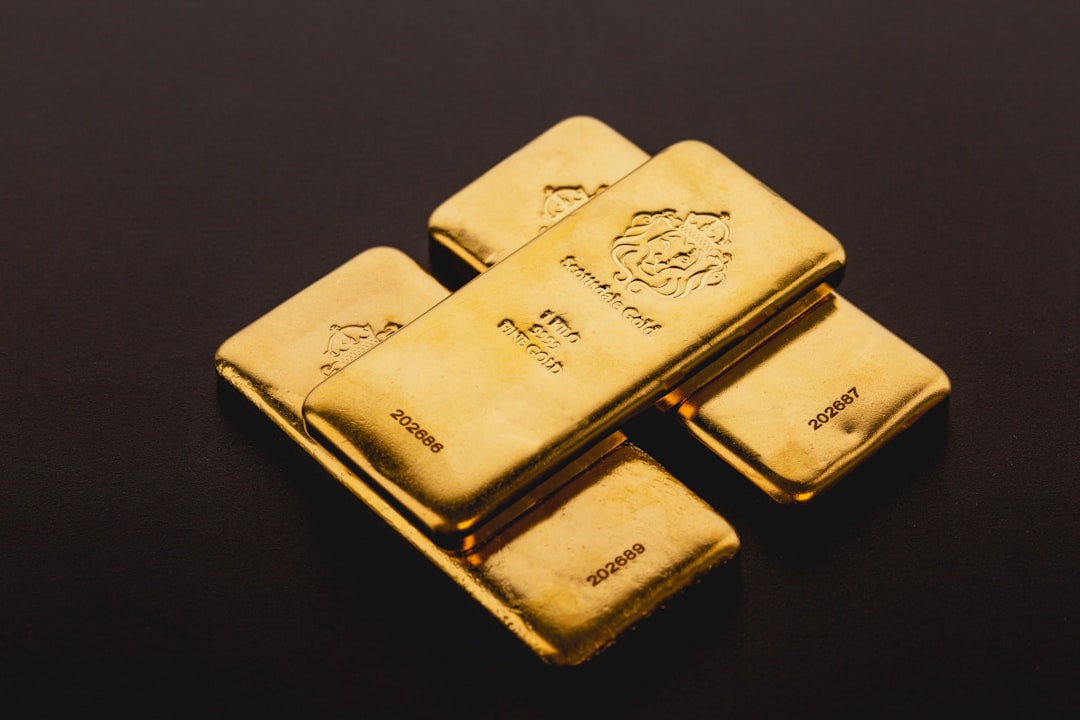
Investors may consider various practical options for gaining exposure to precious metals like gold and silver, particularly in light of recent market trends and heightened interest in safe-haven assets. One of the most straightforward methods is purchasing physical gold and silver, which can be acquired in the form of coins or bars. This approach typically allows for direct ownership and can serve as a hedge against inflation or economic instability. However, it's essential to consider the associated costs, including premiums over spot prices, which may range from 3% to 10% depending on the form and supplier.
Alternatively, Exchange-Traded Funds (ETFs) such as GLD (SPDR Gold Shares) and SLV (iShares Silver Trust) provide a way to invest in these metals without the need for physical storage. These funds tend to closely track the price of their underlying assets and are generally more liquid than physical holdings. Investors may find that the expense ratios for these ETFs are relatively low, typically around 0.40% to 0.50%, making them an attractive option for those seeking exposure without the logistics of physical ownership.
Another method that investors might explore is trading futures contracts on platforms such as the Chicago Mercantile Exchange (CME). This approach can potentially allow for leveraged investments, enabling participants to control a larger position with a smaller amount of capital. Futures contracts, however, come with increased risk and complexity, as they require careful monitoring of market conditions and margin requirements, which may range from 5% to 10% of the contract value.
In conclusion, while each investment method presents unique advantages and risks, investors may benefit from considering their individual risk tolerance, investment horizon, and financial goals. Understanding these mechanisms could help in making informed decisions regarding the inclusion of precious metals in an investment portfolio.
4. Important considerations
Investors considering the sale of precious metals should be aware of the tax implications associated with such transactions. In many jurisdictions, profits from the sale of gold and silver are subject to capital gains tax, which can range from approximately 15% to 20%, depending on the holding period and local tax laws. Investors may find it beneficial to consult a tax professional to understand the specific regulations that apply to their circumstances and to explore strategies that could potentially minimize their tax liability.
Another consideration for investors in physical gold and silver is the potential for storage fees. Storing precious metals securely may involve costs that typically range from 0.5% to 1.5% of the asset's value annually. Investors might choose between personal storage solutions or utilizing third-party vaulting services, each of which can carry different costs and security levels. It is advisable for investors to weigh these storage options against the value of their holdings, as fees can erode overall returns if not properly managed.
Market risks also play a significant role in the precious metals landscape. Investors should be aware that geopolitical events, such as tensions between nations or significant political changes, can lead to sudden price fluctuations. For example, gold often tends to rally during periods of uncertainty, while silver may respond differently based on industrial demand. Additionally, changes in interest rates can significantly impact precious metal prices. When interest rates rise, the opportunity cost of holding non-yielding assets like gold and silver increases, potentially leading to price declines. Conversely, when rates are cut or remain low, investors may seek refuge in these metals, driving prices higher.
Understanding these critical considerations can equip investors with the knowledge to navigate the complexities of investing in precious metals effectively. As they assess their strategies, it is essential to remain informed about the broader economic landscape and its implications for their investment choices.

5. Conclusion
In conclusion, the dynamics of gold and silver prices are influenced by a multitude of factors, including economic indicators and prevailing market sentiment. Recent trends have illustrated how fluctuations in interest rates and investor confidence can significantly impact the valuation of these precious metals. For instance, as interest rate cut expectations rise, gold and silver often experience upward price momentum, which can be seen in their recent record highs.
Investing in gold and silver can provide a potential hedge against inflation and economic uncertainty. Historically, these metals have shown a tendency to retain value during market downturns, making them attractive options for portfolio diversification. Investors may consider that having 5-10% of their portfolio in precious metals could potentially mitigate risks associated with equities and other asset classes, particularly in volatile market conditions.
Before making any investment decisions, it is crucial for investors to carefully evaluate their financial goals and the current market landscape. They should assess factors such as inflation rates, currency fluctuations, and geopolitical tensions, as these can significantly influence the performance of gold and silver. Moreover, with various investment vehicles available, such as ETFs like GLD (SPDR Gold Shares) and SLV (iShares Silver Trust), investors might find opportunities that align with their strategies.
Ultimately, while gold and silver can serve as valuable components in an investment portfolio, ongoing monitoring of market conditions and economic indicators is essential. Investors are encouraged to conduct their own research to better understand the implications of their investment choices in the context of broader financial trends.
Disclaimer: This article was generated using AI technology and is for informational and educational purposes only. It does not constitute investment advice, recommendation, or solicitation. All investment decisions are solely the responsibility of the individual investor. Past performance does not guarantee future results. Investments involve significant risks, including the potential loss of principal. Before making any investment decisions, please conduct your own research and consult with qualified financial and tax professionals.