
What Drives Gold Prices in Today's Market?

1. Why Consider Gold Prices
Gold has long been regarded as a **safe haven asset**, particularly during periods of economic uncertainty. Investors may turn to gold when faced with market volatility, inflationary pressures, or geopolitical tensions, as its intrinsic value tends to remain stable or even appreciate in such environments. Historically, gold prices have demonstrated a tendency to move inversely to stock market performance; for instance, during significant downturns in equity markets, gold often sees a spike in demand, driving prices higher. This behavior underscores the importance of understanding gold price dynamics for investors and traders alike.
To effectively navigate the complexities of gold investing, one must consider several factors influencing its price. **Supply and demand fundamentals** play a critical role; gold mining production typically accounts for approximately 2,500 metric tons annually, while demand from various sectors—such as jewelry, technology, and investment—can fluctuate widely. In recent years, investment demand has surged, particularly as central banks around the world have increased their gold reserves, which may contribute to upward pressure on prices.
Additionally, gold prices are often influenced by **macroeconomic indicators**, including interest rates and inflation. For example, when **real interest rates** (nominal rates adjusted for inflation) are low or negative, the opportunity cost of holding gold diminishes, making it a more attractive option for investors. Typically, when real interest rates fall below 1%, gold prices may rise as investors seek to protect their purchasing power.
As illustrated by recent developments in the financial markets, such as the fluctuations in Treasury yields and their impact on gold and equity markets, investors may find it beneficial to closely monitor these dynamics. Understanding how various economic indicators interact can provide valuable insights into potential price movements in gold, thereby aiding in informed investment decisions.
In the context of gold investments, the exploration of specific mining stocks or ETFs may present additional opportunities for growth. For instance, investors could consider options like **GDX (VanEck Vectors Gold Miners ETF)** or **IAU (iShares Gold Trust)** as part of a diversified strategy to gain exposure to gold's price movements while managing potential risks.
With an understanding of these mechanisms, investors may be better equipped to assess the potential advantages and risks associated with gold investing, particularly in the current economic climate.
2. Advantages and Disadvantages
Investors considering gold as an asset within their portfolios may find it helpful to weigh the potential advantages and disadvantages associated with this precious metal. Understanding these factors can provide insight into gold's role in financial strategies, particularly in turbulent economic climates.
2.1 Potential Advantages
- Hedge Against Inflation: Gold has historically served as a reliable store of value during inflationary periods. Investors may observe that when inflation rises, gold prices tend to increase, providing a buffer against the eroding purchasing power of fiat currencies.
- Currency Fluctuations: Gold is often seen as a safe haven asset during times of currency volatility. Investors may look to gold when they anticipate a decline in the value of their domestic currency, as it tends to maintain its value in terms of purchasing power across different economic conditions.
- Portfolio Diversification: Including gold in an investment portfolio may enhance diversification. Gold has a low correlation with traditional asset classes such as equities and bonds, which could potentially reduce overall portfolio risk, especially during market downturns.
- Historical Performance: Over the long term, gold has demonstrated a tendency to appreciate in value. Investors may note that, on average, gold has provided annual returns of approximately 10-15% during certain market cycles, making it an attractive option for capital appreciation.
2.2 Potential Disadvantages
- Price Volatility: Gold prices can be highly volatile, influenced by factors such as market demand, investor sentiment, and economic indicators. For instance, fluctuations in gold prices can range widely, sometimes moving as much as 3-5% in a single trading session.
- External Factors: The price of gold is susceptible to external influences like interest rate changes and geopolitical tensions. For example, rising interest rates may lead to a decrease in gold prices as investors prefer higher-yielding assets.
- No Income Generation: Unlike stocks or bonds, gold does not produce income in the form of dividends or interest. This could be a drawback for investors seeking ongoing cash flow from their investments, as gold relies solely on price appreciation for returns.
- Market Sentiment: Investor sentiment plays a significant role in gold price dynamics. Periods of economic stability or bullish equity markets can lead to diminished interest in gold, potentially resulting in price declines that investors must navigate.
In summary, while gold may offer several advantages as a hedge against inflation and a means of diversification, investors should also be mindful of the inherent risks associated with volatility and external influences that could impact its performance. Balancing these factors is crucial in making informed investment decisions regarding gold.
3. Practical Options/Methods
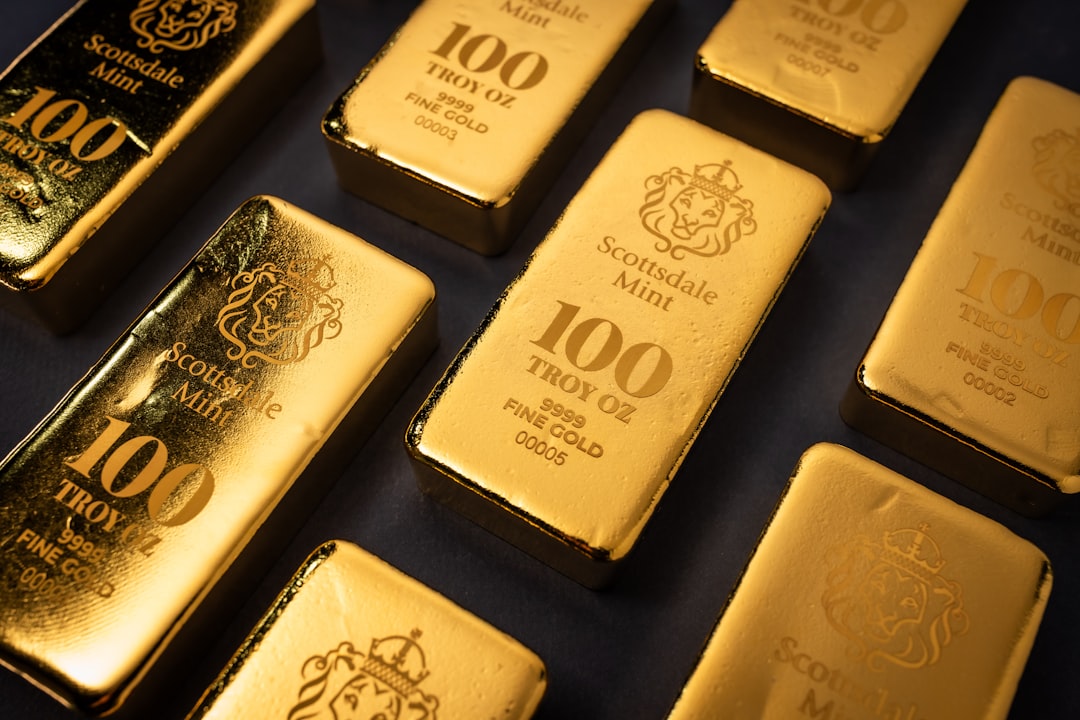
Investors may consider utilizing gold exchange-traded funds (ETFs) as a practical method to gain exposure to gold without the complexities of physical ownership. Two notable options include the SPDR Gold Shares (GLD) and the iShares Gold Trust (IAU). These ETFs typically track the price of gold bullion and allow investors to trade shares on major stock exchanges, providing liquidity and transparency. Historically, gold has been viewed as a hedge against inflation and currency fluctuations, making these ETFs potentially appealing during periods of economic uncertainty.
For those seeking indirect exposure to the gold market, investing in gold mining stocks may be another viable strategy. Companies like Agnico Eagle Mines (AEM) and i-80 Gold (IAU) offer opportunities to capitalize on rising gold prices through their operational efficiencies and exploration potential. Agnico Eagle Mines, for instance, is involved in the construction and redevelopment of the Hope Bay underground gold mine in Canada, which may position the company for growth in a favorable gold price environment. On the other hand, i-80 Gold has attracted attention due to its recent valuation fluctuations, with a 12% decline over the past month, yet still showcasing a remarkable total return of 164% over the preceding year.
Investors may find that the valuation of gold mining stocks could potentially provide a more leveraged exposure to gold prices compared to direct investments in gold ETFs. It is not uncommon for mining stocks to exhibit volatility that can amplify the returns—or losses—during periods of significant price movement in the underlying commodity. As such, careful analysis of these stocks' performance metrics, including price-to-earnings ratios and operating margins, may be warranted when considering an investment.
In summary, both gold ETFs and mining stocks may present unique opportunities for investors looking to diversify their portfolios amidst prevailing economic conditions. Each approach has its own set of risks and rewards, and thorough research is essential before making any investment decisions.
4. Important Considerations
Investors considering gold investments should be aware of several important considerations that could impact their overall returns. One significant factor is the taxation on capital gains, which can vary significantly based on the investor's tax bracket and the specific investment vehicle used. For instance, long-term capital gains on gold investments may be taxed at rates ranging from approximately 15% to 20% for most investors in the United States. However, certain high-income earners may face rates of up to 23.8%, depending on their income level and specific circumstances.
Another aspect to consider is the management fees associated with Gold Exchange-Traded Funds (ETFs). These fees can typically range from about 0.2% to 1.0% of the fund’s assets annually. For example, the SPDR Gold Shares (GLD) has an expense ratio of around 0.40%, which is relatively low compared to some actively managed funds but still represents a cost that could erode returns over time. Investors should evaluate these fees against the potential benefits of liquidity and diversification that Gold ETFs offer.
Additionally, the gold market is not immune to fluctuations that can introduce risk. Prices may show volatility in response to geopolitical events, changes in interest rates, and shifts in market sentiment. For example, a significant increase in Treasury yields may lead to a decrease in gold prices, as seen in past market cycles. Investors should be prepared for the possibility of price corrections and assess their risk tolerance accordingly.
In summary, while gold may serve as a potential hedge against inflation and market instability, investors must carefully consider the implications of capital gains taxes, management fees, and market risks before making investment decisions. Understanding these factors can help investors make more informed choices and strategically position their portfolios in the gold market.

5. Conclusion
In conclusion, the complexity of predicting gold prices stems from a multitude of influencing factors. These can include macroeconomic trends, geopolitical tensions, shifts in interest rates, and fluctuations in currency values. For instance, rising 10-year Treasury yields have historically correlated with declining gold prices, as higher yields can make gold, which yields no interest, less attractive to investors. Moreover, the ongoing uncertainty in the oil markets may also exert pressure on gold prices, as commodities often move in tandem, driven by investor sentiment and global economic conditions.
Investors may consider diversifying their portfolios to mitigate the risks associated with the inherent volatility of gold prices. This could involve allocating capital across various asset classes, such as stocks, bonds, and other commodities. Studies suggest that a well-diversified portfolio can potentially reduce risk by 10-15% compared to a concentrated investment strategy. For example, while precious metals like gold can serve as a hedge against inflation and economic downturns, equities such as Agnico Eagle Mines Limited (NYSE:AEM) and i-80 Gold Corp (TSX:IAU) can offer growth opportunities, albeit with higher risk.
Furthermore, staying informed about market trends and shifts in investor sentiment could provide valuable insights for making investment decisions. Investors should closely monitor not only economic indicators but also geopolitical events that might influence commodity prices. For instance, developments in U.S.-Iran relations could lead to heightened volatility in oil prices, which may subsequently impact gold as a safe-haven asset.
As market conditions continue to evolve, it is crucial for investors to conduct their own research and analysis. By remaining vigilant and adaptable, investors can navigate the complexities of gold investing and identify potential opportunities that may arise.
Disclaimer: This article was generated using AI technology and is for informational and educational purposes only. It does not constitute investment advice, recommendation, or solicitation. All investment decisions are solely the responsibility of the individual investor. Past performance does not guarantee future results. Investments involve significant risks, including the potential loss of principal. Before making any investment decisions, please conduct your own research and consult with qualified financial and tax professionals.