
What Drives Gold Prices to Surge During Market Turmoil?

1. Why Consider Gold Prices During Market Turmoil
During periods of economic instability, investors may look to **gold** as a traditional **safe-haven asset**. This reputation stems from gold’s historical performance in times of market turmoil, where it tends to retain value or appreciate when other assets decline. For instance, as geopolitical tensions escalate—such as recent conflicts affecting oil prices—gold prices often surge as investors seek a stable store of value. This correlation can provide insight into broader market dynamics.
The drivers behind gold price surges can vary, but they often include factors such as inflation concerns, currency fluctuations, and shifts in interest rates. For example, when oil prices rise sharply, as seen when Brent crude oil surpassed $100 per barrel, inflation fears may increase. Investors may then turn to gold, which has historically been viewed as a hedge against inflation. Over the long term, gold has been shown to appreciate during inflationary periods, with average annual returns typically in the range of 3-5% when adjusted for inflation.
Additionally, the inverse relationship between gold and the U.S. dollar can also influence gold prices. When the dollar weakens, often due to expansive monetary policy or rising national debt, gold becomes more attractive to international buyers, potentially driving up its price. For instance, during times when the Federal Reserve signals interest rate hikes, the dollar might strengthen, leading to a temporary dip in gold prices. However, prolonged market uncertainty could subsequently lead to renewed interest in gold as a protective measure.
Investors may find it beneficial to analyze the intrinsic factors that affect gold prices. By understanding these dynamics, they can potentially make more informed investment decisions. For instance, ETFs like GLD (SPDR Gold Shares) or IAU (iShares Gold Trust) provide accessible means to gain exposure to gold, allowing investors to diversify their portfolios in times of market volatility.
As investors consider the implications of current events on their portfolios, it is also essential to examine the interplay between gold and other asset classes, such as cryptocurrencies, as they have emerged as alternative investment options during periods of economic uncertainty.
2. Advantages and Disadvantages
Investors contemplating the role of gold in their portfolios may find it beneficial to weigh the potential advantages and disadvantages associated with this precious metal, especially in the context of current economic conditions influenced by rising oil prices and geopolitical tensions.
2.1 Potential Advantages
- Value Retention: Gold often retains its value when fiat currencies decline, serving as a safe haven asset during economic downturns. For instance, during periods of significant currency depreciation, gold has historically demonstrated a resilience that can protect investors’ capital.
- Inflation Hedge: It acts as a hedge against inflation, especially during times of rising oil prices. When inflation rates surge, investors may turn to gold to preserve purchasing power, as its price tends to increase in tandem with consumer prices.
- Portfolio Diversification: Including gold in a diversified investment portfolio can potentially reduce overall risk. Historically, gold has exhibited a low correlation with other asset classes, such as equities and bonds, which can help stabilize returns during market volatility.
- Global Demand: Increased global demand for gold, particularly from countries like China and India, can support its price. As these nations continue to grow economically, their appetite for gold jewelry and reserves could lead to upward price pressure.
2.2 Potential Disadvantages
- No Income Generation: Gold does not generate income like stocks or bonds. Unlike dividend-paying equities or interest-bearing securities, gold investments might not provide cash flow, which could deter investors seeking regular income.
- Market Volatility: Market volatility can lead to short-term price fluctuations that may deter investors. While gold can act as a stabilizing force over the long term, its price can still experience significant swings, potentially impacting investor sentiment.
- Storage and Insurance Costs: Physical gold often incurs additional costs for storage and insurance, which can eat into returns. Investors may need to consider these expenses when evaluating the net benefit of holding gold as an asset.
- Market Sentiment: The price of gold can be influenced by market sentiment and speculative trading. Factors such as geopolitical tensions or changes in interest rates might lead to erratic price movements that do not necessarily reflect fundamental value.
In conclusion, while gold presents several potential advantages as a long-term investment and a hedge against inflation, it also poses specific challenges that investors should carefully consider when making investment decisions.
3. Practical Options/Methods
Investors looking to gain exposure to gold without the complexities of physical ownership may consider investing in gold exchange-traded funds (ETFs) such as SPDR Gold Shares (GLD). This investment vehicle provides a convenient way to access the performance of gold while maintaining liquidity. Typically, gold ETFs track the price of gold bullion, making it easier for investors to buy and sell shares on stock exchanges, potentially allowing for quick entry and exit strategies.
Another avenue for gaining leveraged exposure to gold prices is through purchasing gold mining stocks. For instance, investing in companies like Barrick Gold Corporation (GOLD), which operates multiple mines around the world, may offer investors a way to benefit from rising gold prices. Mining stocks tend to have a higher beta compared to gold itself, which means they may rise or fall in value more dramatically than the underlying asset, providing potentially greater returns in bullish markets. However, this can also amplify losses, making thorough research essential.
Investors might also explore gold futures contracts as a method for speculating on price movements. These contracts allow investors to agree to buy or sell gold at a predetermined price at a future date, which can be beneficial for those who anticipate price fluctuations. Futures trading generally requires a higher degree of expertise and involves leveraging capital, which can magnify both gains and losses. Margin requirements for gold futures typically range from 3-5% of the contract value, allowing for significant exposure with relatively low initial investment.
Each of these methods of investing in gold presents unique advantages and risks that may align with different investor strategies. As global geopolitical factors—such as rising oil prices and tensions in the Middle East—continue to influence market dynamics, the demand for safe-haven assets like gold may increase. Investors could view this as an opportunity to reassess their portfolios in light of potential economic volatility.
In considering these options, it is crucial for investors to conduct thorough research and analysis to align their investment choices with their risk tolerance and financial goals.
4. Important Considerations
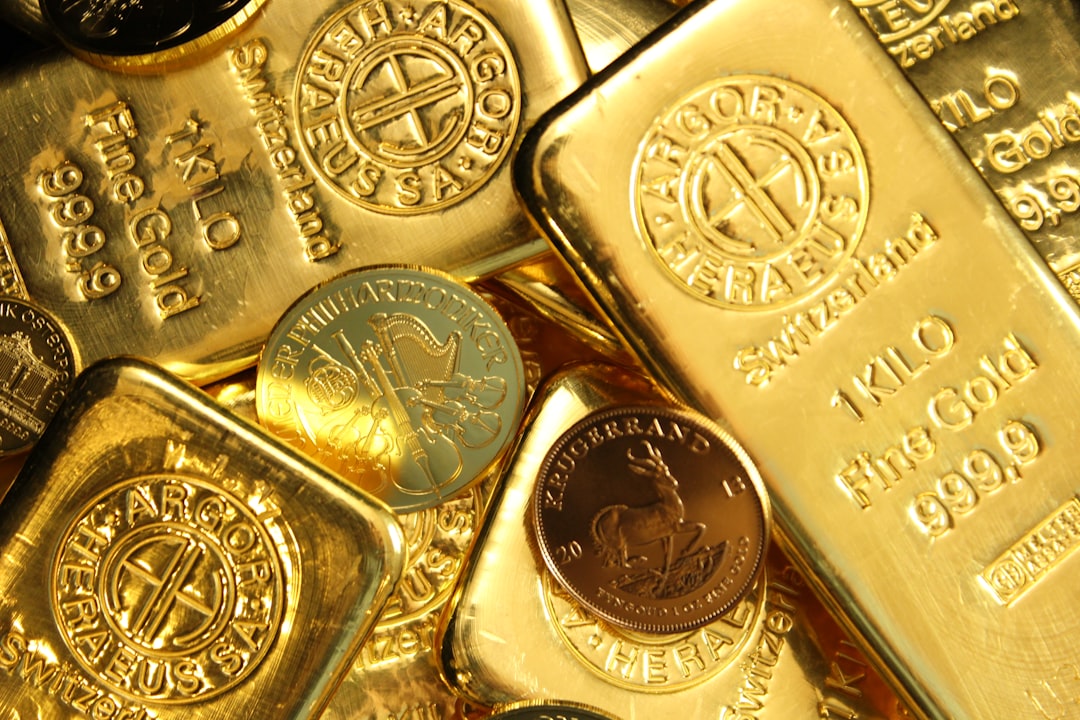
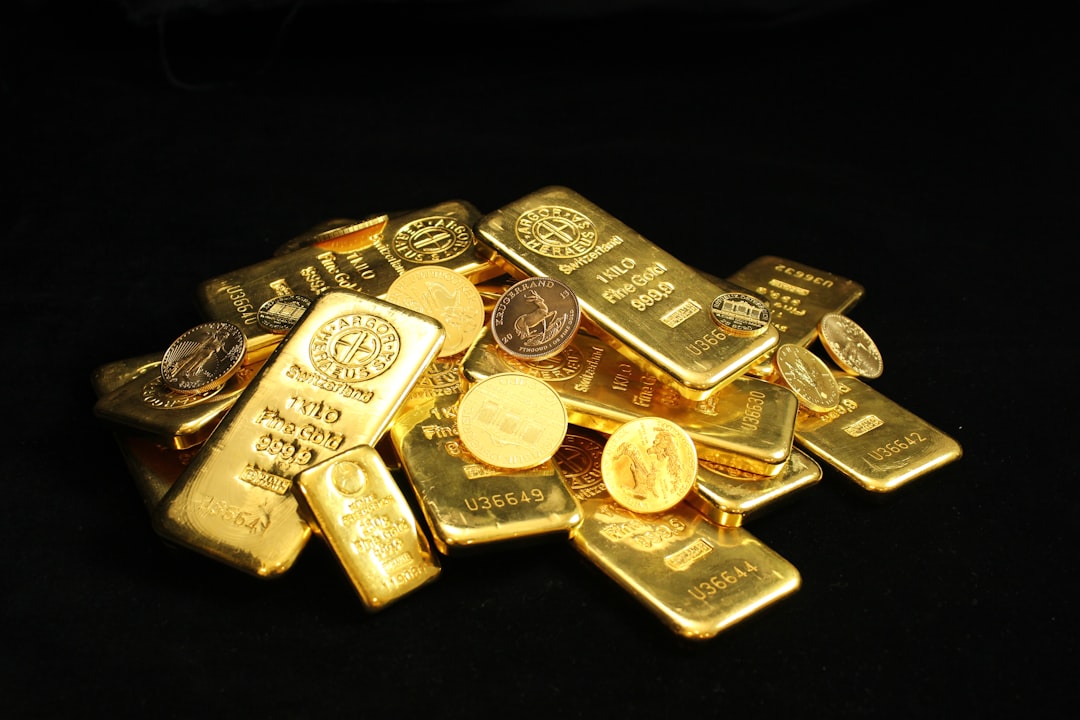
Investors should approach the prospect of investing in physical gold with a comprehensive understanding of various considerations that can significantly impact their investment outcomes. One critical factor to take into account is the potential for storage costs. Physical gold requires secure storage, which typically incurs fees that can range from approximately 1-2% of the investment value annually. These costs may diminish the overall profitability of the investment, especially in a low-price environment.
In addition to storage, insurance is often necessary to protect against theft or loss of the physical asset. Insurance premiums can vary widely based on coverage levels and providers but generally fall within the range of 0.5-1% of the total value of gold holdings. Investors must factor these expenses into their overall investment strategy to gauge the true cost of holding physical gold.
Another vital consideration is the impact of capital gains taxes on the profitability of gold investments. In many jurisdictions, profits made from selling gold are treated as collectibles and may be subject to higher tax rates, often as high as 28%. This potential tax liability could significantly erode the returns investors might anticipate from their gold holdings, particularly during periods of high appreciation.
Furthermore, investors should remain cognizant of market risks, including geopolitical events that can influence both gold and oil prices. For instance, escalating tensions in the Middle East can lead to increased demand for gold as a safe-haven asset while simultaneously driving up oil prices. This interconnectedness means that investors must monitor global events closely, as they could lead to volatile price movements in both commodities.
In summary, while gold may be viewed as a hedge against inflation and economic uncertainty, investors must carefully assess the associated costs, tax implications, and market risks to fully understand its potential role in their investment portfolio. As they navigate these considerations, they may find it beneficial to explore alternative investment vehicles that could complement their strategies.
5. Conclusion
In conclusion, the dynamics surrounding gold prices can be quite complex, particularly during periods of market turmoil. Investors should recognize that gold often serves as a safe haven asset when geopolitical tensions, such as those observed in the Persian Gulf, escalate. Such turmoil can lead to increased demand for gold, which may push prices higher, highlighting its historical role as a hedge against economic uncertainty and inflation.
However, before adding gold to their portfolios, investors should weigh the potential benefits against the inherent risks. Gold prices can be volatile, influenced by various factors including currency fluctuations, interest rates, and market sentiment. For instance, during significant spikes in oil prices, like when Brent crude oil surpassed $100 per barrel, inflation fears may also rise, impacting the attractiveness of gold as an investment option. Investors may find themselves at a crossroads, evaluating whether gold remains a viable asset amidst shifting market conditions.
Furthermore, while gold may offer a level of diversification, it is essential for investors to approach this addition with caution. The historical return of gold has typically ranged between 3-5% annually over the long term, which may be lower than other asset classes such as equities. Therefore, incorporating gold might not necessarily guarantee substantial gains but could stabilize a portfolio during adverse market conditions.
Consulting a financial advisor could provide investors with valuable insights into how gold may fit into a broader investment strategy. Financial professionals can help assess individual risk tolerance and investment goals, potentially guiding investors toward a diversified portfolio that includes precious metals like gold.
As market conditions evolve, it is crucial for investors to monitor economic indicators, geopolitical developments, and changes in commodity prices. Staying informed can empower investors to make educated decisions regarding their investment strategies, ensuring that they are well-prepared to adapt to shifting landscapes.
Disclaimer: This article was generated using AI technology and is for informational and educational purposes only. It does not constitute investment advice, recommendation, or solicitation. All investment decisions are solely the responsibility of the individual investor. Past performance does not guarantee future results. Investments involve significant risks, including the potential loss of principal. Before making any investment decisions, please conduct your own research and consult with qualified financial and tax professionals.