
What Drives Solana's Price Trends in a Volatile Market?

1. Why Consider Solana's Price Trends
Understanding price trends is crucial for investors navigating the cryptocurrency landscape. Solana (CRYPTO: SOL), a blockchain platform known for its high throughput and low transaction costs, presents a compelling case for analysis. Investors may consider that recognizing price movements can allow for more informed decisions regarding entry and exit points, especially in a market characterized by volatility. For instance, recent data indicates that Solana has experienced fluctuations of over 40% from its peak price, similar to other major cryptocurrencies such as Bitcoin (CRYPTO: BTC) and Ethereum (CRYPTO: ETH). This significant decline may prompt investors to assess whether current pricing presents a buying opportunity.
One of the factors driving interest in Solana is its unique technology, which employs a novel consensus mechanism known as **Proof of History**. This mechanism enables the network to process thousands of transactions per second, which could potentially make it more scalable than other platforms. Furthermore, Solana's architecture reduces congestion and transaction fees, which are often cited as barriers to broader crypto adoption. For example, transaction fees on Solana are typically around $0.00025, compared to Ethereum's average fees that may range from $10 to $50 during peak usage. Such cost-effectiveness may attract developers and users alike, leading to increased adoption and usage of the platform.
Additionally, Solana's growing ecosystem, which includes decentralized finance (DeFi) projects and non-fungible tokens (NFTs), may further enhance its visibility in the market. The potential for substantial growth in these sectors could make Solana an attractive option for investors seeking exposure to innovative blockchain applications.
As investors analyze Solana's price trends, they might also want to consider broader market sentiment and regulatory developments that could influence the crypto landscape. In the context of ongoing market fluctuations, understanding the underlying technology and its implications can provide valuable insights for investment strategies moving forward.
2. Advantages and Disadvantages
Investors may find it beneficial to consider both the advantages and disadvantages associated with Solana (CRYPTO: SOL) as they evaluate its potential in the ever-evolving cryptocurrency landscape.
2.1 Potential Advantages
- High Throughput: Solana boasts a unique architecture that allows it to process a staggering 65,000 transactions per second (TPS) on average. This high throughput makes it an appealing option for developers looking to build decentralized applications (dApps) that require quick and efficient processing.
- Low Transaction Costs: Transaction fees on Solana are significantly lower than those on many other blockchain networks, typically averaging around $0.00025 per transaction. This cost-effectiveness could attract both developers and users, facilitating wider adoption and engagement.
- Robust Ecosystem: The Solana ecosystem has seen rapid growth, with thousands of projects and applications being developed. This diverse ecosystem may enhance the utility and attractiveness of SOL as a platform for innovation.
- Scalability: Solana’s design incorporates innovative solutions such as Proof of History (PoH), which could allow it to scale more efficiently than many of its competitors. This scalability may provide a competitive edge in accommodating increased user demand.
2.2 Potential Disadvantages
- Market Volatility: Like many cryptocurrencies, Solana is subject to substantial price volatility. Historical data shows that SOL prices can swing dramatically, with fluctuations exceeding 40% from their peaks during market downturns. This volatility may deter conservative investors.
- Regulatory Uncertainty: The evolving regulatory landscape surrounding cryptocurrencies poses a potential risk. Regulatory changes could impact Solana’s operations and market perception, potentially leading to price declines.
- Network Reliability Concerns: Solana has experienced outages and performance issues in the past, which could raise concerns about its reliability as a blockchain solution. Such incidents may lead to skepticism among investors regarding long-term stability.
- Competitive Landscape: The cryptocurrency market is highly competitive, with established players like Bitcoin (CRYPTO: BTC) and Ethereum (CRYPTO: ETH) leading in market share and adoption. This competition could pose challenges for Solana in securing a larger user base.
Ultimately, investors may weigh these advantages and disadvantages carefully as they navigate their investment decisions in Solana and the broader cryptocurrency market.
3. Practical Options/Methods
Investors exploring opportunities in the cryptocurrency market may consider investing in Solana (CRYPTO: SOL) through various platforms such as Binance (BNB) or Coinbase (COIN). These platforms offer user-friendly interfaces and robust security measures to facilitate the buying, selling, and trading of cryptocurrencies. Binance, for instance, tends to have lower trading fees, typically around 0.1% for spot trading, which may appeal to cost-conscious investors. Coinbase, while generally charging higher fees, provides a more straightforward experience, particularly for those new to cryptocurrency trading.
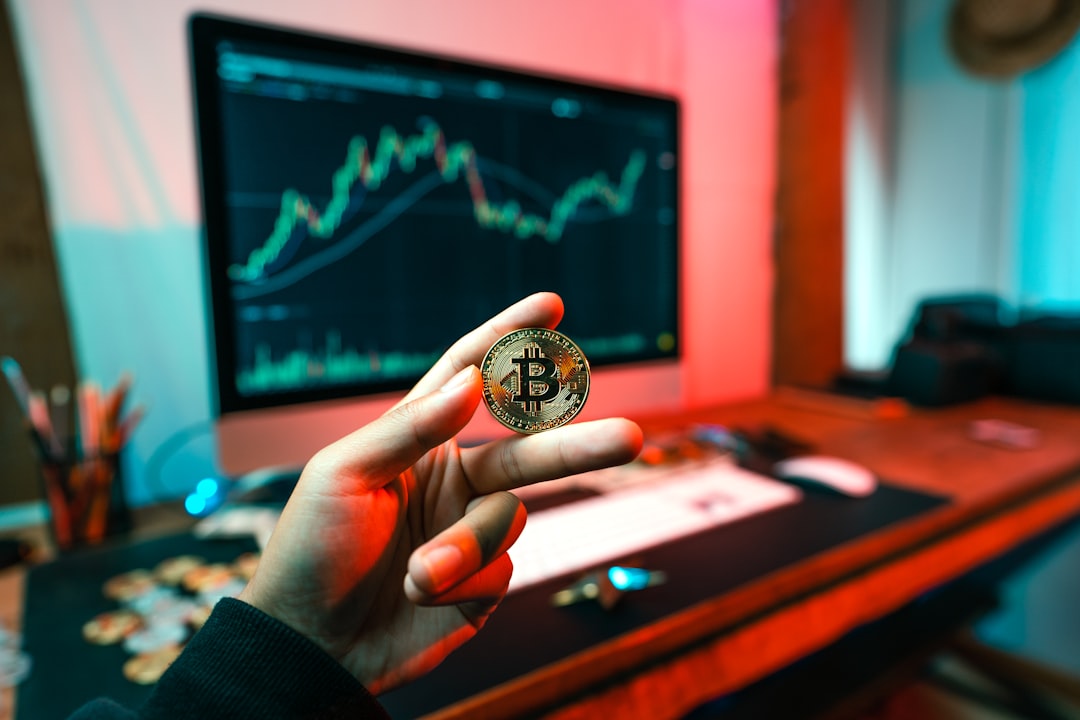
To aid in investment decisions, utilizing tools such as CoinMarketCap and CryptoCompare can be beneficial. These platforms provide real-time price tracking, market capitalization data, and historical performance metrics for Solana and other cryptocurrencies. For instance, investors may track the performance of Solana, which has experienced significant volatility, often fluctuating by more than 10% within a single trading day. Such tools can help investors identify patterns and make informed decisions regarding entry and exit points.
In addition to tracking prices, understanding the broader market context is crucial. For example, the recent downturn in major cryptocurrencies, including Bitcoin (CRYPTO: BTC) and Ethereum (CRYPTO: ETH), which might be down over 40% from their peaks, could indicate potential buying opportunities for investors who believe in long-term recovery. However, this approach requires careful consideration of market conditions and individual risk tolerance.
Investors may also want to explore strategies like dollar-cost averaging, which involves consistently investing a fixed amount over time, potentially reducing the impact of volatility. This method can be particularly useful in the unpredictable cryptocurrency market, helping to mitigate risks associated with price fluctuations.
As the cryptocurrency landscape continues to evolve, staying informed about market developments and leveraging available tools can enhance investment strategies. In the next section, we will delve into the potential risks associated with cryptocurrency investments and how investors may navigate these challenges effectively.
4. Important Considerations
Investors should be aware of several important considerations when navigating the complex landscape of cryptocurrency investments, especially in volatile markets. One critical area to examine is the tax implications associated with trading and holding digital assets. In many jurisdictions, cryptocurrencies are treated as property, which means that any gains from sales or exchanges may be subject to capital gains tax. For instance, if an investor purchases Bitcoin (CRYPTO: BTC) and later sells it at a profit, the difference may be taxed at rates that can vary significantly, typically ranging from 15% to 20% for long-term holdings. In volatile markets, where prices can fluctuate dramatically, the potential for taxable events can increase. Investors may find themselves in situations where they need to report gains even if they have not realized overall profits due to market declines.
Furthermore, the fees associated with trading platforms can also significantly affect overall returns. Many exchanges charge trading fees that can range from 0.1% to 1% per transaction, which may appear minimal at first glance but can accumulate quickly, particularly for active traders. Additionally, withdrawal fees can also apply, potentially reaching several dollars per transaction, depending on the cryptocurrency and platform. For instance, transferring Ethereum (CRYPTO: ETH) may incur fees that fluctuate based on network congestion, impacting the net gain from trades. Investors may want to consider these costs in their overall investment strategy, especially during periods of heightened market activity when trading frequency might increase.
In summary, understanding the tax implications and being mindful of trading fees are essential components of a comprehensive cryptocurrency investment strategy. By doing so, investors can better navigate the intricacies of this rapidly evolving market landscape, ultimately making more informed decisions about their portfolios.
5. Conclusion
As we conclude our analysis of the current state of Solana (CRYPTO: SOL), it is evident that the price trends of this cryptocurrency are influenced by a complex interplay of factors, primarily driven by technological advancements and prevailing market sentiment. Investors may note that the recent fluctuations in Solana's price tend to reflect broader trends in the cryptocurrency market, particularly as other major players like Bitcoin (CRYPTO: BTC) and Ethereum (CRYPTO: ETH) also experience significant downturns.
To better understand the dynamics at play, it is important to consider the role of underlying technology in Solana's ecosystem. Innovations such as increased transaction speeds and lower fees may attract developers and users alike, potentially driving demand for SOL tokens. Furthermore, market sentiment can shift rapidly, influenced by news events, regulatory developments, and trends in investor behavior. For instance, the conditional approval of Ripple’s national trust bank charter could alter the competitive landscape, impacting investor confidence across the sector.
Given these factors, investors should approach the Solana market with caution. Conducting thorough research is essential to navigate the complexities of the cryptocurrency landscape. Evaluating risk tolerance is particularly critical, as the volatility inherent in cryptocurrencies can lead to significant price swings. Historical data suggests that cryptocurrencies may experience declines of 40% or more from their peaks, highlighting the importance of understanding one’s investment strategy and the potential for loss.
In summary, key takeaways for investors include:
- The price of Solana is influenced by both technological developments and overall market sentiment.
- Investors should remain vigilant and conduct comprehensive research before entering the market.
- Risk tolerance plays a crucial role in making informed investment decisions in the volatile cryptocurrency space.
Looking ahead, it will be vital for investors to continuously monitor market conditions and technological advancements within the Solana ecosystem. Staying informed about potential shifts in sentiment can provide valuable insights as the market evolves. As always, investors are encouraged to conduct their own research to make well-informed decisions.
Disclaimer: This article was generated using AI technology and is for informational and educational purposes only. It does not constitute investment advice, recommendation, or solicitation. All investment decisions are solely the responsibility of the individual investor. Past performance does not guarantee future results. Investments involve significant risks, including the potential loss of principal. Before making any investment decisions, please conduct your own research and consult with qualified financial and tax professionals.