
What Drives XRP Adoption in the Growing Crypto Market?

1. Introduction/Why this topic matters
XRP, the digital asset associated with the Ripple network, plays a critical role in the evolving landscape of the cryptocurrency market. As a token designed for facilitating cross-border payments, XRP aims to enhance the speed and efficiency of international money transfers. Its unique consensus algorithm, which does not rely on traditional mining mechanisms, allows for quicker transaction times, typically settling in under five seconds. However, understanding the factors driving XRP’s adoption is essential, especially as market fluctuations can significantly impact sentiment and price movements.
Investors may find it particularly important to analyze the drivers of XRP’s adoption amidst the backdrop of current market conditions. The cryptocurrency sector has recently experienced volatility, often correlating with broader economic trends. For instance, as Bitcoin (BTC) faces potential support tests and dips below crucial price thresholds, other cryptocurrencies, including XRP, may also feel the pressure. A reported decrease in Bitcoin prices alongside rising concerns regarding AI spending could indicate a broader risk-off sentiment in the market, impacting investor confidence in digital assets.
Moreover, the recent commentary from Ripple’s CEO, who suggests that XRP could achieve significant price milestones in the coming years, highlights the potential for future growth even as the token currently trades around 50% below its previous cycle high. Such statements may encourage investor interest, but they also underscore the necessity for a thorough understanding of market dynamics and technological developments that could influence XRP’s trajectory.
As the cryptocurrency market continues to evolve, the interplay between macroeconomic factors, regulatory developments, and technological advancements will likely shape the adoption curve for XRP and its peers. Investors may need to remain vigilant and informed, as these elements could significantly affect both short-term volatility and long-term investment outcomes.
2. Advantages and Disadvantages
Investors contemplating the adoption of XRP (Ripple) should consider both its potential advantages and disadvantages in the current financial landscape, particularly amidst recent volatility in the broader cryptocurrency market.
2.1 Potential Advantages
- Integration with Financial Institutions: XRP is designed to facilitate faster transactions between banks and financial institutions. This integration could potentially streamline cross-border payments, reducing transaction times from days to minutes.
- Lower Transaction Fees: Compared to traditional banking systems, which often charge fees ranging from 3-5% for international transfers, XRP transactions typically incur fees of less than $0.01. This dramatic reduction may appeal to users seeking cost-effective solutions.
- Strong Backing from Ripple Labs: The credibility of XRP is enhanced by its association with Ripple Labs, a well-established company in the fintech space. This backing could instill confidence in investors and users regarding the longevity and viability of XRP.
2.2 Potential Disadvantages
- Regulatory Challenges: XRP faces ongoing regulatory scrutiny, particularly from the U.S. Securities and Exchange Commission (SEC). This legal uncertainty may deter potential investors and create an unstable environment for XRP's future growth.
- Market Volatility: Like many cryptocurrencies, XRP may experience significant price volatility. Its performance is often influenced by broader crypto market trends, which can lead to rapid fluctuations in value that investors might find concerning.
- Current Price Performance: Despite optimistic price predictions ranging from $3 to $8, XRP has recently traded around $1.90, approximately 50% below its previous peak. This disparity could indicate potential risks as investors weigh the likelihood of recovery against current market conditions.
As investors evaluate their options in the cryptocurrency space, understanding these advantages and disadvantages is crucial for making informed decisions regarding XRP and its role in their portfolios.
3. Practical options/methods
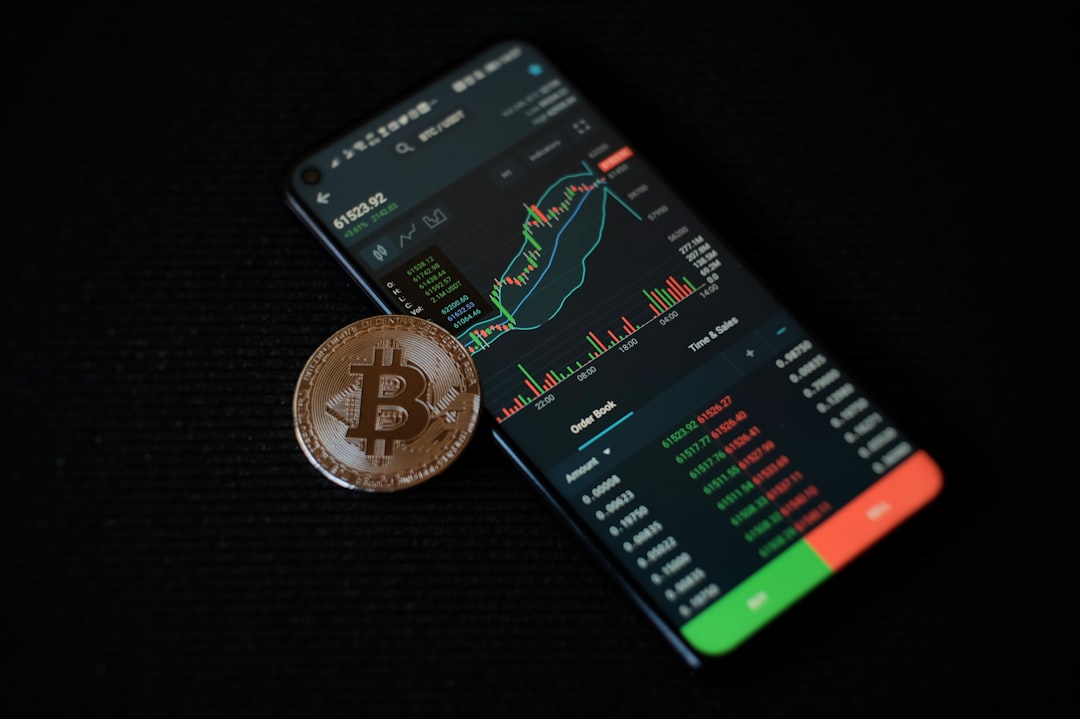
Investors interested in acquiring XRP have several practical options at their disposal. One of the most common methods is through cryptocurrency exchanges, with platforms like Binance (BNB) and Kraken (XRP) being prominent choices. These exchanges typically offer various trading pairs, such as XRP/BTC and XRP/USDT, which can provide liquidity and facilitate trading. Investors may find that trading volumes on these platforms can reach upwards of 10-15% during peak market hours, enhancing transaction efficiency.
In addition to exchanges, secure storage of XRP is crucial for long-term investors. The use of hardware wallets like the Ledger Nano X can be an effective strategy. This type of wallet offers robust security features, including private key management, which may reduce the risk of hacks and unauthorized access. Investors may appreciate that hardware wallets can store multiple cryptocurrencies, providing a centralized solution for digital asset management.
Another avenue for investment in XRP involves exploring XRP-based investment products, such as cryptocurrency exchange-traded funds (ETFs). These products may provide a diversified exposure to XRP and could appeal to investors looking for a more traditional investment structure. While the availability of XRP-specific ETFs may fluctuate, some products have been noted to track XRP's price movements closely, potentially offering a return that mirrors the underlying asset.
Liquidity is an essential consideration for investors trading XRP. Typical trading pairs such as XRP/ETH and XRP/USDT may exhibit different liquidity profiles, with some pairs showing stronger trading activity than others. Investors may find that higher liquidity can lead to tighter bid-ask spreads, which could enhance trading efficiency. Therefore, understanding the specific characteristics of these trading pairs is vital in executing trades effectively.
As the cryptocurrency market continues to evolve, investors may want to remain informed about the various mechanisms and products available for trading and holding XRP, as these could potentially influence their investment strategies.
4. Important considerations
Investors venturing into trading XRP (Ripple) should carefully consider several important aspects that could impact their trading experience and overall financial health. One of the most critical factors is understanding the tax implications associated with trading cryptocurrencies. In many jurisdictions, XRP trades may be subject to capital gains tax, which could range from 15% to 30%, depending on the investor's income bracket and holding period. Properly tracking the purchase and sale prices of XRP is essential for accurately reporting gains or losses to tax authorities.
Additionally, fees incurred through exchanges and trading platforms can significantly affect profitability. These fees often include trading commissions, withdrawal fees, and deposit fees, which might collectively account for approximately 0.1% to 1% per transaction. For frequent traders, these costs can accumulate quickly, potentially eroding gains from price movements.
Investing in volatile assets like XRP involves inherent risks that investors must acknowledge. The cryptocurrency market is notoriously unpredictable, with prices frequently experiencing sharp fluctuations. For instance, XRP has seen price swings of over 30% within a matter of days during market rallies or corrections. Such volatility may present lucrative opportunities for some investors but could also result in significant losses for those unprepared for sudden downturns.
Finally, conducting thorough research before investing in XRP is of utmost importance. Investors should familiarize themselves with the fundamentals of the Ripple network, the technology behind XRP, and broader market trends. Analyzing the potential implications of regulatory changes, technological advancements, and market sentiment can help investors make informed decisions. Utilizing resources such as whitepapers, market analysis reports, and expert commentary may provide valuable insights, increasing the likelihood of successful trading outcomes.
In light of these considerations, it's crucial for investors to remain vigilant and proactive in their investment strategies as they navigate the complexities of the cryptocurrency landscape.
5. Conclusion
In conclusion, several key drivers may influence the adoption of XRP (Ripple) in the evolving cryptocurrency landscape. First, the potential for **regulatory clarity** around XRP could foster greater acceptance among institutional investors. As regulators globally continue to develop frameworks for digital assets, XRP may benefit from a clearer legal status, enhancing its appeal as a compliant asset. Second, the **partnerships** Ripple has established with various financial institutions could serve as a significant catalyst for adoption. For instance, Ripple's collaborations with banks and payment providers may illustrate the practical utility of XRP in facilitating cross-border transactions, potentially reducing transaction costs by 30-40% compared to traditional methods.
Moreover, the **technological advancements** within the Ripple network, such as the ability to settle transactions in seconds and the scalability of the platform, may position XRP favorably against competitors. This could attract both retail and institutional interest, particularly as the demand for efficient payment solutions grows. Investors may also want to pay attention to broader **market trends**, especially as the cryptocurrency market tends to react to significant developments in the larger financial ecosystem, such as stock market fluctuations and Federal Reserve policy changes.
As the landscape continues to evolve, it is crucial for investors to stay informed about both market trends and regulatory developments that could impact XRP's adoption and price dynamics. Monitoring these conditions could provide insights into potential investment opportunities. Additionally, considering XRP as a part of a diversified investment strategy may prove beneficial, particularly given its unique positioning within the digital asset market.
Investors are encouraged to conduct their own research and remain vigilant about developments that could influence the performance of XRP and the broader cryptocurrency market. The future of digital assets remains uncertain, but understanding the underlying mechanisms may help investors navigate these complexities.
Disclaimer: This article was generated using AI technology and is for informational and educational purposes only. It does not constitute investment advice, recommendation, or solicitation. All investment decisions are solely the responsibility of the individual investor. Past performance does not guarantee future results. Investments involve significant risks, including the potential loss of principal. Before making any investment decisions, please conduct your own research and consult with qualified financial and tax professionals.