
What Factors Drive Gold and Silver Price Fluctuations?

1. Why Consider Gold and Silver Price Fluctuations
Understanding the dynamics of gold and silver price fluctuations is essential for investors looking to navigate the complexities of the financial landscape. These precious metals often serve as safe-haven assets during periods of economic uncertainty, providing a potential buffer against volatility in other investment vehicles. Investors may observe that gold and silver prices tend to rise when traditional markets decline, as seen recently when gold dipped below $4,000 per ounce, reflecting broader market trends.
Fluctuations in the prices of gold and silver can have significant implications for investment portfolios, retirement accounts, and overall market stability. For example, a typical allocation of precious metals within a diversified portfolio might range from 5-10%, which can help mitigate risks associated with stock market downturns. As precious metals often hold their value or appreciate during inflationary periods, their inclusion in investment strategies could potentially yield gains that counterbalance losses from equities.
Investors may also consider how external factors, such as geopolitical tensions or changes in monetary policy, contribute to price volatility. Gold and silver prices often react to fluctuations in interest rates; when rates are low, the opportunity cost of holding non-yielding assets like gold and silver diminishes, potentially driving demand and prices higher. Conversely, when rates rise, precious metals may see downward pressure, as investors shift towards interest-bearing assets.
Additionally, gold and silver markets are influenced by supply and demand dynamics. For instance, mining developments, such as significant intersections in prospective projects, can affect future supply forecasts, thereby impacting prices. Auro Metals Inc. (TSXV: AURO) recently announced promising drill assay results at their Santa Barbara Gold-Copper Project, which could influence market perceptions of supply availability.
In light of these factors, monitoring gold and silver price fluctuations is crucial for investors aiming to make informed decisions. Understanding these precious metals' roles within a broader investment strategy could enhance portfolio resilience in uncertain times.
2. Advantages and Disadvantages
Investors considering the inclusion of gold and silver in their portfolios may benefit from understanding the potential advantages and disadvantages associated with these precious metals. As recent market fluctuations have illustrated, both assets can play unique roles in investment strategies.
2.1 Potential Advantages
- Hedge Against Inflation: Gold and silver often act as a hedge against inflation and currency devaluation, as their value tends to increase when purchasing power declines. Historically, gold has maintained its purchasing power better than fiat currencies during inflationary periods.
- Portfolio Diversification: Including gold and silver can enhance portfolio diversification. Precious metals typically exhibit low correlation with traditional asset classes like stocks and bonds, which may reduce overall portfolio risk during periods of market volatility.
- Liquidity: Both gold and silver are highly liquid assets, meaning investors can easily buy or sell them. This liquidity can be advantageous when market conditions necessitate rapid portfolio adjustments.
- Intrinsic Value: Unlike paper assets, gold and silver possess intrinsic value due to their physical properties and historical significance. This characteristic may provide a sense of security for investors seeking tangible assets.
2.2 Potential Disadvantages
- Price Volatility: Prices of gold and silver can be highly volatile, often influenced by geopolitical events, changes in market sentiment, and speculation. For instance, fluctuations can exceed 10% within short time frames, potentially impacting investment returns.
- Storage and Insurance Costs: Investing in physical metals entails additional costs, including storage and insurance. Investors may need to allocate approximately 1-2% of their total investment annually to cover these expenses, which can erode overall returns.
- No Cash Flow: Gold and silver do not generate income, such as dividends or interest. This lack of cash flow may deter some investors who rely on regular income from their investments.
- Market Sentiment Influence: The value of precious metals can be significantly affected by market sentiment and speculative trading. As such, investors may experience abrupt price swings that are not necessarily reflective of underlying supply and demand fundamentals.
Understanding these advantages and disadvantages can help investors make informed decisions regarding their investment in gold and silver, aligning their strategies with their financial goals and risk tolerance.
3. Practical Options/Methods
Investors seeking exposure to precious metals like gold and silver may consider various practical options and methods that align with their investment strategies. One popular approach is investing in **Exchange-Traded Funds (ETFs)** such as **SPDR Gold Shares (GLD)** and **iShares Silver Trust (SLV)**. These ETFs provide a way to gain exposure to the price movements of gold and silver without the need for physical ownership, which could simplify storage and insurance concerns. Historically, these ETFs have tracked the performance of their respective metals closely, making them a convenient option for investors.
Another avenue for potential investment is the acquisition of **mining stocks** or **mutual funds** that focus specifically on gold and silver mining companies. Investing in mining stocks can offer leveraged exposure to the prices of gold and silver, as the profitability of these companies tends to increase with rising metal prices. However, investors should be aware that mining stocks can introduce additional risks, including operational challenges and geopolitical factors that may not affect physical metals directly.
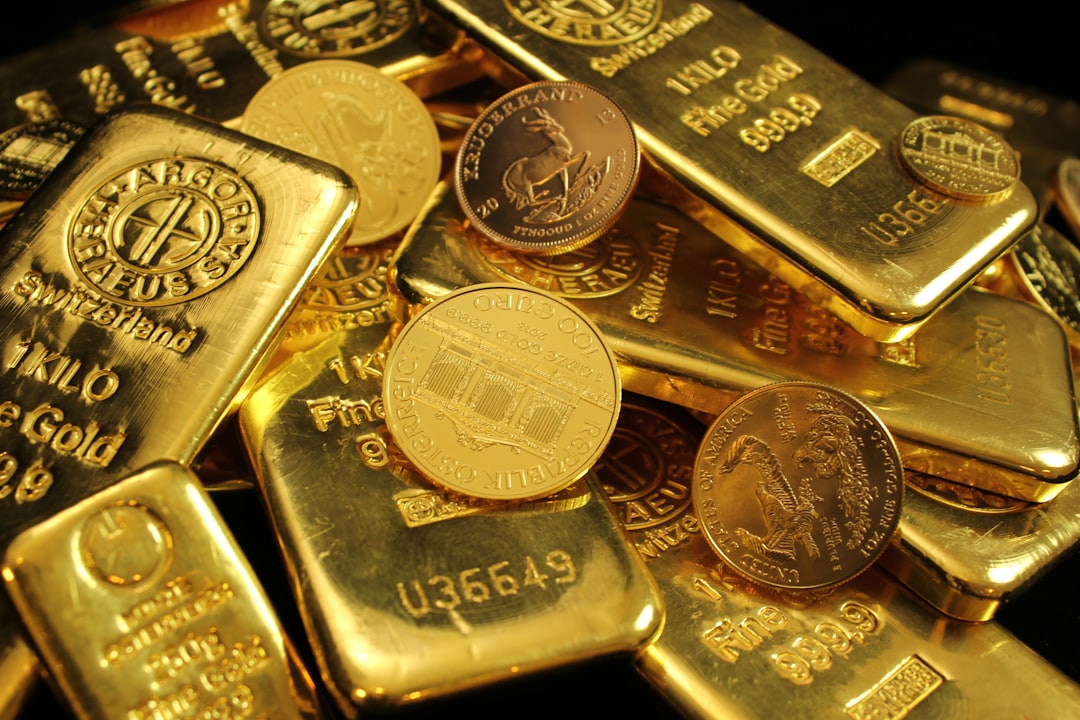
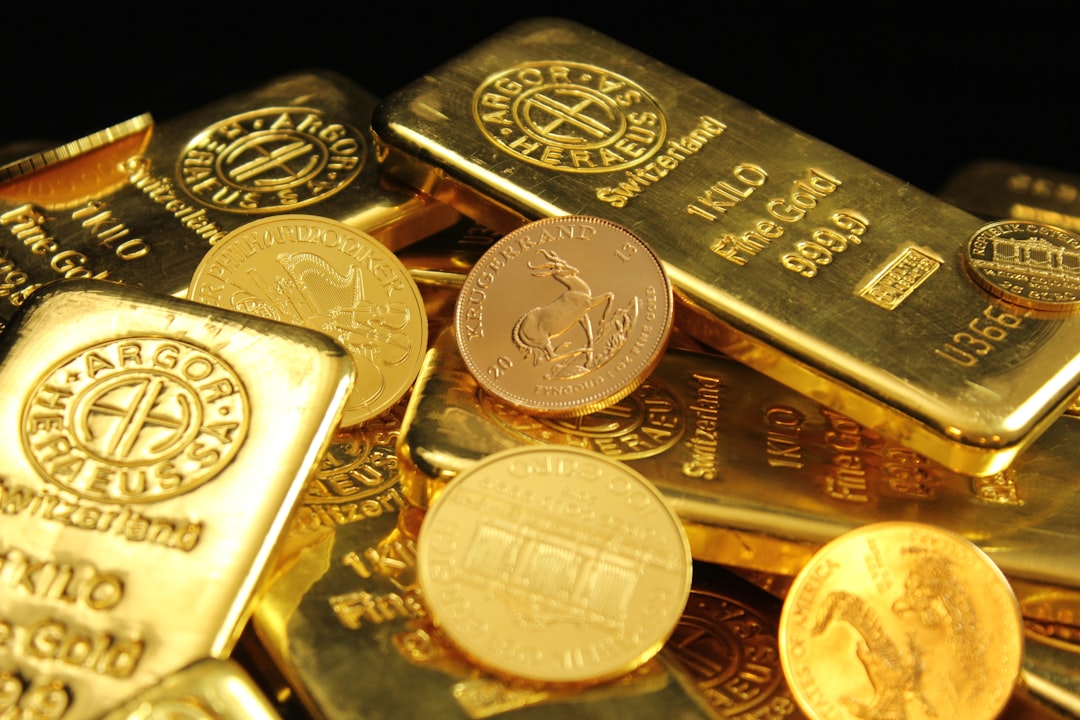
For those interested in tangible assets, physical investments in precious metals are another viable option. Investors might consider purchasing **gold coins** or **bars** from reputable dealers. This method allows for direct ownership of the metals but requires careful consideration of premiums, storage solutions, and liquidity. It is generally advisable to ensure that physical investments represent only a portion of a diversified portfolio, typically ranging from 5% to 15% of total holdings, depending on individual risk tolerance.
As investors evaluate these options, they may find that a combination of ETFs, mining stocks, and physical assets could potentially offer a balanced approach to incorporating gold and silver into their portfolios. Each method carries its own set of advantages and risks, which should be analyzed in the context of broader investment objectives.
4. Important Considerations
Investors considering the purchase or sale of precious metals should be mindful of several important considerations that could influence their investment outcomes. One of the primary factors to consider is the tax implications associated with buying and selling these assets. Precious metals are typically subject to capital gains taxes, which can range from approximately 15% to 20% for long-term gains, depending on individual income levels and specific tax regulations. Therefore, understanding the potential tax burden is crucial for effective financial planning.
In addition to tax considerations, investors should also be aware of the storage fees and insurance costs associated with holding physical metals. These costs can vary significantly based on the chosen storage solution, with fees typically ranging from 0.5% to 1% of the asset value per annum for secure vault storage. Moreover, obtaining insurance for physical metals can add another layer of expense, generally costing about 0.5% of the total value annually. Thus, these ongoing costs can impact overall profitability and should be factored into investment decisions.
Market risks present another critical element that investors must evaluate. Economic downturns, shifts in investor sentiment, and fluctuations in supply and demand can drastically impact precious metal prices. For example, during periods of economic uncertainty, gold may be perceived as a safe haven, potentially driving up its price. Conversely, if economic conditions stabilize, demand may shift away from precious metals, resulting in price declines. Investors should be prepared for this volatility, as it can greatly influence their investment strategies.
In summary, understanding the tax implications, storage fees, insurance costs, and market risks associated with precious metals is essential for investors aiming to navigate this complex asset class effectively. These considerations can help shape a more informed investment approach moving forward.
5. Conclusion
In conclusion, the fluctuations in gold and silver prices are influenced by a myriad of factors, including market demand, prevailing economic conditions, and geopolitical events. Recently, for instance, gold prices dipped by approximately 2.6%, reflecting broader market trends. Such movements may indicate underlying investor sentiment and economic indicators that warrant attention.
Investors should weigh the advantages and disadvantages of incorporating these precious metals into their portfolio. On one hand, gold and silver may serve as a hedge against inflation and currency devaluation, providing a store of value in turbulent times. On the other hand, their prices can be volatile; for example, gold has historically experienced swings of 10-15% within a year, influenced by external economic shocks or shifts in investor sentiment.
- Potential Advantages:
- Gold and silver can diversify an investment portfolio, potentially reducing overall risk.
- These metals might appreciate in value when traditional equities falter.
- Potential Disadvantages:
- Investing in physical precious metals incurs costs related to storage and insurance.
- Their prices may not always correlate with market demand, leading to potential losses.
Ultimately, investors may find value in considering gold and silver within their investment strategies, particularly as part of a balanced approach that includes equities and bonds. Staying informed about market trends, economic indicators, and geopolitical developments is crucial, as these factors may significantly impact the performance of precious metals moving forward.
As always, investors are encouraged to conduct thorough research and analysis before making investment decisions, ensuring alignment with their individual financial goals and risk tolerance.
Disclaimer: This article was generated using AI technology and is for informational and educational purposes only. It does not constitute investment advice, recommendation, or solicitation. All investment decisions are solely the responsibility of the individual investor. Past performance does not guarantee future results. Investments involve significant risks, including the potential loss of principal. Before making any investment decisions, please conduct your own research and consult with qualified financial and tax professionals.