
What Factors Drive Gold and Silver Prices to Record Highs?

1. Introduction/Why this topic matters
Gold and silver have historically been regarded as safe-haven assets, providing a shield against economic downturns and geopolitical uncertainties. These metals tend to retain their value when traditional investments, such as stocks and bonds, experience volatility. Recent events, including escalating geopolitical tensions and persistent inflation concerns, have propelled the prices of gold and silver to record highs, attracting significant attention from investors and market enthusiasts alike.
The price of gold has surged by approximately 20% over recent months, while silver has seen gains of nearly 30%. Such substantial increases may indicate a growing appetite for these precious metals as investors seek to hedge against potential economic instability. Understanding the factors that influence the prices of gold and silver is crucial for investors looking to navigate this volatile landscape.
Several key factors may impact the pricing of these metals. First, geopolitical tensions can lead to increased demand for gold and silver as safe-haven assets. For instance, conflicts or uncertainty in major economies often drive investors toward precious metals, propelling their prices higher. Additionally, inflation concerns play a significant role; as inflation rates increase, the purchasing power of currency diminishes, making tangible assets like gold and silver more attractive. Historically, gold has been viewed as a hedge against inflation, with its value typically rising when inflation exceeds approximately 3-5%.
Furthermore, market dynamics can also influence precious metal prices. For example, the CME Group has previously raised margin requirements during periods of heightened volatility, which can affect trading behaviors and liquidity. Investors may want to keep an eye on these mechanisms, as they could potentially impact their strategies in the precious metals market.
In conclusion, as gold and silver continue to capture the spotlight, understanding the underlying factors affecting their prices is essential for informed investment decisions. Investors may consider these insights as they evaluate their potential positions in the evolving landscape of precious metals.
2. Advantages and Disadvantages
Investors examining the landscape of precious metals such as gold and silver may find themselves weighing the potential advantages and disadvantages of incorporating these assets into their portfolios. As both metals recently reached record highs, the discussion around their roles in investment strategies has become particularly relevant.
2.1 Potential Advantages
- Hedge Against Inflation: Gold and silver tend to retain their value during periods of inflation, acting as a safeguard for investors' purchasing power. Historically, gold prices have risen by approximately 10-15% during inflationary periods, making it a potential choice for those seeking to mitigate inflation risks.
- Portfolio Diversification: Including precious metals in an investment portfolio can enhance diversification. Typically, assets like gold and silver have low correlations with traditional equity markets, which may help stabilize returns during market downturns, potentially reducing overall portfolio volatility.
- Safe-Haven Assets: During times of geopolitical unrest or economic instability, investors often flock to gold and silver as safe-haven assets. This behavior can lead to significant price increases, as seen during past crises, providing a potential buffer against market uncertainty.
- Liquidity: Precious metals are generally considered highly liquid investments. Investors may find it relatively easy to buy and sell gold and silver, especially through exchange-traded funds (ETFs) like GLD (SPDR Gold Shares) and SLV (iShares Silver Trust), facilitating quick access to cash when needed.
2.2 Potential Disadvantages
- No Income Generation: Unlike stocks or bonds, precious metals do not yield any income in the form of dividends or interest. Investors may find that holding gold or silver can lead to opportunity costs, especially when compared to income-generating assets, which typically provide returns in the range of 3-5% annually.
- Market Volatility: The prices of gold and silver can be significantly volatile, influenced by various factors including economic data, interest rates, and geopolitical events. This volatility could lead to sharp price fluctuations, which may not align with the risk tolerance of all investors.
- Storage and Insurance Costs: Physical ownership of precious metals requires considerations for secure storage and insurance, which can add to the overall cost of investment. These expenses can erode potential profits, making it essential for investors to account for them in their strategies.
- Market Manipulation Risks: The precious metals markets can be susceptible to manipulation due to their relatively smaller size compared to broader financial markets. This risk may lead to unexpected price movements, potentially impacting investors' returns.
As investors consider the role of precious metals in their portfolios, understanding these advantages and disadvantages is crucial. In the following section, we will explore the mechanisms behind investing in these assets and the various strategies that can be employed to maximize their potential benefits.
3. Practical options/methods
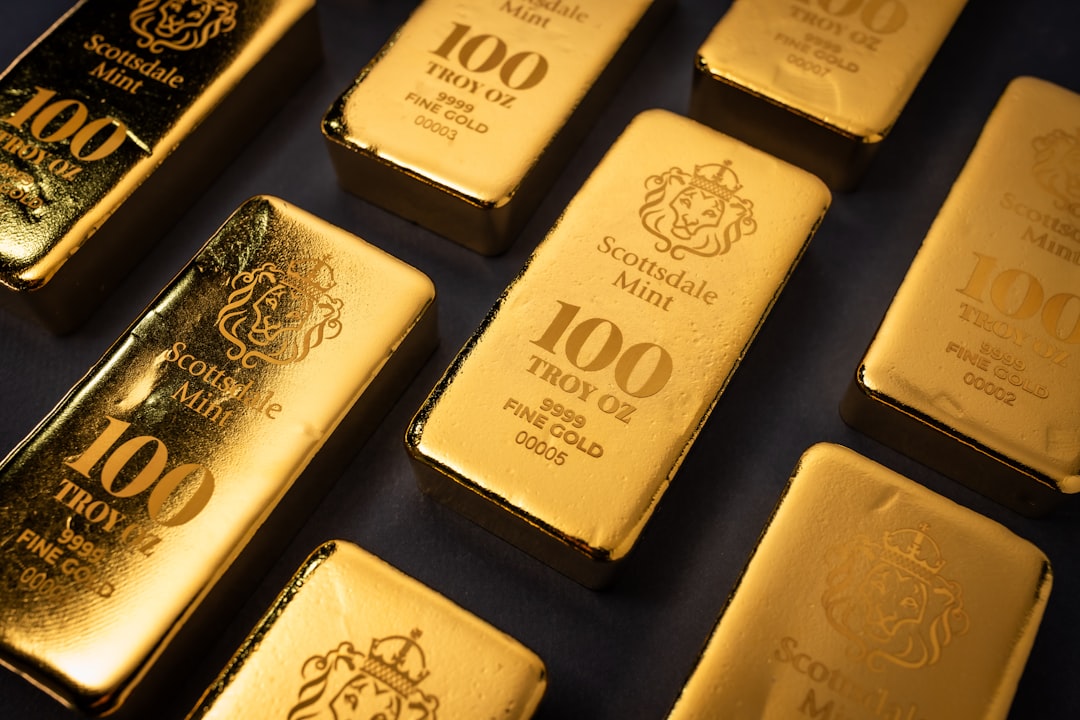
Investors exploring opportunities in precious metals may consider various practical options for exposure to gold and silver, particularly in light of their recent performance amidst geopolitical tensions and inflationary pressures. One traditional method is investing in **physical gold and silver**, which could involve purchasing coins or bars. These tangible assets may appeal to those who prefer to hold their investments directly and could potentially serve as a hedge against economic uncertainty.
Another increasingly popular option is to invest in **Exchange-Traded Funds (ETFs)** that track the price of these metals. For instance, the **SPDR Gold Shares (GLD)** and **iShares Silver Trust (SLV)** are well-known ETFs that provide investors with exposure to gold and silver, respectively, without the need to physically store the metals. GLD aims to reflect the performance of the price of gold bullion, while SLV seeks to track the price of silver, typically maintaining a 1:1 ratio with the underlying assets. These ETFs may offer liquidity and ease of trading, making them an attractive choice for many investors.
Additionally, investors may look into **mutual funds** that focus on **precious metals mining companies**. For example, the **VanEck Vectors Gold Miners ETF (GDX)** invests in companies involved in gold mining, potentially providing indirect exposure to the price of gold while also benefiting from the operational performance of these companies. These funds may typically include a diversified portfolio, which could mitigate some risks associated with individual stock investments.
In summary, whether through physical assets, ETFs, or mutual funds, there are several methods available for investors looking to participate in the precious metals market. Each option carries its own set of advantages and considerations, and understanding these could be crucial for making informed decisions.
4. Important considerations
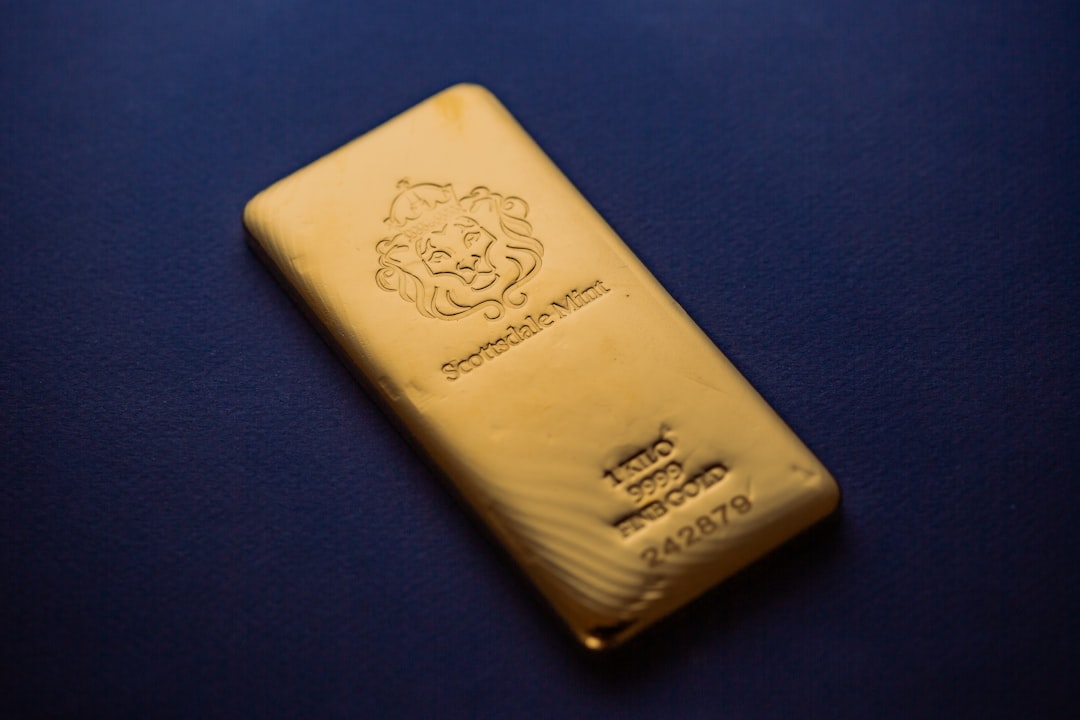
Investors considering an allocation to precious metals such as gold and silver should be mindful of several important considerations that could impact their overall investment strategy. One significant factor is the cost associated with storing and insuring physical metals. Storage fees for precious metals can vary widely, typically ranging from approximately 0.5% to 2% of the total value annually, depending on the provider and the level of security offered. Additionally, the cost of insurance can add another 0.5% to 1% to these expenses, depending on the value of the metals and the terms of the policy. Investors may want to factor these costs into their overall investment calculations, as they could potentially erode returns over time.
Moreover, understanding the tax implications of selling precious metals is crucial. In many jurisdictions, gains from the sale of physical precious metals may be treated as collectibles and taxed at a higher capital gains rate, which could be as high as 28% in the United States, compared to the standard capital gains rate of 15% to 20% for stocks and bonds. This potential tax liability might influence the timing of sales and the overall strategy for holding these assets.
Investors should also consider the inherent risks associated with market volatility and geopolitical factors that could affect precious metal prices. For instance, significant geopolitical tensions or economic uncertainty often lead to increased demand for safe-haven assets, which may drive prices higher. Conversely, a stabilization of these factors could result in price declines. Recent trends have shown that gold and silver can experience substantial fluctuations, with prices sometimes moving by as much as 5% to 10% in a single trading session. Such volatility might necessitate a dynamic investment approach to manage risk effectively.
In summary, while precious metals may present appealing investment opportunities, it is essential for investors to weigh the considerations of storage and insurance costs, tax implications, and market risks carefully. With a comprehensive understanding of these factors, investors can better navigate the complexities of the precious metals market.
5. Conclusion
In conclusion, the dynamics of gold and silver prices are influenced by a multitude of factors, including inflation trends and significant global events. Investors may observe that as inflation rises, the appeal of precious metals tends to increase, often leading to higher prices. For instance, during periods of economic uncertainty or geopolitical tensions, demand for these metals may surge as they are viewed as safe-haven assets.
However, investing in gold and silver can come with inherent risks. The market for these metals is often volatile, characterized by significant price fluctuations that can be triggered by various external factors. For example, in recent trading sessions, gold (GC=F) and silver (SI=F) have experienced both substantial gains and declines, reflecting the unpredictable nature of investor sentiment and market conditions.
Investors might consider the potential benefits of diversifying their portfolios with precious metals, as they could serve as a hedge against inflation and currency devaluation. Yet, it is crucial to acknowledge the risks involved, including the possibility of price corrections and the impact of changes in interest rates, which can influence the attractiveness of non-yielding assets like gold and silver.
- Market Volatility: Precious metals may experience sharp price swings.
- Inflation Hedge: Historically, gold and silver have been viewed as a safeguard against inflationary pressures.
- Investment Strategy: Investors should align their exposure to these metals with their overall investment objectives and risk tolerance.
- Consult Experts: It is advisable to engage with financial professionals to navigate the complexities of investing in precious metals.
As investors navigate these turbulent waters, it is essential to remain vigilant and continuously monitor market conditions. Ongoing research and careful consideration of one’s investment strategy can aid in making informed decisions in an ever-changing economic landscape.
Disclaimer: This article was generated using AI technology and is for informational and educational purposes only. It does not constitute investment advice, recommendation, or solicitation. All investment decisions are solely the responsibility of the individual investor. Past performance does not guarantee future results. Investments involve significant risks, including the potential loss of principal. Before making any investment decisions, please conduct your own research and consult with qualified financial and tax professionals.