
What Factors Drive Silver Prices Amid Economic Changes?

1. Why Consider Silver Prices
Investors may find it essential to consider silver prices due to the metal's dual role as both a key industrial component and a popular investment choice. Silver is widely utilized in various industries, including electronics, solar energy, and medical applications. Its industrial demand can account for approximately 50% of total silver consumption, which highlights its importance beyond just being a precious metal. As global economies evolve and technology advances, the industrial demand for silver could potentially increase, influencing its price dynamics.
Moreover, silver is often regarded as a safe haven asset during periods of economic uncertainty. Investors may turn to silver when traditional markets experience volatility, particularly when inflation rises or geopolitical tensions heighten. This behavior can lead to spikes in silver prices, as seen in past financial crises. Understanding the correlation between silver prices and macroeconomic indicators, such as inflation rates and currency fluctuations, can be beneficial for making informed investment decisions.
Factors influencing silver prices include:
- Currency Strength: A weaker U.S. dollar tends to make silver more affordable for buyers using other currencies, potentially driving demand and prices higher.
- Interest Rates: Lower interest rates can lead to increased investment in non-yielding assets like silver, as the opportunity cost of holding such metals diminishes.
- Supply and Demand Dynamics: Changes in mining output, recycling rates, and industrial demand can significantly impact silver supply, thus affecting prices. For instance, if mining production falls by approximately 5% year-over-year, it could create upward pressure on prices.
As Barrick Mining (TSX:ABX) shifts its focus beyond gold to include silver, among other resources, investors may want to reassess their understanding of silver's role in the broader commodities market. The recent increases in precious metal prices, driven by dollar weakness and lower treasury yields, suggest that silver could remain a vital asset in a diversified investment portfolio.
2. Advantages and Disadvantages
Investors analyzing Barrick Mining (TSX:ABX) may find it essential to weigh the potential advantages and disadvantages of investing in silver. As Barrick expands its focus beyond gold to include silver and other materials, understanding the dynamics of silver as an asset class is crucial.
2.1 Potential Advantages
- Hedge Against Inflation: Silver tends to serve as a reliable hedge against inflation and currency devaluation. In periods of economic uncertainty, the demand for tangible assets like silver may increase, potentially preserving investor wealth.
- Industrial Demand: The growing demand for silver in industries such as electronics and renewable energy could drive prices higher. For example, approximately 55% of silver demand is from industrial applications, which may further support price stability and growth.
- Portfolio Diversification: Including silver in an investment portfolio may enhance diversification. Historically, silver has had a low correlation with stocks and bonds, which could help reduce overall portfolio volatility.
- Market Sentiment: In times of dollar weakness, silver prices may rise, making it more appealing for foreign investors. Typically, a 1% decline in the U.S. dollar index can lead to a corresponding increase in silver prices by approximately 0.5% to 1%.
2.2 Potential Disadvantages
- Price Volatility: Silver prices can be highly volatile, influenced by speculative trading and broader economic conditions. Historical data shows that silver prices can fluctuate by as much as 10-15% within a short period, which might deter risk-averse investors.
- Storage and Security Challenges: Investors in physical silver may face challenges related to storage and security. Unlike digital assets or stocks, physical silver requires secure storage solutions, which may incur additional costs and logistical concerns.
- Market Manipulation Risks: The silver market has historically been susceptible to manipulation, which might create unpredictable price movements. Investors should be cautious and conduct thorough research before committing capital to this asset class.
- Limited Income Generation: Unlike dividend-paying stocks or interest-bearing bonds, silver does not generate income. This lack of cash flow may be a disadvantage for income-focused investors looking for steady returns.
As investors consider the implications of Barrick Mining's name change and strategic direction, understanding the advantages and disadvantages of silver investment could provide valuable insights for decision-making.
3. Practical Options/Methods
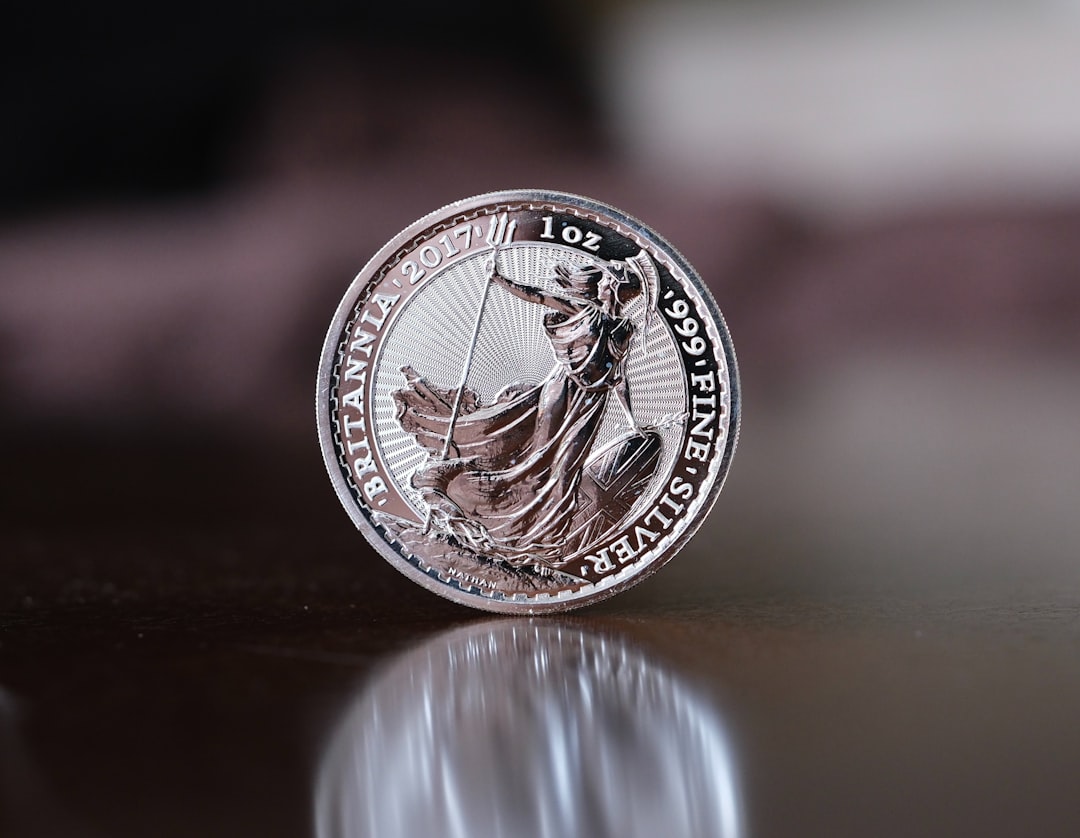
Investors exploring ways to incorporate silver into their portfolios may find several practical options and methods worth considering. One approach is investing in physical silver through coins and bars from reputable mints, such as the U.S. Mint or Royal Canadian Mint. This method allows investors to hold tangible assets, which could potentially serve as a hedge against inflation and currency fluctuations. The premiums on these products may vary, typically ranging from 5-10% above the spot price of silver, depending on the market demand and rarity of the coins.
Another viable option for gaining exposure to silver prices is through silver exchange-traded funds (ETFs). For instance, SLV (iShares Silver Trust) and SIVR (Sprott Silver Trust) offer investors a convenient way to invest in silver without the complexities of physical storage and security. These ETFs tend to track the performance of silver bullion closely and provide significant liquidity, allowing investors to buy and sell shares easily. The expense ratios for these funds are generally low, often falling within the 0.5-1.0% range, making them a cost-effective option for exposure to silver.
Investors may also consider allocating capital to mining stocks or funds that focus on silver production. For example, SIL (ETFMG Prime Junior Silver Miners ETF) provides exposure to a diversified portfolio of junior silver mining companies. This approach could potentially yield gains driven by both rising silver prices and the operational efficiencies of the underlying companies. However, it is essential to note that mining stocks can be more volatile than physical silver or ETFs, with price fluctuations influenced by factors such as production costs, geopolitical risks, and market sentiment.
As investors weigh these options, they may want to consider their risk tolerance and investment objectives carefully. Each method has its own set of advantages and potential drawbacks, which could significantly impact overall portfolio performance.
4. Important Considerations
Investors considering exposure to silver as part of their broader investment strategy should be aware of several important considerations that could impact their overall returns. One crucial factor is the tax implications associated with different methods of holding silver. For instance, physical silver may incur capital gains taxes when sold, which typically range from 15% to 20% for long-term holdings, depending on the investor's income level and the applicable tax regulations. In contrast, silver exchange-traded funds (ETFs), such as SLV (iShares Silver Trust), may have different tax treatments, including the potential for lower tax rates on long-term capital gains, making them an attractive alternative for some investors.
Furthermore, the fees associated with buying, selling, and storing physical silver should also be factored into the overall investment cost. These can vary significantly depending on the dealer and the form of silver purchased, with premiums often ranging from 5% to 15% above the spot price for bullion coins or bars. Additionally, storage fees for physical assets can range from 0.5% to 1% of the asset value per year, which could diminish the investment's overall profitability.
Market risks also play a substantial role in the valuation of silver investments. Factors influencing silver prices may include fluctuations in demand and supply, which are often dictated by industrial usage and investor sentiment. For example, geopolitical tensions can lead to increased demand for precious metals as safe-haven assets, while changes in economic indicators, such as interest rates and inflation, can also impact investor behavior. Consequently, investors should be prepared for potential volatility; silver prices may be subject to significant fluctuations, sometimes swinging by more than 10% within short time frames, depending on market conditions.
In conclusion, while silver might offer a compelling investment opportunity, investors should carefully evaluate the associated tax implications, fees, and market risks. Such due diligence could provide a clearer understanding of how these factors might influence their investment outcomes.
5. Conclusion
In conclusion, understanding the various factors driving silver prices can enhance investment strategies and risk management for investors. The dynamics of silver pricing are influenced by a confluence of elements, including currency fluctuations, global economic indicators, and changes in interest rates. For instance, when the US dollar weakens, silver, like other precious metals, tends to appreciate, making it a more attractive asset for investors holding other currencies. This inverse relationship can provide opportunities for strategic entry points in the market.
Moreover, with the recent shifts in the mining sector, such as Barrick Mining’s name change to reflect a broader commodity focus, investors may find it beneficial to reassess their portfolios. The incorporation of silver could potentially diversify risk, especially as precious metals often serve as a hedge against inflation and economic uncertainty. Historical data suggests that a diversified portfolio containing 5-10% in precious metals, including silver, might improve overall returns while mitigating downside risks during volatile market conditions.
Investors should also consider conducting thorough research into market trends, supply and demand dynamics, and geopolitical factors that could impact silver prices. For example, changes in industrial demand for silver, particularly in technology and renewable energy sectors, might create additional price pressures. Furthermore, monitoring developments in mining projects, like the Versamet Gold Stream agreement or Agnico Eagle Mines’ exploration initiatives, could provide insights into future supply scenarios.
As the landscape of precious metals continues to evolve, investors are encouraged to keep a close watch on these conditions. Ongoing analysis and a willingness to adapt strategies in response to changing market dynamics could potentially yield gains over time. Ultimately, conducting independent research remains essential to making informed investment decisions in the precious metals sector.
Disclaimer: This article was generated using AI technology and is for informational and educational purposes only. It does not constitute investment advice, recommendation, or solicitation. All investment decisions are solely the responsibility of the individual investor. Past performance does not guarantee future results. Investments involve significant risks, including the potential loss of principal. Before making any investment decisions, please conduct your own research and consult with qualified financial and tax professionals.