
What Factors Drive Silver Prices During Market Fluctuations?

1. Introduction/Why this topic matters
Understanding the dynamics of silver prices is crucial for investors and traders looking to navigate the complexities of the commodities market. Silver, as a unique asset, serves a dual purpose: it functions both as an industrial metal and as a precious metal. This duality may lead to a variety of price drivers, which could potentially include supply and demand fluctuations in the industrial sector, investment trends, and macroeconomic indicators.
Market fluctuations can significantly impact silver prices, influenced by a myriad of factors including economic conditions, geopolitical events, and social trends. For instance, during periods of economic uncertainty, investors may flock to silver as a safe-haven asset, similar to gold, potentially driving prices up. Conversely, in robust economic climates where industrial demand rises, such as in technology or renewable energy sectors, silver's price may also increase, reflecting its essential role in manufacturing.
Recent market events have illustrated this complexity. For example, following announcements related to Treasury buyback programs, the prices of precious metals—including gold and silver—saw notable increases, suggesting a potential correlation between government monetary policy and metal valuations. Additionally, developments in exploration projects, such as those by Metalero Mining (TSXV: MLO) and Pinnacle Silver & Gold Corp (TSX-V:PINN), might also affect market sentiment, as successful discoveries could lead to increased supply and investor interest.
Investors should be aware that silver prices may fluctuate within a typical range, often observing movements of approximately 3-5% based on immediate market factors. Understanding these dynamics is essential for making informed decisions in the silver market, especially as global events continue to play a pivotal role in shaping economic landscapes.
Next, we will explore the specific factors that contribute to the pricing of silver, including industrial demand, investment trends, and geopolitical influences.
2. Advantages and Disadvantages
Investors considering silver as part of their investment strategy may want to weigh the potential advantages and disadvantages carefully. Understanding these factors could aid in making informed decisions about incorporating silver into a diversified portfolio.
2.1 Potential Advantages
- Inflation Hedge: Silver often acts as a hedge against inflation and currency devaluation. Historical data suggests that during periods of high inflation, silver prices may rise as investors seek tangible assets to preserve purchasing power.
- Portfolio Diversification: Investing in silver can diversify an investment portfolio, potentially reducing overall risk. By allocating a portion of their portfolio to silver, investors might mitigate the volatility associated with traditional equities or bonds, which typically correlate with broader market movements.
- Industrial Demand: The demand for silver in industrial applications, including electronics and solar panels, can support its price. Approximately 50% of silver's demand comes from industrial uses, which could create a stable base for pricing, especially in growing sectors.
- Historical Store of Value: Silver has been viewed as a store of value for centuries. This historical significance may lead investors to perceive silver as a safe haven during times of economic uncertainty, potentially driving demand and price stability.
2.2 Potential Disadvantages
- Price Volatility: Silver prices can be highly volatile, often influenced by speculative trading. The average annual price fluctuation for silver can range from 15% to 25%, which may pose risks for short-term investors.
- Market Influences: The market for silver can be susceptible to various external factors, including mining output and shifts in industrial demand. For example, increased mining production or a slowdown in manufacturing can lead to unpredictable price swings.
- Liquidity Concerns: While silver is traded globally, certain forms of silver investments, such as collectibles or smaller coins, may have lower liquidity. This could make it challenging for investors to sell their holdings quickly without impacting price.
- Storage Costs: Physical silver requires secure storage, which may incur additional costs. Investors must consider these expenses when evaluating the overall profitability of investing in physical forms of silver.
As investors analyze these advantages and disadvantages, they may find that silver's role in their investment strategy will depend on their individual risk tolerance and market outlook. Transitioning to a comprehensive understanding of silver's market dynamics and the factors influencing its price is crucial for making educated investment decisions.
3. Practical options/methods
Investors exploring the silver market have several practical options for exposure, each with its own set of advantages and potential drawbacks. One method gaining traction is investing in silver exchange-traded funds (ETFs), such as the iShares Silver Trust (SLV). These funds offer investors the ability to gain exposure to silver prices without the need for physical ownership, which can be cumbersome due to storage and security concerns. Historically, silver ETFs have been favored for their liquidity and ease of trading, potentially appealing to those who prefer a more hands-off approach.
Another avenue for indirect investment in silver is through silver mining stocks. Companies like First Majestic Silver Corp (AG) provide investors with exposure to the silver market while benefiting from the operational efficiencies and management strategies of the mining sector. Mining stocks can be volatile, often influenced by not only silver prices but also operational risks and geopolitical factors. The potential for higher returns may exist, but investors should be aware that mining stocks can also carry greater risks compared to direct silver investments.
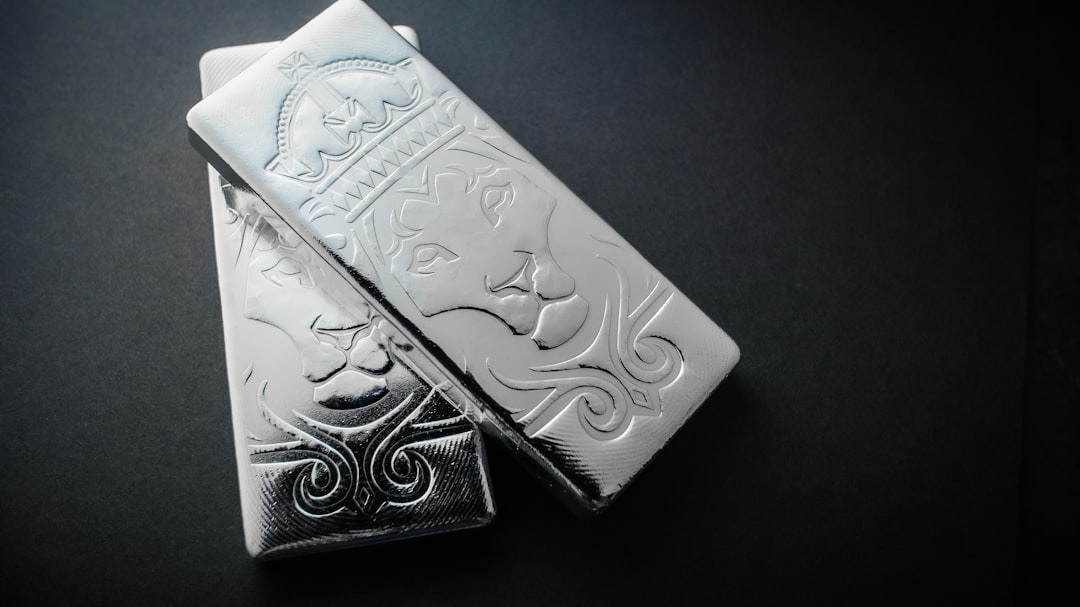
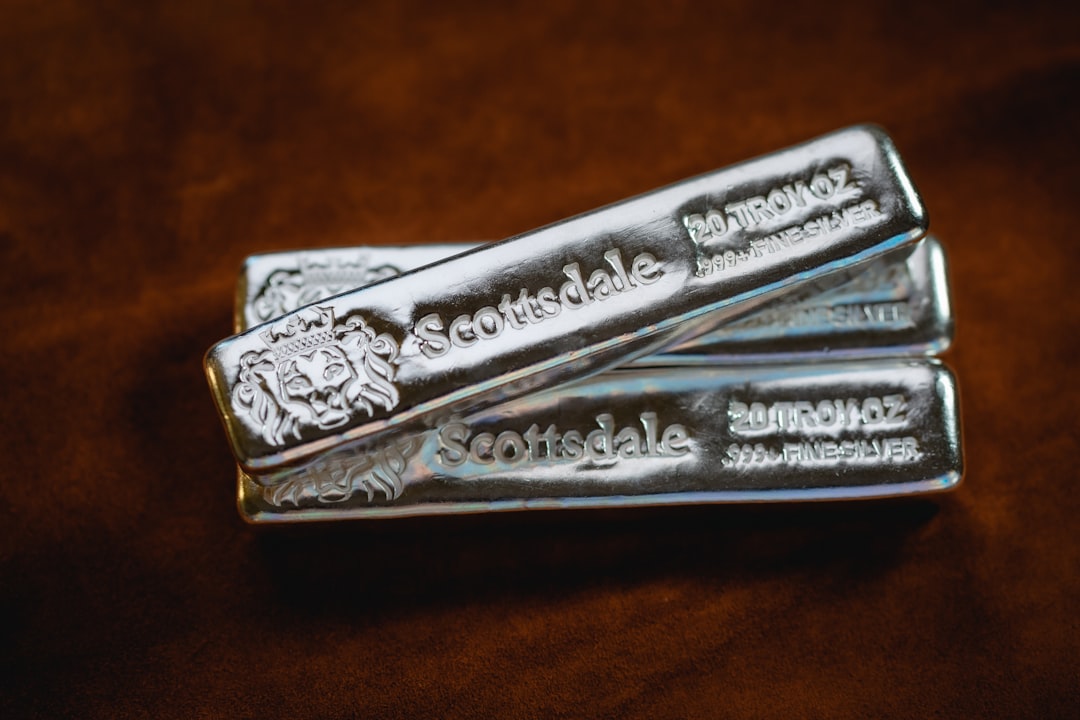
For those who prefer tangible assets, investing in physical silver can be an appealing option. Purchasing bullion or coins allows investors to hold a physical representation of their investment, which might be particularly attractive during times of economic uncertainty. The typical premium on physical silver can range between 5-15% over the spot price, depending on the form and market conditions. However, investors should consider the additional costs associated with storage and insurance, as well as the potential for liquidity issues when needing to sell.
Ultimately, the method of investing in silver may depend on an investor's risk tolerance, investment strategy, and preferences for physical versus financial assets. Each option presents unique characteristics that can potentially align with an investor's broader financial goals.
4. Important considerations
Investors considering silver as part of their portfolio should be mindful of several important considerations that could impact their investment outcomes. One key aspect is the tax implications associated with silver holdings, which can differ significantly based on whether the silver is classified as a collectible or an investment. For instance, if silver is deemed a collectible, it may be subject to a higher capital gains tax rate of up to 28%, compared to the standard long-term capital gains tax rate of 15% to 20% that typically applies to investments. This distinction could lead to substantial differences in net returns for investors.
Another critical factor to consider is the fees associated with investing in silver. Investors in silver exchange-traded funds (ETFs) should be aware that these financial instruments often incur management fees, which can range from approximately 0.5% to 1.5% of assets under management annually. Additionally, those opting for physical silver must account for storage costs, which can typically be around 1% to 2% of the total value of the holdings per year, depending on the security measures employed.
Market risks also play a vital role in silver investment. The price volatility of silver can be pronounced, with historical fluctuations seeing silver prices move within a range of approximately 20% to 30% over short periods. Furthermore, external factors, including geopolitical influences, can unexpectedly affect silver prices. For example, tensions in key silver-producing regions or significant shifts in currency strength may lead to abrupt price changes, impacting investor returns.
As investors evaluate their positions in silver, understanding these considerations may assist in making informed decisions and managing potential risks effectively. With the current market dynamics and ongoing exploration efforts in the silver sector, such as those by companies like Metalero Mining (TSXV: MLO) and Pinnacle Silver & Gold Corp (TSX-V:PINN), the landscape may present both challenges and opportunities that warrant careful analysis.
5. Conclusion
A thorough understanding of the factors influencing silver prices is essential for informed investment decisions. Key elements such as supply and demand dynamics, geopolitical tensions, and macroeconomic indicators can significantly impact the price of silver. For instance, fluctuations in industrial demand, which accounts for approximately 50% of silver consumption, can drive prices up or down. Additionally, the performance of precious metals often correlates with broader economic conditions, with silver typically moving in tandem with gold prices, which tend to react to changes in interest rates and inflation expectations.
Investors should weigh the advantages and disadvantages carefully before entering the silver market. On the one hand, silver can serve as a hedge against inflation and currency devaluation, often appreciated during times of economic uncertainty. On the other hand, the volatility associated with silver prices can be a disadvantage for risk-averse investors. For example, historical data indicates that silver can experience price swings of 10-15% within short periods, which may not align with every investor's risk tolerance.
- Advantages:
- Potential hedge against inflation
- Diverse industrial applications
- Disadvantages:
- High volatility
- Market sentiment-driven fluctuations
As the market evolves, investors may find it beneficial to stay informed about trends influencing silver prices, including developments in mining companies like Metalero Mining (TSXV: MLO) and Pinnacle Silver & Gold Corp (TSX-V:PINN). Additionally, monitoring the interplay between global economic conditions and the performance of related assets like gold could provide insights into potential shifts within the silver market.
Investors are encouraged to consider diversifying their portfolios with silver investments, which might offer opportunities in a fluctuating market landscape. However, it is crucial for each investor to conduct thorough research and remain vigilant about market conditions to align their investment strategies with individual financial goals.
Disclaimer: This article was generated using AI technology and is for informational and educational purposes only. It does not constitute investment advice, recommendation, or solicitation. All investment decisions are solely the responsibility of the individual investor. Past performance does not guarantee future results. Investments involve significant risks, including the potential loss of principal. Before making any investment decisions, please conduct your own research and consult with qualified financial and tax professionals.