
What New AI Chips Challenge Nvidia's Market Dominance?

1. Why Consider New AI Chips
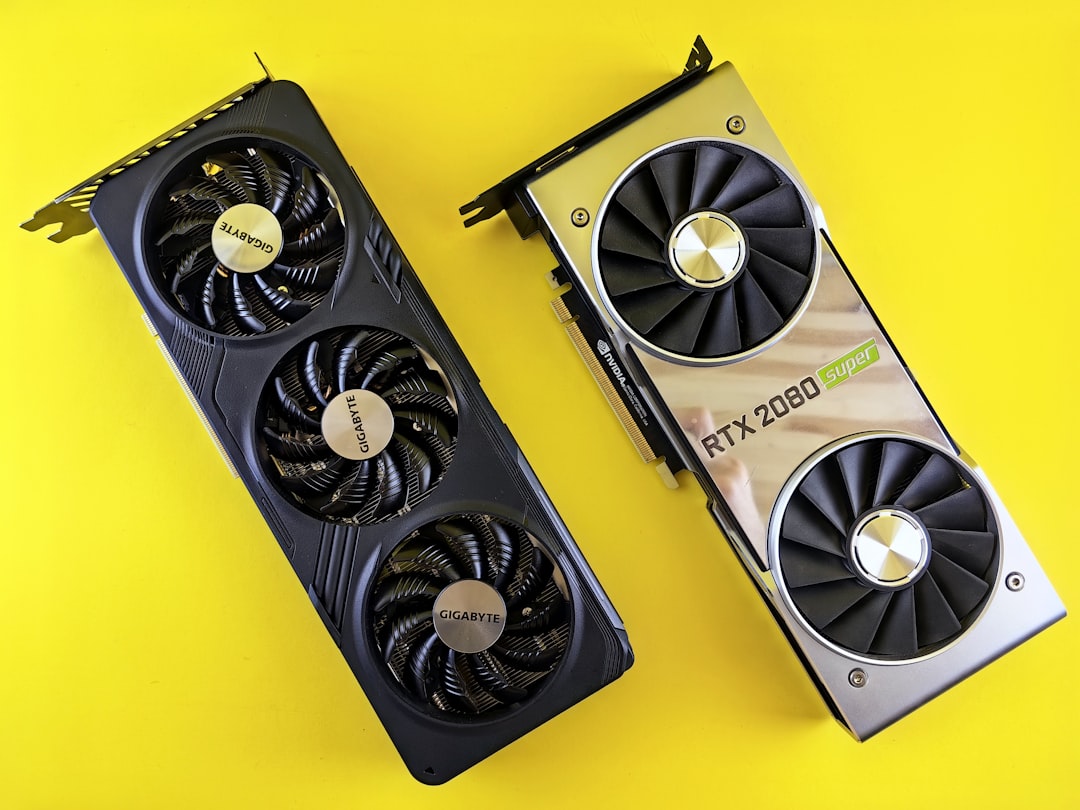
Investors may find the current landscape of the artificial intelligence (AI) chip market particularly intriguing, especially in light of Nvidia Corporation (NVDA) maintaining a dominant position. As of recent reports, Nvidia controls approximately 95% of the global market share for AI chip sales, capitalizing on its advanced architecture and robust software ecosystem. This dominance, however, is increasingly being challenged by emerging competitors like Moore Threads Technology and Cerebras Systems.
Moore Threads, a Chinese chip designer, has recently unveiled a new suite of AI chips that could potentially disrupt Nvidia's market lead. Their next-generation chip architecture is specifically designed to optimize performance for AI applications, aiming to capture a share of the burgeoning demand for AI processing power. The company’s innovations are particularly noteworthy as they may offer competitive pricing and localized solutions in regions where Nvidia's products are less accessible.
Similarly, Cerebras Systems is also positioning itself as a viable competitor in the AI chip market. The company is reportedly preparing to refile for a U.S. initial public offering, a move that could signal increased investor interest and confidence in its technology. Cerebras has developed chips with an unprecedented number of cores, which may allow for more efficient processing of large datasets, a critical requirement for advanced AI applications.
The importance of innovation in AI technology cannot be overstated. As the demand for AI continues to rise, driven by applications in various sectors such as healthcare, finance, and autonomous systems, the need for efficient and powerful AI chips becomes paramount. Investors may consider that the advancement of competitors could foster an environment of innovation that ultimately benefits the entire industry, potentially leading to better products and lower prices for consumers.
In summary, while Nvidia currently enjoys a formidable market position, the emergence of competitors like Moore Threads and Cerebras Systems may introduce new dynamics to the AI chip landscape. Investors should remain vigilant about these developments as they could shape future investment opportunities.
2. Advantages and Disadvantages
As the competition in the artificial intelligence (AI) chip market intensifies, particularly with the introduction of new players like Moore Threads Technology, it is essential for investors to evaluate both the potential advantages and disadvantages associated with this evolving landscape.
2.1 Potential Advantages
- Increased Competition: The entry of new chip designers may lead to enhanced competition, which could potentially result in better prices for consumers. As companies strive to capture market share, price wars may emerge, benefiting end-users.
- Diverse Chip Architectures: Different chip architectures can optimize performance for specific AI tasks. For instance, while Nvidia (NVDA) chips may excel in general-purpose AI workloads, newer entrants like Moore Threads could offer specialized options that enhance efficiency in particular applications.
- Opportunities for Investors: As emerging technologies gain traction, investors may find lucrative opportunities in the AI sector. Startups focused on innovative solutions, such as Cerebras Systems, may present an avenue for substantial returns, particularly if they successfully navigate the IPO process.
2.2 Potential Disadvantages
- Market Fragmentation: The proliferation of various AI chips could lead to market fragmentation, which may confuse consumers and businesses. Differing standards and compatibility issues could complicate decision-making processes for organizations seeking to implement AI solutions.
- Lack of Proven Reliability: New entrants into the market may not have the established reliability and support systems that legacy brands offer. This could deter businesses from adopting new technologies, as they might prioritize stability and proven performance over novelty.
- Investment Risks: Engaging with volatile startup companies carries inherent risks. Investors may find themselves navigating an unpredictable landscape, where many startups may fail to achieve sustainable growth, leading to potential losses.
In summary, while the advancements in AI chip technology present exciting opportunities, they also come with a set of challenges that investors must carefully consider. Understanding these dynamics is crucial for informed investment decisions moving forward.
3. Practical Options/Methods
Investors looking to capitalize on the growing influence of artificial intelligence (AI) may consider a variety of practical options and methods that span diversified portfolios and individual stocks. One avenue worth exploring is investing in AI-focused exchange-traded funds (ETFs), such as the Global X Robotics & Artificial Intelligence ETF (BOTZ). This ETF provides exposure to companies that are at the forefront of AI and robotics, potentially yielding returns that align with the sector's growth trajectory.
In addition to ETFs, individual stocks represent another approach for investors wanting to target specific players in the AI space. For instance, Palantir Technologies Inc. (PLTR) has established itself as a prominent provider of data analytics software, which could benefit from the increasing demand for AI-driven solutions. Analysts suggest that Palantir’s focus on government and commercial contracts may provide a robust foundation for future revenue growth, potentially appealing to investors interested in long-term value.
Another noteworthy contender is Cerebras Systems, which is reportedly preparing to refile for a U.S. initial public offering (IPO). As a company that specializes in AI hardware, Cerebras could present a compelling investment opportunity, especially if its forthcoming products gain traction in a market that is traditionally dominated by rivals like Nvidia Corporation (NVDA).
Furthermore, utilizing cloud platforms that incorporate innovative AI architectures may also be a strategic move. Companies like Moore Threads are unveiling new AI chips designed to challenge established players in the market. Investors may find that cloud services incorporating these architectures provide enhanced capabilities, potentially leading to improved operational efficiencies and performance for businesses adopting them.
In summary, investors have a range of practical options to consider when looking to invest in the AI sector. By exploring avenues such as AI-focused ETFs, individual stocks like Palantir Technologies and Cerebras Systems, and cloud platforms that leverage new AI technologies, investors may position themselves to benefit from the ongoing advancements in this transformative field. As the landscape continues to evolve, staying informed about these developments will be crucial for making sound investment decisions.
4. Important Considerations
Investors considering the burgeoning field of technology stocks, particularly in the realm of artificial intelligence, may want to reflect on several important considerations that could impact their investment decisions. Understanding the tax implications of investing in technology stocks is crucial, as capital gains taxes can significantly affect net returns. For instance, short-term capital gains, typically taxed at ordinary income rates, may be as high as 37% for high-income earners, while long-term capital gains could range from 0% to 20% depending on income levels. Investors might want to consider holding stocks for over a year to potentially benefit from the lower tax rates associated with long-term gains.
Additionally, the fees associated with exchange-traded funds (ETFs) and mutual funds can further impact overall investment returns. Expense ratios for ETFs generally range from approximately 0.05% to 0.75%, while mutual funds may charge higher fees, averaging around 1% to 1.5%. This means that, for a hypothetical investment of $10,000, a 1% fee could potentially erode returns by around $100 annually, depending on the fund's performance. Investors may want to conduct thorough comparisons of expense ratios before making decisions, as lower fees can lead to significantly better returns over time.
Finally, evaluating the risks of investing in newer companies versus established leaders is essential. Emerging tech firms, such as Cerebras Systems, may offer high growth potential but typically come with increased volatility and uncertainty. For instance, while established companies like Nvidia Corporation (NVDA) may have more stable earnings and a proven track record, newer entrants could potentially provide greater upside if they succeed in capturing market share. Investors should weigh these factors carefully, as the potential for high returns in nascent companies might be counterbalanced by the risks associated with their less predictable performance.
5. Conclusion
In summary, the competitive landscape in the AI chip manufacturing sector is rapidly evolving, with firms like Moore Threads Technology entering the fray to challenge established players such as Nvidia Corporation (NVDA). This shift may signify a diversification of options for consumers and businesses, as well as an increase in competition that could lead to innovation and pricing pressures. Additionally, companies like Cerebras Systems are considering initial public offerings, which may further reshape market dynamics.
Investors should recognize that staying informed about emerging technologies is crucial in this fast-paced environment. The discourse surrounding AI, particularly in the context of ethical considerations and economic implications, as highlighted by figures like Senator Bernie Sanders, underscores the importance of understanding the broader impacts of these innovations. As AI continues to permeate various sectors, the potential for transformative change tends to increase, making it essential for investors to be aware of both opportunities and risks.
Furthermore, as demand for artificial intelligence remains robust, investors may find themselves weighing options between established giants like Nvidia and rising competitors such as Palantir Technologies Inc. (PLTR). The varying growth trajectories and market positions of these companies could influence investment strategies significantly.
In conclusion, key takeaways include:
- The landscape of AI chip manufacturing is becoming increasingly competitive, with new entrants challenging established giants.
- Staying informed about emerging technologies is essential for navigating potential investment opportunities.
- Investors may benefit from diversifying their portfolios to include a mix of established and emerging players in the AI sector.
Investors should continuously monitor market conditions and technological advancements, as these factors will likely influence future investment landscapes. Conducting thorough research is critical before making any investment decisions, especially in such a dynamic field.
Disclaimer: This article was generated using AI technology and is for informational and educational purposes only. It does not constitute investment advice, recommendation, or solicitation. All investment decisions are solely the responsibility of the individual investor. Past performance does not guarantee future results. Investments involve significant risks, including the potential loss of principal. Before making any investment decisions, please conduct your own research and consult with qualified financial and tax professionals.