
What Nvidia's Aging GPUs Mean for Oracle's AI Strategy

1. Why Consider Nvidia's Aging GPUs and Oracle's AI Strategy
Nvidia Corporation (NVDA) has emerged as a pivotal player in the artificial intelligence (AI) landscape, largely due to its advancements in graphics processing unit (GPU) technology. The performance of these GPUs is critical for running complex AI applications, which may require significant computational power. As cloud services increasingly pivot towards AI functionalities, Nvidia's role becomes even more pronounced, potentially driving demand for its products across various sectors.
Oracle Corporation (ORCL), a key player in cloud computing, has built its AI strategy around leveraging Nvidia's advanced GPU technology. This reliance underscores the importance of GPU performance in Oracle's offerings, which are designed to deliver efficient and scalable AI solutions. However, recent developments have raised questions about Oracle's capabilities in this fast-evolving market, particularly in light of the company's reported loss of a significant AI deal with Microsoft Corporation (MSFT), attributed to the aging GPU technology in use.
Investors may consider this situation indicative of broader market trends. Oracle's assertion that its older GPUs still command a premium price could reflect a disconnect between perceived value and actual performance capabilities. In a sector where computational efficiency can dictate competitive advantage, the shift by Microsoft to deactivate the AI servers rented from Oracle may signal that the premium on older technology is dwindling. If Oracle cannot effectively evolve its hardware offerings, it may face challenges in retaining clients and attracting new business in a rapidly maturing market.
While Nvidia's GPUs have become synonymous with high-performance AI applications, the critical reliance on this technology by companies like Oracle could lead to vulnerabilities when those technologies become outdated. Further analysis may reveal whether Oracle's current dilemma is an isolated incident or a symptom of larger challenges facing firms that base their strategies on aging technology.
As the AI boom continues to unfold, investors might want to keep a close eye on companies that could potentially capitalize on these developments, as well as those that may struggle to keep pace with innovation.
2. Advantages and Disadvantages
In evaluating the implications of Oracle's reliance on older Nvidia GPUs, it is essential to consider both the potential advantages and disadvantages that this situation presents for investors.
2.1 Potential Advantages
- Established Brand Reputation: Nvidia GPUs have a long-standing reputation in the AI market, which may instill confidence among clients seeking reliable performance for their workloads.
- Higher Premium Pricing: The premium pricing that Oracle commands for its older GPUs could indicate a perceived value among certain clients, suggesting that legacy technology still holds merit in specific applications.
- Leverage Existing Infrastructure: Oracle's existing infrastructure may enable the effective utilization of older GPUs without an immediate necessity for upgrades, potentially reducing capital expenditure in the short term.
2.2 Potential Disadvantages
- Competitive Edge Risks: There is a significant risk of losing competitive edge as newer GPU technologies from competitors like Advanced Micro Devices, Inc. (AMD) or upcoming models from Nvidia enter the market, which could lead to diminished market share.
- Decreased Client Demand: As clients increasingly seek cutting-edge performance, there may be a potential for decreased demand for Oracle's older GPU offerings, impacting revenue streams.
- Financial Implications: Maintaining older technology amid evolving AI requirements could lead to escalating costs and inefficiencies, which may strain Oracle's financials over time, particularly if clients migrate to competitors for advanced solutions.
Investors should closely monitor these dynamics as they could influence Oracle's positioning in an increasingly competitive landscape. Understanding these advantages and disadvantages can provide deeper insights into the potential trajectory of the company's stock performance and overall market standing.
3. Practical Options/Methods
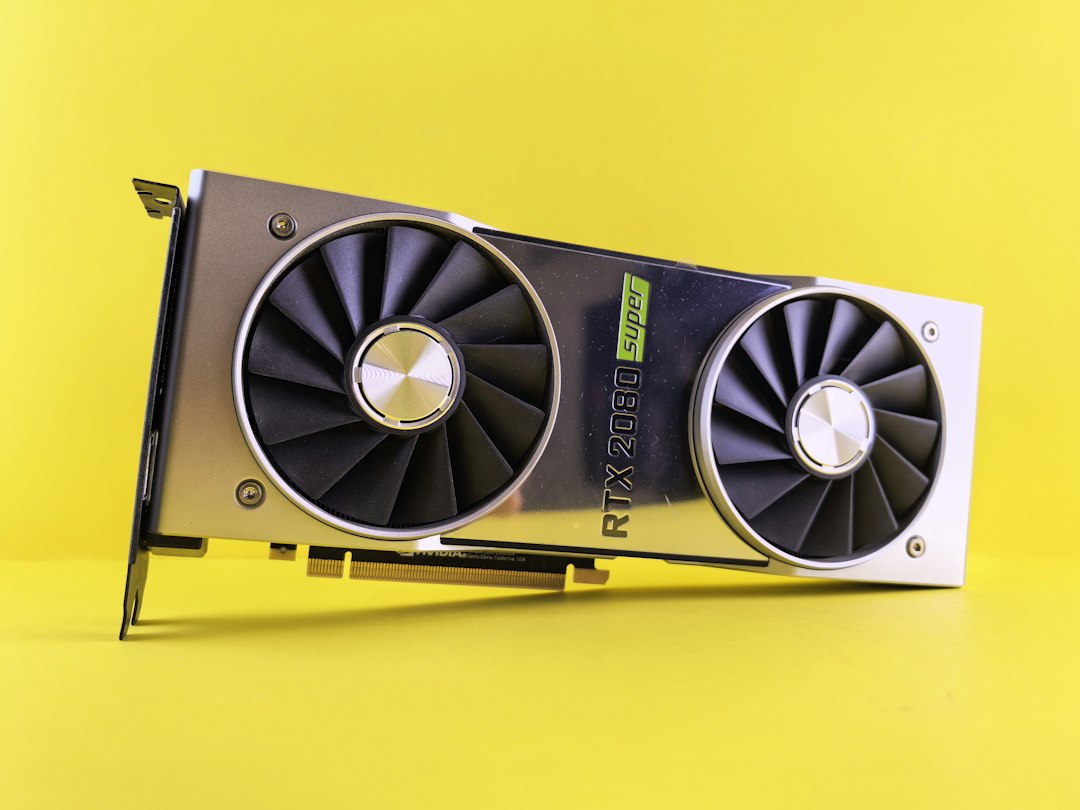
Investors may find it prudent to explore alternative graphics processing unit (GPU) providers that Oracle Corporation (ORCL) could potentially consider, given the recent challenges with its aging hardware. Companies like AMD (Advanced Micro Devices, Inc.) and Intel Corporation (INTC) have been making strides in the GPU market and may offer viable options for Oracle to enhance its AI capabilities. These alternatives could provide Oracle with the necessary performance enhancements while potentially reducing costs associated with older Nvidia chips.
For investors interested in capitalizing on the growth of AI and GPU technologies, exchange-traded funds (ETFs) such as the ARK Autonomous Technology & Robotics ETF (ARKQ) may present an attractive opportunity. This ETF typically invests in companies involved in AI, robotics, and automation, which could result in exposure to firms that are innovating in the GPU space. As AI technology continues to advance, such funds may benefit from the overall market growth, offering investors diversified exposure to the sector.
Additionally, Oracle may consider specific tools or services that could enhance its AI capabilities despite its current hardware limitations. Cloud optimization platforms, for instance, could potentially improve the efficiency of existing resources and maximize the performance of Oracle's infrastructure. Solutions like AWS Compute Optimizer or Google Cloud's AI Platform could help in optimizing workloads and managing GPU resources more effectively, ensuring that Oracle remains competitive in the rapidly evolving AI landscape.
In conclusion, while Oracle faces challenges with its aging technology, the exploration of alternative GPU providers, investment in focused ETFs, and the utilization of optimization tools may provide pathways for improvement and sustained growth. Investors should monitor these developments closely, as they may influence Oracle's position in the market and its long-term prospects.
4. Important Considerations
Investors considering the implications of capital investments in GPU technology should be mindful of several important factors that could affect their financial outcomes. One primary consideration is the impact of taxes on these investments. Depending on the jurisdiction, capital gains taxes can significantly influence the net returns from GPU investments. For instance, a capital gains tax rate may typically range from 15% to 20%, which could reduce the overall profitability of these investments when the assets are eventually sold. Additionally, tax incentives or credits for investing in certain technologies may vary, potentially creating opportunities or barriers for investors.
Another crucial aspect is the potential fees associated with upgrading infrastructure or switching to alternative providers. As companies like Oracle (ORCL) face challenges with older technology, the costs associated with migrating to newer systems can be substantial. For example, businesses may incur one-time fees that can amount to 10% to 20% of the total upgrade costs, alongside ongoing operational expenses that may increase by approximately 5% to 10% annually. These factors can weigh heavily on the decision-making process for companies and their investors.
Moreover, there are inherent risks in continuing to rely on aging technology amidst rapid advancements in the industry. Companies that do not adapt may find themselves at a competitive disadvantage, as newer technologies often yield improved efficiencies and performance advancements that aging systems cannot match. Investors might note that the longevity of technology can lead to diminishing returns, particularly in fast-moving sectors like artificial intelligence (AI), where the pace of innovation is accelerating. For example, firms heavily invested in outdated GPUs may see their market valuations decline as competitors leverage newer, more powerful technologies.
In summary, while investing in GPU technology can offer significant potential, it is vital for investors to carefully analyze the associated tax implications, potential fees for infrastructure upgrades, and the risks of remaining dependent on outdated technology. These considerations will be crucial as the landscape of AI and tech investments continues to evolve.
5. Conclusion
As Nvidia's aging GPUs impact Oracle's competitive stance in the artificial intelligence (AI) landscape, several key implications arise. First, the shift of Microsoft (MSFT) away from Oracle's AI server services highlights a potential weakness in Oracle's infrastructure. Investors may interpret this movement as a signal that Oracle's offerings may not align with the growing demands for cutting-edge technology, which could potentially hinder their market share in the rapidly evolving AI sector.
Moreover, Oracle's insistence on maintaining premium pricing for older GPUs may not be sustainable in the long term. With AI technology advancing at a remarkable pace, the necessity for Oracle to innovate and adapt its hardware capabilities becomes increasingly critical. Failure to do so may result in Oracle lagging behind competitors who leverage more advanced processing units. For instance, companies utilizing the latest GPUs, such as those from Nvidia and AMD (Advanced Micro Devices, Inc.), may gain a significant edge in performance and efficiency, potentially attracting a more extensive customer base.
Investors should be aware that the AI market is characterized by rapid technological advancements and shifting consumer preferences. Oracle's ability to respond strategically to these changes will be crucial to maintaining competitiveness. This could involve investing in new technologies, such as next-generation chips or exploring partnerships that enhance their service offerings. Additionally, monitoring competitors' movements, such as Microsoft's transition away from Oracle, may provide insights into market trends and customer needs.
- Oracle's aging GPUs could limit its attractiveness as an AI service provider.
- Innovation and adaptation are essential for maintaining market relevance.
- Stakeholders should keep a vigilant eye on developments in GPU technology.
- Strategic responses from Oracle could significantly influence its future performance.
In conclusion, Oracle's current situation underscores the importance of proactive innovation in the AI sector. Investors may wish to keep a close watch on both Oracle's strategic initiatives and broader trends in GPU technology. Conducting thorough research will be essential for understanding the potential implications of these developments on Oracle's long-term viability in the competitive AI landscape.
Disclaimer: This article was generated using AI technology and is for informational and educational purposes only. It does not constitute investment advice, recommendation, or solicitation. All investment decisions are solely the responsibility of the individual investor. Past performance does not guarantee future results. Investments involve significant risks, including the potential loss of principal. Before making any investment decisions, please conduct your own research and consult with qualified financial and tax professionals.