
What Smart Contracts Mean for the Future of Crypto

1. Introduction/Why this topic matters
In the evolving landscape of finance and technology, the concept of smart contracts has emerged as a fundamental component within the cryptocurrency ecosystem. Essentially, smart contracts are self-executing agreements where the terms of the contract are directly written into lines of code. This innovative mechanism eliminates the need for intermediaries, such as lawyers or banks, allowing transactions to occur seamlessly and with greater efficiency.
One of the primary advantages of smart contracts is their ability to enhance transparency in transactions. Because these contracts are deployed on a blockchain, all parties involved can access the same information, reducing the potential for disputes or misunderstandings. Furthermore, the automated nature of smart contracts means that they tend to execute without human intervention, which may significantly lower the risk of fraud or errors. This decentralization not only fosters trust among participants but also reduces reliance on traditional financial institutions, which often impose fees that can range from 1% to 5% per transaction.
The significance of smart contracts extends particularly into the realm of decentralized finance (DeFi), where they facilitate complex financial operations such as lending, borrowing, and trading without the need for centralized oversight. For instance, platforms like Uniswap utilize smart contracts to allow users to trade cryptocurrencies directly with one another, often resulting in lower fees compared to traditional exchanges. Similarly, in the world of non-fungible tokens (NFTs), smart contracts govern ownership and provenance, enabling creators to retain royalties on secondary sales which can typically reach 10%.
In conclusion, the role of smart contracts in driving innovation across various blockchain applications cannot be overstated. Investors may recognize that these technologies not only streamline processes but also open avenues for new financial products and services that were previously unattainable. As the ecosystem continues to evolve, understanding the mechanisms and potential impacts of smart contracts will be crucial for those looking to navigate the future of finance.
2. Advantages and Disadvantages
Smart contracts, which are self-executing contracts with the terms of the agreement directly written into code, present a range of potential advantages and disadvantages for investors navigating the evolving landscape of decentralized finance (DeFi) and blockchain technology.
2.1 Potential Advantages
- Increased Efficiency: The automation of processes through smart contracts can lead to significantly increased operational efficiency. By eliminating the need for intermediaries, such as lawyers or brokers, transactions can be executed faster and at a reduced cost, potentially saving up to 10-15% in transaction fees.
- Enhanced Security: Smart contracts utilize cryptographic protocols and the immutable nature of blockchain technology, which may enhance security against fraud and unauthorized alterations. This could potentially reduce the likelihood of disputes and hacking incidents.
- Broader Accessibility: Smart contracts can provide broader access to various financial services, removing traditional barriers that often hinder participation. For example, individuals in underbanked regions could utilize decentralized applications (dApps) without requiring a conventional banking relationship.
2.2 Potential Disadvantages
- Complexity in Coding: The complexity inherent in coding smart contracts can lead to potential bugs or vulnerabilities. Reports suggest that up to 20% of smart contracts may contain critical vulnerabilities, which investors should consider when evaluating projects.
- Legal Uncertainties: The enforceability of smart contracts remains a gray area within many jurisdictions. Legal frameworks may not yet fully address the unique characteristics of these contracts, which could lead to challenges in dispute resolution.
- Market Volatility Risks: The outcomes of smart contracts can be significantly affected by market volatility. Fluctuations in underlying asset prices may lead to unintended consequences, such as liquidations in decentralized finance scenarios, where collateral values drop below required thresholds.
Given these considerations, investors may weigh the potential benefits of smart contracts against their inherent risks as they explore opportunities within the blockchain space.
3. Practical options/methods
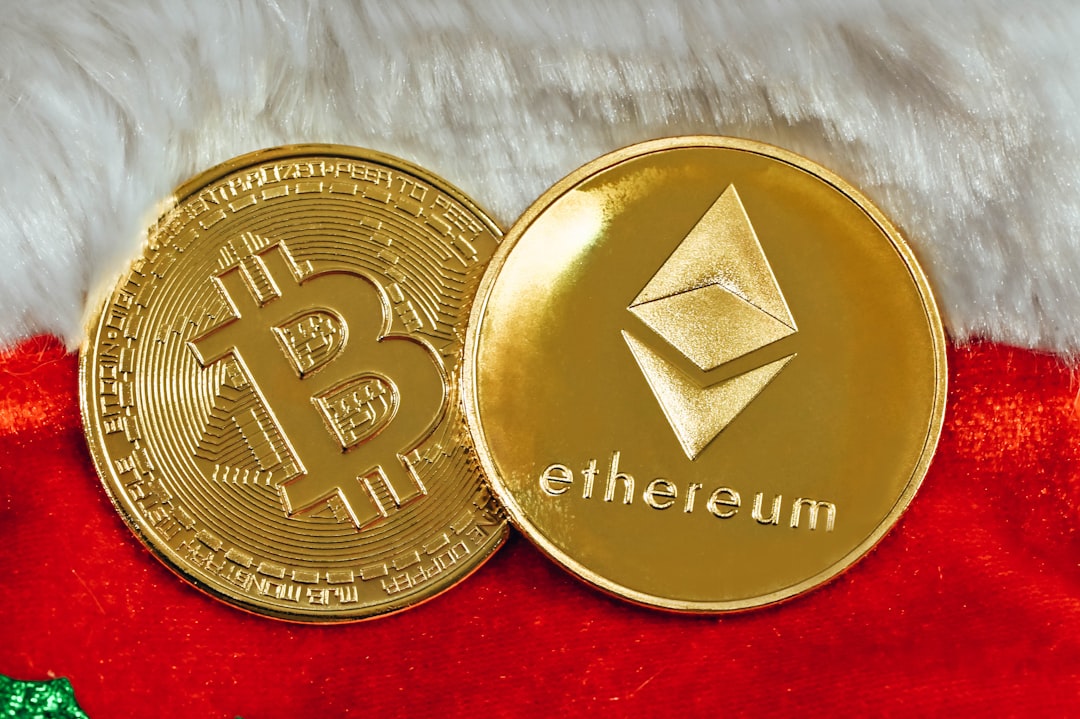
Investors may find it beneficial to explore the various platforms leveraging smart contracts, which automate transactions and agreements without the need for intermediaries. Three prominent blockchains utilizing smart contracts include Ethereum (ETH), Binance Smart Chain (BSC), and Cardano (ADA). Each of these platforms supports a wide range of decentralized applications (dApps) that facilitate innovative financial services.
Among the significant applications in the decentralized finance (DeFi) space, Uniswap (UNI) stands out as a leader in decentralized trading. It enables users to trade tokens directly from their wallets, utilizing an automated market maker model. This mechanism typically allows for a liquidity pool system, where users can provide liquidity in exchange for a share of transaction fees, which may range from 0.3% to 1% depending on the trading pair.
Another prominent DeFi application is Aave (AAVE), which offers a decentralized lending platform. Investors can lend their cryptocurrency to earn interest or borrow assets by providing collateral. Aave employs a unique feature called "flash loans," allowing users to borrow without collateral for a brief period, provided the loan is repaid within the same transaction block. Interest rates for borrowing on Aave can vary, with typical ranges between 3% to 20%, depending on market demand.
In addition to these DeFi platforms, investors might consider exchange-traded funds (ETFs) that provide exposure to cryptocurrencies. Notable products include ProShares Bitcoin Strategy ETF (BITO) and Grayscale Bitcoin Trust (GBTC). BITO aims to provide investment results that correspond to the performance of Bitcoin futures contracts, while GBTC offers a way for investors to gain exposure to Bitcoin through a traditional investment vehicle, albeit at a premium that can vary significantly.
As investors consider these options, understanding the mechanisms and potential risks associated with each platform and product is crucial. The landscape of cryptocurrency investment continues to evolve, presenting both opportunities and challenges.
4. Important considerations
Investors engaging with smart contracts and cryptocurrency transactions must consider several important factors, particularly regarding tax implications, transaction fees, and associated risks.
4.1 Tax Implications
Tax treatment of cryptocurrency transactions can vary significantly based on jurisdiction. In many countries, cryptocurrencies are classified as property, leading to capital gains tax on profits from sales or exchanges. For example, if an investor purchases cryptocurrency at $1,000 and later sells it for $1,500, they may incur a capital gains tax on the $500 profit. Investors should be aware that the Internal Revenue Service (IRS) in the United States considers smart contracts as taxable events, meaning that engaging in these automated agreements could trigger tax obligations. This complexity highlights the necessity for investors to maintain accurate records of their transactions.
4.2 Transaction Fees
Transaction fees on various blockchains can significantly impact the profitability of cryptocurrency activities. For instance, Ethereum (ETH) network fees can range from $10 to $100 depending on network congestion, while other blockchains like Binance Smart Chain (BSC) typically charge fees between $0.10 and $1. These fees can eat into profits, particularly for smaller transactions or frequent trading. Investors should consider the fee structures of the blockchains they intend to use, as higher fees may deter participation in certain DeFi (Decentralized Finance) opportunities.
4.3 Risks Associated with Smart Contracts
While smart contracts automate processes and eliminate the need for intermediaries, they are not without risks. One major concern is the potential loss of funds due to vulnerabilities in the code. For example, a flaw in a smart contract could allow malicious actors to exploit it, leading to significant financial losses. Furthermore, smart contracts rely on the functionality of the code itself; if an error exists, the contract may not execute as intended. Investors should conduct thorough due diligence on any smart contract they engage with, as the immutable nature of blockchain transactions means mistakes can be irreversible.
As investors navigate the complexities of smart contracts and cryptocurrency transactions, understanding these considerations is crucial for informed decision-making. The evolving landscape of blockchain technology presents both opportunities and challenges that require careful analysis.
5. Conclusion
In conclusion, the emergence of smart contracts represents a transformative shift in the landscape of cryptocurrency and finance. These self-executing agreements, powered by blockchain technology, facilitate a range of financial operations, from decentralized finance (DeFi) and staking to trading, without the need for intermediaries. This could potentially reduce transaction costs and enhance efficiency, making financial services more accessible to a broader audience.
Investors may find it noteworthy that smart contracts typically operate under conditions defined by code, which ensures trust and transparency among parties. For instance, in DeFi, platforms like Uniswap utilize smart contracts to automate trades, enabling users to exchange cryptocurrencies directly without relying on traditional exchanges. This model not only streamlines transactions but also minimizes the risks associated with counterparty defaults.
Furthermore, as various platforms continue to develop practical tools for engaging with smart contracts, investors are encouraged to explore these innovations. Platforms such as Ethereum and Binance Smart Chain provide user-friendly frameworks for creating and managing smart contracts, allowing individuals to harness their potential for personal or business use.
As the field of smart contracts evolves, it is essential for investors to educate themselves on the associated risks and benefits. Engaging with these technologies responsibly could open up new avenues for investment and financial management. Monitoring market conditions and remaining informed about advancements in smart contract applications will be crucial for navigating this dynamic landscape.
Ultimately, while smart contracts may present significant opportunities for innovation in finance, investors should conduct their own research to fully understand the implications and functionalities before diving in.
Disclaimer: This article was generated using AI technology and is for informational and educational purposes only. It does not constitute investment advice, recommendation, or solicitation. All investment decisions are solely the responsibility of the individual investor. Past performance does not guarantee future results. Investments involve significant risks, including the potential loss of principal. Before making any investment decisions, please conduct your own research and consult with qualified financial and tax professionals.