
Which AI Chips Drive the Future of EV Technology?

1. Why Consider AI Chips in EV Technology
Investors may find it essential to understand the growing significance of AI chips in the electric vehicle (EV) sector, particularly as advancements in technology continue to reshape the automotive landscape. One of the primary roles of AI chips is to enhance overall EV performance through sophisticated data processing capabilities. By integrating these chips, manufacturers can optimize various operational parameters, potentially leading to improved acceleration, handling, and safety features.
Moreover, the impact of AI on autonomous driving capabilities cannot be understated. AI chips are integral to processing vast amounts of data collected from sensors and cameras in real time. This capability supports the development of advanced driver-assistance systems (ADAS) and fully autonomous vehicles. For instance, AI algorithms can analyze driving conditions, recognize obstacles, and make split-second decisions, potentially reducing accident rates and enhancing the driving experience. As such, companies like Tesla, known for their commitment to innovation, are likely to continue investing heavily in this technology.
Another critical area where AI chips may influence EV technology is in energy efficiency management. These chips can facilitate real-time monitoring and adjustments to energy consumption, which is crucial for maximizing battery life and overall vehicle range. For instance, some EVs might utilize AI algorithms to predict energy needs based on driving patterns, thereby optimizing battery usage and potentially extending range by approximately 10-15% under certain conditions. This efficiency gain is particularly pertinent as battery technology advances, allowing manufacturers to offer vehicles that are not only faster but also more sustainable.
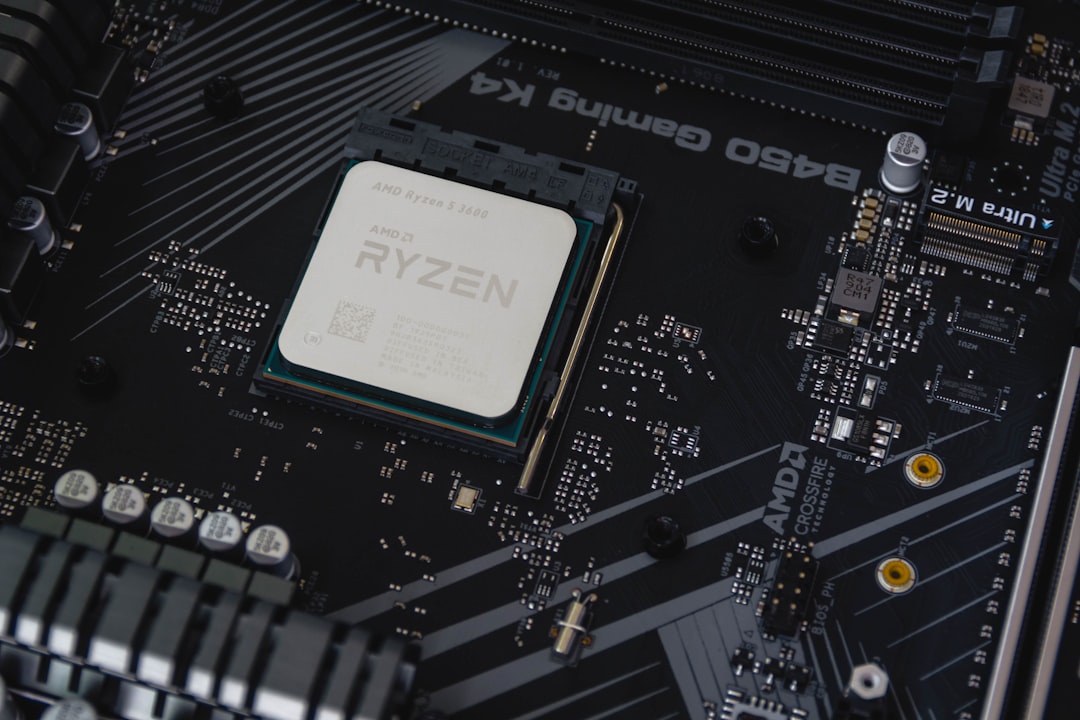
As investors consider the implications of these technological advancements, they may also want to monitor the competitive landscape. Companies such as Nvidia Corporation (NASDAQ: NVDA) and Advanced Micro Devices, Inc. (NASDAQ: AMD) are at the forefront of AI chip production, with AMD potentially closing the gap on Nvidia's dominance. This competitive dynamic could lead to further innovations and opportunities within the EV market.
In summary, the integration of AI chips into EV technology may significantly enhance vehicle performance, autonomy, and energy management, creating a more efficient and safer driving experience. As the industry continues to evolve, investors could benefit from staying informed about these trends and their potential implications for market dynamics.
2. Advantages and Disadvantages
As SpaceX (SPCX) unveils its ambitious plans for the Starmind orbital AI network, investors may be keen to understand the potential advantages and disadvantages associated with the integration of advanced AI technologies in the automotive and aerospace sectors. This analysis aims to elucidate these factors, particularly in light of the rapid developments within the AI chip market, where companies like Nvidia and AMD are vying for dominance.
2.1 Potential Advantages
- Increased Processing Power: The integration of advanced AI chips could enhance real-time data analysis capabilities, allowing for quicker decision-making processes. For instance, vehicles equipped with these chips may process vast amounts of sensor data—potentially 10-15% faster—improving operational efficiency.
- Enhanced Safety Features: Advanced AI algorithms may significantly improve vehicle safety. These algorithms can analyze data from multiple sources to detect hazards and execute evasive maneuvers, potentially reducing accident rates by up to 30% in controlled environments.
- Improved Battery Management: AI-driven battery management systems may optimize energy consumption and extend battery life. By analyzing usage patterns and environmental conditions, these systems could enhance efficiency by approximately 20% compared to traditional management techniques.
2.2 Potential Disadvantages
- High Production Costs: The integration of advanced AI chips into vehicles could lead to significantly increased production costs. These high upfront expenses may range from 15-25% more than conventional systems, potentially impacting overall vehicle pricing and profitability.
- Over-reliance on Technology: The growing dependence on AI for critical vehicle functions may pose risks. Investors may note that an over-reliance could lead to vulnerabilities, particularly if systems fail or malfunction, undermining trust and safety perceptions among consumers.
- Market Volatility: As companies like AMD and Nvidia compete for market share in AI chips, stock prices may exhibit volatility. Investors could experience fluctuations that are influenced by rapid technological advancements and changing consumer demands, making long-term predictions challenging.
In conclusion, while the integration of AI in automotive and aerospace sectors presents numerous advantages, including enhanced performance and safety, it also carries significant risks and challenges that investors should consider carefully.

3. Practical Options/Methods
Investors may find various practical options and methods for gaining exposure to the burgeoning market of artificial intelligence (AI) and related technologies. Leading manufacturers like Nvidia Corporation (NVDA) and Advanced Micro Devices, Inc. (AMD) are at the forefront of AI chip production, with Nvidia currently dominating the market. Recent reports suggest that Nvidia's chips may account for approximately 80% of the AI training workload, while AMD is steadily closing the gap, potentially offering a competitive alternative for investors looking at long-term growth in the sector.
One way to gain diversified exposure is through exchange-traded funds (ETFs) that focus on technology and AI. For instance, Invesco QQQ Trust (QQQ), which tracks the Nasdaq-100 Index, includes a substantial allocation to tech heavyweights, including Nvidia and AMD. Another option, ARK Innovation ETF (ARKK), aims to capture disruptive innovation across multiple sectors, with a significant focus on AI technologies. Both of these ETFs typically exhibit higher volatility, but they could potentially yield gains aligned with the rapid advancements in AI-related fields.
Moreover, investors might consider specific AI chips utilized in the electric vehicle (EV) sector. For example, Nvidia's Orin chip is designed to power autonomous driving systems, which could become increasingly essential as the EV market expands. Companies like Tesla, which integrate advanced AI technology into their vehicles, may provide additional opportunities for investors seeking to capitalize on the intersection of AI and sustainable transportation.
As the demand for AI infrastructure grows, particularly in applications like space-based computing and data services, investors may want to keep an eye on developments from firms like SpaceX (SPCX). Their recent unveiling of the Starmind orbital AI network, developed in partnership with Nvidia, highlights the potential for AI to revolutionize data management and processing across various industries.
In summary, investors may want to explore a combination of leading chip manufacturers, technology-focused ETFs, and specific applications of AI chips in emerging sectors like EVs to better position themselves within this rapidly evolving landscape.
4. Important Considerations
Investors should consider the implications of evolving technologies on their investment strategies. The rise of artificial intelligence (AI) and advancements in semiconductor manufacturing may reshape market dynamics significantly. For instance, the unveiling of SpaceX's Starmind, an orbital AI data center network, alongside substantial investments in chip factories, indicates a shift towards space-based compute services. As these technologies develop, investors may find opportunities in companies like Nvidia Corporation (NASDAQ:NVDA) and Advanced Micro Devices, Inc. (NASDAQ:AMD), which are at the forefront of AI chip production.
Tax implications and fees associated with technology investments could also impact overall returns. Investors should be aware that capital gains taxes typically range from 15% to 20%, depending on the investor's income bracket and holding period. Additionally, fees related to investment vehicles, such as exchange-traded funds (ETFs) focusing on tech sectors, may average around 0.5% to 1.0% annually. These costs can erode potential gains, so understanding the fee structure is crucial.
Furthermore, the semiconductor market carries inherent risks that investors must recognize. Geopolitical factors, such as trade tensions and regulatory changes, can affect supply chains and market stability. For example, AMD’s potential deals in China could be influenced by shifting trade policies, impacting their growth trajectory. Additionally, the semiconductor industry tends to be cyclical, with demand fluctuating based on economic conditions. Investors may want to monitor key indicators, such as the semiconductor book-to-bill ratio, which typically hovers around 1.0; a ratio above 1.0 suggests increasing demand, while below 1.0 indicates declining orders.
In summary, navigating the landscape of technology investments requires careful consideration of technological advancements, tax implications, and market risks. Staying informed about these factors may enable investors to make strategic decisions that align with their financial goals.
5. Conclusion
In conclusion, the transformative role of AI chips in the electric vehicle (EV) industry is becoming increasingly evident. As companies like Space Exploration Technologies Corp. (SPCX) unveil ambitious plans for advanced computing infrastructures, such as the Starmind orbital AI data center network, the demand for sophisticated AI chips is anticipated to grow significantly. This trend is complemented by the competitive dynamics within the semiconductor market, where companies like Nvidia Corporation (NVDA) currently dominate, but Advanced Micro Devices Inc. (AMD) is positioning itself to capture a larger share due to expanding AI workloads.
Investors may note that as AI workloads drive demand for both graphics processing units (GPUs) and central processing units (CPUs), companies involved in the manufacture and innovation of these chips could potentially experience substantial growth. For instance, AMD is likely to benefit from ongoing conversations about long-term deals in key markets, which might contribute to its competitive edge over time. Moreover, Nvidia, having invested heavily in the AI sector, is also seeing significant market gains, with some of its stocks appreciating by as much as 170% this year.
As technological advancements continue to reshape the landscape of the EV industry, it is crucial for investors to stay informed about emerging trends and potential growth areas. Monitoring the performance of AI chip manufacturers and understanding their market positioning will be vital for making educated investment decisions. The interplay between the EV sector and AI technology not only highlights the importance of these innovations but also underscores the potential for significant returns in related technologies.
In summary, key takeaways include:
- The pivotal role of AI chips in enhancing EV capabilities and functionalities.
- Competitive shifts in the semiconductor market, with AMD potentially closing the gap on Nvidia.
- The importance of staying updated on technological advancements in AI and EV sectors.
As conditions evolve, investors are encouraged to conduct their own research and consider the implications of these advancements on their investment strategies.
Disclaimer: This article was generated using AI technology and is for informational and educational purposes only. It does not constitute investment advice, recommendation, or solicitation. All investment decisions are solely the responsibility of the individual investor. Past performance does not guarantee future results. Investments involve significant risks, including the potential loss of principal. Before making any investment decisions, please conduct your own research and consult with qualified financial and tax professionals.