
Which Altcoin Futures Could Transform Crypto Trading?

1. Why Consider Altcoin Futures
As the cryptocurrency market evolves, the emergence of altcoin futures presents a compelling avenue for diversification. Investors may consider altcoin futures as a way to gain exposure to digital assets beyond Bitcoin (BTC) and Ethereum (ETH), potentially enhancing their investment portfolios. The popularity of altcoin futures could be attributed to their ability to broaden trading options and increase market liquidity.
For instance, the Moscow Exchange (MOEX) is expanding its cryptocurrency offerings by introducing futures contracts tied to major altcoins like Solana (SOL), Ripple (XRP), and Tron (TRX). These developments may reflect a growing recognition that altcoin futures could diversify the risk associated with holding a single cryptocurrency. By trading futures on a variety of altcoins, investors might mitigate the inherent volatility of the cryptocurrency market, which tends to fluctuate significantly within short time frames. Historically, altcoins have demonstrated price movements that could diverge from Bitcoin, providing a potential hedge against Bitcoin-centric strategies.
Additionally, altcoin futures may enhance liquidity in the cryptocurrency market. The introduction of these products could stimulate trading activity, as investors might be incentivized to enter or exit positions based on the underlying altcoin's performance. This increased trading volume could lead to narrower bid-ask spreads and more efficient price discovery, which are essential for a mature market ecosystem. For example, futures contracts could attract institutional investors who are seeking more structured ways to engage with the cryptocurrency space, thereby potentially increasing overall market participation.
Moreover, as AI models project varying price targets for altcoins like Ethereum, Solana, and XRP, investors may gain confidence in the potential upside of these assets. With predictions ranging from conservative estimates to bullish forecasts, altcoin futures could serve as a strategic tool for those looking to capitalize on expected price movements while managing risk.
In summary, the growing interest in altcoin futures may offer investors additional trading options and the potential for improved liquidity within the cryptocurrency market. This evolving landscape could provide new opportunities for diversification, although it also requires careful consideration of market dynamics and individual risk tolerance.
2. Advantages and Disadvantages
Investors in the cryptocurrency market should consider the potential advantages and disadvantages associated with the emerging futures contracts for altcoins such as Solana (SOL), Ripple (XRP), and Tron (TRX) being introduced by the Moscow Exchange (MOEX). Understanding these factors may aid in making informed decisions in this evolving landscape.
2.1 Potential Advantages
- Increased Exposure: Futures contracts may provide investors with greater access to high-potential altcoins like Solana (SOL), Ripple (XRP), and Tron (TRX). This could potentially allow for diversification beyond more established cryptocurrencies, potentially enhancing overall portfolio performance.
- Hedging Opportunities: The ability to hedge positions in cryptocurrency markets using futures contracts could reduce overall risk. Investors might utilize these contracts to offset potential losses in their cryptocurrency holdings, thereby creating a more balanced investment strategy.
- Leverage Potential: Futures trading often allows for the use of leverage, which could amplify returns. For instance, an investor could control a larger position with a smaller amount of capital, potentially increasing the upside if the market moves favorably.
- Market Sentiment Insights: Trading futures may provide insights into market sentiment around specific altcoins. The price movements in futures contracts can reflect traders' expectations, giving investors a clearer view of market dynamics and potential future trends.
2.2 Potential Disadvantages
- High Volatility: The altcoin markets are typically characterized by high volatility, which may lead to significant losses. Price swings can exceed 10-15% in short time frames, and futures contracts can exacerbate these movements, increasing the risk of financial loss.
- Complexity of Futures Contracts: Understanding the mechanics of futures contracts can be more complex than direct cryptocurrency trading. Investors may encounter challenges related to margin requirements, expiration dates, and settlement processes, which could hinder effective trading strategies.
- Counterparty Risk: Engaging in futures trading involves a degree of counterparty risk, as the fulfillment of contracts depends on the financial stability of the exchange. Investors must consider the implications if the exchange faces insolvency issues.
- Emotional Trading Risks: The psychological aspects of trading futures can lead to emotional decision-making. Investors might react impulsively to market movements, impacting their overall investment strategy and potentially leading to unfavorable outcomes.
In summary, while the introduction of futures contracts for altcoins may present exciting opportunities for investors, it is crucial to weigh these advantages against the potential risks involved. Understanding the dynamics of this market could greatly influence investment outcomes.
3. Practical Options/Methods
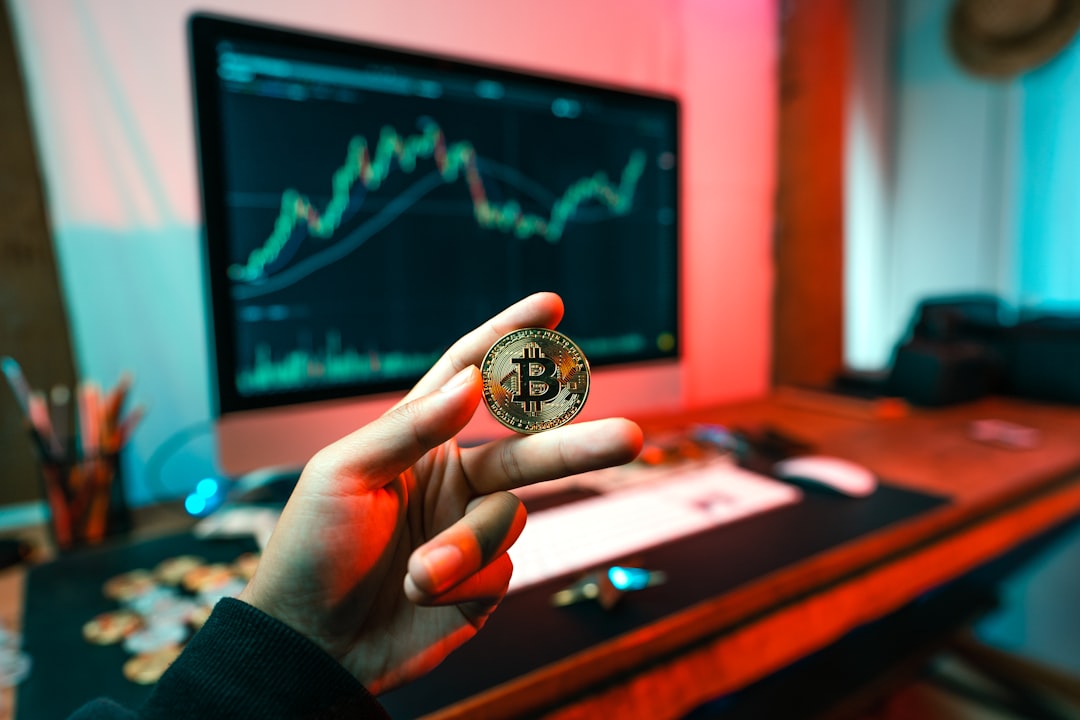
Investors may find the evolving landscape of altcoin futures on exchanges like the Moscow Exchange (MOEX) to be a compelling area of exploration. As MOEX prepares to launch new futures contracts tied to significant digital assets, the potential for diversification within cryptocurrency portfolios could increase. This expansion includes futures for altcoins such as Solana (SOL), Ripple (XRP), and Tron (TRX), which may allow investors to hedge against volatility in the broader crypto market.
For instance, SOL futures could provide investors with exposure to the performance of Solana, a blockchain known for its high throughput and low transaction fees. Similarly, XRP futures may appeal to those interested in the token associated with Ripple’s payment solutions, which aims to facilitate cross-border transactions. These futures contracts could potentially reflect the underlying asset's price movements, thus offering a mechanism for speculative trading and hedging.
In addition to the Moscow Exchange, platforms such as Binance Futures and Kraken Futures are prominent venues for trading altcoin futures. Binance Futures, for example, typically offers leverage options ranging from 1x to 125x, allowing investors to amplify their exposure to price changes. Kraken Futures may provide a more conservative trading environment, with leverage generally capped around 50x, appealing to risk-averse investors. These platforms often feature user-friendly interfaces and advanced trading tools, which may enhance the trading experience.
Investors should also consider the importance of risk management when trading futures. The potential for substantial returns is often accompanied by increased risk, with the possibility of losses exceeding initial investments. It is essential for investors to utilize stop-loss orders and position sizing to mitigate these risks effectively.
As the altcoin futures market continues to develop, the introduction of various futures products may create new opportunities for investors. Understanding these mechanisms could be vital for making informed decisions in this rapidly changing landscape.
4. Important Considerations
Investors considering trading futures, particularly in the burgeoning cryptocurrency market, may benefit from understanding several important considerations that could impact their trading experience and financial outcomes.
4.1 Tax Implications
One of the most significant factors that investors should be aware of is the potential tax implications associated with trading futures. In many jurisdictions, profits from trading futures may be classified as capital gains, which could subject them to varying tax rates. For instance, short-term capital gains, often applicable to assets held for less than a year, may be taxed at ordinary income rates, typically ranging from 10% to 37%. Conversely, long-term capital gains, for assets held longer than a year, may benefit from reduced rates, often between 0% and 20%. Investors should consult with tax professionals to navigate these complexities effectively.
4.2 Fees Related to Trading
Another crucial aspect involves assessing the fees associated with trading altcoin futures. Exchange fees and commissions can vary widely among platforms, typically falling within the range of 0.1% to 0.5% per transaction, depending on the exchange and the volume of trades. Additionally, some exchanges may charge withdrawal fees or provide tiered fee structures that can impact overall trading costs. Investors are advised to conduct thorough comparisons of these fees to determine the most cost-effective trading platforms.
4.3 Evaluating Risks
Investors must also evaluate the inherent risks associated with trading futures, particularly in a volatile market landscape. Market volatility could lead to rapid price fluctuations, which may result in significant gains or losses. Furthermore, using leverage—common in futures trading—can amplify both profits and risks. In leveraged positions, there is a potential for liquidation if the market moves unfavorably, often requiring investors to maintain a specific margin ratio, usually around 20% to 30%. Understanding these risks is vital for managing potential losses effectively.
In summary, while trading futures in the cryptocurrency market, investors should meticulously consider tax implications, associated fees, and inherent risks. These factors could significantly influence their trading strategies and overall investment outcomes as the market continues to evolve.
5. Conclusion
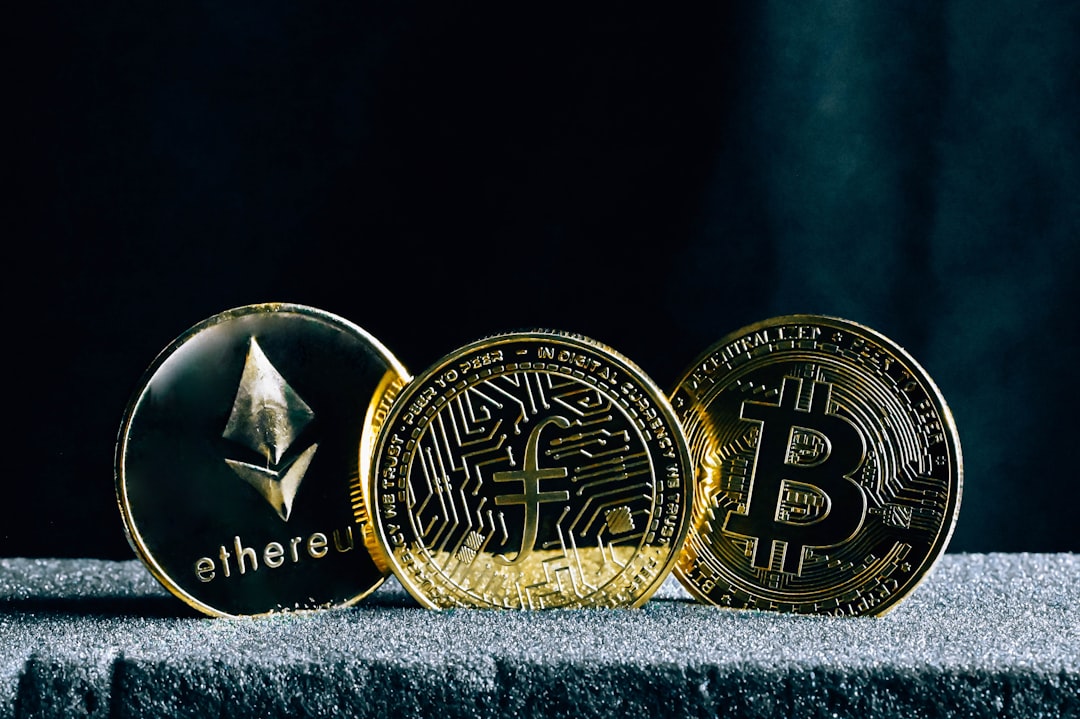
As the landscape of cryptocurrency trading continues to evolve, the introduction of altcoin futures could significantly reshape investor strategies and market dynamics. The planned futures contracts for cryptocurrencies like Solana (SOL), Ripple (XRP), and Tron (TRX) by the Moscow Exchange (MOEX) may enhance liquidity and provide additional tools for hedging and speculation. This expansion could potentially attract a wider range of investors who might have previously hesitated to engage with less established altcoins due to concerns over volatility and market maturity.
Investors may note that the trading of altcoin futures could facilitate price discovery and potentially lead to more stable markets. Futures contracts inherently allow for the locking in of prices, which can help manage the risks associated with the inherent volatility of cryptocurrencies. Moreover, the introduction of these products may lead to increased institutional participation, as entities like ING Germany have already begun to embrace cryptocurrency exchange-traded products (ETPs), further legitimizing the asset class.
However, it is crucial for investors to conduct thorough research before engaging in altcoin futures trading. The cryptocurrency market is known for its rapid fluctuations, and while altcoin futures may provide opportunities for profit, they also carry significant risks, particularly in terms of leverage. Investors should be aware that futures contracts can magnify both gains and losses, potentially leading to outcomes that may not align with their risk tolerance.
In summary, the potential impact of altcoin futures on the cryptocurrency trading landscape could be substantial, offering new avenues for diversification and risk management. Investors might consider the following key takeaways:
- The introduction of altcoin futures may enhance liquidity and market stability.
- Engaging with futures contracts can allow for effective hedging against price volatility.
- Institutional interest in cryptocurrencies is likely to grow with the availability of these products.
- Thorough research and an understanding of risk tolerance are essential before investing.
As the market evolves, investors should remain vigilant and monitor conditions closely, ensuring they are well-informed before making investment decisions in this dynamic environment.
Disclaimer: This article was generated using AI technology and is for informational and educational purposes only. It does not constitute investment advice, recommendation, or solicitation. All investment decisions are solely the responsibility of the individual investor. Past performance does not guarantee future results. Investments involve significant risks, including the potential loss of principal. Before making any investment decisions, please conduct your own research and consult with qualified financial and tax professionals.