
Which Chip Stock Offers the Best Growth Potential?

1. Why Consider Chip Stocks
The semiconductor industry serves as a cornerstone of modern technology, facilitating advancements in various sectors, including smartphones, data centers, and emerging technologies. Investors may consider chip stocks as a way to gain exposure to high-growth areas like artificial intelligence (AI), gaming, and cloud computing, which are increasingly reliant on sophisticated semiconductor solutions.
For example, the market for AI chips is expected to grow significantly, with estimates suggesting a compound annual growth rate (CAGR) of around 25% over the next several years. This growth could translate into substantial revenue potential for key players in the semiconductor space. Companies such as Nvidia Corporation (NVDA), Advanced Micro Devices, Inc. (AMD), and Intel Corporation (INTC) are at the forefront of this evolution, each with distinct competitive advantages and market positions.
- Nvidia Corporation (NVDA) tends to dominate the AI and gaming sectors with its powerful graphics processing units (GPUs), which are essential for high-performance computing tasks.
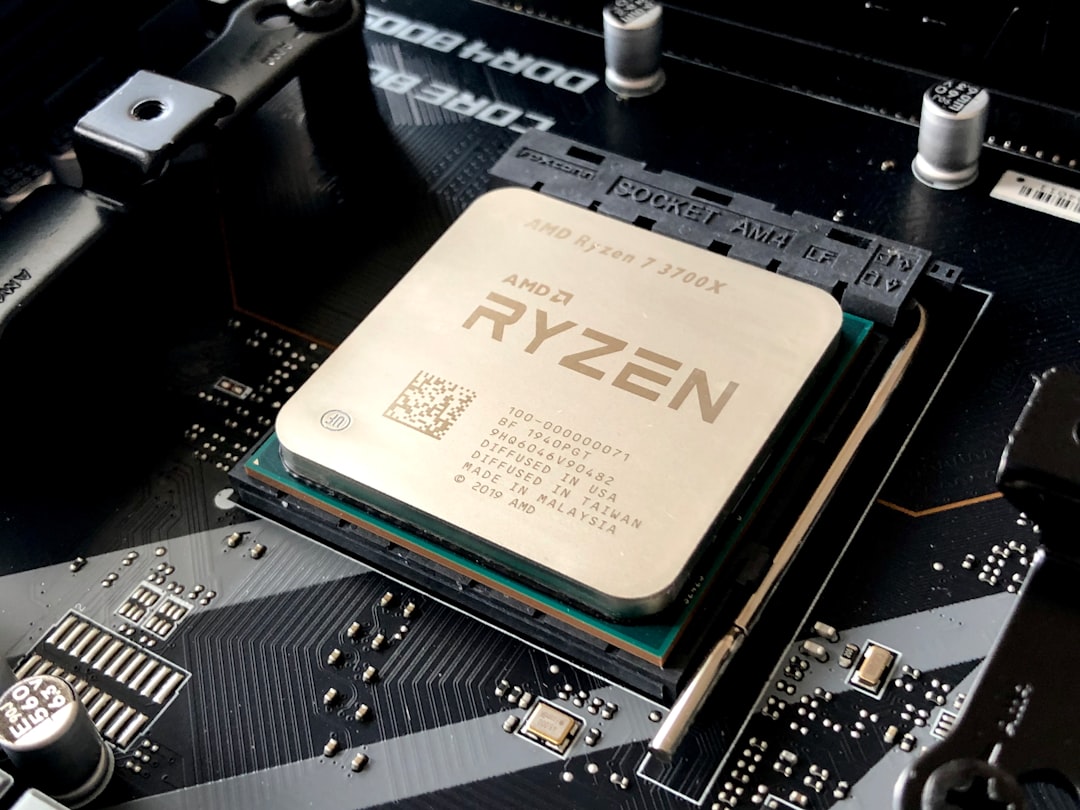
- Advanced Micro Devices, Inc. (AMD) has recently reported a 57% year-over-year surge in data center revenue, showcasing its growing role in cloud computing and potentially bolstering its market share against competitors.
- Intel Corporation (INTC), while historically a leader, faces challenges in innovation and market responsiveness, which investors may want to consider when evaluating its future performance.
Understanding the competitive landscape among these major players can assist investors in making informed decisions. For instance, Nvidia's recent earnings report highlighted a $200 billion opportunity in edge computing, further underscoring the potential for growth in this segment. On the other hand, AMD's recent rally could lead investors to question whether its stock remains a viable buy, given its impressive performance metrics.
In conclusion, the semiconductor sector is poised for continued growth, driven by technological advancements and increasing demand across various industries. Investors may view this as an opportunity to capitalize on the trends shaping the future of technology, but they should remain aware of the competitive dynamics at play.
2. Advantages and Disadvantages
Investors evaluating the semiconductor sector, particularly the competitive landscape among Nvidia (NVDA), Advanced Micro Devices (AMD), and Intel (INTC), may find it beneficial to consider both the potential advantages and disadvantages inherent in these companies.
2.1 Potential Advantages
- Strong Demand: The demand for semiconductor chips is experiencing significant growth, particularly in emerging technologies such as artificial intelligence (AI), the Internet of Things (IoT), and 5G networks. This trend could potentially drive revenues for leading companies in this space.
- Remarkable Growth: Companies like Nvidia have reported impressive financial performance, with substantial revenue increases in key segments, especially data centers. For instance, Nvidia's data center revenue has been a critical driver of its stock price appreciation, showcasing the company's market strength.
- Stock Rally: AMD has seen its stock price rally, attributed to a 57% year-over-year surge in data center revenue. This performance indicates robust market conditions and highlights the potential for continued investor interest in AMD's growth trajectory.
- AI Opportunities: The ongoing build-out of AI technologies presents what some analysts describe as a once-in-a-generation opportunity. Companies positioned well in AI could potentially capture significant market share, further enhancing their financial outlook.
2.2 Potential Disadvantages
- High Competition: The semiconductor market is characterized by intense competition, with rapid technological advancements challenging existing market leaders. Companies must continuously innovate to maintain their competitive edge, which may increase operational costs.
- Geopolitical Vulnerability: Geopolitical tensions, particularly concerning supply chains and access to markets like China, can pose significant risks. Companies heavily reliant on global supply chains may face disruptions that could adversely affect their operations and profitability.
- Market Share Challenges: Intel is currently facing difficulties in maintaining its market share amid strong competition from AMD and Nvidia. This situation may lead to pricing pressures and diminished profit margins, which investors should monitor closely.
- Technological Obsolescence: The rapid pace of technological change in the semiconductor industry means that products can quickly become obsolete. Companies that fail to adapt to new technologies may struggle to compete effectively, impacting their long-term viability.
3. Practical Options/Methods
Investors seeking exposure to the semiconductor sector may consider investing directly in individual stocks such as Nvidia Corporation (NVDA), Advanced Micro Devices, Inc. (AMD), or Intel Corporation (INTC). Each of these companies has distinct growth potential and risk profiles. For instance, Nvidia has recently reported significant revenue growth driven by its advancements in artificial intelligence and gaming sectors, which could potentially appeal to growth-oriented investors. On the other hand, AMD has demonstrated robust performance in the data center market, posting a 57% year-over-year increase in revenue, suggesting it may also represent a compelling investment opportunity. Conversely, Intel, while historically a leader, has faced challenges in maintaining its market position, which might lead more risk-averse investors to approach with caution.
For those who prefer a diversified approach, Exchange-Traded Funds (ETFs) such as SOXX (iShares Semiconductor ETF) and XSD (SPDR S&P Semiconductor ETF) offer an alternative. These funds provide investors with exposure to a range of semiconductor companies, potentially mitigating the risks associated with individual stock investments. SOXX, for instance, typically includes a mix of leading firms in the sector, which may help investors capture broader market movements while reducing volatility. XSD, on the other hand, employs an equal-weight strategy that could yield different performance dynamics, appealing to investors with varying risk tolerances and investment strategies.
To effectively monitor stock performance and execute trades, investors might utilize investment platforms such as Robinhood or E*TRADE. These platforms offer user-friendly interfaces and tools that can assist in tracking market trends and making informed investment decisions. For example, investors may utilize price alerts and performance charts to stay updated on their portfolio, which could potentially enhance their trading strategies.
As the semiconductor sector continues to evolve, understanding these practical options and methods may position investors to capitalize on emerging opportunities. The ongoing advancements in technology and artificial intelligence may further influence market dynamics, suggesting that ongoing analysis is essential for informed decision-making.
4. Important Considerations
Investors may want to consider several important factors when evaluating opportunities in the semiconductor sector, particularly when comparing stocks like Nvidia (NVDA), Advanced Micro Devices (AMD), and Intel (INTC). A critical aspect involves understanding the potential tax implications that can arise from various investment strategies. For instance, short-term trading may lead to capital gains that are taxed at ordinary income rates, which can be significantly higher than the lower rates applied to long-term investments held for more than one year. This difference could potentially influence an investor's decision-making process regarding the timing and duration of their investments.
Additionally, investors should be vigilant regarding management fees associated with exchange-traded funds (ETFs) and other investment vehicles. These fees, which typically range from 0.5% to 1.5% annually, can erode overall returns, particularly in a sector known for its volatility. For instance, an ETF like the SOXX (iShares PHLX Semiconductor ETF) may charge a management fee that, while seemingly modest, can accumulate to a significant cost over time, especially if the ETF does not outperform its benchmark index.
Furthermore, assessing the risks associated with market volatility is vital. The tech sector, including chipmakers, tends to experience notable fluctuations, which can result in abrupt downturns. The recent performance of AMD and Nvidia highlights this potential; despite impressive earnings growth, investors should remain cautious about the inherent risk of sudden declines. Such downturns can stem from shifts in consumer demand, supply chain disruptions, or broader economic factors impacting the tech market.
In conclusion, by being mindful of tax implications, management fees, and market volatility, investors may better navigate the complexities of investing in the semiconductor industry. Understanding these elements can enhance decision-making and potentially lead to more favorable outcomes in their investment portfolios.
5. Conclusion
In summary, chip stocks may present significant growth potential, particularly in the context of ongoing technological advancements. Companies like Nvidia Corporation (NVDA), Advanced Micro Devices, Inc. (AMD), and Intel Corporation (INTC) are at the forefront of this innovation, with each exhibiting unique strengths and weaknesses that could influence their stock performance. For instance, AMD has reported a remarkable 57% year-over-year growth in data center revenue, highlighting its competitive edge in the semiconductor market. Conversely, Nvidia's recent earnings report revealed a $200 billion opportunity in edge computing, despite the company conceding some market share in China.
Investors should weigh the advantages and disadvantages of each company, noting that Nvidia may benefit from its leading position in AI and gaming, while AMD could capitalize on its rapid growth in data center solutions. Intel, while historically dominant, may face challenges in keeping pace with its competitors, which could affect its stock trajectory. Additionally, diversification through exchange-traded funds (ETFs) focused on the semiconductor sector may help mitigate individual stock risks. For instance, the SMH (VanEck Vectors Semiconductor ETF) offers exposure to a broad range of semiconductor companies, potentially providing investors with a more balanced approach.
To capitalize on opportunities in the semiconductor space, investors may take action by conducting further research and evaluating their investment strategies. Monitoring industry trends, technological advancements, and financial performance metrics can provide valuable insights into future developments. As the landscape of chip stocks continues to evolve, staying informed and adaptable will be crucial for those looking to navigate this dynamic sector effectively. Ultimately, investors are encouraged to do their own research to make informed decisions that align with their financial goals.
Disclaimer: This article was generated using AI technology and is for informational and educational purposes only. It does not constitute investment advice, recommendation, or solicitation. All investment decisions are solely the responsibility of the individual investor. Past performance does not guarantee future results. Investments involve significant risks, including the potential loss of principal. Before making any investment decisions, please conduct your own research and consult with qualified financial and tax professionals.