
Which Crypto Assets Offer the Best Long-Term Potential?

1. Why Consider Crypto Assets for Long-Term Investment
Investors may find the landscape of finance transformed by the advent of blockchain technology, which underpins most cryptocurrencies. This decentralized ledger system enhances transparency and security, potentially reducing the costs associated with traditional financial processes. By enabling peer-to-peer transactions without intermediaries, blockchain technology could disrupt traditional banking and finance systems, offering efficiency and accessibility to a broader audience.
The increasing mainstream acceptance of cryptocurrencies as viable investment vehicles is noteworthy. Major financial institutions and corporations have begun to integrate cryptocurrencies into their portfolios. For instance, companies like Tesla, Inc. (TSLA) and MicroStrategy Incorporated (MSTR) have made substantial allocations to Bitcoin (BTC), signaling confidence in its long-term value. Furthermore, investment products such as Bitcoin Exchange-Traded Funds (ETFs) have emerged, allowing investors to gain exposure to cryptocurrencies through regulated markets, which may enhance their legitimacy in the eyes of traditional investors.
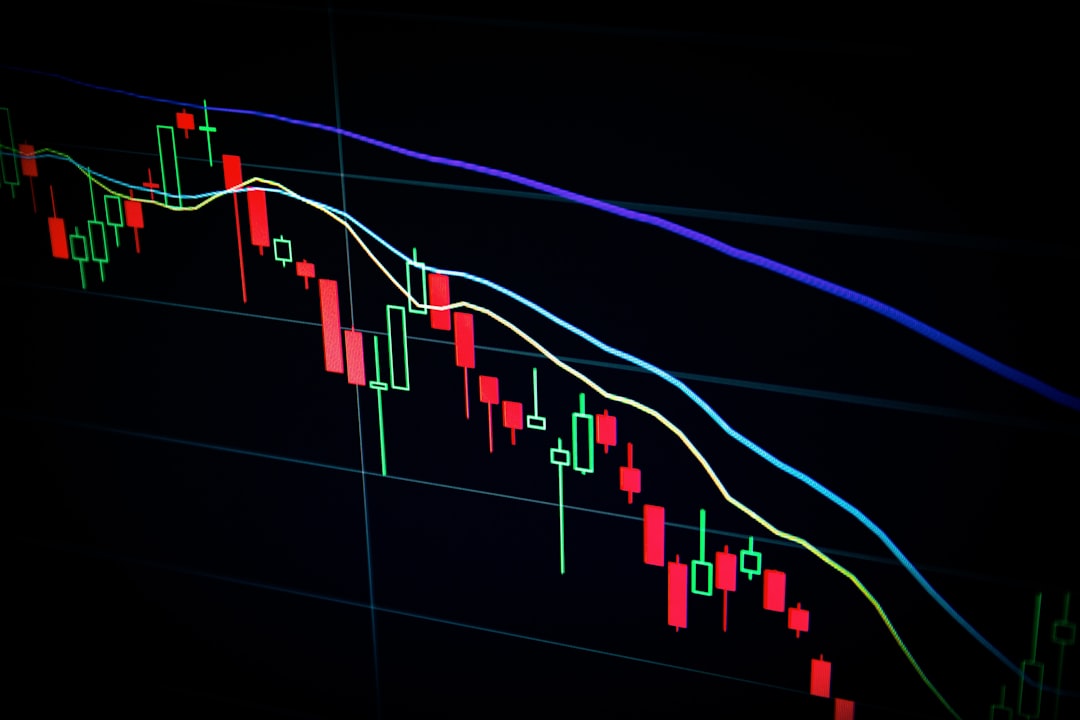
Despite the inherent volatility in the cryptocurrency market, which can see daily fluctuations of 5-10% or more, the potential for high returns is significant. Historical data demonstrates that Bitcoin, for example, has experienced annualized returns that can exceed 200% during bullish phases. Such examples may illustrate why some investors view cryptocurrencies as 'generational buying opportunities', particularly during downturns prompted by external factors, such as geopolitical tensions or economic uncertainty.
In summary, while the cryptocurrency market does present unique risks and volatility, the underlying transformative potential of blockchain technology, coupled with increasing acceptance and the historic potential for high returns, may warrant consideration for long-term investment strategies. Investors should remain cautious and informed, continually analyzing market dynamics and broader economic indicators as they navigate this evolving landscape.
2. Advantages and Disadvantages
As the cryptocurrency market continues to evolve, investors may find themselves weighing the potential advantages and disadvantages associated with this asset class. Understanding the dynamics at play can aid in making informed decisions.
2.1 Potential Advantages
- High Growth Potential: Early investments in innovative projects, such as Bitcoin (BTC) and Ethereum (ETH), have historically yielded substantial returns. For instance, Bitcoin has seen price increases exceeding 1,000% in certain periods, suggesting that there may be significant upside for investors willing to enter the market early.
- Portfolio Diversification: Cryptocurrencies may provide a means of diversifying investment portfolios away from traditional assets like stocks and bonds. This diversification could reduce overall portfolio volatility, especially when traditional markets face downturns, as cryptocurrencies may not always correlate with traditional asset classes.
- Access to Decentralized Financial Services: The rise of decentralized finance (DeFi) platforms allows investors to access financial services without intermediaries. This could include lending, borrowing, and earning interest on holdings, potentially offering higher yields compared to traditional savings accounts, which typically offer interest rates of around 0.05% to 0.5%.
2.2 Potential Disadvantages
- High Volatility: The cryptocurrency market is known for its high volatility, with price fluctuations that can exceed 10% within a single day. This volatility can lead to significant losses for investors who are not prepared for rapid market changes.
- Regulatory Uncertainties: The evolving regulatory landscape may impact market stability. Governments worldwide are still determining how to classify and regulate cryptocurrencies, creating potential risks for investors if new regulations are introduced that affect market access or liquidity.
- Security Breaches: The risk of security breaches poses a significant threat to cryptocurrency holdings. Investors may face the possibility of losing assets due to hacks or scams, as evidenced by the loss of billions in cryptocurrency due to security incidents over the past few years.
As investors navigate the complex landscape of cryptocurrencies, weighing these advantages and disadvantages can be crucial in determining their investment strategy. Understanding the inherent risks and potential rewards may help in making more informed choices in this fast-paced market.

3. Practical Options/Methods
Investors seeking to navigate the evolving landscape of cryptocurrency may consider several practical options and methods for exposure. One of the most established approaches is investing in prominent cryptocurrencies such as Bitcoin (BTC) and Ethereum (ETH). These assets have demonstrated resilience and have become benchmarks for the market, with Bitcoin typically commanding a market dominance of around 40-50% and Ethereum accounting for approximately 15-20%. Their established presence may provide a more stable entry point for cautious investors.
In addition to Bitcoin and Ethereum, investors might explore a diverse range of altcoins with strong fundamentals. For instance, Cardano (ADA) and Solana (SOL) have gained attention for their innovative technology and robust ecosystems. Cardano, with its proof-of-stake consensus mechanism, aims for scalability and sustainability, while Solana is recognized for its high transaction speeds and low fees, potentially appealing to developers and users alike.
For those who prefer an indirect exposure to cryptocurrency, Exchange-Traded Funds (ETFs) could be an effective strategy. An example is the ProShares Bitcoin Strategy ETF (BITO), which provides investors with exposure to Bitcoin futures contracts. This could potentially offer a way to participate in Bitcoin's market movements without the need to directly hold the underlying asset, providing a layer of convenience and regulatory clarity.
Additionally, utilizing reputable platforms such as Coinbase and Binance can facilitate the buying and managing of crypto assets. These platforms typically offer user-friendly interfaces and a variety of tools, enabling investors to track their portfolios and execute trades efficiently. Investors may find it beneficial to familiarize themselves with these tools to enhance their trading strategies and portfolio management.
As the cryptocurrency market continues to evolve, understanding these practical options may enable investors to make informed decisions tailored to their risk tolerance and investment goals. This ongoing exploration of strategies could lead to a deeper engagement with the asset class, as investors assess market conditions and potential opportunities.
4. Important Considerations
Investors entering the cryptocurrency market should carefully consider several important factors that could significantly impact their investment outcomes. Understanding the tax implications of cryptocurrency transactions is crucial, as regulations vary by jurisdiction and can change frequently. In many cases, investors may be subject to capital gains taxes on profits realized from trading cryptocurrencies. For instance, in the United States, the Internal Revenue Service (IRS) treats cryptocurrencies as property, meaning that gains or losses must be reported on tax returns. This could potentially lead to effective tax rates ranging from 0% to 20%, depending on the investor's overall income level and the holding period of the assets.
Another critical consideration is the transaction fees associated with buying, selling, and transferring cryptocurrencies. These fees can vary widely depending on the platform utilized and the current network congestion. For example, trading fees on popular exchanges like Binance may range from 0.1% to 0.5% per transaction, while some decentralized exchanges could impose higher rates due to increased demand for processing. Additionally, transferring cryptocurrencies can incur network fees that fluctuate based on the blockchain's activity; these fees might typically range from $0.10 to several dollars, depending on the asset and current traffic.
Lastly, assessing the risks related to market fluctuations and technological changes is vital for prudent investment strategies. The cryptocurrency market is known for its volatility, with price swings that can exceed 10% within a single day. This volatility may be influenced by various factors, including market sentiment, regulatory developments, and macroeconomic conditions. Moreover, technological advancements or failures in blockchain infrastructure can pose additional risks. For instance, unexpected hard forks or security breaches have previously led to significant financial losses for investors. Hence, maintaining an awareness of these dynamics could potentially help investors navigate the complexities of the cryptocurrency landscape.
As investors proceed, it is essential to remain informed and adaptable in this evolving market, considering both the opportunities and challenges that lie ahead.
5. Conclusion
In conclusion, the potential of crypto assets as a long-term investment strategy warrants careful consideration. While cryptocurrencies like Bitcoin (BTC) and Ethereum (ETH) have experienced significant volatility, they may also represent generational buying opportunities during market downturns. Investors might find that these assets could potentially yield gains as mainstream adoption grows and technological advancements continue. However, it is crucial to acknowledge that the market is influenced by a variety of factors, including macroeconomic conditions, geopolitical tensions, and regulatory developments, which could impact performance.
Investors are encouraged to conduct thorough research and due diligence before venturing into the crypto space. Understanding the underlying technologies, market dynamics, and potential risks associated with digital currencies is essential. For instance, the market for cryptocurrencies tends to experience fluctuations that can range from 10-20% within short periods, underscoring the importance of being well-informed.
One practical approach for those new to the crypto market might be to start with a small investment. This could allow investors to gain exposure to the crypto landscape without overextending themselves financially. By allocating a modest portion of their overall investment portfolio—perhaps around 1-5%—investors may explore the dynamics of various cryptocurrencies while managing risk effectively.
As the cryptocurrency market continues to evolve, monitoring conditions and remaining adaptable will be crucial for investors. Keeping abreast of market trends, technological advancements, and regulatory changes could provide valuable insights into future performance. Ultimately, engaging in diligent research and understanding the nuances of this asset class will help investors make informed decisions as they explore the potential of crypto assets.
Disclaimer: This article was generated using AI technology and is for informational and educational purposes only. It does not constitute investment advice, recommendation, or solicitation. All investment decisions are solely the responsibility of the individual investor. Past performance does not guarantee future results. Investments involve significant risks, including the potential loss of principal. Before making any investment decisions, please conduct your own research and consult with qualified financial and tax professionals.