
Which Factors Boost Gold Prices by 15% or More?

1. Why Consider Factors Boosting Gold Prices
Investors may consider the dynamics of gold prices as a critical component of their portfolio strategy, particularly during periods marked by economic uncertainty. Gold has historically been perceived as a safe haven asset, often seeing increased demand when traditional equities and other investments face volatility. For instance, during periods of geopolitical tension or inflation fears, such as those currently arising from U.S.-Iran relations, gold prices tend to appreciate as investors seek stability.
Understanding the various factors that influence gold prices can empower investors to make more informed decisions. Key variables include inflation rates, interest rates, and overall economic growth. Typically, when inflation rises above 3-5%, gold is viewed favorably, as it often retains its value better than fiat currencies. Additionally, low interest rates can enhance the appeal of gold, as they decrease the opportunity cost of holding non-yielding assets. For example, if the Federal Reserve maintains a low rate environment, gold could potentially see an uptick in investment as bond yields remain unattractive.
Moreover, significant increases in gold prices can offer insights into broader economic trends and shifting investor sentiment. For instance, when gold prices surge by 10% or more, it may indicate heightened fears of market instability or inflationary pressures. This could lead investors to reassess their asset allocations, potentially increasing their exposure to gold-related investments such as gold ETFs or mining stocks, including GDX (VanEck Vectors Gold Miners ETF) or IAU (iShares Gold Trust).
As investors navigate these turbulent economic waters, they may find that a closer examination of gold's price movements can reveal valuable insights into the health of the financial markets and the potential for future investment opportunities.
2. Advantages and Disadvantages
Investors considering gold as an asset class should be aware of both its potential advantages and disadvantages, particularly in the context of current economic uncertainties and geopolitical tensions.
2.1 Potential Advantages
- Hedge Against Inflation: Gold tends to serve as a reliable hedge against inflation, often maintaining its value when the purchasing power of fiat currencies declines. Historical data indicates that during periods of high inflation, gold prices may increase, providing stability in turbulent economic climates.
- Portfolio Diversification: Including gold in an investment portfolio may diversify risk exposure. A typical allocation of 5-10% to gold can potentially reduce overall portfolio volatility, as gold often exhibits low correlation with other asset classes such as equities and bonds.
- Geopolitical Stability: Gold prices often rise during geopolitical tensions and crises. For instance, during conflicts or significant political instability, such as the recent tensions between the U.S. and Iran, gold may see increased demand as a safe haven asset, driving its price upward.
2.2 Potential Disadvantages
- No Income Generation: Unlike stocks or bonds, gold does not produce income, such as dividends or interest. This lack of yield represents a potential opportunity cost for investors seeking regular cash flow from their investments.
- Price Volatility: Gold prices can be significantly volatile, influenced by market sentiment, currency fluctuations, and economic data releases. This volatility may lead to substantial short-term losses, which can be a concern for risk-averse investors.
- Storage and Insurance Costs: Investing in physical gold incurs additional expenses, including storage fees and insurance. These costs can diminish the overall returns on investment, especially if the gold price does not appreciate significantly over time.
Ultimately, while gold may offer certain protective qualities and diversification advantages, potential investors should carefully weigh these benefits against the inherent risks and costs associated with holding this asset.
3. Practical Options/Methods
Investors may consider a variety of practical options for gaining exposure to gold, especially during times of economic uncertainty and geopolitical tensions. One popular method is investing in Gold Exchange-Traded Funds (ETFs), such as SPDR Gold Shares (GLD) or iShares Gold Trust (IAU). These funds track the price of gold, enabling investors to gain exposure without the need to physically hold the metal. Gold ETFs typically provide a low expense ratio, often ranging from approximately 0.25% to 0.40%, which may appeal to cost-conscious investors.
Another avenue is the utilization of gold futures contracts. These contracts may offer the potential for speculative trading, allowing investors to leverage their positions. While this could amplify potential gains, it also tends to increase the risk of substantial losses, given the volatile nature of commodity markets. Investors engaging in futures should be prepared for price fluctuations that can exceed 10% in a single trading session.
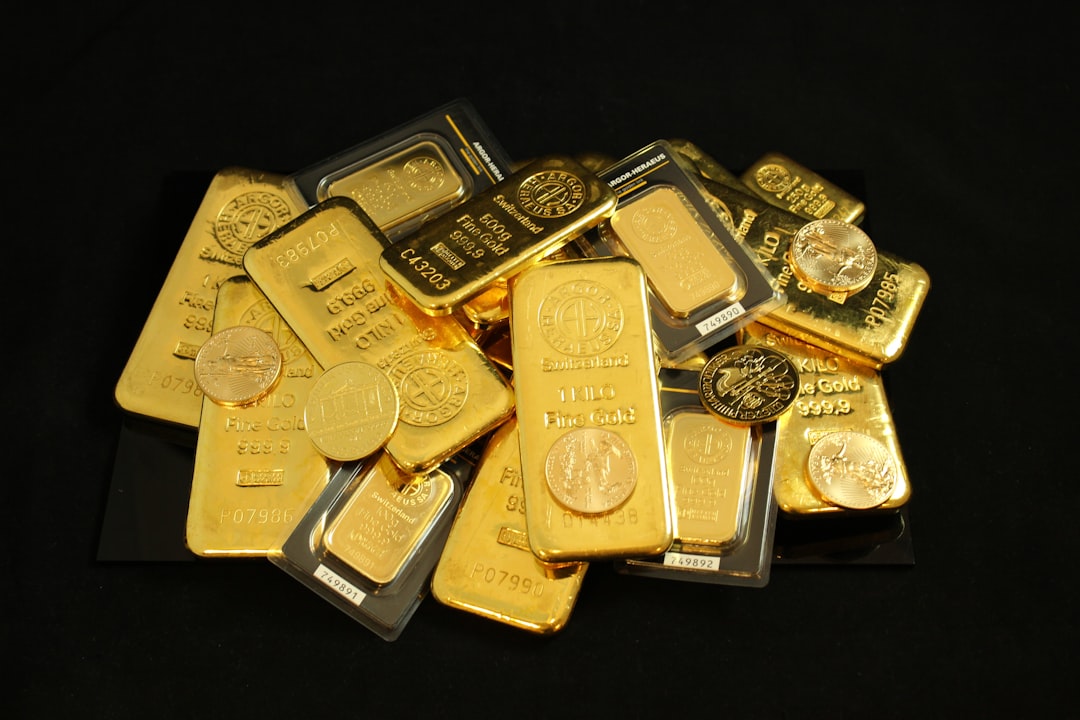
For those seeking a tangible asset, purchasing physical gold in the form of coins or bullion could be a viable option. This method provides a sense of security, as physical gold can serve as a hedge against inflation and currency devaluation. Investors may find that premiums on physical gold—ranging from 3% to 5% above spot prices—can vary based on the type of product and market conditions.
Lastly, exploring mining stocks like Barrick Gold Corporation (GOLD) or Newmont Corporation (NEM) may offer indirect exposure to gold prices. These companies tend to benefit from rising gold prices, as their revenues are closely linked to gold production. However, investing in mining stocks carries its own set of risks, including operational challenges and fluctuations in production costs. Investors should analyze the price-to-earnings (P/E) ratios of these stocks, which can range from 15 to 25, to assess valuation relative to market expectations.
In summary, each of these methods presents unique benefits and risks, allowing investors to tailor their gold investment strategy based on their risk tolerance and market outlook. Understanding these options may empower investors to make informed decisions in a fluctuating economic landscape.
4. Important Considerations
Investors should consider several important factors when evaluating gold investments, particularly in light of recent market fluctuations influenced by geopolitical tensions. One critical aspect is the **tax implications** associated with gold investments. When selling gold, investors may be subject to **capital gains tax**, which can vary significantly depending on the individual's tax bracket and the holding period of the asset. In the U.S., for instance, long-term capital gains tax rates can range from **0% to 20%**, depending on taxable income, while short-term gains are taxed at ordinary income rates, which can be as high as **37%**.
Another consideration for investors is the **management fees** associated with various investment vehicles, such as Exchange-Traded Funds (ETFs). For example, gold ETFs like SPDR Gold Shares (GLD) may charge management fees that typically range from **0.4% to 0.5%** annually. While these fees might seem minimal, they can accumulate over time and impact overall returns, especially for long-term investors.
Investors must also remain cognizant of the **market risks** that accompany gold investments. **Geopolitical instability**, such as the recent tensions between the U.S. and Iran, can lead to increased volatility in gold prices. Additionally, **currency fluctuations** can significantly affect gold’s value, as gold is often priced in U.S. dollars. A strengthening dollar may lead to lower gold prices, while a weakening dollar could have the opposite effect. Furthermore, changes in **interest rates** play a critical role; rising rates may diminish gold's appeal, as higher yields on fixed-income investments could lure investors away from non-yielding assets like gold.
In light of these considerations, investors may benefit from a thorough analysis of their investment strategy, weighing the potential for gains against the shifting landscape of taxes, fees, and market risks. Understanding these dynamics could assist in making informed decisions that align with individual financial goals.

5. Conclusion
Understanding the factors that may contribute to a significant increase in gold prices, potentially exceeding 15%, is crucial for informed investing. Key drivers of gold prices can include geopolitical tensions, inflation rates, and changes in monetary policy. For instance, during periods of heightened uncertainty, such as the recent escalations in U.S.-Iran relations, investors may gravitate towards gold as a safe-haven asset, thereby driving prices upward.
While gold can serve as a valuable hedge against inflation and provide diversification within a portfolio, investors must also consider the inherent risks and costs associated with gold investments. Factors such as storage fees, market volatility, and potential declines in value during non-crisis periods can impact overall returns. For example, gold prices may fluctuate in response to changes in interest rates, with a typical inverse relationship observed: as rates rise, gold prices tend to decline. Investors should be aware that historically, gold may yield returns averaging around 5-10% annually, depending on market conditions.
Investors are encouraged to conduct thorough research and align their gold investment strategies with their overall financial goals. This might involve examining various gold-related investments, such as gold ETFs like GLD (SPDR Gold Shares) or mining stocks like GDX (VanEck Vectors Gold Miners ETF), which offer exposure to the gold market without the necessity of holding physical gold. Understanding the mechanisms behind these financial instruments can provide insights into their potential performance under varying market conditions.
In conclusion, while gold remains a compelling asset for many investors, it is essential to carefully weigh its potential benefits against the associated risks. Monitoring global economic conditions, inflation trends, and geopolitical developments will be vital for those considering gold as part of their investment strategy. As always, investors should engage in comprehensive research to tailor their investment decisions to their unique financial circumstances and objectives.
Disclaimer: This article was generated using AI technology and is for informational and educational purposes only. It does not constitute investment advice, recommendation, or solicitation. All investment decisions are solely the responsibility of the individual investor. Past performance does not guarantee future results. Investments involve significant risks, including the potential loss of principal. Before making any investment decisions, please conduct your own research and consult with qualified financial and tax professionals.