
Which Factors Influence Gold's Price Movements?

1. Introduction/Why this topic matters
Gold has historically been a critical asset for investment and wealth preservation, often serving as a safe haven during periods of economic uncertainty. Investors may find it essential to understand the various factors that influence gold prices, as these dynamics can significantly impact their portfolios. The price of gold tends to react not only to supply and demand fundamentals but also to macroeconomic indicators such as inflation rates, interest rates, and geopolitical tensions.
One of the primary reasons gold remains a popular investment is its role as a hedge against inflation. When inflation rates rise—typically above a threshold of 3-5%—the purchasing power of fiat currencies diminishes. During such periods, gold often retains its value or appreciates, making it a preferred asset for those seeking to preserve wealth. For instance, during times of elevated inflation, gold has historically outperformed other asset classes, with returns that can exceed 10-15% in some instances.
Additionally, gold's correlation with economic uncertainty cannot be overstated. In times of geopolitical tension or financial crises, investors may flock to gold, driving up its price. This phenomenon was evident during recent market fluctuations, where ongoing geopolitical tensions contributed to a rise in gold prices, highlighting its appeal as a safe haven. As investors consider their asset allocations, understanding that gold can potentially act as a buffer against market volatility is crucial.
Moreover, the interplay between central bank policies, particularly interest rate decisions, can further impact gold prices. For instance, when central banks signal a pause in rate cuts or implement quantitative easing measures, this could lead to increased demand for gold as an alternative investment, potentially pushing prices higher.
In summary, gold remains a vital component of a well-diversified investment strategy. Investors may want to closely monitor economic indicators and geopolitical developments, as these factors could significantly influence gold's performance in the coming quarters.
2. Advantages and Disadvantages
Investors considering precious metals, particularly gold, should weigh the potential advantages and disadvantages associated with this asset class, especially in light of its recent performance in the commodities market.
2.1 Potential Advantages
- Safe Haven: Gold often performs well during economic downturns, providing a safe haven for investors. During periods of uncertainty, such as geopolitical tensions or financial crises, gold tends to retain its value, making it an attractive option for risk-averse investors.
- Inflation Hedge: Gold serves as a hedge against inflation and currency devaluation. Historically, when inflation rates rise, the price of gold tends to increase, often outperforming other asset classes. For example, during periods of high inflation, gold may appreciate at rates exceeding 10-15% annually.
- Diversification: Gold can diversify an investment portfolio, potentially reducing overall risk. Typically, gold has a low correlation with equities, meaning that when stock markets decline, gold may rise or remain stable. This property can help investors achieve a more balanced portfolio.
- Global Demand: The demand for gold is driven by various sectors, including jewelry, technology, and investment. In recent years, emerging markets, particularly in Asia, have increased their gold consumption, which may support prices in the long term.
2.2 Potential Disadvantages
- No Income Generation: Gold does not generate income like stocks or bonds, leading to opportunity costs for investors. Unlike dividends from equities or interest from bonds, gold investments offer no cash flow, which may be a consideration for income-seeking investors.
- Price Volatility: Price volatility can be significant, as gold prices are influenced by various external factors, including interest rates, currency fluctuations, and geopolitical events. This volatility may lead to short-term losses that could affect investor sentiment.
- Storage and Insurance Costs: The costs associated with storage and insurance can impact overall investment returns. Physical gold requires secure storage solutions, which may incur additional fees, potentially diminishing net gains.
- Market Sentiment: Gold prices can be heavily influenced by market sentiment and speculative trading. Sudden shifts in investor perception may lead to rapid price fluctuations, which could pose risks for investors not prepared for such volatility.
As investors evaluate the role of gold in their portfolios, they should consider both the potential advantages and disadvantages in the context of their overall investment strategy and market conditions.
3. Practical options/methods
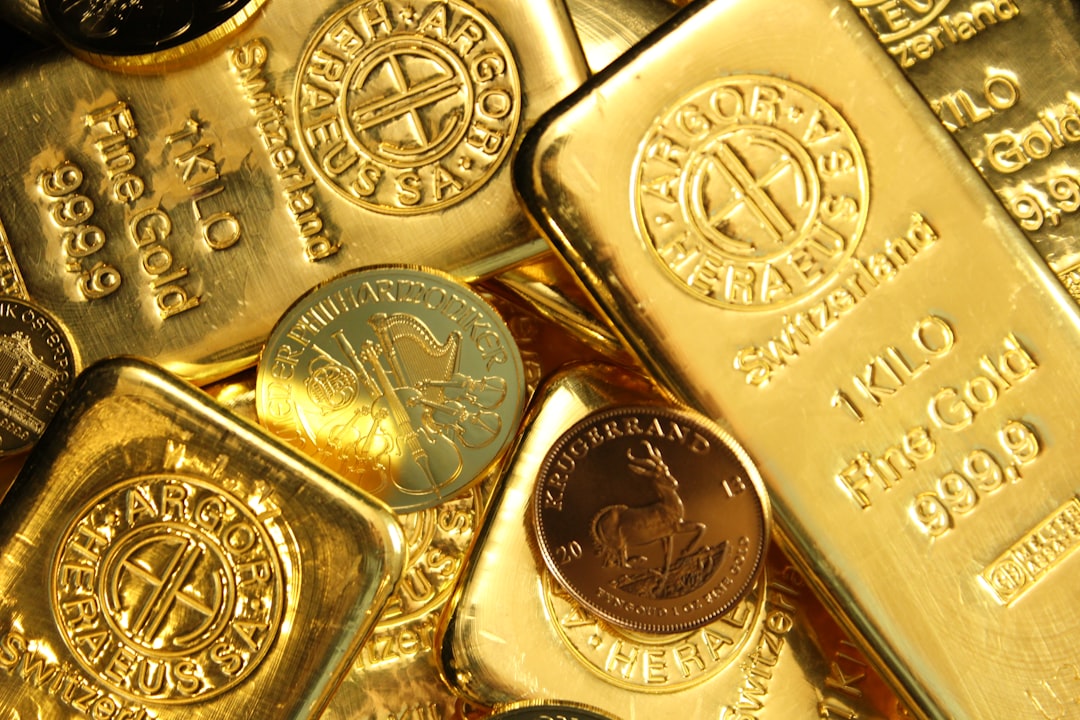
Investors exploring the precious metals market may consider several practical options for gaining exposure to gold, each with its own set of costs and benefits. One straightforward method is investing in physical gold, such as coins and bars. While this option provides tangible ownership, it typically incurs costs related to storage and insurance, which can range from approximately 1% to 2% of the value of the gold annually. Additionally, premiums on physical gold can vary, generally falling between 3% and 10% above the spot price, depending on the type and condition of the gold being purchased.
Another accessible avenue for investors is Gold Exchange-Traded Funds (ETFs), such as SPDR Gold Shares (GLD) and iShares Gold Trust (IAU). These ETFs offer liquidity and can be easily traded on major stock exchanges, making them a convenient choice for those looking to invest without the complexities of physical ownership. The expense ratios for these funds tend to range from approximately 0.25% to 0.40%, which may be viewed as reasonable given the ease of transaction and potential for diversification they provide.
For investors seeking a different exposure to gold, gold mining stocks, such as Barrick Gold Corporation (GOLD), can be an intriguing option. These equities tend to correlate with gold prices but may also offer potential dividends. Typically, mining stocks might exhibit a higher volatility level compared to gold itself, with price movements reflecting both gold price fluctuations and operational factors affecting the company.
Finally, more sophisticated investors may turn to futures contracts as a way to speculate on gold price movements. Futures provide leverage, allowing investors to control a larger amount of gold with a smaller initial investment. However, this method carries higher risk and complexity, as price movements can lead to significant gains or losses. Investors might consider that futures contracts often require a margin of approximately 5% to 10% of the total contract value, emphasizing the need for a solid understanding of market dynamics.
As investors weigh these options, it may be beneficial to consider their individual risk tolerances and investment goals when determining the most suitable method for gaining exposure to gold.
4. Important considerations
Investors considering precious metals, particularly gold, must navigate several critical considerations that could influence their investment outcomes. Understanding capital gains tax implications is essential, as profits from gold investments may be subject to taxation. In many jurisdictions, capital gains tax rates on collectibles like gold can reach up to 28%, compared to the lower rates often applicable to stocks and bonds. Thus, investors should factor in these potential tax liabilities when assessing the net returns on their gold-related investments.
Additionally, there are fees associated with purchasing gold, whether through exchange-traded funds (ETFs) or physical gold storage. Gold ETFs, such as the GLD (SPDR Gold Shares), typically charge an expense ratio that may range from 0.4% to 0.6% annually, which can erode returns over time. Conversely, investing in physical gold often incurs costs related to storage, insurance, and transaction fees, which could range from a few percent to upwards of 10% depending on the provider and the amount being stored.
Market risks also play a significant role in the dynamics of gold investment. Geopolitical tensions, for instance, tend to drive demand for gold as a safe-haven asset, potentially leading to price spikes. Economic data releases, particularly those that influence interest rates or inflation expectations, can further impact gold valuations. A softer-than-expected inflation report might enhance gold's appeal, but such data can also lead to volatility in prices.
Moreover, currency fluctuations, especially the strength of the US dollar, can significantly affect gold prices. A stronger dollar typically makes gold more expensive for holders of other currencies, which could dampen demand. Conversely, a weakening dollar might increase gold's attractiveness, driving prices higher. Investors should monitor these currency trends, as they may have a substantial impact on the overall valuation of gold investments.
In conclusion, while investing in precious metals can be appealing, investors must carefully consider the tax implications, associated fees, market risks, and currency fluctuations before making decisions. Awareness of these factors can potentially lead to a more informed investment strategy in the ever-evolving landscape of precious metals.

5. Conclusion
In conclusion, the price movements of gold are influenced by a variety of economic, geopolitical, and market factors. Key considerations include inflation rates, central bank policies, and geopolitical tensions, all of which can significantly impact investor sentiment and demand for gold as a safe-haven asset. For instance, during periods of heightened uncertainty, gold may experience upward price pressure as investors seek stability.
Investors should carefully weigh the advantages and disadvantages of adding gold to their portfolios. Potential advantages include gold's historical role as a hedge against inflation and currency fluctuations, as well as its low correlation with traditional equities, which can enhance portfolio diversification. Conversely, the disadvantages may involve its lack of income generation, as gold does not yield dividends, and potential volatility in price movements during market corrections.
A well-informed strategy, considering practical options and important considerations, could lead to better investment decisions. Investors may want to explore various avenues for exposure to gold, such as physical gold, exchange-traded funds like GLD (SPDR Gold Shares), or gold mining stocks like NEM (Newmont Corporation). Each option carries its own risk-reward profile and liquidity considerations, which should be evaluated based on individual investment goals and risk tolerance.
As investors navigate the complexities of the precious metals market, staying informed on market trends is essential. Monitoring economic indicators, geopolitical developments, and central bank policies can provide valuable insights into future price movements. Additionally, considering diversification strategies that include gold may help mitigate risk in an investor's overall portfolio.
In summary, understanding the multifaceted nature of gold investment, including its potential benefits and risks, can empower investors to make informed decisions. Ongoing research and adaptability to changing market conditions will be key components in successfully integrating gold into investment strategies.
Disclaimer: This article was generated using AI technology and is for informational and educational purposes only. It does not constitute investment advice, recommendation, or solicitation. All investment decisions are solely the responsibility of the individual investor. Past performance does not guarantee future results. Investments involve significant risks, including the potential loss of principal. Before making any investment decisions, please conduct your own research and consult with qualified financial and tax professionals.