
Which Factors Propel Gold Prices to New Highs?

1. Why Consider Gold Prices
Investors may consider the historical significance of gold as a **safe-haven asset** during periods of economic uncertainty. This precious metal has traditionally been sought after in times of geopolitical strife, inflationary pressures, or significant market downturns. For instance, during financial crises, gold prices often rise as investors flock to assets perceived as stable. Currently, gold has experienced a remarkable increase, reportedly up more than 65% in recent evaluations, reflecting a heightened interest amid fluctuating economic indicators.
Understanding the factors that influence gold prices can be pivotal for informed investment decisions. Several key elements may affect the valuation of gold, including:
- Interest Rates: Historically, gold tends to move inversely to interest rates. When interest rates are low, the opportunity cost of holding gold decreases, potentially driving prices higher. Analysts often note that a reduction in rates can boost gold demand.
- Inflation: Gold is frequently viewed as a hedge against inflation. As inflation rises, the purchasing power of currency diminishes, leading investors to seek refuge in gold, which can retain value over time.
- Geopolitical Tensions: Events such as conflicts, trade disputes, or political instability often lead to increased gold buying. Investors may perceive gold as a more secure asset compared to stocks or bonds during these times, enhancing its appeal.
- Currency Strength: The value of the US dollar plays a significant role in gold pricing. Typically, a weaker dollar makes gold cheaper for foreign investors, potentially increasing demand and driving prices upward.
The current dynamics in Asian markets, where gold recently hit a record high, illustrate how these factors can converge. As traders react to economic data and changing sentiments, understanding these mechanisms may help investors navigate the complexities of the gold market more effectively.
In exploring the investment landscape further, investors might also consider the implications of emerging technologies and their impact on financial markets.
2. Advantages and Disadvantages
Investors often weigh the potential advantages and disadvantages of gold as an asset class, especially during periods of market volatility and geopolitical uncertainty. Understanding these factors may help in making informed decisions regarding gold investments.
2.1 Potential Advantages
- Inflation Hedge: Gold has historically served as a hedge against inflation. When inflation rises, the purchasing power of fiat currencies may erode, making gold an attractive store of value. In periods of high inflation, gold prices can increase significantly, potentially outpacing the inflation rate.
- Safe-Haven Asset: During geopolitical tensions or economic downturns, demand for gold often rises as it is perceived as a safe-haven asset. Investors may flock to gold to protect their portfolios from market volatility, which can lead to price surges. For instance, gold prices may increase by 10-20% during significant market corrections.
- Diversification Benefits: Incorporating gold into an investment portfolio can enhance diversification. Gold typically has a low correlation with equities and bonds, potentially reducing overall portfolio risk. This could be particularly beneficial in times of economic uncertainty, as gold may react differently compared to traditional assets.
- Liquidity: Gold is one of the most liquid assets available. Investors can easily buy or sell gold in various forms, including physical bullion, exchange-traded funds (ETFs) like GLD (SPDR Gold Shares), or gold mining stocks. This liquidity can provide flexibility in managing investment strategies.
2.2 Potential Disadvantages
- Storage and Insurance Costs: Investing in physical gold can involve significant costs related to storage and insurance. Investors may need to pay for secure vaults or safes, which could add 1-2% to the overall cost of investment annually.
- No Income Generation: Unlike equities or bonds, gold does not yield any income, such as dividends or interest. This lack of cash flow may deter some investors who seek regular income from their investments, as gold remains a non-yielding asset.
- Market Volatility: While gold is often seen as a safe-haven asset, it can still experience significant price fluctuations. Factors such as changes in interest rates, currency values, and global economic conditions can lead to volatility in gold prices, which may impact short-term investment strategies.
- Market Sentiment Risks: Gold prices are heavily influenced by market sentiment and investor behavior. During periods of optimism, investors may gravitate towards riskier assets, potentially causing gold prices to decline. This psychological factor can introduce unpredictability in gold investment performance.
Investors may find it beneficial to weigh these advantages and disadvantages carefully as they consider their investment strategy. Understanding the mechanics behind gold investments could potentially lead to more informed decision-making in dynamic market conditions.
3. Practical Options/Methods
Investors seeking exposure to gold have several practical options and methods to consider. One of the most accessible means is through exchange-traded funds (ETFs) such as SPDR Gold Shares (GLD) and iShares Gold Trust (IAU). These funds typically aim to track the price movements of gold bullion and allow investors to gain exposure without the need to physically hold the metal. Historically, these ETFs have been popular due to their liquidity, typically boasting an average daily trading volume in the millions, which can facilitate quick entry and exit strategies.
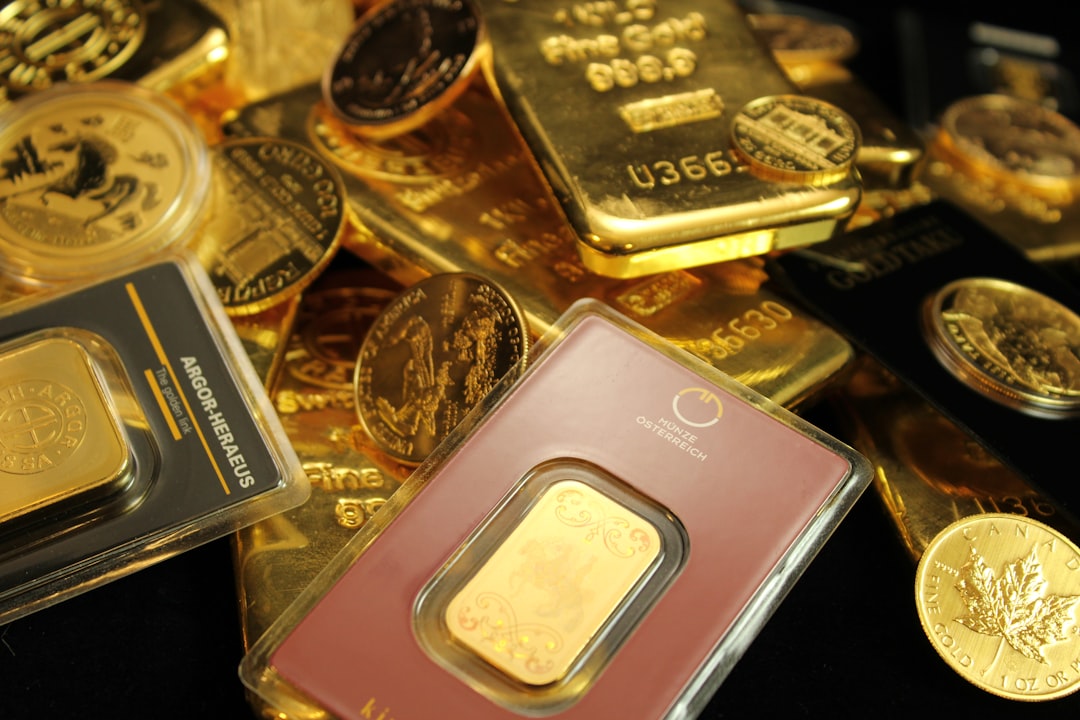
Alternatively, investors may opt for physical gold investments, which can be made via gold coins or bullion. This method may appeal to those who prefer tangible assets. For example, purchasing gold coins from reputable dealers or investing in gold bullion bars can provide a sense of security. Investors should be aware, however, that physical gold investments may incur additional costs, such as premiums over spot prices and storage fees, which can range from approximately 1-3% of the total investment value.
For those interested in indirect exposure to gold, investing in gold mining stocks can be an attractive option. Companies like Barrick Gold Corporation (GOLD) tend to benefit from rising gold prices, as their profitability may improve in a favorable market environment. The performance of mining stocks can vary significantly, but they may offer investors the potential for higher returns, with some stocks historically appreciating by 10-15% or more in bullish gold markets.
As global economic conditions evolve, including recent developments related to interest rates and geopolitical tensions, gold may continue to serve as a hedge against uncertainty. Therefore, investors might find it beneficial to assess these various methods of gold investment in light of their individual risk tolerance and investment objectives.
4. Important Considerations
Investors considering gold investments should take into account several important considerations that could significantly impact their overall returns. One of the primary factors to evaluate is the tax implications associated with gold assets, which can vary widely based on jurisdiction and the type of investment. For instance, in the United States, gold is classified as a collectible, and gains from its sale may be subject to a capital gains tax rate of up to 28%, compared to the standard rate of 15% for other assets. Internationally, investors might find differing tax treatments, necessitating thorough research into local regulations.
Furthermore, when investing in gold exchange-traded funds (ETFs) like GLD (SPDR Gold Shares) or IAU (iShares Gold Trust), it is crucial to assess the transaction and management fees involved. Transaction fees can vary, typically ranging from 0.25% to 0.50% of the investment amount, while management fees might be around 0.40% to 0.75% annually. These costs can erode potential profits, especially in a market with narrow margins.
Additionally, market volatility is a significant concern for gold investors. The price of gold tends to experience sudden swings in response to geopolitical tensions, economic data releases, or shifts in monetary policy. For example, gold prices could rise sharply in uncertain economic climates, but they may also drop unexpectedly as market sentiment shifts. Investors should be prepared for these fluctuations, as they can impact the timing of buying or selling decisions.
In summary, while gold can serve as a hedge against inflation and economic instability, the considerations of tax implications, associated fees, and market volatility are crucial for investors. Understanding these factors may assist in making informed decisions that align with individual investment strategies.
5. Conclusion
In conclusion, understanding the various factors driving gold prices can empower investors to better navigate market conditions. As observed, elements such as interest rate fluctuations, geopolitical tensions, and market sentiment can significantly influence the demand for gold. For instance, recent trends indicating a potential easing of interest rates in the U.S. have contributed to gold hitting record highs, suggesting that lower rates tend to increase appeal for non-yielding assets like gold.
Moreover, the current market dynamics highlight the importance of recognizing the interplay between different asset classes. The correlation between gold and equities, for instance, can provide insights into investors' risk appetite. In an environment where Asian markets rally alongside Wall Street, as seen in recent performances, the movement of gold prices may reflect shifts in investor sentiment across a broader spectrum of assets.
Investors might find it beneficial to observe specific data trends, such as the substantial rise in gold prices—over 65% in certain periods—which can signal potential opportunities for portfolio diversification. Additionally, the role of gold as a safe-haven asset during geopolitical uncertainties remains a critical consideration, as heightened tensions typically lead to increased gold buying.
Ultimately, while gold may present promising opportunities, it is crucial for investors to conduct thorough research and consider their individual financial goals before making investment decisions. Monitoring economic indicators, market trends, and geopolitical developments will be essential in navigating the complexities of the gold market. Investors are encouraged to remain vigilant and informed, as this could potentially enhance their decision-making process in an ever-evolving landscape.
Disclaimer: This article was generated using AI technology and is for informational and educational purposes only. It does not constitute investment advice, recommendation, or solicitation. All investment decisions are solely the responsibility of the individual investor. Past performance does not guarantee future results. Investments involve significant risks, including the potential loss of principal. Before making any investment decisions, please conduct your own research and consult with qualified financial and tax professionals.