
Which Investment Holds More Value: Gold or Bitcoin?

1. Introduction/Why this topic matters
The current economic climate is characterized by heightened volatility and uncertainty, which can significantly impact investment choices. Investors may find themselves navigating a landscape where traditional assets are experiencing fluctuations, leading to a growing interest in alternative assets such as **Gold** and **Bitcoin**. Understanding the value proposition of these assets becomes imperative, particularly as they respond differently to economic pressures. For instance, while Gold has historically been viewed as a safe haven during turbulent times, its recent price trends may prompt investors to reconsider its stability. In contrast, Bitcoin, despite its notorious volatility, has gained traction as a potential store of value akin to Gold.
The appeal of both assets can be attributed to their contrasting characteristics. Gold tends to provide a hedge against inflation, typically maintaining its value over long periods, while Bitcoin, with its fixed supply of 21 million coins, may offer a unique opportunity in a digital economy. Investors might note that Bitcoin has seen price appreciation rates that can surpass traditional assets, with historical annualized returns sometimes approaching 200% during bullish cycles. However, it is essential to recognize the inherent risks associated with such volatility.
Amid market turbulence, the interest in alternative assets is accelerating. For example, recent declines in Gold prices, coupled with a sharper drop in Silver, suggest a potential shift in investor sentiment towards assets perceived as more resilient. The ratio of Gold to Silver prices can serve as a barometer for investor confidence, with a rising ratio indicating a preference for Gold amid uncertainty. As geopolitical tensions and economic policy shifts, including fluctuating oil prices and interest rates, continue to influence market dynamics, understanding these alternative assets could provide investors with opportunities for diversification and risk management.
In the following sections, we will delve deeper into the potential advantages and disadvantages of investing in Gold and Bitcoin, as well as the mechanisms underpinning their value in an increasingly complex financial landscape.
2. Advantages and Disadvantages
Investors may find it beneficial to analyze the advantages and disadvantages of both gold and Bitcoin when considering where to allocate $500 in a volatile economic landscape. Each asset class presents unique attributes that could appeal to different investor profiles.
2.1 Potential Advantages
- Gold as a Tangible Asset: Gold has maintained a historical stability and intrinsic value, often regarded as a reliable store of wealth. Over the last five decades, gold prices have increased by approximately 400%, highlighting its enduring appeal.
- Inflation Hedge: Gold is traditionally viewed as a hedge against inflation. In periods where inflation rates exceed 3-5%, gold tends to appreciate as it retains purchasing power, unlike fiat currencies that may devalue.
- Safe Haven During Economic Downturns: During financial crises, gold often sees increased demand, as investors flock to safe-haven assets. For instance, during the 2008 financial crisis, gold prices surged by nearly 25% as market uncertainty escalated.
2.2 Potential Disadvantages
- Storage Costs: Investors in physical gold may incur storage costs, which could range from 0.5% to 1% of the asset value annually, impacting overall returns.
- Lack of Liquidity: Compared to digital assets like Bitcoin, gold may exhibit lower liquidity. Selling physical gold could require more time and effort to achieve favorable prices.
- Price Stagnation: In a rising digital economy, gold prices may stagnate. As technology and digital currencies gain traction, gold could face diminishing demand, making it less attractive for new investors.
2.3 Potential Advantages
- High Volatility: Bitcoin's extreme price volatility could offer investors significant short-term gains. Historical data shows that Bitcoin has experienced price surges exceeding 100% within a single year.
- Decentralized Nature: Bitcoin operates on a decentralized network, which may appeal to investors seeking autonomy from traditional banking systems. Its growing acceptance as a mainstream asset is evidenced by institutional investments, with companies like MicroStrategy (MSTR) holding substantial Bitcoin reserves.
- Potential for Adoption: The increasing integration of Bitcoin into financial systems may enhance its value proposition, with payment processors like PayPal (PYPL) enabling cryptocurrency transactions, thus broadening its usability.
2.4 Potential Disadvantages
- Regulatory Scrutiny: Bitcoin faces potential regulatory challenges, which could affect its market dynamics. Governments may impose regulations that could impact trading volumes and prices, creating uncertainty for investors.
- Market Manipulation Risks: The cryptocurrency market is susceptible to manipulation due to its relatively low market capitalization compared to traditional assets. This could lead to erratic price movements that might expose investors to unforeseen losses.
- Extreme Price Volatility: While volatility can lead to gains, it can equally result in substantial losses.

Photo by Art Rachen on Unsplash 3. Practical options/methods
Investors exploring practical options for diversifying their portfolios may consider both gold and Bitcoin as viable assets, particularly in light of recent market fluctuations. Each asset class offers distinct methods of investment that could align with varying risk tolerances and investment strategies.
One practical method for investing in gold is through Exchange-Traded Funds (ETFs) such as GLD (SPDR Gold Shares) or IAU (iShares Gold Trust). These ETFs tend to track the price of gold and provide investors with a way to gain exposure to gold's price movements without the need for physical possession. Typically, these funds charge an expense ratio ranging from approximately 0.25% to 0.40%, which investors should consider against potential returns.
For those preferring direct ownership, purchasing physical gold or gold coins from reputable dealers may be appealing. The premiums on physical gold can vary, generally ranging between 5% to 15% above the spot price, depending on the form and dealer. This method may offer investors a tangible asset, but it also requires careful consideration of secure storage and insurance options.
Investors may also look at Bitcoin as an alternative asset, utilizing platforms like Coinbase for direct purchases or ETFs such as BITO (ProShares Bitcoin Strategy ETF). Bitcoin has shown significant volatility, which could yield both opportunities and risks. The price of Bitcoin can fluctuate dramatically, and it may appeal to those with a higher risk tolerance. Investors might also want to consider secure wallets for storing Bitcoin, as these can vary widely in security features, with hardware wallets often deemed the most secure option for long-term holders.
In summary, both gold and Bitcoin present different avenues for investment, each with its own set of considerations related to liquidity, storage, and potential returns. Investors may find that understanding these mechanisms is crucial in making informed decisions about diversifying their portfolios amidst varying market conditions.
4. Important considerations
Investors considering an allocation of $500 to either Gold or Bitcoin should first examine the tax implications associated with capital gains from each asset. For Gold, long-term capital gains tax rates typically range from 15% to 20%, depending on the investor's income bracket. In contrast, Bitcoin is classified as property by the IRS, meaning that any gains realized from its sale are also subject to capital gains taxes, which could potentially be taxed at the same rates as Gold. However, Bitcoin transactions may also trigger additional reporting requirements, as investors must track their cost basis for each transaction.
Another critical factor pertains to the fees associated with purchasing and storing these assets. Gold often incurs costs related to physical storage, insurance, and transaction fees, which can cumulatively amount to approximately 1% to 2% of the asset's value per annum. Moreover, purchasing physical Gold can involve premiums that may range from 3% to 10% over the spot price, depending on the form and quantity being acquired. Conversely, trading Bitcoin typically incurs lower fees, particularly on cryptocurrency exchanges, which may charge transaction fees around 0.1% to 0.5%. However, investors should be cautious of potential storage costs associated with digital wallets, which can vary significantly based on security measures.
Risk factors also play a vital role in the decision-making process. Gold tends to be viewed as a safe-haven asset, often performing well during times of market volatility and geopolitical uncertainty. However, Bitcoin is known for its significant market volatility, with price fluctuations that can surpass 10% within a single day. Geopolitical influences, such as tensions in the Middle East, may bolster Gold prices, while economic indicators, like inflation rates and interest rates, could impact both assets differently. Investors may need to weigh these factors carefully, as they could affect the overall performance of their investment over a three-year horizon.
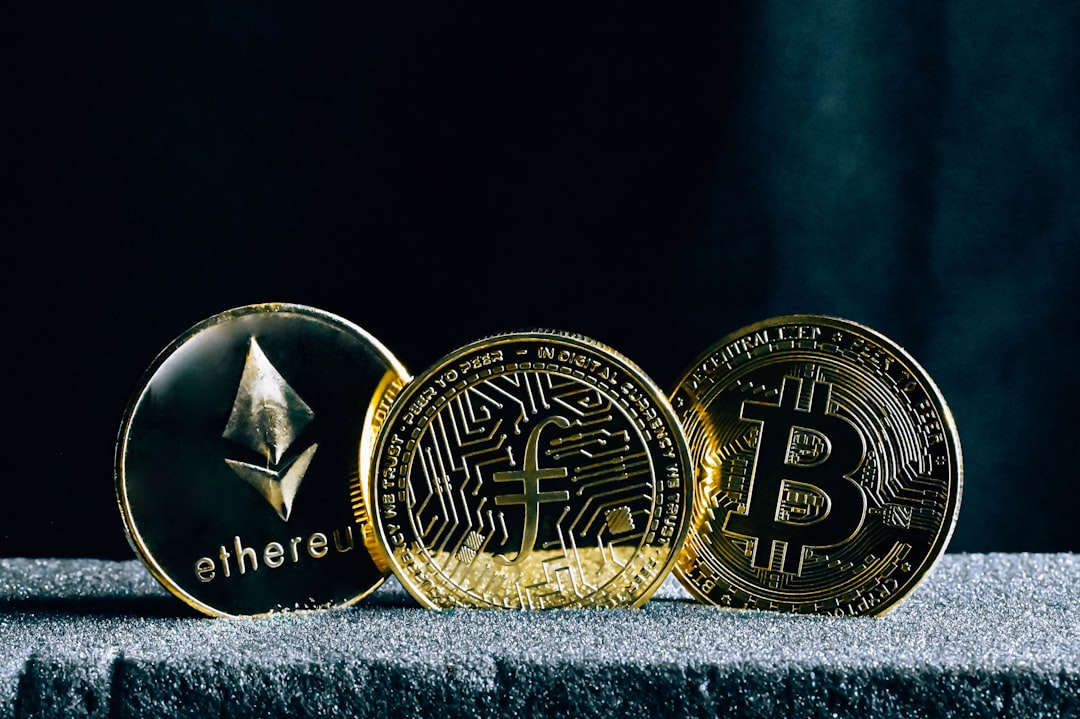
Photo by Traxer on Unsplash 5. Conclusion
In evaluating the comparative advantages and disadvantages of Gold and Bitcoin, investors may identify several key factors that differentiate these two assets. Gold has historically been viewed as a safe-haven asset, particularly during times of economic uncertainty. Its intrinsic value is derived from its physical properties and limited supply, which tends to stabilize its price over time. Conversely, Bitcoin, as a digital asset, offers the potential for high volatility and significant price appreciation, appealing to investors willing to accept greater risk for potentially higher returns.
However, both assets come with their own set of challenges. Gold's price can be influenced by factors such as inflation rates, geopolitical tensions, and shifts in currency value, which may lead to price declines. For example, during periods of rising interest rates, gold often underperforms, with historical data suggesting a potential correlation of approximately -0.4 with interest rates. On the other hand, Bitcoin's value is highly susceptible to market sentiment and regulatory developments, making it prone to dramatic price swings. The cryptocurrency has been known to experience fluctuations of over 10% within a single day, demonstrating its speculative nature.
Investors should carefully assess their personal investment goals and risk tolerance when considering either asset. A long-term investment strategy may benefit from a diversified approach that includes both gold and Bitcoin, potentially allowing investors to balance the steadiness of gold with the growth potential of Bitcoin. While gold may provide a hedge against economic instability, Bitcoin could serve as a speculative vehicle for those looking to capitalize on emerging technologies.
In conclusion, monitoring market conditions and staying informed about both assets is essential for making sound investment decisions. Investors may benefit from conducting their own research and analysis to determine the right mix for their portfolios, keeping in mind the inherent risks and rewards associated with each asset class.
Disclaimer: This article was generated using AI technology and is for informational and educational purposes only. It does not constitute investment advice, recommendation, or solicitation. All investment decisions are solely the responsibility of the individual investor. Past performance does not guarantee future results. Investments involve significant risks, including the potential loss of principal. Before making any investment decisions, please conduct your own research and consult with qualified financial and tax professionals.