
Which Precious Metal Offers More Upside Than Gold?

1. Why Consider Precious Metals Beyond Gold
Investors may consider the inclusion of precious metals as viable investment vehicles due to their historical role as a hedge against inflation and economic uncertainty. While gold often dominates this discussion, silver and other precious metals, such as platinum and palladium, could also present significant opportunities for diversification. These metals may respond differently to market conditions, thus potentially allowing investors to mitigate risks associated with a concentrated investment in gold.
Diversifying precious metal investments can be particularly important in today's market environment. The gold-silver ratio, which represents the number of ounces of silver it takes to purchase one ounce of gold, currently hovers around 75:1. This ratio tends to fluctuate based on economic factors, and a lower ratio could indicate that silver might outperform gold in certain market conditions. For instance, if investors perceive an increase in industrial demand for silver, particularly in technology and renewable energy sectors, this could lead to upward pressure on silver prices, making it an attractive addition to a precious metals portfolio.
Current market trends indicate rising prices for both gold and silver, influenced by several factors such as geopolitical tensions and fluctuations in oil prices. As crude oil prices approach $91 a barrel, investors may see this as a signal for potential inflationary pressures, leading them to seek refuge in precious metals. In addition, recent developments in the mining sector, like the promising drill results from Nine Mile Metals Ltd. (CSE:NINE), may also boost investor sentiment and future supply expectations.
Ultimately, while gold remains a staple in precious metal investments, silver and other metals may offer unique advantages that could enhance an investor's strategy. The interplay between these metals, driven by market dynamics, could potentially yield gains in a diversified investment portfolio.
2. Advantages and Disadvantages
Investors evaluating the precious metals market often weigh the advantages and disadvantages of silver and gold, particularly as market conditions fluctuate. Understanding these factors can aid in making informed decisions regarding potential investments in these commodities.
2.1 Potential Advantages
- Higher Volatility: Silver may exhibit greater price volatility compared to gold, which could lead to higher upside potential. Historical data shows that silver prices can swing more dramatically, sometimes reaching increases of 20-30% during bullish trends.
- Industrial Demand: Silver's industrial applications, particularly in electronics and solar energy, may drive its prices higher during economic recoveries. For instance, during periods of economic expansion, silver demand has surged, reflecting a correlation that can result in price increases of approximately 10-15%.
- Gold-Silver Ratio: The gold-silver ratio, which indicates how many ounces of silver are needed to purchase one ounce of gold, can provide insights into market dynamics. A high ratio may suggest that silver is undervalued relative to gold, presenting a potential investment opportunity for those looking to capitalize on a market rebound.
- Liquidity: Silver is generally more accessible for smaller investors. With a lower price per ounce compared to gold, it allows for more flexibility in purchasing and trading, making it a favored choice among retail investors.
2.2 Potential Disadvantages
- Price Fluctuations: While volatility can present opportunities, it also means that silver may experience sharper price fluctuations, increasing the risk for investors. Prices can drop unexpectedly, with declines of 15-20% not being uncommon during bearish market cycles.
- Safe Haven Status: Gold is traditionally viewed as a safe haven during economic downturns, which tends to make it more stable than silver. During crises, gold prices often hold or increase, while silver may decline due to its industrial demand being negatively impacted.
- Market Sentiment: Investor sentiment can more significantly affect silver prices, leading to erratic movements. In uncertain markets, silver can be more susceptible to panic selling, which could exacerbate losses.
- Higher Storage Costs: Silver’s lower price per ounce may lead to higher storage costs when compared proportionately to gold. As silver is bulkier, holding large quantities can be more expensive and logistically challenging for investors.
Ultimately, understanding these potential advantages and disadvantages allows investors to better navigate the complexities of investing in precious metals, particularly in the context of shifting economic landscapes.
3. Practical Options/Methods
Investors may consider various practical options and methods for gaining exposure to silver, particularly as gold and silver prices have been on the rise. One approach is investing in silver exchange-traded funds (ETFs) like SLV (iShares Silver Trust), which provides an accessible way to gain exposure to silver without the need for physical storage. This ETF typically tracks the price of silver bullion and may appeal to those looking for liquidity and ease of trading.
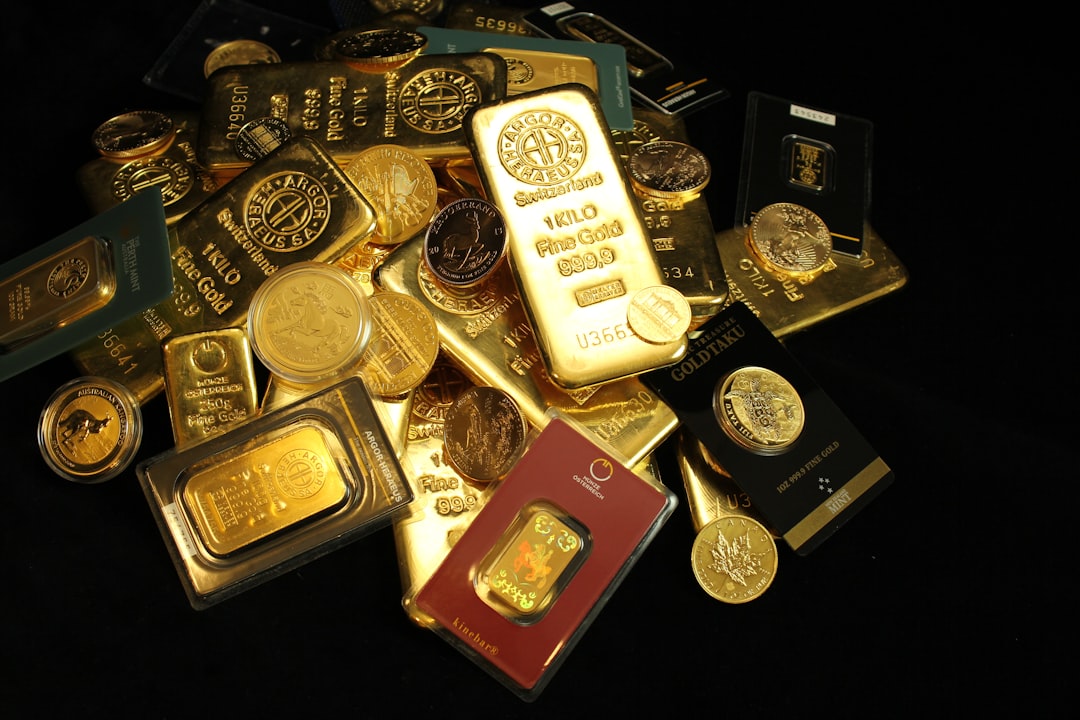
Another avenue is investing in physical silver, such as coins or bars, which can serve as tangible assets. Physical silver investments often appeal to investors seeking a hedge against inflation or economic uncertainty. The value of these assets can be influenced by market demand and supply dynamics, and they might hold intrinsic value beyond mere market speculation.
Additionally, investors may look into silver mining stocks, such as AG (First Majestic Silver Corp) and PAAS (Pan American Silver Corp). These companies are engaged in silver mining and production, and their stock prices may correlate with silver price movements. Mining stocks could potentially offer leveraged exposure to silver; when silver prices rise, these stocks may outperform the metal itself. Historically, mining stocks may provide returns in the range of 10-15% during bullish silver markets, though they also carry additional risks tied to operational performance and geopolitical factors.
In summary, investors have multiple pathways to consider for silver exposure. Whether through ETFs like SLV, physical silver investments, or mining stocks such as AG and PAAS, each method may offer distinct advantages and risks. Understanding these options could help investors make informed decisions aligned with their financial objectives.
4. Important Considerations
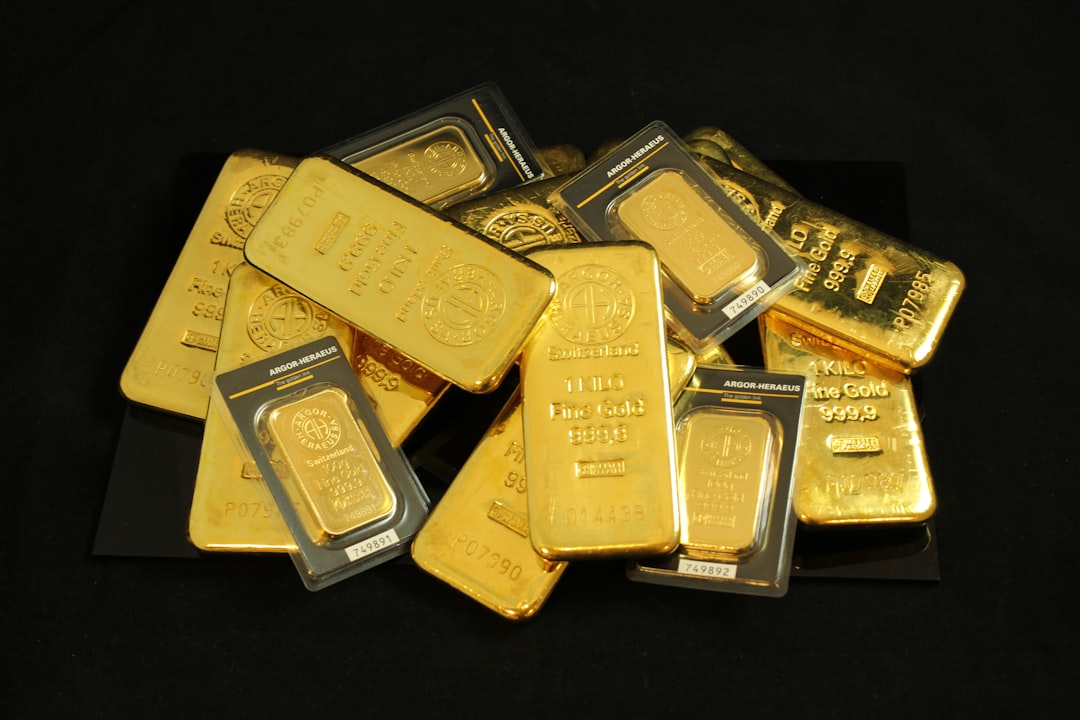
Investors considering the acquisition of precious metals should be aware of several important considerations that could impact their investment outcomes. Understanding the tax implications of buying and selling precious metals is crucial. In many jurisdictions, the sale of physical metals such as gold and silver is subject to capital gains tax, which can typically range from 15% to 30%, depending on the investor's income bracket and holding period. For example, if an investor purchases gold bullion and later sells it at a profit, they may be liable for a capital gains tax on that profit, which could significantly affect their overall returns.
Furthermore, potential fees associated with purchasing physical metals and Exchange-Traded Funds (ETFs) should also be taken into account. When investing in physical metals, investors may encounter premiums that can vary widely, often ranging from 5% to 15% above the spot price, depending on the type of metal and market conditions. Additionally, ETFs such as GLD (SPDR Gold Shares) and SLV (iShares Silver Trust) typically charge annual expense ratios that can range from approximately 0.25% to 0.50%. These fees can erode potential gains over time, making it essential for investors to factor them into their investment strategy.
Lastly, investors must consider the risks related to geopolitical events and market volatility that can significantly impact precious metal prices. For instance, as seen in recent market activity, escalating geopolitical tensions can lead to increased demand for gold and silver as safe-haven assets. However, this relationship is not always linear, as market sentiment can shift rapidly based on news events, leading to potential price fluctuations. In fact, during periods of heightened uncertainty, the gold-silver ratio may provide insights into which metal could outperform others; this ratio tends to indicate the relative value of gold compared to silver and may suggest future price movements.
As investors navigate the complexities of investing in precious metals, it is crucial to remain informed about these important considerations, as they could potentially influence investment strategies and outcomes.
5. Conclusion
In conclusion, investing in silver may present a compelling alternative to gold, particularly in the context of rising prices and market volatility. The gold-silver ratio, which historically ranges from 50:1 to 80:1, suggests that silver could potentially outperform gold in specific market conditions. Currently, when silver is trading at lower levels relative to gold, investors may view this as an opportunity for potential upside, especially if they anticipate economic downturns or increased industrial demand for silver.
Moreover, diversifying precious metal investments could enhance an investor's portfolio resilience. While gold remains a traditional safe haven asset, silver's unique properties—such as its industrial applications in technology and renewable energy—could provide additional growth avenues. The current geopolitical landscape and fluctuating oil prices could also impact market dynamics, making it prudent for investors to explore a variety of precious metals, including platinum and palladium, which may also offer distinct advantages in different economic scenarios.
Investors are encouraged to conduct thorough research into the underlying factors driving both silver and gold prices. Monitoring inflation rates, currency fluctuations, and industrial demand trends will be crucial in making informed decisions. Furthermore, tools such as the SPDR Gold Shares ETF (GLD) and the iShares Silver Trust (SLV) can serve as accessible avenues for exposure to these assets, allowing investors to tailor their strategies based on individual risk tolerances and market outlooks.
As market conditions evolve, staying informed and adaptable will be key. Investors should continually assess their portfolios and consider the potential role of various precious metals in achieving their financial goals.
Disclaimer: This article was generated using AI technology and is for informational and educational purposes only. It does not constitute investment advice, recommendation, or solicitation. All investment decisions are solely the responsibility of the individual investor. Past performance does not guarantee future results. Investments involve significant risks, including the potential loss of principal. Before making any investment decisions, please conduct your own research and consult with qualified financial and tax professionals.