
Why AMD's AI Chip Deal Signals Data Center Growth Potential

1. Why Consider AMD's AI Chip Deal
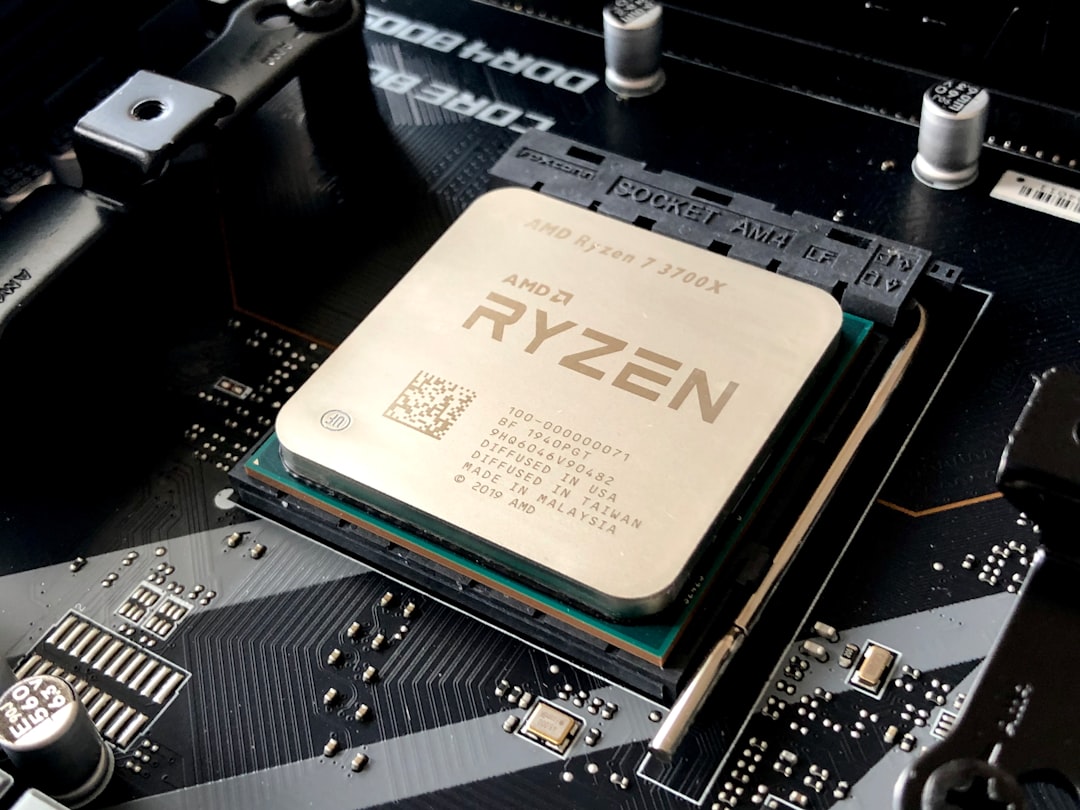
Investors may find AMD's (Advanced Micro Devices, Inc.) recent partnership with Meta Platforms, Inc. significant in the evolving landscape of AI chip development. This collaboration, centered around a multi-year rollout of 6 gigawatts of Instinct GPUs, represents AMD's largest AI chip deal to date and underscores its commitment to competing in a rapidly growing market. The deal may potentially enhance AMD's positioning against rivals such as NVIDIA Corporation (NVDA) and strengthen its foothold within the data center sector.
The data center industry has been on a robust growth trajectory, fueled largely by the increasing demand for AI technologies. As organizations strive to harness the power of artificial intelligence, the need for high-performance computing solutions has surged. According to industry reports, the global data center market is expected to grow at a compound annual growth rate (CAGR) of approximately 10-15%, driven by the expansion of cloud services, big data analytics, and AI applications. This growth presents a favorable environment for companies like AMD that are actively investing in cutting-edge technologies.
Moreover, the integration of AI capabilities into data centers could lead to improved efficiencies and reduced operational costs. For instance, AI-driven solutions may optimize resource allocation and enhance energy management within data centers, potentially resulting in savings that can be reinvested into further technological advancements. This aligns with the trends observed within the sector, where companies are increasingly adopting AI to drive operational excellence and innovation.
Investors might also consider the implications of AMD's agreement with Meta Platforms in relation to emerging market dynamics. The potential for collaborative innovations and shared resources could provide AMD with access to new customer segments and revenue streams. As competition in the AI chip space intensifies, partnerships like these may serve as a critical differentiator, positioning AMD favorably in the eyes of investors looking for long-term growth prospects.
In the subsequent section, we will explore the potential advantages and disadvantages associated with AMD's AI chip deal, providing a more comprehensive view of its implications for investors.
2. Advantages and Disadvantages
Investors may find it essential to evaluate the potential advantages and disadvantages associated with SharonAI Holdings (SHAZ) and its strategic moves in the evolving AI data center landscape. The recent collaboration with NVIDIA highlights significant trends that could shape the future of this sector.
2.1 Potential Advantages
- Increased Demand for AI-Driven Solutions: The surge in demand for AI-driven solutions in data centers could enhance AMD's (Advanced Micro Devices, Inc. - AMD) market position. As organizations increasingly rely on AI for data processing, companies like AMD may benefit from higher sales of their high-performance computing chips.
- Recurring Revenue Streams: Long-term agreements, such as the partnership with Meta Platforms, Inc. (Meta - META) for a multi-year AI chip rollout, could provide AMD with potential recurring revenue streams. This model tends to stabilize cash flow and may improve financial predictability for investors.
- Strategic Collaborations: Collaborations with major players like NVIDIA may position AMD favorably within the competitive landscape. Such partnerships can lead to shared resources and technological advancements, potentially enhancing product offerings.
- Market Growth Potential: With the global AI market projected to grow at a compound annual growth rate (CAGR) of approximately 20-30% over the next several years, companies like AMD could potentially capture a significant share, driving higher valuations.
2.2 Potential Disadvantages
- High Competition: The intense competition from established players such as NVIDIA Corporation (NVIDIA - NVDA) may hinder AMD's market share growth. As NVIDIA continues to innovate and expand its offerings, AMD may struggle to maintain a competitive edge.
- Technological Risks: Rapid advancements in technology could lead to obsolescence. The fast-paced nature of AI developments means that products may quickly become outdated, posing a significant risk for companies that cannot keep up.
- Market Volatility: The AI sector is characterized by fluctuating demand and investment, which can lead to market volatility. Investors might experience unpredictable shifts in stock performance as market sentiments change.
- Dependency on Partnerships: Relying heavily on partnerships for growth may expose AMD to risks associated with the performance and stability of its collaborators. Any disruption in these relationships could negatively impact future revenue streams.
3. Practical Options/Methods
Investors interested in capitalizing on the burgeoning artificial intelligence (AI) sector may consider several practical options for exposure, particularly through Advanced Micro Devices, Inc. (NasdaqGS:AMD). As AMD continues to forge partnerships and develop AI chip technologies, investing in its stock could potentially provide direct benefits from these initiatives. The company’s recent agreements, such as a significant AI chip deal with Meta Platforms, underscore its commitment to expanding its footprint in the AI chip market, which could be pivotal for long-term growth.
In addition to direct stock investment, investors might explore AI-focused exchange-traded funds (ETFs) to diversify their exposure to the sector. Two notable examples include the Global X Robotics & Artificial Intelligence ETF (BOTZ) and the iShares Robotics and Artificial Intelligence ETF (IRBO). These ETFs typically feature a mix of companies involved in robotics and AI technologies, potentially allowing investors to spread risk across multiple assets instead of relying on the performance of a single stock. Historically, such funds may include companies that have demonstrated robust growth, potentially averaging annual returns between 10-15% over the long term, although past performance does not guarantee future results.
Moreover, businesses looking to implement AI solutions could also benefit from utilizing cloud services powered by AMD chips. As enterprises increasingly adopt AI technologies, the demand for cloud infrastructure that can efficiently support these applications is rising. AMD’s chips are designed to enhance computational capabilities, which may improve performance in data-intensive AI workloads. This trend could lead to increased adoption of AMD-powered cloud services, potentially translating to long-term revenue growth for the company.
In summary, investors have various avenues to consider, from direct stock investments in AMD to diversified exposure through AI-focused ETFs or leveraging AMD's cloud solutions. Each option carries its own risk and reward profile, and careful analysis may help investors identify the best fit for their investment strategies.
4. Important Considerations
Investors may find that the landscape of investing in technology stocks, particularly those involved in artificial intelligence (AI) and data centers, presents several important considerations that could impact their overall returns. One significant factor is the tax implications associated with capital gains from stock investments. For instance, capital gains tax rates can vary widely based on an investor's income level and the duration of the investment. Long-term capital gains, applicable to assets held for over a year, typically fall within a range of 0% to 20%, depending on income brackets. Short-term capital gains, however, are taxed at ordinary income rates, which can be as high as 37%. This differential may lead investors to adopt a longer-term perspective when considering stocks like SharonAI Holdings (SHAZ) following its collaboration with NVIDIA Corporation (NASDAQ:NVDA).
Another vital aspect to consider are the management fees associated with various investment vehicles such as Exchange-Traded Funds (ETFs) and mutual funds. These fees tend to average between 0.5% to 1.5% for ETFs, but they can escalate significantly in actively managed funds, where fees might range from 1% to 2% or more. Such costs can erode overall investment returns, particularly in high-growth sectors like technology, where margins might be narrow. Investors should carefully evaluate the fee structures of any ETFs they consider, especially those focusing on AI or data centers, to ensure they are not disproportionately impacting their returns.
Lastly, the market volatility inherent in the technology sector, especially related to AI and data centers, presents another layer of risk. The tech sector can experience significant price fluctuations, influenced by factors such as regulatory changes, competitive pressures, and technological advancements. For example, while NVIDIA Corporation has shown strong growth potential, its stock performance may be susceptible to these external pressures. Investors should be aware that such volatility could lead to substantial gains or losses, emphasizing the need for a well-considered risk management strategy.
As the landscape evolves, understanding these considerations can help investors navigate potential pitfalls and seize opportunities in a rapidly changing market.
5. Conclusion
As the data center market continues to evolve, the recent agreement between Advanced Micro Devices, Inc. (AMD) and Meta Platforms, Inc. (META) regarding a substantial AI chip deal highlights the potential for robust growth in this sector. With a focus on a multi-year rollout of 6-gigawatts of Instinct GPU infrastructure, this partnership may position AMD as a key player in the AI space, potentially increasing its market valuation. Investors might consider this as a signal of the expanding demand for AI capabilities within data centers, which could enhance the profitability of companies engaged in this technology.
However, while the growth potential appears promising, it is crucial for investors to assess both the opportunities and the associated risks. The data center market, driven by AI advancements, may face challenges such as increased competition, regulatory changes, and fluctuating demand patterns. Additionally, the high capital expenditure required for infrastructure development often leads to significant financial commitments, which could impact the balance sheets of companies involved. Investors should consider these factors and perform a thorough analysis before making investment decisions.
To capitalize on the potential growth in the AI technology sector, it is essential for investors to stay informed about market trends, emerging technologies, and competitive dynamics. Regularly monitoring developments related to major players like NVIDIA Corporation (NVDA) and AMD can provide insights into the evolving landscape and help identify viable investment opportunities. Furthermore, exploring exchange-traded funds (ETFs) focused on AI and data center technologies may offer a diversified approach to investing in this high-growth area.
In conclusion, the data center market presents significant growth potential driven by recent strategic partnerships and advancements in AI technology. Investors are encouraged to approach this sector with a balanced perspective, weighing both the opportunities and risks involved. By staying informed and conducting diligent research, investors may navigate this dynamic environment effectively, positioning themselves to potentially benefit from the ongoing evolution of AI in data centers.
Disclaimer: This article was generated using AI technology and is for informational and educational purposes only. It does not constitute investment advice, recommendation, or solicitation. All investment decisions are solely the responsibility of the individual investor. Past performance does not guarantee future results. Investments involve significant risks, including the potential loss of principal. Before making any investment decisions, please conduct your own research and consult with qualified financial and tax professionals.