
Why Bitcoin's 15% Surge Signals Market Confidence

1. Introduction/Why this topic matters
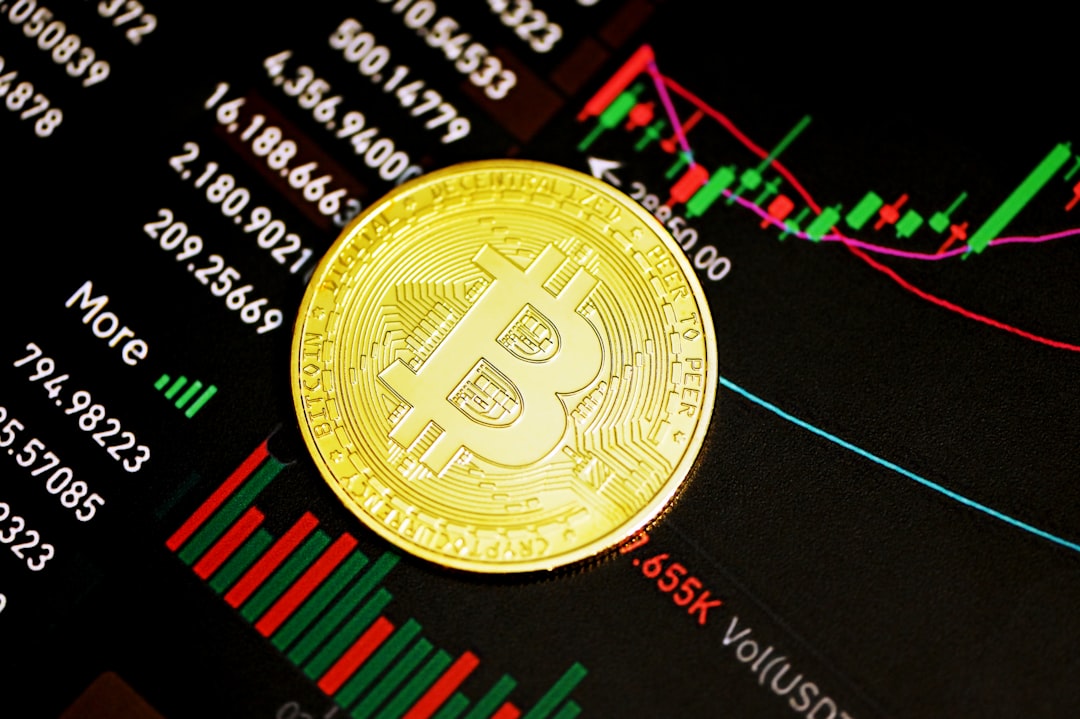
Bitcoin's recent surge of approximately 15% has captured the attention of the financial world, raising questions about its implications for the broader cryptocurrency market. This uptick not only signals a recovery from a prior downturn, influenced by Federal Reserve policy adjustments, but also reflects a shift in market sentiment that could have lasting effects on investor confidence. As Bitcoin (BTC) often serves as a benchmark for other digital assets, its price movements may indicate overall market health and investor sentiment within the cryptocurrency ecosystem.
The relationship between Bitcoin's price fluctuations and market confidence is a critical dynamic that investors should consider. Typically, when Bitcoin experiences a significant rally, as observed recently, it often leads to a ripple effect across altcoins. For instance, assets like Ethereum (ETH), XRP, and Dogecoin (DOGE) have shown notable gains in the wake of Bitcoin's resurgence. This correlation suggests that Bitcoin may act as a leading indicator for the performance of other cryptocurrencies, potentially influencing trading strategies and portfolio allocations among investors.
Moreover, Bitcoin's role is not confined to the cryptocurrency market alone; it may also impact traditional financial markets. As institutional interest in Bitcoin grows—evidenced by firms like Morgan Stanley launching exchange-traded products (ETPs) that include Bitcoin and Ethereum—its price movements could affect investor sentiment across various asset classes. For instance, as Bitcoin recovers, stocks could also see upward momentum, highlighting a potential interconnectedness between digital assets and traditional equities.
Investors may want to monitor these trends closely, as the implications of Bitcoin's performance could extend beyond cryptocurrencies, influencing broader market dynamics. The ongoing developments in this space may provide valuable insights into the future of both digital currencies and traditional financial markets.
2. Advantages and Disadvantages
Investors considering the current landscape of cryptocurrencies, particularly Bitcoin, Ethereum, and XRP, may want to weigh the potential advantages and disadvantages that have emerged from recent market movements.
2.1 Potential Advantages
- Increased Investor Confidence: A notable rise in investor confidence could lead to heightened market participation. This positive sentiment often translates into increased buying activity, which may contribute to upward price momentum across various cryptocurrencies.
- Positive Sentiment for Altcoins: With Bitcoin's resurgence, altcoins like Ethereum and XRP could potentially benefit from positive market sentiment, driving their prices higher. Historically, altcoins have tended to follow Bitcoin's price movements, which may create lucrative opportunities for investors.
- Institutional Interest: The recent investments from major financial institutions, such as Morgan Stanley's launch of new exchange-traded products (ETPs) tracking Ether (MSSE) and Solana (MSOL), may catalyze further growth in the crypto market. Institutional involvement tends to validate the asset class and can attract additional retail investors.
2.2 Potential Disadvantages
- Volatility Risks: The cryptocurrency market is notoriously volatile, with price surges often followed by significant corrections. For instance, after a sharp increase, Bitcoin could potentially drop back to levels around $60,000, which may instill fear among investors.
- Fear of Correction: Investors may experience anxiety regarding potential corrections in the market. Historical trends suggest that rapid price increases could be followed by downturns, creating a climate of uncertainty for those holding significant positions.
- Market Manipulation Concerns: The influence of large stakeholders, often referred to as "whales," can lead to market manipulation. This concern could deter some investors from entering the market, as large sell-offs by these entities may disproportionately affect prices.
In light of these factors, understanding the intricate dynamics at play in the cryptocurrency market becomes crucial for investors seeking to navigate its complexities effectively.

3. Practical options/methods
Investors may consider several practical options for engaging with cryptocurrencies, particularly in light of the recent market recovery. One accessible avenue is through **Bitcoin Exchange-Traded Funds (ETFs)**, such as the ProShares Bitcoin Strategy ETF (BITO) and Valkyrie Bitcoin Strategy ETF (BTF). These ETFs allow investors to gain exposure to Bitcoin's price movements without directly purchasing the cryptocurrency. By tracking Bitcoin futures, these funds may simplify market entry for those hesitant about navigating cryptocurrency exchanges.
Another method for investors is to explore **staking options** in cryptocurrencies like **Ethereum**. Through vehicles such as Morgan Stanley's Ethereum Strategy Exchange-Traded Product (MSSE) and Solana Strategy Exchange-Traded Product (MSOL), investors may earn staking rewards, which can typically range from **3-10% annually**. This innovative approach allows investors to participate in the blockchain network's security while potentially generating income from their holdings.
Investors might also utilize **cryptocurrency exchanges and wallets** for direct investments. Popular platforms, such as Coinbase or Binance, facilitate the buying, selling, and trading of various cryptocurrencies. These exchanges often provide features like limit orders and market orders, allowing investors to tailor their trading strategies to suit their risk tolerance. Additionally, wallets—both hot and cold—provide secure storage options for digital assets, which is essential given the volatility often associated with cryptocurrencies.
As the cryptocurrency landscape evolves, understanding these practical options may empower investors to make informed decisions regarding their digital asset portfolios. With various avenues available for exposure to cryptocurrencies, each method presents unique benefits and risks, which investors should assess carefully in the context of their financial goals.
4. Important considerations
Investors may find it essential to understand the various tax implications associated with cryptocurrency investments. When it comes to profits derived from the sale or exchange of cryptocurrencies such as Bitcoin (BTC) and Ethereum (ETH), these gains are typically subject to capital gains tax. In many jurisdictions, this tax could range from approximately 15% to 30%, depending on the investor's income level and the duration of holding the asset. Short-term capital gains, which apply to assets held for less than a year, might incur higher tax rates compared to long-term holdings.
Furthermore, investors must be aware of their reporting requirements. The Internal Revenue Service (IRS) in the United States, for example, mandates that all cryptocurrency trades and holdings be reported, even if no taxable gains were realized. Failure to accurately report these transactions can lead to penalties or audits, which could significantly impact an investor's financial standing.
Another critical aspect involves the fees associated with trading cryptocurrencies. Transaction fees on exchanges can vary significantly, often falling within the range of 0.1% to 1% per trade, which can accumulate for frequent traders. Additionally, if investors opt for cryptocurrency exchange-traded funds (ETFs) such as those offered by Morgan Stanley Investment Management (MSOL and MSSE), they should consider the management fees that typically range from 0.5% to 1% annually. This could potentially erode overall returns, particularly in a volatile market.
Investors should also remain acutely aware of the market risks inherent in cryptocurrency trading. The liquidity of certain assets can be limited, leading to significant price fluctuations during periods of high volatility. Additionally, regulatory changes could impact market dynamics, potentially affecting the value and legality of specific cryptocurrencies. Such factors may necessitate a more cautious approach when investing in this rapidly evolving landscape.
This understanding of the various considerations in cryptocurrency investing sets the stage for a deeper exploration of the potential benefits and drawbacks of different investment vehicles, including direct investments in cryptocurrencies versus ETFs.
5. Conclusion
As the cryptocurrency market experiences a notable recovery, with Bitcoin (BTC) and Ethereum (ETH) leading the charge, it is essential for investors to understand the implications of this surge. The recent rise in Bitcoin, which saw gains of approximately 10-15%, reflects broader market confidence and a shift in investor sentiment, particularly following a period of volatility triggered by Federal Reserve policies. This rebound may suggest that investors are regaining faith in the potential of cryptocurrencies as a viable asset class.
Moreover, the launch of Bitcoin Trust (MSBT) by Morgan Stanley Investment Management, now boasting over $381 million in assets, underscores the growing institutional interest in cryptocurrencies. This trend may indicate that traditional finance is increasingly embracing digital assets, potentially leading to further price appreciation and stability in the market. Additionally, the introduction of exchange-traded products (ETPs) like MSSE and MSOL, which offer staking yields for Ether and Solana, represents a significant innovation in the crypto investment landscape, providing investors with new avenues for income generation.
Investors may want to consider diversifying their portfolios to include a mix of cryptocurrencies. Coins like XRP, Solana, and Ethereum could potentially offer significant growth opportunities, as analysts highlight specific catalysts that may drive their values higher. The typical range for gains in cryptocurrencies can vary widely, but many investors hope to see returns of 100% or more on their investments over time.
In conclusion, the current market dynamics suggest that Bitcoin's resurgence may be a harbinger of renewed investor confidence. Staying informed about market trends and exploring various investment options in the cryptocurrency space could potentially yield significant benefits. As always, investors are encouraged to conduct their own research and monitor evolving market conditions to make informed decisions.
Disclaimer: This article was generated using AI technology and is for informational and educational purposes only. It does not constitute investment advice, recommendation, or solicitation. All investment decisions are solely the responsibility of the individual investor. Past performance does not guarantee future results. Investments involve significant risks, including the potential loss of principal. Before making any investment decisions, please conduct your own research and consult with qualified financial and tax professionals.