
Why Bitcoin's 59.5% Market Share Signals Altcoin Risks

1. Why Consider Bitcoin's Market Share
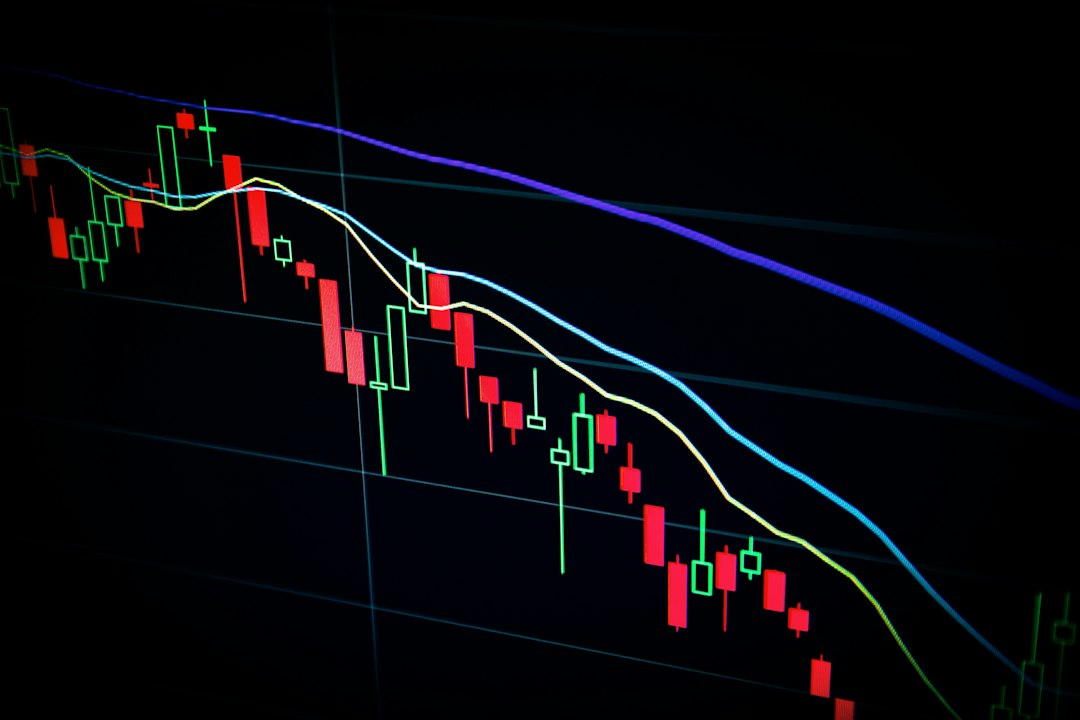
Bitcoin's dominance in the cryptocurrency market is currently at approximately 59.5%, which raises important questions about its implications for both investors and the broader market dynamics. This level of market share indicates that Bitcoin controls a significant portion of the total cryptocurrency capitalization, which tends to influence investor sentiment and the performance of altcoins. When Bitcoin's price experiences volatility, it often sets the tone for the entire market, leading to reactions that can either uplift or depress altcoin valuations.
Investors may find it critical to consider how Bitcoin's market share impacts the potential for an "altcoin season." Historically, periods where Bitcoin experiences stagnation or a price drop often lead to heightened interest in altcoins, as investors seek opportunities for greater returns. However, with Bitcoin currently holding a substantial market share, the potential for a robust altcoin rally may be hindered as capital tends to remain concentrated in Bitcoin. For instance, during previous cycles, altcoins typically captured market interest when Bitcoin's dominance fell below 40%, offering a more favorable environment for smaller cryptocurrencies to flourish.
The implications of Bitcoin's market share extend beyond immediate price movements. As Bitcoin remains the leading cryptocurrency, its performance could either enhance or limit the growth prospects for altcoins. Investors should evaluate how the interplay between Bitcoin and altcoins may impact their investment strategies. Stakeholders in the cryptocurrency ecosystem, including developers and exchanges, might also consider how a sustained Bitcoin dominance could shape project funding, innovation, and the overall competitive landscape of the market.
In summary, understanding Bitcoin's market share is vital for grasping the current cryptocurrency landscape and its future potential. Investors may need to remain vigilant in monitoring Bitcoin's movements, as its influence tends to resonate throughout the altcoin market, impacting both investment strategies and market dynamics.
2. Advantages and Disadvantages
As Bitcoin continues to dominate the cryptocurrency landscape, accounting for approximately 59.5% of the market, investors may weigh the potential advantages and disadvantages that this dominance brings to both Bitcoin and altcoins. Understanding these factors can aid investors in navigating their strategies amidst market fluctuations.
2.1 Potential Advantages
- Market Stability: Bitcoin's significant market share may provide a degree of stability, acting as a safe haven for investors during periods of market volatility. With Bitcoin often viewed as a reliable asset, this could potentially reduce the overall risk for investors seeking refuge from more unpredictable investments.
- Network Effects: Altcoins may benefit from Bitcoin's established network, as heightened investor confidence in Bitcoin can lead to increased interest and investment in altcoins. This phenomenon, often referred to as the "rising tide lifts all boats," suggests that positive sentiment towards Bitcoin could bolster altcoin values as well.
- Liquidity: Given Bitcoin's dominance, it typically offers higher liquidity compared to many altcoins. This liquidity can be advantageous for investors looking to enter or exit positions without incurring significant slippage, thus potentially enhancing trading opportunities.
- Institutional Adoption: As institutional investors increasingly look to Bitcoin, this attention may trickle down to altcoins, providing them with a potential boost in credibility and investment. Such endorsements could lead to a more favorable regulatory environment and greater public interest.
2.2 Potential Disadvantages
- Market Saturation: Bitcoin's high market share may indicate saturation, limiting the growth potential for altcoins. If Bitcoin's dominance continues unchecked, it might restrict the opportunities for other cryptocurrencies to gain traction and market share.
- Price Volatility: The increase in competition among altcoins may lead to significant price fluctuations. As new projects emerge, investors might face heightened risks as they navigate the unpredictable nature of altcoin valuations, which can be influenced by market sentiment and speculative trading.
- Dependency on Bitcoin: Altcoins often find their performance closely tied to Bitcoin's price movements. This dependency means that adverse market conditions affecting Bitcoin could similarly impact altcoins, potentially leading to correlated downturns that amplify investor losses.
- Regulatory Risks: As Bitcoin faces scrutiny from regulators, altcoins may be caught in the crossfire. Heightened regulatory attention could lead to increased compliance costs and operational hurdles for altcoins, affecting their viability and attractiveness to investors.
In conclusion, while Bitcoin’s commanding presence in the market offers certain advantages, it also presents challenges that could hinder the growth of altcoins. Investors may need to carefully consider these factors as they assess their positions within this dynamic cryptocurrency landscape.
3. Practical Options/Methods
Investors may find that considering Bitcoin-centric investment vehicles like the Bitcoin Strategy ETF (BITO) offers a straightforward way to gain exposure to Bitcoin's performance without direct ownership of the cryptocurrency. BITO, which seeks to provide investment results that correspond to the performance of Bitcoin, could potentially appeal to those looking to diversify their portfolios while mitigating some risks associated with direct trading. Since Bitcoin controls approximately 59.5% of the crypto market, its movements tend to significantly influence overall market sentiment.
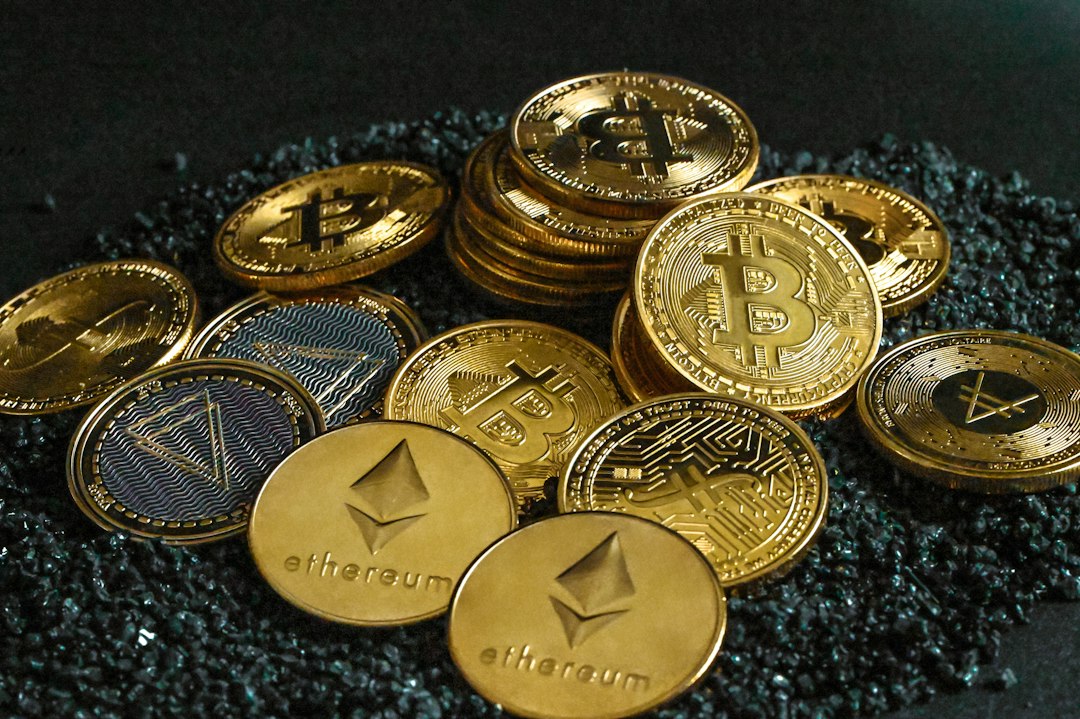
Moreover, diversifying with altcoins could be an effective strategy for investors seeking to balance their crypto holdings. Platforms like Coinbase and Binance provide a wide range of altcoins for trading, allowing investors to explore potential high-growth assets beyond Bitcoin. Well-known altcoins, such as Ethereum (ETH) and Ripple (XRP), might present unique opportunities, especially during market cycles where Bitcoin's dominance wanes and altcoins tend to gain traction. Investors should note that diversifying into altcoins could potentially reduce risk, but it also introduces volatility into their portfolios.
To make informed decisions in the ever-changing crypto landscape, utilizing tools like CoinMarketCap for real-time market analysis may prove beneficial. This platform allows investors to track performance metrics, market capitalization, and trading volumes of various altcoins, facilitating a clearer understanding of market dynamics. Investors may find that closely monitoring these metrics can help identify promising altcoins that exhibit strong growth potential or resilience against market downturns.
In summary, while Bitcoin remains a dominant player in the cryptocurrency market, the exploration of altcoins and the use of analytical tools could provide investors with opportunities for diversification and informed decision-making. As the market continues to evolve, staying updated with investment vehicles and market trends may enhance potential outcomes.
4. Important Considerations
Investors navigating the cryptocurrency landscape should be aware of several important considerations that could impact their investment outcomes. One critical aspect is the understanding of tax implications associated with cryptocurrency investments. In many jurisdictions, profits derived from the sale of cryptocurrencies like Bitcoin (BTC) and altcoins are subject to capital gains taxes. Investors may find that short-term capital gains, defined as profits realized within one year of purchase, are typically taxed at their ordinary income tax rates, which can range from 10% to 37%. Long-term capital gains, however, tend to be taxed at reduced rates, often between 0% and 20%, depending on income levels. Proper tax planning is essential as failing to report these gains could lead to significant penalties.
Another consideration involves the potential fees associated with trading altcoins compared to Bitcoin. Exchange fees can vary widely, often ranging from 0.1% to 1% per transaction, and may be higher for less popular altcoins. For instance, trading on platforms like Binance may incur fees as low as 0.1% for Bitcoin transactions but could rise to 0.2% or more for altcoins, depending on trading volume and specific coin pairings. Additionally, some exchanges may impose withdrawal fees, which can further erode potential profits.
Investors should also be cognizant of the risks associated with altcoin investments. The viability of altcoin projects can be difficult to assess, as many are subject to rapid changes in market sentiment and regulatory scrutiny. For example, while Bitcoin has established itself as a digital gold, numerous altcoins may lack the same level of adoption or technological backing, which can lead to significant price volatility. Investors may want to conduct thorough due diligence, considering factors such as project fundamentals, development team credibility, and community support.
In summary, while the allure of altcoins may be substantial, investors should weigh these crucial considerations carefully. Understanding tax obligations, evaluating potential trading fees, and assessing the risks inherent to altcoin investments could be vital in making informed decisions in this dynamic market.
5. Conclusion
In summary, Bitcoin's current market dominance of approximately 59.5% highlights its significant influence over the entire cryptocurrency landscape. For altcoin investors, this trend may indicate a challenging environment, as Bitcoin's performance tends to overshadow that of alternative cryptocurrencies. While the possibility of an "altcoin season" remains a topic of discussion, the prevailing market conditions suggest that investors should approach this notion with caution.
Investors may find it beneficial to conduct thorough research on individual altcoins and their underlying technologies, as well as monitor overall market trends. For instance, the recent performance of various assets, such as Ethereum and XRP, illustrates the volatility and uncertainty that can impact altcoins, with Ethereum’s value fluctuating significantly compared to Bitcoin. In contrast, Ripple’s RLUSD, which has received a Moody’s A2 rating, may present potential opportunities for investors seeking to capitalize on stablecoins amidst Bitcoin's dominance.
Moreover, the ongoing developments in the crypto market, including venture capitalist predictions regarding Solana's potential to surpass Ethereum, emphasize the need for investors to remain adaptable. These predictions may not always come to fruition, but they underscore the dynamic nature of the industry, where shifts can occur rapidly.
- Market Dynamics: Bitcoin's dominance shapes investor sentiment and could affect altcoin valuations.
- Research Importance: Conducting due diligence on altcoins may mitigate risks associated with market changes.
- Adaptability: Staying informed about technological advancements and market movements can enhance investment strategies.
As the crypto landscape continues to evolve, investors should remain vigilant and responsive to changing conditions. Monitoring the interplay between Bitcoin and altcoins will be crucial in identifying potential opportunities. Ultimately, conducting independent research remains essential for navigating this complex and rapidly changing market.
Disclaimer: This article was generated using AI technology and is for informational and educational purposes only. It does not constitute investment advice, recommendation, or solicitation. All investment decisions are solely the responsibility of the individual investor. Past performance does not guarantee future results. Investments involve significant risks, including the potential loss of principal. Before making any investment decisions, please conduct your own research and consult with qualified financial and tax professionals.