
Why Copper Prices Are Crucial for Freeport-McMoRan Stock

1. Why Consider Copper Prices
Copper prices serve as a significant barometer for economic health, influencing a variety of sectors including construction, electronics, and manufacturing. As a critical industrial metal, copper tends to reflect broader economic conditions more accurately than many other commodities. For instance, when copper prices rise, it may indicate increasing demand tied to industrial activity, signaling potential growth in the economy. Conversely, falling copper prices could suggest weakening demand, raising concerns about economic slowdown. Investors may monitor these fluctuations closely as they could impact various market segments.
A key player in the copper market is Freeport-McMoRan Inc. (FCX), one of the world’s largest publicly traded copper producers. The company’s stock performance is significantly influenced by movements in copper prices. In recent reports, Freeport-McMoRan highlighted third quarter copper production of approximately 830 million pounds, aligning closely with internal expectations. However, this output is subject to the volatile nature of copper prices, which could impact the company’s profit margins and operational strategies.
Furthermore, the copper market often reacts to macroeconomic trends, such as changes in global demand and supply dynamics. For example, if copper prices experience a downturn, it may lead to reduced exploration and development investments, creating a supply crunch in the future. Conversely, rising prices could spur increased production and investment in new mining projects, potentially leading to a long-term supply increase.
Investors might consider that Freeport-McMoRan’s earnings are typically correlated with copper prices, which historically range from $2.50 to $4.00 per pound. When prices are near these thresholds, the company’s profit margins can vary significantly, with potential swings of 10-15% in earnings per share based on fluctuations in copper market pricing.
As such, understanding the trends in copper prices could provide investors with insight into not only the operational health of companies like Freeport-McMoRan but also broader economic indicators that may influence investment strategies across sectors. This analysis may lead to a more comprehensive view of the commodities market and its potential implications for investment opportunities.
2. Advantages and Disadvantages
Investors considering Freeport-McMoRan Inc. (FCX) and its relationship with copper prices may find it essential to weigh both the potential advantages and disadvantages associated with the company's performance in fluctuating markets. The dynamics of copper pricing can significantly influence FCX's revenue and stock performance.
2.1 Potential Advantages
- Increased Revenue: High copper prices can lead to substantial revenue growth for FCX. Analysts have noted that a 10% increase in copper prices could potentially yield a revenue increase of approximately 5-7% for the company, given its production capacity of around 830 million pounds per quarter.
- Profitability Boost: As copper prices rise, the profit margins for Freeport-McMoRan may improve considerably. For example, a price increase from $4 to $5 per pound of copper may enhance operating income margins, which typically range from 10-20% for mining companies, potentially pushing FCX’s margins closer to the higher end of that range.
- Market Positioning: Freeport-McMoRan, being one of the largest copper producers, may benefit from economies of scale. This advantage could allow the company to maintain competitiveness in pricing, particularly during periods of elevated copper demand driven by infrastructure projects and green energy initiatives.
- Investor Sentiment: Strong copper prices often correlate with positive investor sentiment. This could lead to increased interest in FCX shares, potentially driving stock prices higher as market confidence grows, especially among institutional investors.
2.2 Potential Disadvantages
- Price Volatility: Copper prices are notoriously volatile, influenced by global economic conditions, trade policies, and supply chain disruptions. This volatility may lead to significant fluctuations in FCX's stock price, which could deter risk-averse investors.
- Investor Uncertainty: Rapid changes in copper prices can create uncertainty in the market, leading to hesitation among investors. This uncertainty may manifest in wider bid-ask spreads, impacting liquidity and potentially elevating the cost of trading FCX shares.
- Operational Risks: Fluctuations in copper prices may force FCX to alter its operational strategies, such as scaling back production when prices fall. This could disrupt cash flow stability and impact long-term planning, which tends to concern institutional investors looking for consistent performance.
- Global Economic Sensitivity: As a company heavily tied to copper prices, FCX’s performance is sensitive to global economic conditions. A downturn in major economies, such as China or the United States, could negatively affect demand for copper, leading to declining prices and, consequently, reduced profitability.
3. Practical Options/Methods
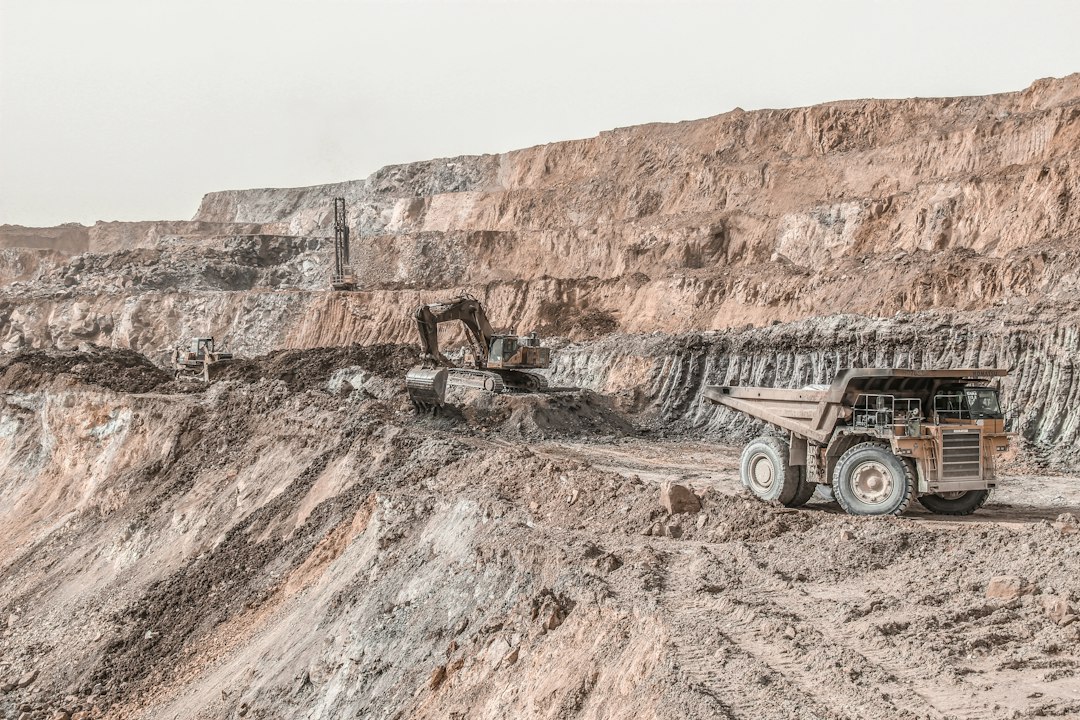
Investors may consider various methods to gain exposure to copper prices, particularly given the recent production figures from Freeport-McMoRan (NYSE: FCX). With the company reporting approximately 830 million pounds of copper production, maintaining a steady output could suggest a resilient operational capacity amidst fluctuating market conditions. Direct investment in Freeport-McMoRan stock could potentially provide investors with a leveraged exposure to copper prices, as the company’s financial performance tends to correlate closely with commodity price movements. For instance, a 10% increase in copper prices may translate into a more pronounced improvement in FCX's earnings, making it an appealing stock for those bullish on copper.
Alternatively, investors may prefer diversified exposure through exchange-traded funds (ETFs) focused on copper. The United States Copper Index Fund (CPER) offers a direct investment into copper futures, which may be suitable for those looking to track copper prices without the individual stock risk associated with specific companies. Additionally, the Global X Copper Miners ETF (COPX) provides a broader approach, including several mining companies that are engaged in copper production. This ETF may reduce idiosyncratic risk associated with any single company, as it typically holds a basket of stocks, potentially improving stability in volatile markets.
For those considering the broader copper market, it could be useful to analyze the historical performance of these investments. For example, copper prices have historically shown volatility of approximately 20-30%, influenced by global demand, particularly from sectors like construction and electronics. Investors may also want to keep an eye on macroeconomic indicators that impact copper demand and pricing, such as infrastructure spending and technological advancements.
In summary, whether opting for direct stock investments in Freeport-McMoRan or diversified exposure through copper-focused ETFs like CPER and COPX, investors should carefully weigh the potential risks and rewards associated with each method. The choice may ultimately depend on individual investment strategies and risk tolerance.
4. Important Considerations
Investors should consider several important factors when engaging in the stock and exchange-traded fund (ETF) markets, particularly regarding the tax implications of capital gains and the costs associated with ETFs. Understanding the tax treatment of capital gains is crucial, as it can significantly affect net returns. Generally, short-term capital gains—gains from assets held for one year or less—are taxed at the investor's ordinary income tax rate, which may range from approximately 10% to 37%. In contrast, long-term capital gains—gains from assets held for more than one year—are typically taxed at a lower rate, often between 0% to 20%, depending on the investor's income bracket. This differential could incentivize investors to adopt a buy-and-hold strategy to benefit from lower tax rates on long-term investments.
Additionally, management fees associated with ETFs can impact overall investment returns. These fees often range from about 0.05% to 1.0% of the fund's assets under management, depending on the type and complexity of the ETF. While lower fees may enhance net returns, investors should also be aware of the potential performance implications of higher fee structures. For instance, a 1% management fee may seem trivial, but over a long investment horizon, it could significantly erode gains due to the compounding effect of fees on returns.
Moreover, when considering commodity investments, such as those linked to companies like Freeport-McMoRan Inc. (FCX) or Wesdome Gold Mines (WDO), investors must acknowledge the inherent risks. Commodities tend to be volatile and are influenced by various factors, including geopolitical events, supply and demand fluctuations, and macroeconomic indicators. For example, recent trends in copper and gold prices may reflect broader economic conditions, which could lead to unpredictable performance in related equities.
In conclusion, investors must carefully evaluate the tax implications of capital gains, be mindful of ETF management fees, and understand the risks associated with commodity investments. These considerations are essential for making informed decisions that align with one’s financial goals and risk tolerance.

5. Conclusion
Copper prices are a critical factor influencing the stock performance of Freeport-McMoRan Inc. (FCX). As a leading copper producer, Freeport-McMoRan's profitability is closely tied to fluctuations in copper prices, which can exhibit significant volatility based on global demand and supply dynamics. For instance, a notable increase in copper prices could enhance Freeport-McMoRan's revenue margins, potentially leading to higher stock valuations. Conversely, a decline in copper prices could adversely affect its earnings, making investment decisions more complicated for investors.
Investors may consider several advantages and risks when evaluating Freeport-McMoRan's stock. On one hand, the company benefits from its diversified production portfolio, which includes both copper and gold. This diversification may provide a buffer against price volatility in any single commodity. Furthermore, Freeport-McMoRan's operational efficiency and cost management could potentially enhance its resilience during downturns in commodity prices.
On the other hand, the risks associated with investing in Freeport-McMoRan are significant. For example, geopolitical factors and regulatory changes in mining regions can impact production capabilities and costs, which might lead to stock price fluctuations. Additionally, competition within the mining sector may also affect Freeport-McMoRan's market share and profitability. Investors should also take into account the broader economic indicators, such as global industrial activity and infrastructure development, which tend to influence copper demand.
In conclusion, investors should remain vigilant about the interplay between copper prices and Freeport-McMoRan's stock performance. Monitoring market trends and conducting thorough research may provide valuable insights into potential investment opportunities. Keeping abreast of key economic indicators and industry developments will be essential for making informed decisions in this dynamic market environment.
Disclaimer: This article was generated using AI technology and is for informational and educational purposes only. It does not constitute investment advice, recommendation, or solicitation. All investment decisions are solely the responsibility of the individual investor. Past performance does not guarantee future results. Investments involve significant risks, including the potential loss of principal. Before making any investment decisions, please conduct your own research and consult with qualified financial and tax professionals.