
Why CoreWeave's Demand Surges Amid Nvidia Price Changes

1. Why This Topic Matters
The recent surge in demand for services provided by CoreWeave has garnered significant attention, particularly in relation to changes in Nvidia's pricing strategy. CoreWeave's CEO has indicated that the company is experiencing approximately “10x as much qualified demand” as its current capacity, highlighting a critical imbalance in the market. This discrepancy is largely influenced by the rising prices of older Nvidia chips, specifically the Ampere and Hopper architectures, which are now repriced at levels that may not fully meet the needs of consumers and businesses seeking AI and cloud computing solutions.
Understanding the dynamics between Nvidia Corporation (NVDA) pricing and CoreWeave's demand is essential for investors aiming to navigate the broader landscape of the AI and cloud computing markets. As Nvidia adjusts its pricing strategy, it can create ripple effects throughout the industry, influencing the demand for cloud computing services offered by firms like CoreWeave. For example, as costs increase, businesses may opt for alternative solutions, driving up demand for services that can provide similar capabilities without the heightened expense.
Moreover, the competitive positioning of other players, such as Advanced Micro Devices, Inc. (AMD) and Broadcom Inc. (AVGO), could also factor into this equation. Both companies have been actively enhancing their offerings in AI and cloud workloads, and their performance may be influenced by changes in Nvidia's pricing strategy. For instance, the launch of Super Micro Computer (NasdaqGS:SMCI) H15 servers, leveraging the 6th Generation AMD EPYC processors, illustrates the ongoing innovation in the sector, which could potentially draw market share away from Nvidia.
As investors consider these dynamics, they may find value in analyzing how fluctuations in chip pricing and demand can signal broader trends within the AI and cloud computing sectors. Such insights could inform investment strategies, as understanding these relationships might reveal opportunities or risks associated with specific stocks or sectors within the technology landscape.
2. Advantages and Disadvantages
In evaluating the business model of CoreWeave, investors may find it essential to consider both the potential advantages and disadvantages inherent in the company's operations within a rapidly evolving market. Understanding these factors can provide a more comprehensive view of the investment landscape.
2.1 Potential Advantages
- Scalable Infrastructure: CoreWeave's infrastructure is designed to be scalable, which allows it to meet increasing demand efficiently. This adaptability can be particularly advantageous given the company's assertion of having ten times the qualified demand compared to available capacity.
- High Demand for AI Capabilities: The growing interest in artificial intelligence and cloud computing may drive significant demand for CoreWeave's services. As organizations increasingly rely on AI, the potential for revenue growth in this sector could be substantial.
- Cost Efficiency: By utilizing older Nvidia chips that have repriced higher, CoreWeave may benefit from cost efficiencies. This strategy could potentially enhance margins as the company optimizes its existing technology for current market conditions.
- Strong Market Presence: CoreWeave's position in the AI and cloud workload market may provide a competitive edge. A robust market presence could facilitate partnerships and collaborations that enhance service offerings and customer reach.
2.2 Potential Disadvantages
- Dependency on Nvidia's Chips: CoreWeave's reliance on Nvidia chips could pose risks, especially if supply chain disruptions occur. Such disruptions might limit the company's ability to fulfill demand, potentially impacting revenue streams.
- Market Volatility: The tech and semiconductor industries tend to be highly volatile. Investors might experience significant fluctuations in stock prices, driven by shifts in demand or regulatory changes, particularly surrounding export regulations for advanced chips.
- Competitive Pressures: Competitors like Super Micro Computer (SMCI) and Advanced Micro Devices (AMD) are also innovating in the AI space. Increased competition may pressure CoreWeave to continually innovate, which could strain resources and impact profitability.
- Regulatory Risks: As seen in the recent scrutiny concerning chip exports, regulatory changes could affect CoreWeave's operations. Investors may need to consider how potential legislative actions could influence market access and operational capabilities.
As investors weigh these advantages and disadvantages, they may develop a more nuanced understanding of CoreWeave's position within the broader market landscape, setting the stage for further exploration of its financial health and competitive strategies.
3. Practical Options/Methods
Investors looking to capitalize on the growing demand for artificial intelligence (AI) technologies may consider exploring investment options that focus on this sector. One such avenue is investing in AI-focused exchange-traded funds (ETFs) like the Global X Robotics & Artificial Intelligence ETF (BOTZ). This ETF provides exposure to companies involved in the development and application of robotics and AI, which could potentially yield gains as these technologies continue to gain traction across various industries. Historical performance data indicates that sector-specific ETFs can outperform the broader market during technology adoption phases, which may present an attractive opportunity for long-term investors.
Furthermore, another method for enhancing AI capabilities involves leveraging cloud computing tools. Major providers like Microsoft Azure and Amazon Web Services (AWS) offer scalable solutions that can support AI workloads. By utilizing these platforms, businesses may enhance their computational power and storage capabilities, which are critical for processing large datasets typically associated with AI applications. The ability to access cutting-edge infrastructure without significant upfront capital expenditure can be particularly appealing to smaller firms or startups looking to innovate in the AI space.
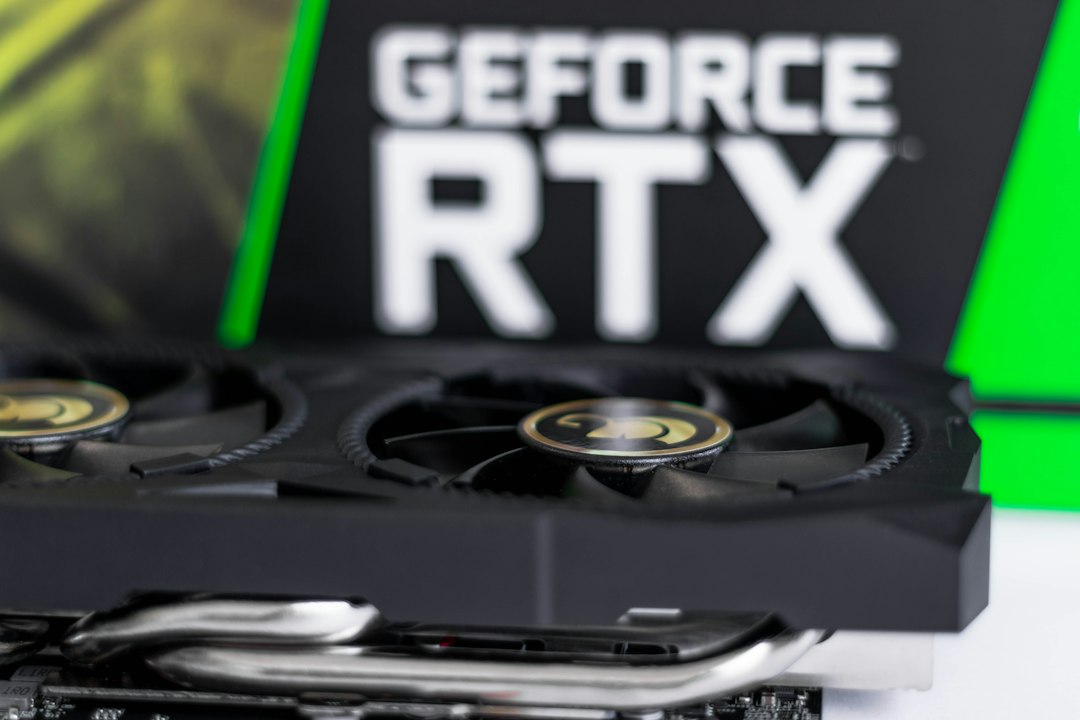
Investors might also analyze the broader implications of supply chain dynamics in the AI sector. For instance, companies like Nvidia Corporation (NVDA) and Advanced Micro Devices, Inc. (AMD) have been pivotal in driving advancements in AI hardware, including graphics processing units (GPUs) that power machine learning algorithms. As demand for AI solutions increases, the potential for revenue growth in these companies could lead to enhanced stock performance, although investors should remain cautious of market volatility and regulatory scrutiny that may impact these firms.
In summary, engaging with AI-focused ETFs and utilizing cloud computing services presents practical methods for investors interested in the AI trend. As the landscape continues to evolve, maintaining an awareness of market dynamics and technological advancements may further inform investment strategies.
4. Important Considerations
Investors should be cognizant of certain critical considerations when venturing into the market for artificial intelligence (AI) stocks and exchange-traded funds (ETFs). One crucial aspect is the potential taxation on capital gains. When investors decide to sell their holdings for a profit, they may be subject to capital gains tax, which can vary significantly based on the investor's income bracket and the duration for which the asset was held. Generally, short-term capital gains (for assets held for one year or less) are taxed at ordinary income tax rates, which can be as high as 37% in the United States, while long-term capital gains (for assets held for more than one year) may attract a lower tax rate, typically around 15% to 20%. As such, understanding these tax implications can be essential for assessing the net profitability of AI investments.
Another important consideration pertains to the fees associated with cloud service providers. As companies like CoreWeave ramp up capacity to meet soaring demand for AI computing power, the costs associated with cloud services can significantly impact overall profitability. Monitoring these fees is crucial, as they can range widely depending on the provider and the services utilized. For example, cloud service fees may account for approximately 15% to 25% of total operational costs in AI-focused companies, affecting their margins and, ultimately, stock performance. Therefore, investors might want to scrutinize how these operational costs are managed and how they can influence the financial health of AI-related stocks.
In summary, being aware of potential taxation on capital gains and closely monitoring cloud service fees are vital steps for investors navigating the AI investment landscape. These factors could substantially influence investment returns and should be factored into any strategic decision-making process.
5. Conclusion
In light of the recent developments surrounding CoreWeave and its remarkable demand surge, investors may find significant opportunities within the evolving landscape of artificial intelligence (AI). CoreWeave's Chief Executive Officer reported that the company is experiencing a staggering tenfold increase in qualified demand compared to its available capacity. This disparity tends to underscore a broader trend where companies are navigating adjustments in pricing for older Nvidia Corporation (NVDA) chips, which have reportedly seen a rise in prices. Such dynamics potentially create a fertile ground for growth within the AI sector.
Furthermore, the launch of Super Micro Computer (SMCI) H15 servers, designed to accommodate high-performance AI and cloud workloads, indicates a strong push from hardware manufacturers to meet the burgeoning needs of the AI market. This development may reflect a larger shift in the tech industry, where firms are increasingly focusing on enhancing core density and performance capabilities to cater to AI applications.
As Nvidia and Advanced Micro Devices (AMD) contend with external pressures from legislative scrutiny and fluctuating market conditions, investors may want to monitor their performance closely. Notably, Bank of America (BofA) has adjusted its earnings estimates for AMD, a move that could signal underlying volatility in the semiconductor space. Moreover, the potential implications of Congressional oversight on chip distribution may introduce additional layers of complexity for these companies.
- CoreWeave's demand surge highlights a potential imbalance in supply and demand dynamics in the AI sector.
- Investors may consider the implications of hardware advancements, such as Super Micro's new servers, on industry growth.
- Fluctuating analyst ratings, like those from BofA regarding AMD, could shape market perceptions and investment strategies.
- Legislative actions regarding semiconductor distribution may create uncertainties that investors should monitor closely.
As the landscape of AI and semiconductor manufacturing continues to evolve, it is essential for investors to stay informed on these developments. Monitoring conditions in this space may yield valuable insights, but conducting thorough research remains critical before making any investment decisions.
Disclaimer: This article was generated using AI technology and is for informational and educational purposes only. It does not constitute investment advice, recommendation, or solicitation. All investment decisions are solely the responsibility of the individual investor. Past performance does not guarantee future results. Investments involve significant risks, including the potential loss of principal. Before making any investment decisions, please conduct your own research and consult with qualified financial and tax professionals.