
Why Deutsche Bank Excluded XRP and Solana from Crypto Custody

1. Introduction/Why this topic matters
Deutsche Bank's entry into the realm of crypto custody with a focus on Bitcoin and Ethereum marks a pivotal moment in the ongoing institutional adoption of digital assets. As Germany's largest bank, its decision to provide custody services could potentially validate the legitimacy of cryptocurrencies in the eyes of other financial institutions. This move may also signify a broader trend towards acceptance of digital assets, particularly among institutional investors who have been historically cautious about entering this market.
However, the exclusion of XRP and Solana from Deutsche Bank's custody offerings raises important questions about the underlying regulatory, technological, and market dynamics at play. Investors may be interested to note that this exclusion is not merely a matter of preference; it could reflect the current regulatory environment surrounding these assets. For instance, XRP has faced significant scrutiny from regulatory bodies, particularly due to its ongoing litigation with the U.S. Securities and Exchange Commission (SEC). Such regulatory challenges may lead institutional players to avoid assets perceived as higher risk.
On the technological front, the infrastructures supporting various cryptocurrencies significantly differ. Bitcoin and Ethereum have established themselves as the dominant players, holding approximately 60% and 15% of the total cryptocurrency market capitalization, respectively. In contrast, Solana, while gaining popularity, has faced issues related to network outages and scalability, which could raise concerns for custodians about reliability and security.
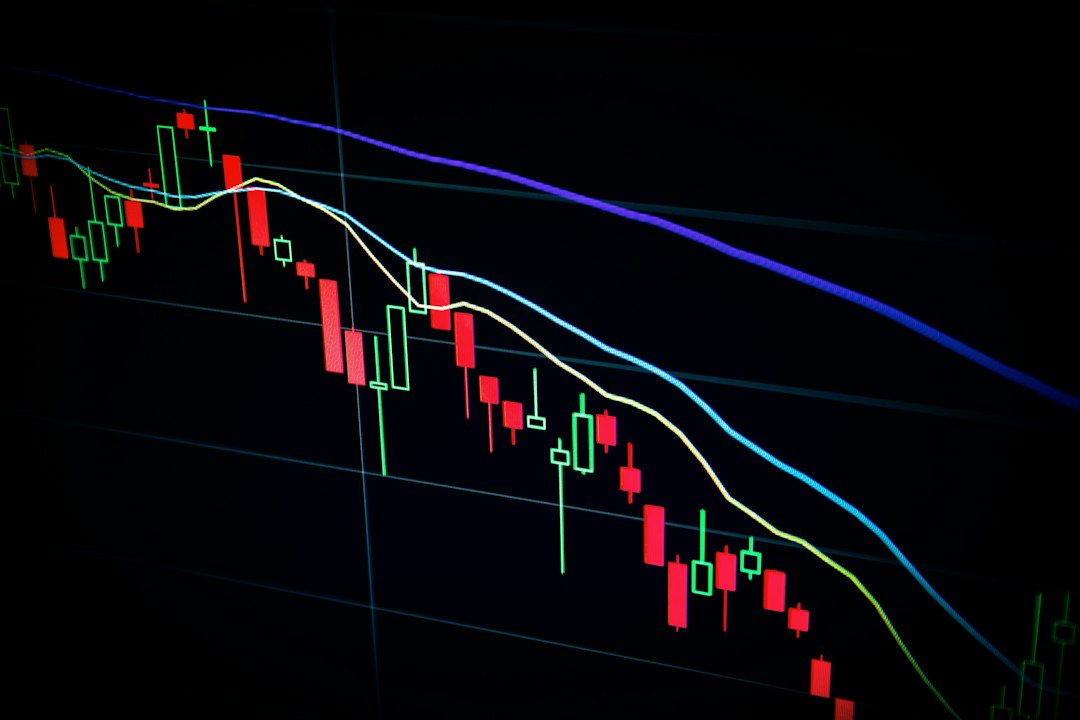
Additionally, market dynamics play a crucial role in shaping institutional interest. The recent liquidation of nearly $600 million in crypto long positions, primarily in Bitcoin and Ethereum, due to their decline to August lows, highlights the volatility that institutions must navigate. This environment could lead to a preference for assets that are perceived as more stable or have a clearer regulatory path.
As Deutsche Bank sets the stage for greater institutional engagement with digital assets, understanding the implications of asset selection and the surrounding challenges could provide valuable insights for investors looking to navigate this evolving landscape.
2. Advantages and Disadvantages
Investors considering the inclusion of cryptocurrencies like XRP (Ripple) and Solana (SOL) in their portfolios may find both potential advantages and disadvantages that warrant careful analysis.
2.1 Potential Advantages
- Diversification: Including XRP and Solana may enhance portfolio diversification. By integrating a wider range of cryptocurrencies, investors could potentially reduce overall risk through exposure to different asset classes.
- Growth Potential: The inherent volatility of cryptocurrencies like XRP and Solana may present opportunities for higher returns. Historically, cryptocurrencies have experienced price swings of 10-20% within short time frames, which may appeal to risk-tolerant investors seeking substantial growth.
- Market Position: Both XRP and Solana are positioned within the top 15 cryptocurrencies by market capitalization, suggesting a certain level of market acceptance and liquidity. This could potentially make them attractive options for investors looking for established digital assets.
- Technological Innovation: Solana's high throughput capabilities, boasting over 65,000 transactions per second, may appeal to investors interested in blockchain technology that supports scalability and speed, which can be crucial for decentralized applications.
2.2 Potential Disadvantages
- Regulatory Uncertainty: XRP faces significant regulatory challenges, particularly related to ongoing legal battles with the U.S. Securities and Exchange Commission (SEC). These uncertainties may deter risk-averse investors and impact XRP's market performance.
- Volatility Risks: Solana has experienced considerable price volatility, including sharp declines and network outages. Such events may lead to market perception issues, potentially affecting investor confidence and liquidity.
- Market Sentiment: The overall market sentiment towards cryptocurrencies can shift rapidly. Negative news or developments concerning XRP or Solana may lead to rapid sell-offs, which could significantly impact their prices.
- Operational Risks: Network outages have previously plagued Solana, highlighting potential operational risks. Investors may view these incidents as red flags, raising concerns about the reliability of the technology underlying their investments.
In conclusion, while the inclusion of XRP and Solana may offer diversification and growth potential, investors must weigh the regulatory and operational risks that accompany these digital assets. An informed approach is essential when navigating the complexities of cryptocurrency investments.
3. Practical options/methods
Institutional investors may consider various exchange-traded funds (ETFs) to gain exposure to digital assets without directly purchasing cryptocurrencies. Notably, the Grayscale Bitcoin Trust (GBTC) and the Bitwise 10 Crypto Index Fund (BITW) are two prominent options. GBTC allows investors to gain exposure to Bitcoin through a traditional investment vehicle, while BITW provides diversified exposure across a broader range of cryptocurrencies, potentially reducing the risk associated with holding a single digital asset.
In addition to ETFs, investors might explore alternative custody solutions for managing their cryptocurrency holdings. Tools such as Coinbase Custody and BitGo offer institutional-grade security and compliance features, enabling investors to securely store a wider array of cryptocurrencies. This is particularly relevant given the evolving regulatory landscape and the increasing focus on security protocols in the digital asset space.
Furthermore, investors may find it beneficial to examine other cryptocurrencies that have received attention from major financial institutions, such as Bitcoin and Ethereum. These digital currencies have established themselves as leaders in the market, often representing a significant portion of overall cryptocurrency investment. For instance, Bitcoin might typically account for approximately 40-50% of the total cryptocurrency market capitalization, while Ethereum could represent around 15-20%. This concentration can lead to enhanced liquidity and potentially lower volatility compared to lesser-known cryptocurrencies.
With the recent developments in crypto custody and the launch of new financial products, institutional investors may view these options as opportunities to diversify their portfolios. However, they should remain vigilant regarding market fluctuations, as evidenced by the recent liquidations in the crypto sector. A comprehensive strategy that includes a mix of established assets and innovative custody solutions could potentially yield favorable outcomes in an increasingly complex investment landscape.
4. Important considerations
Investors considering the cryptocurrency market should be aware of several important factors that could significantly influence their investment strategies and returns. One critical aspect is the tax implications of trading cryptocurrencies, which may vary significantly by jurisdiction. For instance, in the United States, profits from cryptocurrency trades are typically considered capital gains and are subject to taxation, with federal rates potentially reaching up to 20% depending on the holding period. In contrast, countries like Germany may allow for a tax exemption on gains from assets held for over a year, highlighting the importance of understanding local regulations.
Another consideration is the impact of custody fees associated with holding cryptocurrencies. These fees, which can range from 0.5% to 2% annually, may erode overall investment returns, particularly for long-term investors. When engaging with services such as Deutsche Bank's newly launched crypto custody, it is essential for investors to evaluate the total cost of custody, including any hidden fees that might apply to transactions or withdrawals.
Market volatility is also a significant risk factor that investors must consider. The cryptocurrency market is known for its rapid price fluctuations, which can lead to substantial gains or losses in a short period. For example, recent events have seen nearly $600 million in crypto longs liquidated as Bitcoin and Ethereum fell to three-month lows, demonstrating the potential for swift and severe market movements. Additionally, regulatory changes can impact the market landscape, as seen with varying approaches to cryptocurrencies across different countries. Investors must stay informed about potential regulatory developments that could affect their holdings.
In summary, navigating the cryptocurrency market requires a comprehensive understanding of tax implications, custody costs, and the inherent risks associated with volatility and regulation. By considering these factors, investors can make more informed decisions as they explore the evolving landscape of digital assets.
5. Conclusion
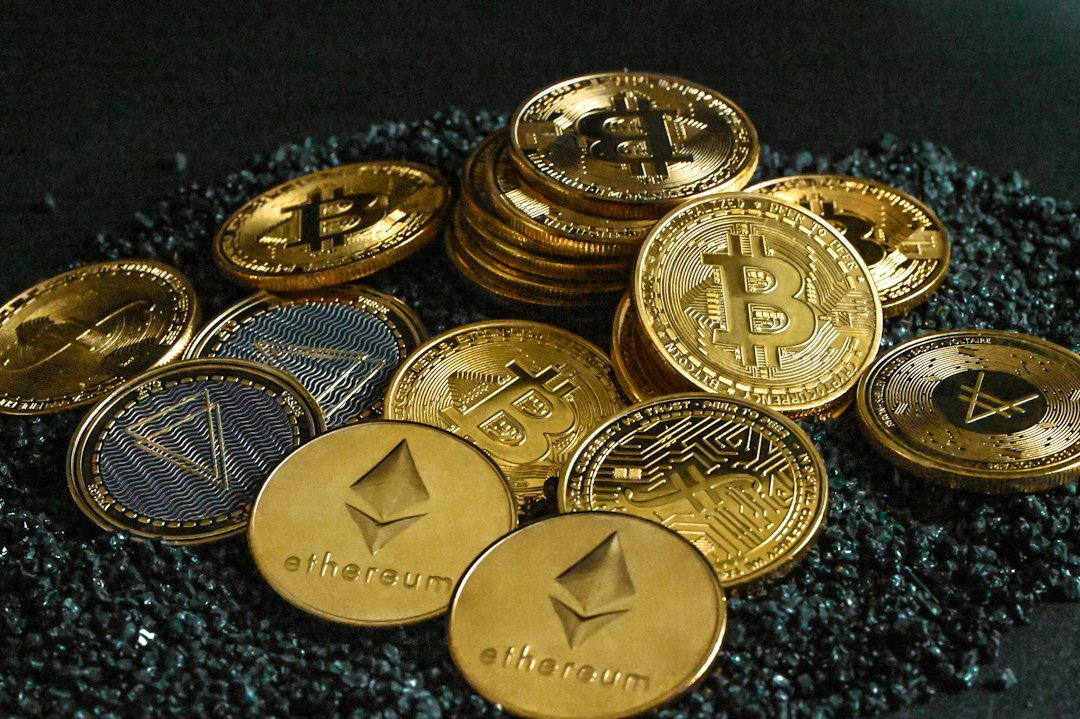
The recent decision by Deutsche Bank to exclude XRP and Solana from its newly launched crypto custody services highlights the complex interplay between market dynamics and regulatory landscapes in the cryptocurrency sector. As Germany's largest bank opens its vault to institutional clients focusing on Bitcoin (BTC) and Ethereum (ETH), the omission of two significant players in the digital asset space raises questions about the underlying criteria for custodial inclusion.
Investors may interpret this exclusion as indicative of broader regulatory uncertainties surrounding XRP, particularly in light of ongoing legal challenges facing Ripple Labs, the issuer of XRP. Similarly, Solana's performance has been scrutinized due to its volatility, which could potentially deter institutional interest. With nearly $680.81 million in crypto liquidations observed during market downturns, particularly for Bitcoin and Ethereum, the volatility of digital assets remains a critical factor for custodians and investors alike.
As institutional interest in cryptocurrencies grows, it becomes increasingly important for investors to remain informed about the various digital assets available, alongside their custodial options. Each asset may carry distinct risks and benefits that can influence investment strategies. For instance, while Bitcoin and Ethereum have established themselves as leading cryptocurrencies with significant market caps—approximately 45% and 18% of the total cryptocurrency market cap, respectively—assets like XRP and Solana may offer different opportunities and challenges.
- Investors should consider the regulatory landscape surrounding specific assets.
- Understanding the volatility and market dynamics of digital assets is crucial.
- Assessing institutional acceptance can provide insights into potential risks and rewards.
In conclusion, as the cryptocurrency market continues to evolve, investors are encouraged to monitor the conditions that affect asset inclusion in custody services. This may help in making informed decisions about which digital assets to consider for their portfolios. Conducting thorough research remains imperative as the landscape shifts, ensuring that investors are prepared to navigate the complexities of this dynamic market.
Disclaimer: This article was generated using AI technology and is for informational and educational purposes only. It does not constitute investment advice, recommendation, or solicitation. All investment decisions are solely the responsibility of the individual investor. Past performance does not guarantee future results. Investments involve significant risks, including the potential loss of principal. Before making any investment decisions, please conduct your own research and consult with qualified financial and tax professionals.