
Why Ethereum's Exchange Withdrawals Signal Market Trends

1. Introduction/Why this topic matters
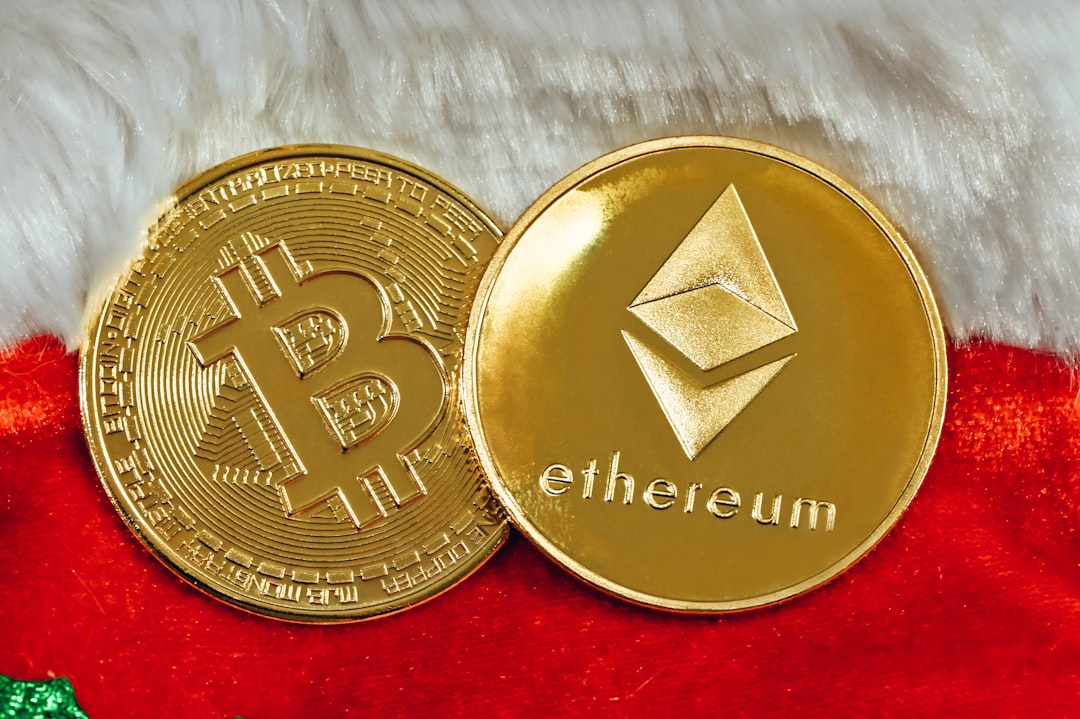
Understanding Ethereum's exchange withdrawals can provide crucial insights into market sentiment, particularly in a landscape characterized by volatility and investor uncertainty. Over the past months, Ethereum (ETH) holders have withdrawn approximately 1.4 million coins from exchanges, a trend that may indicate a growing confidence among investors in holding ETH for the long term rather than engaging in short-term trading. This contrasts with Bitcoin (BTC), where balances on exchanges have seen an increase during the same period, suggesting a potential divergence in investor behavior between the two leading cryptocurrencies.
Exchange withdrawals serve as a barometer of investor sentiment. When a significant number of coins are removed from exchanges, it could imply that investors are opting to hold their assets in personal wallets, thereby potentially signaling a bullish outlook on Ethereum's future price trajectory. Conversely, an increase in exchange balances for Bitcoin might suggest that investors are more inclined towards trading, possibly reflecting short-term market strategies influenced by external factors such as regulatory news or macroeconomic trends.
Current data indicates that Ethereum's withdrawal activity has been robust, with total exchange balances dropping significantly. This trend may suggest that investors are prioritizing long-term holding strategies over immediate trading opportunities, especially in the wake of significant developments in the regulatory landscape, such as announcements related to cryptocurrency exchange-traded funds (ETFs). For instance, Ethereum ETFs have recently attracted substantial inflows, with one day alone seeing approximately $226 million in new investments, indicating that institutional interest is also aligning with this long-term holding sentiment.
Investors should consider these dynamics when assessing their positions in both Ethereum and Bitcoin. The contrasting behaviors regarding exchange withdrawals could potentially reflect differing levels of confidence in the underlying fundamentals of each asset. As the market continues to evolve, monitoring these trends may provide valuable insights into future price movements and overall market health.
In the next section, we will explore the implications of recent ETF inflows and how they may impact investor strategies across cryptocurrency markets.
2. Advantages and Disadvantages
In analyzing the current dynamics of cryptocurrency withdrawals and their implications, investors may find a mixed bag of potential advantages and disadvantages that could affect their strategies and market outlook.
2.1 Potential Advantages
- Increased Withdrawals: A rise in withdrawals from exchanges may suggest a bullish sentiment among investors. This behavior could indicate that investors are opting to hold their assets for the long term rather than engaging in active trading, potentially leading to price appreciation.
- Reduced Supply: With fewer coins available on exchanges due to increased withdrawals, the supply could diminish. This scarcity may create upward pressure on prices, as the fundamental economic principle of supply and demand suggests that reduced availability can drive higher valuations.
- Long-Term Investment Signals: Investors pulling funds off exchanges may reflect a strategy focused on long-term gains rather than short-term trading. This could be indicative of a growing confidence in the underlying asset's future performance, particularly in a volatile market.
2.2 Potential Disadvantages
- Market Uncertainty: High withdrawal rates might also indicate underlying market anxiety, potentially prompting investors to secure their assets in anticipation of volatility. Such behavior could be a response to negative sentiment or external economic pressures.
- Lack of Liquidity: As more assets are withdrawn, the liquidity on exchanges could diminish. This lack of liquidity may make it more challenging for traders to enter or exit positions effectively, which could lead to increased volatility and wider bid-ask spreads.
- Price Manipulation Risks: With fewer assets available on exchanges, the market might become more susceptible to manipulation. Investors could face risks where significant buy or sell orders disproportionately influence price movements due to the diminished trading volume.
As investors navigate these potential advantages and disadvantages, understanding the broader economic context and market dynamics will be essential for making informed decisions in the ever-evolving cryptocurrency landscape.
3. Practical options/methods
Investors may find value in tracking on-chain data to gauge withdrawal trends, particularly in the volatile landscape of cryptocurrencies. Tools such as Glassnode and Dune Analytics can provide insights into the movement of assets off exchanges, which may indicate investor sentiment. For instance, Ethereum holders have reportedly withdrawn approximately 1.4 million ETH from exchanges since mid-year, a trend that could suggest a shift in market dynamics as investors opt to hold their assets in private wallets rather than trade them actively.
When considering investment vehicles, exchange-traded funds (ETFs) have gained traction as a method to gain exposure to cryptocurrencies. Notably, the Purpose Ether ETF (ETHH) and the CI Galaxy Ethereum ETF (ETHX) have emerged as significant options for investors looking to diversify their portfolios while minimizing the complexities of direct cryptocurrency ownership. These ETFs may provide a more straightforward approach to participating in the Ethereum market, with inflows potentially reflecting growing institutional interest.
For those who choose to manage their cryptocurrency directly, utilizing specific wallets can enhance the security of withdrawals from exchanges. Wallets such as MetaMask and Ledger offer functionalities that could potentially mitigate risks associated with holding assets on exchanges, which may be more susceptible to hacks or other vulnerabilities. Investors might consider these wallets as part of their strategy for securing their digital assets, particularly during periods of market volatility.
In summary, the interplay of on-chain data, ETF options, and secure wallet management may offer investors a multi-faceted approach to navigating the complexities of the cryptocurrency market. As the landscape evolves, understanding these practical options could be crucial for informed decision-making.
4. Important considerations
Investors engaging in the process of withdrawing and trading Ethereum (ETH) should carefully consider various important factors that could influence their overall financial outcomes. Understanding the tax implications of these transactions is essential. In many jurisdictions, capital gains taxes may apply to the profits realized from trading ETH. For instance, if an investor purchases ETH at $2,000 and sells it at $2,500, the realized gain of $500 could be subject to capital gains tax, which may typically range from 15% to 20% depending on the investor's income bracket. This could significantly affect the net profit derived from such transactions.
Another critical aspect is the consideration of transaction fees when withdrawing ETH from exchanges. These fees can vary widely between platforms, potentially impacting the overall efficiency of trading strategies. For example, some exchanges may charge fees ranging from 0.1% to 0.5% of the transaction value, while others might implement flat fees that can be significantly higher, depending on network congestion. Investors should factor these costs into their decision-making processes, as they might diminish the anticipated gains from trading activities.
Moreover, the risks associated with withdrawing ETH to wallets cannot be overstated. Private key mismanagement poses a substantial threat, as losing access to a wallet due to misplaced or forgotten keys could result in a complete loss of funds. Investors may want to consider utilizing hardware wallets, which are generally regarded as more secure than software wallets. This could potentially mitigate the risk of loss by adding an additional layer of security, though it requires careful handling and storage of the hardware itself.
In summary, while the potential for profit from trading and withdrawing ETH exists, investors must navigate a landscape filled with tax implications, transaction fees, and security risks. Thorough analysis of these factors can help in making informed decisions that align with their investment strategies.

5. Conclusion
In conclusion, Ethereum's exchange withdrawals serve as a crucial indicator of market trends and investor sentiment. Recent data indicates that Ethereum (ETH) holders have withdrawn approximately 1.4 million coins from exchanges since June, suggesting a shift in investor behavior that may reflect a growing confidence in the asset's long-term value. This trend contrasts with Bitcoin (BTC), which has seen increased balances on exchanges during the same period, hinting at differing investor strategies and risk appetites.
Understanding these trends can help investors make informed decisions about their holdings and trading strategies. For instance, a significant withdrawal from exchanges could imply that investors are opting to hold their assets in anticipation of future price increases, while increased exchange balances might indicate the potential for short-term trading or profit-taking. Investors may find it beneficial to analyze on-chain data, as it can provide insights into market dynamics that are not always visible through traditional market analysis.
To navigate this ever-evolving landscape, it is essential for investors to stay updated on market conditions and utilize tools that track on-chain data, such as Ethereum's withdrawal metrics or Bitcoin's exchange inflows. These tools can enhance an investor's ability to make strategic decisions based on real-time data rather than relying solely on historical price movements.
- Ethereum's significant exchange withdrawals highlight changing investor sentiment.
- On-chain data analysis can provide insights into market dynamics.
- Monitoring Ethereum and Bitcoin trends may aid in developing informed trading strategies.
As market conditions continue to evolve, investors should remain vigilant and conduct their own research to assess potential opportunities and risks associated with their investments.
Disclaimer: This article was generated using AI technology and is for informational and educational purposes only. It does not constitute investment advice, recommendation, or solicitation. All investment decisions are solely the responsibility of the individual investor. Past performance does not guarantee future results. Investments involve significant risks, including the potential loss of principal. Before making any investment decisions, please conduct your own research and consult with qualified financial and tax professionals.