
Why Gold and Silver Prices React to Market Sentiment

1. Introduction/Why this topic matters
Understanding the correlation between gold, silver, and market sentiment is essential for investors aiming to make informed decisions in the commodities market. Both gold and silver are traditionally regarded as safe-haven assets, particularly during periods of economic uncertainty. This perception often drives investor behavior, as these precious metals tend to retain value when other investments may falter.
Market sentiment can be significantly influenced by a variety of factors, including geopolitical events, economic data releases, and fluctuations in currency values. For instance, when geopolitical tensions rise, such as conflicts involving major nations or diplomatic negotiations, the demand for gold and silver frequently increases. This is because investors may seek to hedge against potential market volatility. Conversely, when diplomatic progress is made, as seen in recent U.S.-Iran talks, the appetite for these safe-haven assets may diminish, prompting a decline in their prices. For example, gold futures have been observed to drop by approximately 2.8% during such negotiations, reflecting a shift in investor sentiment.
Moreover, fluctuations in the value of the U.S. dollar can also impact the prices of gold and silver. A stronger dollar might lead to lower prices for these metals, as they become more expensive for foreign buyers. Recent trends have shown that as the dollar rose, gold prices fell below the $4,900 mark, indicating a potential inverse relationship between currency strength and precious metal valuations.
In summary, for investors looking to navigate the complexities of the commodities market, understanding the intricacies of gold and silver prices in relation to market sentiment is crucial. By recognizing the influences of geopolitical events, economic indicators, and currency movements, investors may better position themselves to respond to market dynamics and potentially capitalize on price fluctuations.
2. Advantages and Disadvantages
Investors often evaluate the role of gold and silver in their portfolios, particularly as economic conditions fluctuate. Understanding both the advantages and disadvantages of these precious metals is crucial for informed decision-making.
2.1 Potential Advantages
- Hedge Against Inflation: Gold and silver have historically served as a hedge against inflation and currency devaluation. During periods of rising prices, these metals tend to retain their value, which can protect purchasing power.
- Portfolio Stabilization: Precious metals may stabilize a portfolio during market downturns. Their low correlation with equities often leads to a counterbalancing effect, potentially reducing overall portfolio volatility.
- Liquidity and Safety: Gold and silver are highly liquid assets, easily convertible to cash. In times of economic uncertainty, they can provide a safe haven for investors seeking to preserve capital.
- Global Acceptance: Both gold and silver are universally recognized and accepted, which can enhance their appeal as a store of value across different markets and cultures.
2.2 Potential Disadvantages
- Price Volatility: The prices of gold and silver can be volatile, often reacting sharply to market sentiment, geopolitical events, and economic indicators. For example, prices may drop significantly during periods of decreased demand for safe-haven assets.
- Storage and Insurance Costs: Holding physical gold and silver incurs costs related to storage and insurance. These expenses can diminish potential profitability, particularly for investors holding these assets over the long term.
- No Yield Generation: Unlike stocks or bonds, gold and silver do not generate income or dividends. This lack of yield can be a disadvantage for investors seeking regular income streams from their investments.
- Market Sentiment Dependency: The value of precious metals can be heavily influenced by market sentiment. Changes in investor appetite for safe-haven assets can lead to sharp declines in prices, as seen during periods of geopolitical stabilization.
By weighing these advantages and disadvantages, investors may better assess how gold and silver fit into their overall investment strategy and risk profile.

3. Practical options/methods
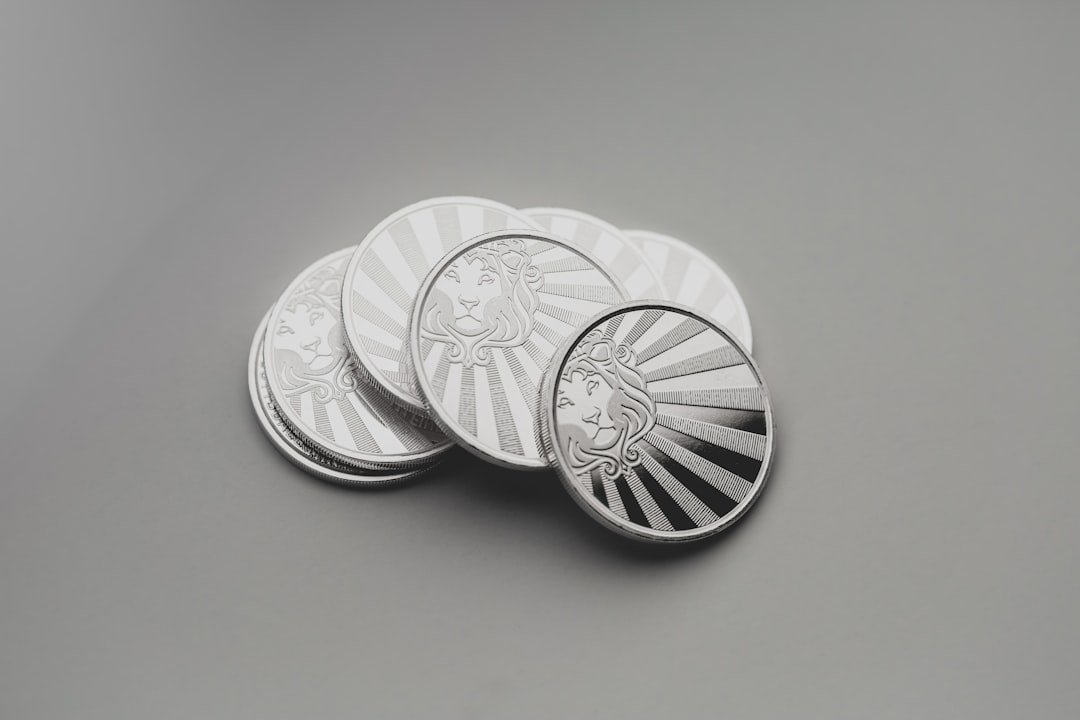
Investors looking to gain exposure to precious metals like gold and silver have several practical options at their disposal. One of the most direct methods is to purchase **physical gold and silver** in the form of coins or bars. This approach allows investors to own the metal outright, which can be appealing during periods of economic uncertainty. However, it is worth noting that physical ownership may involve additional costs related to storage and insurance.
Another increasingly popular option is to invest in **Exchange-Traded Funds (ETFs)** that track the price of these metals. For instance, **SPDR Gold Shares (GLD)** and **iShares Silver Trust (SLV)** provide investors with a way to gain exposure to gold and silver without the complexities of physical ownership. These ETFs typically hold gold or silver bullion, and their share prices tend to closely reflect the market price of the underlying metals. This method also offers liquidity, as shares can be easily bought or sold on exchanges during trading hours.
For those with more advanced knowledge of financial markets, **futures contracts** present another avenue for investment. Gold futures are traded under the ticker **GC** and silver futures under **SI**. These contracts allow investors to agree to buy or sell a specific amount of gold or silver at a predetermined price on a future date. However, trading futures involves a higher level of risk and complexity, including the necessity to monitor margin requirements and price movements closely. Investors may face significant losses if the market moves against their positions.
In summary, investors have various methods to gain exposure to gold and silver, each with its potential advantages and drawbacks. Physical ownership may offer a sense of security, while ETFs provide ease of access, and futures contracts may appeal to those seeking to leverage their investments. As market conditions fluctuate, understanding these options can help investors make informed decisions that align with their risk tolerance and investment strategies.
4. Important considerations
Investors should be aware of several important considerations when engaging with precious metals like gold and silver, particularly in light of recent market fluctuations. Understanding the tax implications, fees, and inherent risks associated with these assets is crucial for informed decision-making.
4.1 Tax Implications
One significant factor to consider is the potential tax implications of investing in metals. In many jurisdictions, profits derived from the sale of gold and silver may be subject to capital gains taxes. Typically, these rates may range from 15% to 20%, depending on the investor's income bracket and the holding period of the asset. For instance, if an investor purchases gold at $1,500 per ounce and sells it for $2,000 after holding it for over a year, the profit of $500 per ounce could be taxed at the investor's applicable capital gains rate.
4.2 Fees
Investors should also consider various fees associated with investing in precious metals. Transaction fees can vary significantly; for physical metals, these might typically range from 1% to 5% of the purchase price, while Exchange-Traded Funds (ETFs) such as GLD (SPDR Gold Shares) and SLV (iShares Silver Trust) may charge management fees of approximately 0.4% to 0.5% annually. Additionally, those storing physical metals may face storage fees, which can be around 0.5% to 1% of the total asset value per year, depending on the chosen storage facility.
4.3 Risks
Finally, it is essential to acknowledge the risks associated with investing in precious metals. Market fluctuations can lead to significant losses, as evidenced by recent declines in gold and silver prices. Factors such as geopolitical instability can create unpredictable market conditions, which might make investments in these assets more volatile. For example, the recent easing of investor appetite for safe haven assets has contributed to downward pressure on both gold and silver futures, illustrating how external events can influence prices dramatically.
As commodity prices continue to fluctuate, investors may want to consider these factors carefully to navigate the complexities of investing in precious metals effectively.
5. Conclusion
In conclusion, the relationship between gold and silver prices and market sentiment is complex and multifaceted, making it essential for investors to understand this dynamic. Precious metals are often viewed as safe-haven assets, particularly during times of geopolitical tension or economic uncertainty. However, as recent market movements suggest, the demand for these assets can be volatile. For instance, both gold and silver experienced significant declines recently, with gold prices dropping below $4,900 and silver showing an even sharper downturn. This could indicate a shift in investor appetite for safe-haven assets as geopolitical tensions ease.
Investors may find that while gold and silver offer potential advantages, such as being a hedge against inflation and currency fluctuations, there are also drawbacks to consider. For example, the liquidity of these metals can fluctuate, particularly during periods of high volatility, leading to price discrepancies in physical versus paper assets. Additionally, the costs associated with storing and insuring physical precious metals can impact overall returns.
It is crucial for investors to assess their own risk tolerance and investment goals when considering an allocation to precious metals. Typically, a diversified portfolio may include a range of asset classes, with precious metals representing approximately 5-10% of total holdings. This allocation can provide a buffer against market downturns while still potentially allowing for capital appreciation.
As market conditions continue to evolve, investors should carefully monitor economic indicators, geopolitical developments, and overall market sentiment. Understanding these factors may help in making informed decisions regarding investments in gold and silver. Ultimately, conducting thorough research and staying abreast of market trends will empower investors to navigate the complexities of the commodities market effectively.
Disclaimer: This article was generated using AI technology and is for informational and educational purposes only. It does not constitute investment advice, recommendation, or solicitation. All investment decisions are solely the responsibility of the individual investor. Past performance does not guarantee future results. Investments involve significant risks, including the potential loss of principal. Before making any investment decisions, please conduct your own research and consult with qualified financial and tax professionals.