
Why Gold and Silver Pullbacks Create Buying Opportunities

1. Why Consider Gold and Silver Pullbacks
Understanding market fluctuations is crucial for investors, particularly in the context of precious metals like gold and silver. These commodities have historically been viewed as safe-haven assets, providing a buffer against economic uncertainty and inflation. With the recent pullbacks in gold and silver prices, investors may contemplate the potential implications of these market movements.
Typically, gold tends to retain its value during periods of economic instability, and silver often follows suit, albeit with greater volatility. For instance, during times of geopolitical tension or economic downturn, both metals have historically seen increased demand, which can drive prices higher. This relationship underscores the notion that when prices fall, as they have recently, it may present a unique opportunity for long-term investors to accumulate positions at lower price points.
According to Texas Precious Metals, the recent price weakness in gold and silver could be interpreted as a buying opportunity. Investors may consider that when prices dip, it can be indicative of a market correction rather than a long-term trend. This presents a scenario where strategic accumulation could potentially yield gains in the future, especially if the historical trend of recovery and growth in precious metal prices continues. For example, gold prices have typically rallied by approximately 10-15% following significant pullbacks, as seen in various market cycles.
Moreover, the fundamentals driving demand for these metals remain robust. With central banks around the world maintaining accommodative monetary policies and inflation concerns lingering, the case for gold and silver as a hedge could strengthen. Investors may want to monitor market signals closely, as these pullbacks could be viewed as tactical entry points for those with a long-term investment horizon.
In summary, while market fluctuations can introduce uncertainty, they also present potential opportunities. Investors may find that the recent pullbacks in gold and silver warrant a closer examination of their portfolios, particularly as these assets continue to play a critical role in a diversified investment strategy.
2. Advantages and Disadvantages
Investors considering precious metals like gold and silver may find it valuable to weigh the potential advantages and disadvantages associated with these assets. Understanding these factors can aid in making informed decisions in the complex landscape of financial markets.
2.1 Potential Advantages
- Appreciation Potential: Gold and silver tend to appreciate over time, particularly during periods of economic uncertainty. Historical data indicates that gold has appreciated by approximately 7-8% annually over the long term, serving as a hedge against inflation and currency devaluation.
- Buying Opportunities: Investing during market pullbacks could potentially lead to higher returns when prices rebound. For instance, past trends show that buying during significant dips in gold prices has often resulted in gains of 10-20% within a year as markets stabilize.
- Diversification Benefits: Incorporating precious metals into an investment portfolio can enhance diversification. Typically, gold and silver have a low correlation with equities, which can reduce overall portfolio risk by approximately 3-5% when included in a balanced asset allocation strategy.
2.2 Potential Disadvantages
- Short-Term Volatility: Short-term price volatility in gold and silver markets can lead to potential losses if investors panic during market fluctuations. Historical data reveals that gold prices can swing by 5-10% within a month, which might provoke hasty decisions.
- Storage and Security Costs: The costs associated with storing and securing physical gold and silver can be significant. Investors may incur expenses ranging from 1-2% of the total value of their holdings annually for secure storage solutions, which could erode potential returns.
- Market Timing Challenges: Timing the market can be difficult, leading to potential misjudgments. Investors may find it challenging to determine the optimal entry and exit points, especially given that gold prices can be influenced by various factors, including geopolitical events and economic indicators.
By examining these advantages and disadvantages, investors can better navigate the complexities of investing in precious metals and align their strategies with their financial goals.
3. Practical Options/Methods
Investors may consider several practical options and methods when looking to gain exposure to precious metals like gold and silver, especially in light of recent market fluctuations. One avenue is through exchange-traded funds (ETFs) such as SPDR Gold Shares (GLD) and iShares Silver Trust (SLV). These funds provide a convenient way to invest in the metals without the need for physical storage and can potentially offer lower expense ratios compared to actively managed funds, typically ranging from 0.25% to 0.50%.
Another option is to explore mining stocks, which can provide leveraged exposure to the underlying metals. Companies like Barrick Gold Corporation (GOLD) and Wheaton Precious Metals Corp. (WPM) have shown resilience and may benefit from rising metal prices. Mining stocks tend to fluctuate more than the prices of the metals themselves, which might present opportunities for higher returns, although this also comes with increased risk.
Investors may also utilize a strategy known as **dollar-cost averaging**, which involves investing a fixed amount of money at regular intervals regardless of the asset's price. This method could potentially mitigate the risks associated with market timing and help investors accumulate positions systematically, especially during periods of price volatility.
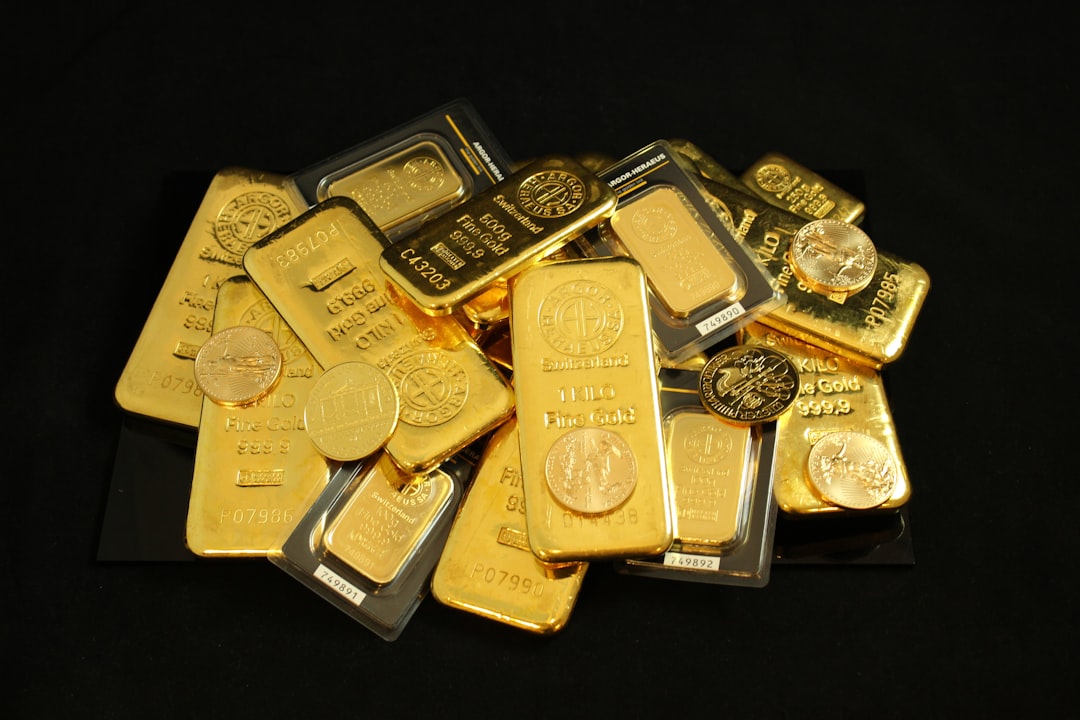
For those interested in a tangible asset, investing in physical gold and silver might be a viable option. Purchasing from reputable dealers ensures that investors receive genuine products. Physical holdings could serve as a hedge against inflation and economic uncertainty, although they do require considerations regarding storage and insurance costs.
As investors navigate these various options, it is essential to assess their individual risk tolerance and investment objectives. Adopting a diversified approach may enhance the potential for positive outcomes while managing the inherent risks associated with precious metal investments.
4. Important Considerations
Investors considering precious metals as part of their portfolio should be aware of several important considerations that can influence their investment outcomes. One significant factor is the potential for **capital gains taxes** when selling precious metals. Depending on the investor's tax bracket and the duration of the holding period, these taxes can range from 15% to 20% on profits. This could affect the overall profitability of the investment, particularly if the metals appreciate significantly over time.
Another critical aspect is the fees associated with investing in **Exchange-Traded Funds (ETFs)** and **mining stocks**. For instance, ETFs like the **GLD (SPDR Gold Shares)** typically charge an expense ratio of around 0.40%, while mining stocks can incur management fees that vary based on the company's operational efficiency. Investors should factor in these costs, as they may erode returns over time.
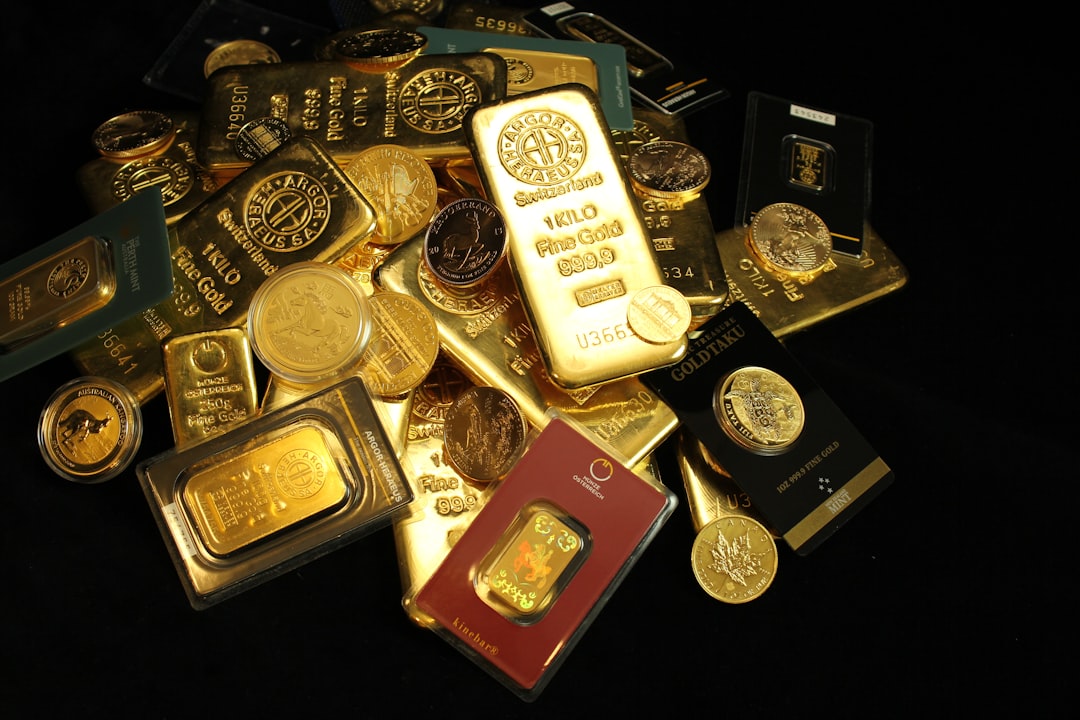
Investing in physical metals, such as gold and silver bars, also comes with inherent risks. Investors must conduct thorough research to understand the potential for **fraud** and **theft**. For example, unverified dealers may offer prices that are below market value, which could indicate a scam. Additionally, physical metals require secure storage solutions, often incurring further costs, which investors should consider when calculating overall investment expenses.
Staying informed about **macroeconomic factors** is essential, as these can significantly influence precious metal prices. For instance, geopolitical tensions and inflation rates can lead to increased demand for gold and silver as safe-haven assets. Investors might observe that during periods of heightened uncertainty, prices tend to rise, reflecting the market's response to risk. Monitoring indicators such as the Consumer Price Index (CPI) and Federal Reserve interest rate decisions can provide insights into potential market movements.
In summary, while investing in precious metals may present opportunities for diversification and potential gains, it is crucial for investors to evaluate the associated risks and costs. Understanding the tax implications, fees, risks of physical ownership, and broader economic factors can lead to more informed investment decisions.
5. Conclusion
Investors may find that recent pullbacks in gold and silver prices create strategic entry points for accumulating positions in these precious metals. As noted by Texas Precious Metals, the current price weakness could represent a buying opportunity, particularly for those looking to capitalize on long-term trends rather than short-term fluctuations.
However, it is essential for investors to balance the potential advantages of investing in precious metals with the inherent disadvantages. For instance, while gold and silver can offer a hedge against inflation and currency devaluation, they also tend to lack the income generation that stocks or bonds might provide. Historical data indicates that gold might yield returns in the range of 3-5% annually, while dividend-paying equities may potentially yield 2-4% in dividends alone.
Before making investment decisions, investors should carefully consider their financial goals and risk tolerance. An individual's investment strategy should align with their broader financial objectives, whether that is wealth preservation, capital appreciation, or income generation. For example, a conservative investor may opt for a greater allocation in gold ETFs such as GLD (SPDR Gold Shares) or silver ETFs like SLV (iShares Silver Trust), which offer exposure without the challenges of physical storage.
To take action, investors are encouraged to engage in thorough research and planning concerning their investment strategy in precious metals. This may involve monitoring market conditions, evaluating emerging trends, and reviewing company performance, as seen with DPM Metals Inc (DPMLF) and its recent revenue surge. Additionally, understanding macroeconomic factors such as Federal Reserve policies and geopolitical events could play a critical role in shaping the market for precious metals.
In summary, key takeaways include:
- Strategic entry points may arise from pullbacks in gold and silver prices.
- It is crucial to balance the advantages and disadvantages of precious metals investments.
- Investors should assess their financial goals and risk tolerance before committing capital.
- Thorough research and planning are vital for crafting a successful investment strategy.
As market conditions continue to evolve, investors should remain vigilant and adaptable, ensuring that their strategies are responsive to new information and trends. Conducting ongoing research will be essential in navigating the complexities of precious metal investments.
Disclaimer: This article was generated using AI technology and is for informational and educational purposes only. It does not constitute investment advice, recommendation, or solicitation. All investment decisions are solely the responsibility of the individual investor. Past performance does not guarantee future results. Investments involve significant risks, including the potential loss of principal. Before making any investment decisions, please conduct your own research and consult with qualified financial and tax professionals.