
Why Gold Prices React to Economic Data Reports

1. Introduction/Why this topic matters
Gold has long been regarded as a safe-haven asset, often responding to fluctuations in economic conditions. Investors may turn to gold during times of uncertainty, as its value tends to remain stable compared to more volatile assets such as stocks. This relationship is underscored by various economic data reports that can significantly influence investor sentiment towards gold. Metrics such as inflation rates, employment figures, and GDP growth have historically shown a correlation with gold prices.
For instance, when inflation rates rise—typically exceeding a threshold of around 2-3%—investors may begin to favor gold as a hedge against the declining purchasing power of fiat currencies. Similarly, employment figures that reflect a robust job market could lead to increased consumer spending and economic growth, potentially reducing the appeal of gold as a protective asset. Conversely, weak employment data may prompt investors to seek refuge in gold, resulting in increased demand and higher prices.
Furthermore, GDP growth rates can also play a significant role in shaping investor attitudes toward gold. When GDP growth is strong, investors might be more inclined to invest in equities, which could lead to a temporary decline in gold prices. However, a slowdown in economic growth may drive investors back to gold, as they look for stability during uncertain times. For example, during periods of economic contraction, gold prices may rise by as much as 10-15% as investors reassess their portfolios in light of shifting economic conditions.
Understanding these dynamics could empower investors to make more informed decisions regarding their exposure to gold. By monitoring key economic indicators and recognizing their potential impact, investors may better position themselves to capitalize on fluctuations in the gold market.
As the market responds to recent movements in gold and silver, particularly following sharp rebounds after significant plunges, it is crucial to consider how upcoming economic reports, such as the US Personal Consumption Expenditures (PCE) report, may further influence these precious metals. The interplay between economic data and investor sentiment could shape the trajectory of gold prices in the coming periods.
2. Advantages and Disadvantages
Investors often consider gold and silver as alternatives to traditional investments. While these precious metals may provide unique benefits, they also come with certain drawbacks that investors should understand.
2.1 Potential Advantages
- Hedge Against Inflation: Gold can serve as a potential hedge against inflation and currency devaluation. Historically, during periods of high inflation, the price of gold tends to rise, as it is perceived as a store of value, unlike fiat currencies that may lose purchasing power.
- Historical Stability: Gold has maintained its value over time when compared to fiat currencies. For instance, the price of gold has risen approximately 500% over the past two decades, making it a preferred asset during economic uncertainty.
- Global Demand: The demand for gold is driven by various sectors, including jewelry, technology, and investment. This diversified demand can provide stability to its price, as it is not solely dependent on a single industry.
- Liquidity: Gold is one of the most liquid assets available, easily tradable across global markets. This liquidity can offer investors quick access to funds in times of need.
2.2 Potential Disadvantages
- Income Generation: Unlike stocks or bonds, gold does not generate income. Investors may miss out on dividend payments or interest income, which could be a significant drawback for those seeking regular cash flow.
- Price Volatility: The price of gold can be highly volatile, often influenced by unpredictable economic data releases. For example, unexpected changes in interest rates or geopolitical tensions can lead to dramatic price fluctuations.
- Storage Costs: Investing in physical gold may involve storage costs, such as safe deposit boxes or specialized vaults. These costs can diminish the overall returns on investment and must be factored into any investment strategy.
- Market Speculation: Gold prices can also be affected by speculative trading, which may lead to price bubbles. Investors may find that their investment in gold is subject to swings based on market sentiment rather than intrinsic value.
In summary, while gold may offer certain advantages such as inflation hedging and historical stability, investors should be aware of the potential disadvantages, including lack of income generation and price volatility. Understanding these factors can assist investors in making informed decisions regarding their portfolios.
3. Practical options/methods
Investors examining options for gold exposure may consider several pathways, each with distinct characteristics and potential implications for their portfolios. Three common methods include investing in gold ETFs, utilizing gold futures contracts, and purchasing physical gold.
One practical option is to invest in gold exchange-traded funds (ETFs) such as SPDR Gold Shares (GLD) and iShares Gold Trust (IAU). These funds provide investors with a way to gain exposure to gold prices without the complexities of holding physical gold. Typically, gold ETFs track the price of gold bullion, allowing investors to benefit from price movements. For instance, these ETFs may have an expense ratio ranging from approximately 0.25% to 0.40%, which is relatively low compared to actively managed funds. Investors might view these ETFs as a convenient way to diversify their portfolios with a relatively liquid asset.
Another method is through gold futures contracts, which are agreements to buy or sell gold at a predetermined price on a specific future date. This approach tends to appeal to more experienced investors who may be looking to speculate on short-term price movements. Gold futures can offer high leverage, which means that a small change in the price of gold could lead to significant gains or losses. Investors should be aware that futures contracts usually require a margin deposit, which can range from 3% to 10% of the contract's total value, introducing additional risk.
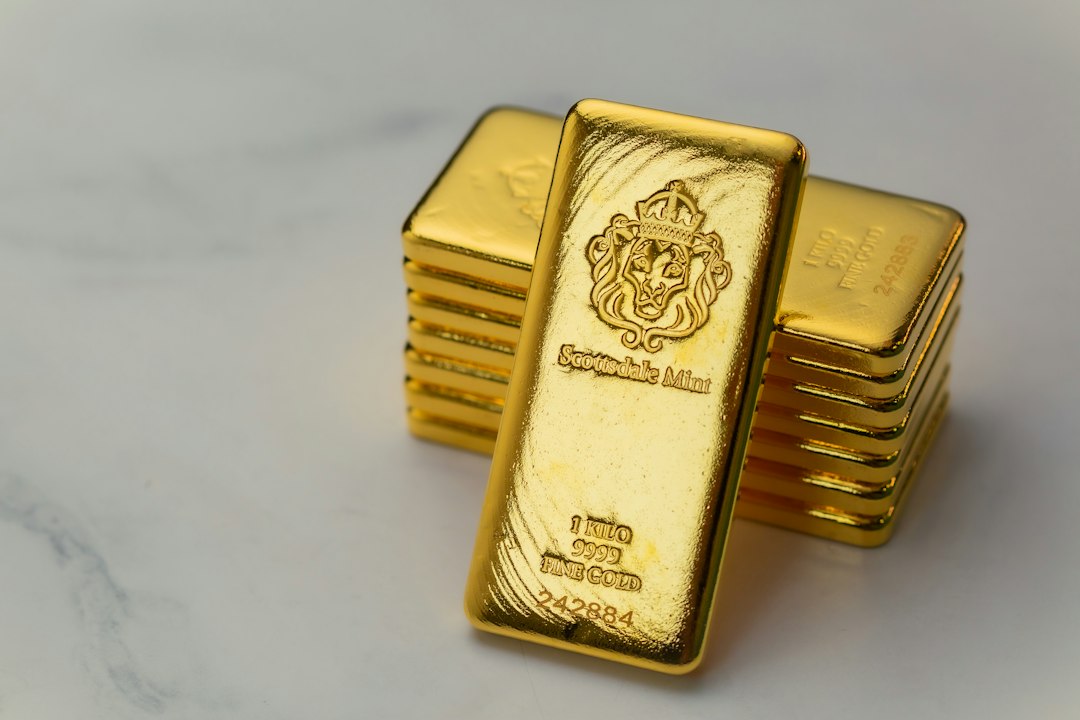
Finally, considering physical gold purchases, such as coins or bullion, serves as a tangible investment that some investors may prefer. This method involves buying physical assets, which can provide a sense of security in times of economic uncertainty. The premium over the spot price for bullion coins typically ranges from 5% to 15%, depending on the coin's rarity and market demand. While storing physical gold does present challenges, including insurance and security considerations, it offers a way to hedge against currency devaluation and economic instability.
As investors evaluate these methods, they may find that each option carries its own set of advantages and disadvantages, warranting careful consideration as they align their investment strategies with their financial goals.
4. Important considerations
Investors considering a foray into gold and silver markets should be aware of several important considerations that could influence their overall investment outcomes. Understanding the tax implications is crucial, as profits generated from the sale of gold are typically subject to capital gains tax. In many jurisdictions, this tax can range from 15% to as much as 28%, depending on the investor's income bracket and how long the asset has been held. Therefore, it is prudent for investors to factor in these potential tax liabilities when evaluating the net returns on their gold investments.
Moreover, fees associated with buying and selling gold—whether in the form of physical bullion or gold exchange-traded funds (ETFs)—can also impact overall returns. For instance, purchasing physical gold can involve premiums that may be approximately 5-10% above spot prices, along with storage and insurance costs. On the other hand, gold ETFs like GLD (SPDR Gold Shares) may charge annual expense ratios around 0.40%, which, although lower than physical gold costs, must still be considered in the context of long-term investment performance.
Market risks are another critical factor for investors. Economic events, such as shifts in monetary policy or geopolitical tensions, can lead to sudden price changes in gold and silver. For example, a significant announcement from the Federal Reserve regarding interest rate adjustments could result in immediate volatility, affecting investment strategies. The price of gold tends to react inversely to interest rate hikes, potentially leading to short-term declines that investors need to be prepared for.
In summary, the intersection of tax implications, associated fees, and market risks creates a complex landscape for gold and silver investments. Investors may need to conduct thorough research and consider their individual financial situations before making decisions in these markets.
5. Conclusion
In conclusion, investors should recognize that gold prices are intricately linked to various economic data points, which tend to influence market sentiment and investor behavior. Recent fluctuations in gold and silver prices highlight this connection; for instance, a rebound following a historic weekly plunge demonstrates how sensitive these commodities can be to external economic reports, such as the US Personal Consumption Expenditures (PCE) index. A strong PCE report may suggest inflationary pressures, which could drive gold prices higher as investors seek a hedge against potential currency devaluation.
Moreover, being aware of these dynamics can enhance investment strategies. Investors might consider monitoring key economic indicators, including interest rates, inflation data, and employment figures, as all of these can significantly impact the attractiveness of gold as a safe-haven asset. For example, during periods of rising interest rates, the opportunity cost of holding non-yielding assets like gold tends to increase, potentially leading to a decrease in demand and price.
Additionally, staying informed on economic reports may allow investors to adjust their gold investment approach accordingly. For instance, if inflation rates are expected to rise, investors may choose to increase their exposure to gold through vehicles such as the GLD (SPDR Gold Shares) or GDX (VanEck Vectors Gold Miners ETF), which could potentially yield gains in a bullish market environment.
In summary, key takeaways include:
- Gold prices are heavily influenced by economic data, impacting investor sentiment.
- Monitoring key economic indicators can enhance investment strategies.
- Investors should consider adjusting their gold exposure based on anticipated economic conditions.
As market conditions evolve, it is crucial for investors to remain vigilant and conduct thorough research to navigate the complexities of gold investments effectively.
Disclaimer: This article was generated using AI technology and is for informational and educational purposes only. It does not constitute investment advice, recommendation, or solicitation. All investment decisions are solely the responsibility of the individual investor. Past performance does not guarantee future results. Investments involve significant risks, including the potential loss of principal. Before making any investment decisions, please conduct your own research and consult with qualified financial and tax professionals.