
Why Gold Prices Surge During Geopolitical Tensions

1. Introduction/Why this topic matters
Gold has historically been regarded as a **safe-haven asset** during periods of economic uncertainty and geopolitical tensions. Investors often turn to gold when faced with instability in financial markets, as it tends to retain its value when other assets may falter. This intrinsic value is driven by gold's scarcity and its long-standing role as a store of wealth, making it a preferred choice for many looking to hedge against turbulent times.
Geopolitical tensions, such as conflicts and trade disputes, can significantly impact the behavior of investors. When uncertainty arises, such as the potential fallout from conflicts like the Iran War, it can lead to increased demand for gold. This heightened demand often results in a corresponding rise in gold prices. For instance, during recent geopolitical crises, the price of gold has fluctuated, leading to increases of approximately 1-2% in short periods, reflecting the market's response to escalating tensions. Understanding these dynamics is crucial for investors, as it allows them to anticipate potential market movements and adjust their investment strategies accordingly.
Moreover, the relationship between geopolitical events and gold prices is complex and multifaceted. For example, the recent adjustments in gold price targets by financial institutions, such as Bank of America, which reset its 12-month price forecast to $6,000 per ounce, underscores the belief that gold remains a robust asset amid fluctuating economic conditions. This sentiment is reinforced by the performance of gold-related stocks and ETFs, which may also experience increased volatility during uncertain times.
By comprehending the interplay between geopolitical events and gold market trends, investors can potentially enhance their portfolios. They might consider incorporating gold investments or gold-mining stocks, such as Orla Mining (TSX:OLA) and Imperial Metals (TSX:III), into their strategies. These investments could offer stability and growth opportunities, particularly when other sectors face headwinds.
As investors explore the implications of geopolitical risks, it becomes increasingly important to examine how these factors influence broader market dynamics, including commodity trading and investment strategies in related sectors.
2. Advantages and Disadvantages
Investors often consider gold not only as a commodity but also as a strategic asset in their portfolios. Understanding the potential advantages and disadvantages of investing in gold is essential for making informed decisions, especially in times of geopolitical uncertainty.
2.1 Potential Advantages
- Hedge Against Inflation: Gold tends to serve as a reliable hedge against inflation and currency devaluation. During periods of rising prices, the intrinsic value of gold often increases, preserving purchasing power for investors.
- Geopolitical Stability: Investors may see significant returns on gold assets during heightened geopolitical tensions, as increased demand for safe-haven assets typically drives prices up. For example, during recent conflicts, gold prices have surged, reflecting its role as a protective investment.
- Liquid Asset: Gold is a highly liquid asset, meaning it can be easily bought or sold in various markets. This liquidity can be an advantage for investors looking to quickly access capital or adjust their portfolios in response to market movements.
- Diversification: Including gold in an investment strategy can provide diversification benefits. Gold often moves independently of stocks and bonds, potentially reducing overall portfolio risk during economic downturns or financial crises.
2.2 Potential Disadvantages
- Price Volatility: Gold prices can be quite volatile, influenced by a range of factors beyond geopolitical tensions, such as changes in supply and demand dynamics, interest rates, and currency fluctuations. This volatility may deter risk-averse investors.
- No Yield: Unlike stocks or bonds, investing in gold does not yield interest or dividends. This lack of income generation can be a drawback compared to other investment options that provide cash flow.
- Storage Costs: Investors might incur additional costs related to the storage and insurance of physical gold, which could eat into overall returns. These costs can vary significantly based on the form in which gold is held, whether coins, bars, or ETFs.
- Market Sentiment: Gold prices can be heavily influenced by market sentiment and investor behavior. A shift in investor confidence can lead to rapid price changes that may not align with underlying economic fundamentals.
In summary, while gold presents certain advantages in terms of inflation hedging and market stability, it also carries risks that investors should carefully consider. Understanding these dynamics is crucial as they navigate their investment strategies in uncertain economic climates.
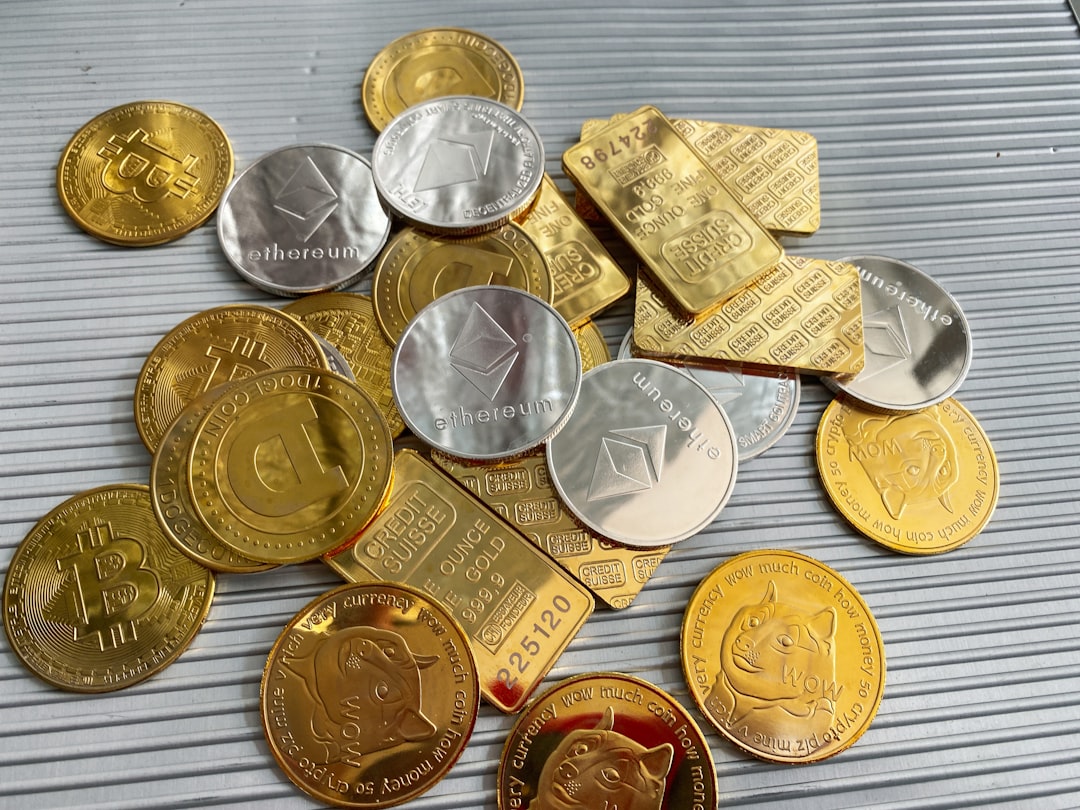
3. Practical options/methods
Investors seeking to mitigate risks associated with geopolitical tensions, such as those arising from the ongoing conflict in the Middle East, may consider various practical options for exposure to gold. One effective method is investing in **gold exchange-traded funds (ETFs)**. For instance, **SPDR Gold Shares (GLD)** and **iShares Gold Trust (IAU)** offer investors a way to gain exposure to gold without the need for physical ownership. These ETFs typically track the price of gold bullion, providing liquidity and ease of trading, which may appeal to those looking to diversify their portfolios in uncertain times.
For more advanced investors, trading **gold futures contracts** could be a viable strategy. Platforms like the **Chicago Mercantile Exchange (CME)** allow traders to speculate on future gold prices, enabling them to hedge against market volatility. Gold futures can be quite volatile, with daily price fluctuations sometimes exceeding **1-2%**, presenting both opportunities and risks for those familiar with derivatives trading.
Alternatively, some investors may prefer a more tangible investment by purchasing **physical gold**. This could involve acquiring gold bars, coins, or jewelry from reputable dealers or established online platforms. While physical gold offers the advantage of direct ownership, it also comes with considerations such as storage and insurance costs which typically range from **0.5% to 1%** of the asset's value annually. Investors might find that purchasing physical gold can act as a hedge against inflation or currency devaluation, adding a layer of security to their investment strategy.
In summary, whether through ETFs, futures, or physical assets, investors have multiple avenues to gain exposure to gold. Each method comes with its own set of benefits and considerations that may suit different investment objectives. As the market evolves, understanding these mechanisms could potentially enhance an investor's strategy in navigating economic uncertainties.
4. Important considerations
Investors considering the sale of gold should be mindful of the potential tax implications involved, particularly the possibility of incurring a **capital gains tax**. In many jurisdictions, the profit gained from the sale of gold, whether physical or in the form of ETFs (Exchange-Traded Funds), is subject to taxation. This tax can range significantly, often falling between **15% to 20%** depending on the investor's income bracket and local tax laws. Therefore, understanding the tax framework is essential for accurately assessing the net return on investment.
Additionally, the fees associated with purchasing physical gold or ETFs can significantly impact overall investment returns. Investors may encounter premiums when buying physical gold, which can range from **3% to 5%** above the spot price. For gold ETFs, management fees, typically around **0.25% to 0.75%** annually, can also erode profits over time. These costs may seem minor individually, but when compounded over the long term, they could potentially diminish the total returns on investment.
Market risks are another critical consideration for investors in gold. The price of gold may experience volatility in response to geopolitical events or economic conditions. For instance, if geopolitical tensions ease or stabilize, there could be a potential decline in gold prices as investors shift their focus to riskier assets. Historically, gold is often viewed as a safe haven, but its value can fluctuate based on market sentiment and the global economic landscape.
In summary, while investing in gold may present opportunities for hedging against market instability, investors should be cautious of the associated tax implications, fees, and market risks. A nuanced understanding of these factors is crucial for making informed investment decisions.

5. Conclusion
In conclusion, the role of gold as a vital asset for investors seeking security amidst geopolitical unrest cannot be understated. Historically, gold has served as a hedge against inflation and market volatility, making it a potentially attractive option during times of uncertainty. Recent developments, such as the increase in gold prices amid fluctuating geopolitical tensions, underscore its importance in a well-diversified portfolio.
Investors should weigh the pros and cons of gold investment strategies carefully. On the one hand, gold may provide a safe haven during turbulent times, as evidenced by recent price movements where gold prices rose approximately 1% alongside oil fluctuations. On the other hand, gold investments can entail costs related to storage, insurance, and market liquidity, which might detract from overall returns. Therefore, considerations about the most suitable method of investing—whether through physical gold, ETFs like GLD (SPDR Gold Shares), or mining stocks such as Orla Mining (TSX:OLA)—are essential for aligning with long-term financial goals.
Moreover, staying informed about global events and market trends is crucial for making educated decisions regarding gold investments. Factors such as economic indicators, geological discoveries, and geopolitical developments can significantly impact gold prices. For instance, Bank of America’s revised gold price target of $6,000 per ounce highlights the potential for substantial appreciation in gold value, contingent upon external conditions. Thus, investors may find it beneficial to monitor these dynamics continuously, as they could influence both immediate and long-term investment strategies.
In summary, key takeaways include:
- The importance of gold as a secure asset during geopolitical instability.
- Careful evaluation of different investment methods to align with financial goals.
- The necessity of staying informed on global events that may impact gold prices.
As conditions evolve, investors are encouraged to conduct their own research and stay vigilant in monitoring the market landscape.
Disclaimer: This article was generated using AI technology and is for informational and educational purposes only. It does not constitute investment advice, recommendation, or solicitation. All investment decisions are solely the responsibility of the individual investor. Past performance does not guarantee future results. Investments involve significant risks, including the potential loss of principal. Before making any investment decisions, please conduct your own research and consult with qualified financial and tax professionals.