
Why Gold's Role as a Safe Haven Shifts During Crises

1. Introduction/Why this topic matters
Gold has historically been viewed as a safe haven during periods of economic uncertainty, often serving as a hedge against inflation and currency fluctuations. Investors may turn to gold when traditional market assets exhibit volatility, as seen during financial crises or geopolitical tensions. Understanding the dynamics of gold's value can help investors make informed decisions that align with their risk tolerance and investment goals.
The value of gold can fluctuate significantly based on a variety of factors, including interest rates, inflation expectations, and global economic health. Typically, when real interest rates decline, gold tends to become more attractive, as the opportunity cost of holding non-yielding assets decreases. For example, a decline in real interest rates of approximately 1% could lead to a potential increase in gold prices by 10-15%, as investors seek alternatives to traditional fixed-income securities.
Recent trends highlight the shifting role of gold during crises, reflecting broader market movements and investor psychology. For instance, during times of geopolitical tension, such as conflicts in the Middle East, investors may historically flock to gold, prompting an uptick in demand and price. However, emerging assets like Bitcoin have demonstrated surprising resilience, with some investors reallocating funds from gold to cryptocurrencies. This dynamic raises questions about the traditional safe-haven status of gold, particularly as Bitcoin has occasionally mirrored the performance of gold in turbulent markets.
Furthermore, the historical parallels drawn between current market conditions and past financial crises, such as the 2008 Global Financial Crisis, suggest that investor sentiment plays a crucial role in gold's value. Prominent economist Peter Schiff has noted similarities in market behavior, indicating a potential for significant gold price movements in response to economic events. As such, understanding the nuances of these dynamics can empower investors to navigate the complexities of gold investment.
In conclusion, while gold continues to maintain its reputation as a safe haven, the evolving landscape of investment options and shifting investor preferences necessitate a careful analysis of market trends and psychological factors. As the role of gold adapts to contemporary market realities, investors may consider how these factors could influence their portfolios and investment strategies.
2. Advantages and Disadvantages
Investors often weigh the merits of gold as a potential asset for their portfolios. Understanding the advantages and disadvantages of gold can assist in making informed decisions regarding its role in investment strategies.
2.1 Potential Advantages
- Intrinsic Value: Gold retains intrinsic value, often appreciating during market downturns. Historically, during periods of economic instability, gold prices have shown resilience, making it a preferred choice for risk-averse investors.
- Inflation Hedge: Gold acts as a hedge against inflation and currency devaluation. When inflation rates rise, the purchasing power of fiat currencies tends to decline; however, gold has maintained its value, potentially preserving wealth over time.
- Portfolio Diversification: Including gold in an investment portfolio may enhance diversification. Gold typically has a low correlation with equities, which means it could potentially reduce overall portfolio volatility and provide a buffer during stock market fluctuations.
- Global Demand: The demand for gold remains robust across various sectors, including jewelry, technology, and investment. This consistent demand could support gold prices, particularly in emerging markets where economic growth is strong.
2.2 Potential Disadvantages
- Price Volatility: Gold can be volatile, with price fluctuations influenced by geopolitical events, changes in interest rates, and market sentiments. This volatility may deter some investors who prefer stable assets.
- Storage and Insurance Costs: Storing physical gold requires secure facilities, and insurance costs can reduce overall investment returns. Investors must consider these additional expenses when evaluating the net benefits of gold ownership.
- Opportunity Cost: Investing in gold may lead to opportunity costs, as capital allocated to gold does not generate interest or dividends, potentially limiting growth compared to equities or bonds that typically provide income.
- Market Sentiment: The perception of gold as a safe haven may shift over time. As seen in recent market dynamics, such as the resilience of Bitcoin (BTC) during geopolitical tensions, investors may reconsider traditional safe-haven assets like gold.
As investors navigate the complexities of gold investment, understanding these advantages and disadvantages can provide a clearer perspective on its potential role in their overall investment strategy.
3. Practical options/methods
Investors seeking exposure to gold have several practical options and methods to consider, each with its own set of characteristics and risks. One of the most accessible avenues is through **gold exchange-traded funds (ETFs)**, such as **SPDR Gold Shares (GLD)**. These financial instruments allow investors to gain exposure to the price of gold without the need for physical ownership. Gold ETFs typically track the price of gold bullion and may have expense ratios ranging from approximately 0.4% to 0.6%, making them a cost-effective choice for many investors.
Another method worth noting is investing in **gold mining stocks**. Companies like **Barrick Gold Corporation (GOLD)** can provide leveraged exposure to gold prices. When gold prices rise, the profitability of gold mining operations tends to increase, which can lead to substantial gains in stock prices. Historically, gold mining stocks have outperformed physical gold during bull markets, with potential returns that can significantly exceed the price appreciation of gold itself. However, investors should be mindful of the inherent risks, including operational challenges and market volatility, which can affect stock performance.
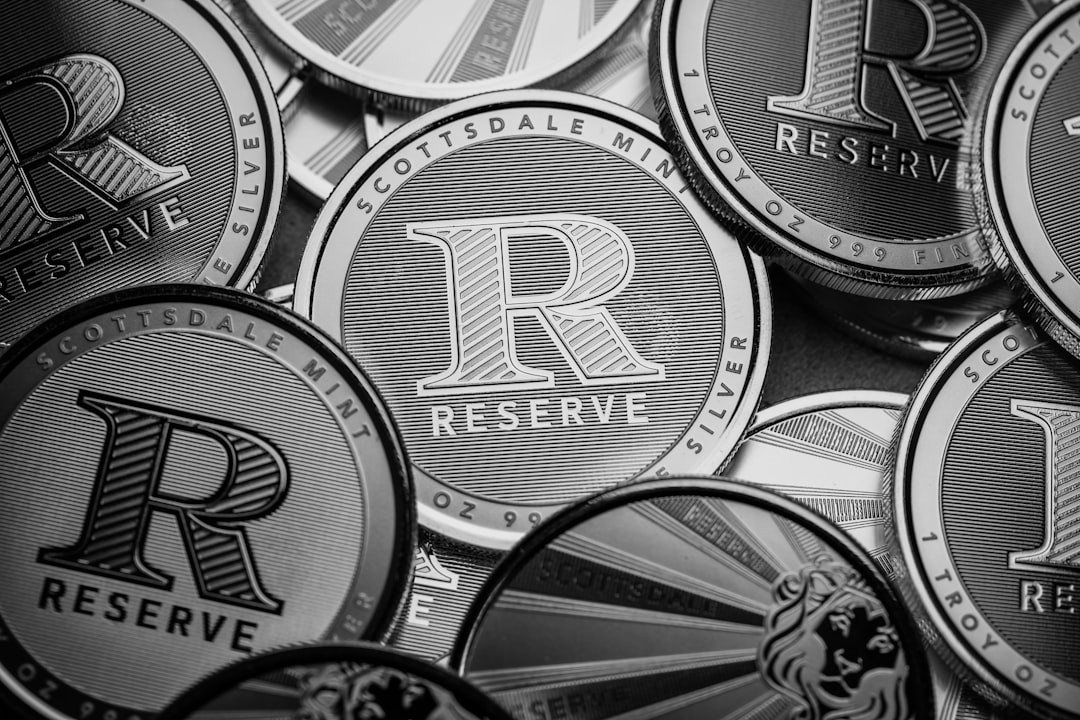
For those interested in **physical gold**, options include coins and bullion. While these tangible assets can serve as a hedge against inflation and currency devaluation, they come with additional considerations such as secure storage solutions. Investors may need to invest in vaulting services or safe deposit boxes, which could incur costs typically ranging from 1% to 2% of the asset's value annually. This adds a layer of complexity and expense that must be factored into the overall investment strategy.
In summary, investors have a spectrum of options to consider when looking to invest in gold. Whether through ETFs, mining stocks, or physical assets, each method presents unique benefits and challenges that could align with various investment goals and risk tolerances.
4. Important considerations
Investors considering an investment in gold should carefully evaluate several important factors that could affect their overall strategy and profitability. First, the tax implications of gold investments can vary significantly by region. In some jurisdictions, capital gains taxes on the sale of gold can range from approximately 15% to 30%, depending on the investor's tax bracket and local laws. It is essential for investors to understand how these taxes may impact their net returns when selling gold, particularly if the investment is sold at a profit.
Another critical factor to consider is the transaction fees associated with buying and selling gold. These fees can vary widely depending on the method of purchase—whether through physical bullion, gold ETFs like GLD (SPDR Gold Shares), or other financial instruments. Transaction costs can typically range from 1% to 5% of the total transaction value, which could significantly erode overall investment profitability, especially for smaller transactions. Investors should be aware of these costs and factor them into their calculations when evaluating potential gold purchases.
Moreover, investors must be cognizant of the inherent market risks associated with gold investments. Price volatility can be particularly pronounced, as seen in periods of economic uncertainty where gold prices may swing dramatically in response to changes in investor sentiment. For instance, during geopolitical tensions or economic downturns, gold often sees increased demand, which can lead to rapid price increases. Conversely, in more stable economic climates, demand may wane, leading to price declines. Understanding these cycles and the factors that drive changes in demand is crucial for investors looking to navigate the gold market effectively.
In summary, while gold can be a valuable component of an investment portfolio, it is essential for investors to consider the various factors that may influence their investment outcomes. By being aware of tax implications, transaction fees, and market risks, investors can make more informed decisions regarding their gold investments.

5. Conclusion
In conclusion, the dynamics surrounding gold's role as a safe haven are influenced by a myriad of factors, including geopolitical tensions, market volatility, and shifts in investor sentiment. For instance, recent trends have indicated that as conflicts arise, such as those in the Middle East, investors may experience fluctuations in their confidence towards traditional safe havens like gold. This suggests a need for investors to remain vigilant and informed about global economic indicators and market conditions as they consider their investment strategies.
Investors should weigh the potential advantages and disadvantages of allocating funds to gold. Some potential advantages include:
- Inflation Hedge: Gold has historically served as a hedge against inflation, which may become increasingly important in uncertain economic climates.
- Portfolio Diversification: Including gold can potentially reduce overall portfolio volatility, as it tends to have a low correlation with stocks and bonds.
- Preservation of Wealth: Gold has a long-standing reputation for preserving wealth over time, which may appeal to risk-averse investors.
Conversely, there are also disadvantages to consider:
- Price Volatility: Gold prices can be highly volatile, influenced by factors such as currency fluctuations and market speculation.
- No Yield Generation: Unlike stocks or bonds, gold does not provide any income in the form of dividends or interest, which could be a drawback for income-focused investors.
- Storage and Insurance Costs: Physical gold requires secure storage, which may incur additional costs and logistical considerations.
Ultimately, investors might consider diversifying their investment portfolios with gold alongside other assets, such as equities or fixed income, to manage risk more effectively. Maintaining a balanced approach could potentially yield better risk-adjusted returns over time.
As market conditions continue to evolve, investors are encouraged to monitor economic indicators and geopolitical developments closely. Conducting thorough research and staying informed could be vital to making informed investment decisions in the ever-changing landscape of finance and economics.
Disclaimer: This article was generated using AI technology and is for informational and educational purposes only. It does not constitute investment advice, recommendation, or solicitation. All investment decisions are solely the responsibility of the individual investor. Past performance does not guarantee future results. Investments involve significant risks, including the potential loss of principal. Before making any investment decisions, please conduct your own research and consult with qualified financial and tax professionals.