
Why Higher Oil Prices Weigh on Gold Investment Returns

1. Introduction/Why this topic matters
Understanding the relationship between oil prices and gold investment returns is crucial for investors navigating the complexities of the financial markets. Gold has long been regarded as a **safe-haven asset**, particularly in times of economic uncertainty. However, its performance can be significantly influenced by external factors, chief among them being fluctuations in oil prices.
Historically, higher oil prices tend to signal rising inflation and potential economic instability. When oil prices surge, as they may during geopolitical tensions or supply chain disruptions, investors often seek refuge in gold. This is primarily because gold is perceived to maintain its value better than other assets during inflationary periods. For instance, a notable increase in oil prices, such as a rise of 40%-50%, has been associated with heightened inflation concerns, which could bolster gold's appeal among investors.
However, the dynamics can be more complex. Recent trends have shown that as oil prices rise, gold may experience downward pressure due to other economic factors. For example, if the Federal Reserve signals a tighter monetary policy or raises interest rates in response to inflationary pressures from rising oil costs, the opportunity cost of holding non-yielding assets like gold also increases. This may lead to decreased demand for gold, potentially resulting in declines of 6% or more in its price, as observed during periods of heightened geopolitical tension.
Moreover, the interplay between oil prices and gold is not merely a direct correlation but is also influenced by broader market sentiment and investor behavior. When investors perceive that rising oil prices could curtail economic growth, they might shift their allocations away from gold to equities or other investments that promise higher returns. This behavior has been evident in scenarios where gold has experienced sustained declines over multiple weeks, even amidst global unrest.
In summary, while gold tends to be sought after during times of economic instability, its relationship with oil prices is nuanced and multifaceted. Investors should consider these dynamics when evaluating gold as part of their portfolio strategy.
2. Advantages and Disadvantages
Investors often weigh the advantages and disadvantages of gold as a potential asset in their portfolios, particularly in the context of rising oil prices and inflation concerns. Understanding these factors can help guide investment decisions in a volatile economic landscape.
2.1 Potential Advantages
- Hedge Against Inflation: Gold is frequently viewed as a store of value, which may serve as a hedge against inflation. In environments where oil prices rise, typically by 40-50%, inflation can accelerate, and gold's historical appeal as a safe haven may increase.
- Portfolio Diversification: Incorporating gold into an investment portfolio could potentially offer diversification benefits. During periods of rising oil prices, other asset classes, such as equities, may experience declines; gold may offset these losses, providing a more stable overall portfolio performance.
- Safe Haven Asset: In times of geopolitical instability, such as conflicts affecting oil supply, investors may flock to gold, increasing its demand. This could lead to price appreciation, offering a buffer against broader market downturns.
- Liquidity: Gold is a highly liquid asset, meaning it can be quickly converted into cash or used as collateral. This liquidity may be particularly appealing to investors looking for flexibility in uncertain economic conditions.
2.2 Potential Disadvantages
- Interest Rate Sensitivity: Higher oil prices can lead to increased inflation, prompting central banks to raise interest rates to combat it. As interest rates rise, gold prices may decline, as the opportunity cost of holding non-yielding assets increases.
- Geopolitical Risks: Oil price surges often accompany geopolitical tensions. Such tensions can create market instability, negatively impacting investor sentiment towards gold, which may lead to price volatility.
- Lack of Yield: Unlike stocks or bonds, gold does not generate income. During periods of rising interest rates, the lack of yield from gold compared to interest-bearing assets may deter some investors, potentially leading to decreased demand.
- Market Fluctuations: Gold prices can be highly volatile, influenced by a myriad of factors, including currency strength and market speculation. This volatility may pose risks for investors seeking stable returns.
In summary, while gold may provide certain advantages as a hedge against inflation and a diversification tool, investors must also consider the potential disadvantages, particularly in relation to rising interest rates and geopolitical risks. A thorough understanding of these dynamics is essential for navigating the complexities of investing in precious metals.
3. Practical options/methods
Investors exploring ways to gain exposure to gold may consider several practical options that align with their investment strategies and risk tolerance. One popular method is through exchange-traded funds (ETFs), such as SPDR Gold Shares (GLD) and iShares Gold Trust (IAU). These ETFs provide a convenient way to invest in gold without the challenges associated with physical ownership, such as storage and security. Typically, these funds aim to track the price of gold bullion, offering a liquid and cost-effective alternative for investors. The expense ratios for these ETFs generally range from approximately 0.25% to 0.40%, which can be relatively low compared to other investment vehicles.
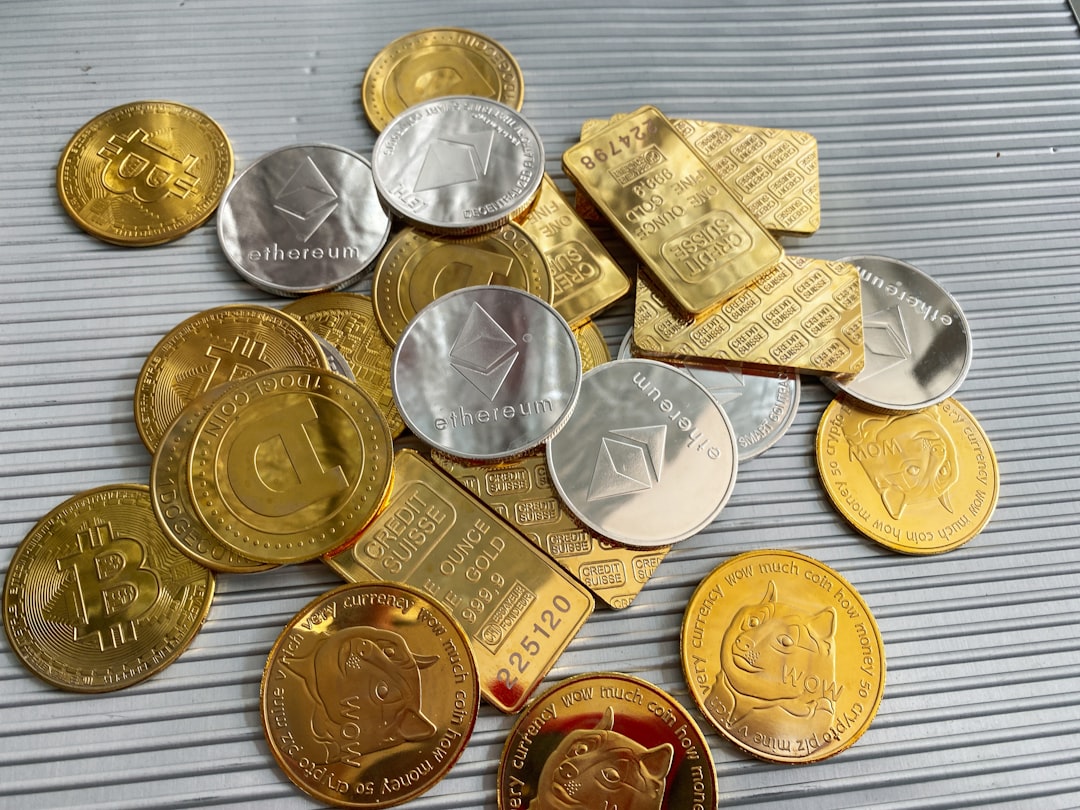
For those interested in tangible assets, investing in physical gold, such as coins or bars, could be an attractive option. This method allows investors to own a physical asset that is historically viewed as a safe haven during economic uncertainty. However, it is essential to consider the associated costs, including storage, insurance, and potential premiums over the spot price of gold. These costs can add up, often representing an additional 2% to 5% of the investment value.
Another method that investors might explore is options trading on gold futures. This approach can serve as a hedging strategy against price fluctuations, allowing investors to speculate on the future price of gold while potentially limiting losses. However, options trading typically requires a higher level of expertise and understanding of the market dynamics, including the implications of volatility and time decay. Investors should be aware that the costs of trading options can be significant, often involving commissions and spreads that could impact overall returns.
In summary, investors have several practical methods at their disposal to gain exposure to gold, whether through ETFs, physical assets, or futures options. Each option carries its own set of advantages and considerations, which may influence an investor's decision-making process.
4. Important considerations
Investors considering gold as a component of their portfolio should be aware of several important considerations that could influence their overall returns. First and foremost, taxes on capital gains from gold investments can vary significantly by jurisdiction. For example, in the United States, long-term capital gains tax rates can range from 0% to 20%, depending on income levels, while short-term gains are typically taxed as ordinary income, which may be as high as 37% for high earners. Understanding these tax implications is crucial, as they can substantially impact net returns on gold investments.
Additionally, investors in physical gold should take into account storage and insurance fees, which can erode potential profits. Storage fees for gold bullion might typically range from 0.5% to 1% of the total value annually, depending on the storage provider and security measures. Insurance costs can add another 0.5% to 1% to the total investment. These recurring expenses can accumulate over time, thereby reducing the profitability of holding physical gold.
Furthermore, investors must remain cognizant of the volatility inherent in both the gold and oil markets. Recent trends have illustrated how geopolitical tensions can lead to significant fluctuations in commodity prices. For instance, gold prices may react adversely to rising oil prices, which have shown increases of 40% to 50% during periods of heightened conflict. Such volatility can lead to risks of considerable losses, particularly for investors who may not be prepared for abrupt changes in market dynamics.
As investors evaluate their strategies in the precious metals market, a thorough understanding of these factors—tax implications, storage and insurance costs, and market volatility—can provide a clearer picture of the risks and potential rewards associated with gold investments. This analysis lays the groundwork for the next topic, where we will explore diversification strategies that can mitigate these risks and enhance overall portfolio resilience.

5. Conclusion
As the investment landscape continues to evolve, higher oil prices can complicate the dynamics surrounding gold investments. Recent trends indicate that a surge in oil prices—rising more than 40%-50% in some instances—may lead to increased inflation concerns, which often negatively influence gold prices. For instance, when oil prices rise, production costs for a variety of goods may increase, placing upward pressure on overall inflation. This environment can deter investors from turning to gold, traditionally viewed as a safe haven, as they may anticipate stronger returns from equities or commodities that are more directly tied to economic growth.
Moreover, the interplay between oil prices and interest rates adds another layer of complexity. As tensions in various regions escalate, leading to heightened oil prices, the Federal Reserve may be less inclined to cut interest rates in the near term. This scenario can diminish the attractiveness of gold, which typically performs better in low-interest rate environments. Historical data suggests that when interest rates are low, gold tends to yield gains, while higher rates can lead to lower demand for the metal, as seen when gold dropped nearly 7% recently.
In light of these factors, a balanced approach that considers both the advantages and disadvantages of investing in gold is essential for smart investing. Investors may want to assess their strategies critically, potentially diversifying their portfolios to mitigate risks associated with fluctuating oil prices and interest rates. Traditional diversification methods could include allocating a portion of the portfolio to energy stocks, such as XLE (Energy Select Sector SPDR Fund), or commodities-focused ETFs like GDX (VanEck Vectors Gold Miners ETF), which might offer a hedge against inflation.
In conclusion, investors should keep key takeaways in mind:
- The relationship between higher oil prices and gold returns can be detrimental.
- Inflation and interest rate dynamics play a significant role in gold's performance.
- Diversification strategies could potentially mitigate risks associated with these market fluctuations.
As market conditions continue to evolve, monitoring these factors will be crucial. Investors are encouraged to conduct their own research to make informed decisions that align with their financial goals.
Disclaimer: This article was generated using AI technology and is for informational and educational purposes only. It does not constitute investment advice, recommendation, or solicitation. All investment decisions are solely the responsibility of the individual investor. Past performance does not guarantee future results. Investments involve significant risks, including the potential loss of principal. Before making any investment decisions, please conduct your own research and consult with qualified financial and tax professionals.