
Why Inflation Concerns Pressure Wall Street's Main Indexes

1. Introduction/Why this topic matters
Inflation is defined as the rate at which the general level of prices for goods and services rises, eroding purchasing power. It can lead to increased costs for consumers and businesses alike, potentially slowing economic growth. When inflation is persistent and exceeds typical annual targets—commonly around 2%—it may indicate underlying instability in the economy. Investors often monitor inflation closely, as it tends to influence central bank monetary policy and interest rates, which can have significant ramifications for market performance.
Wall Street's main indexes, including the Dow Jones Industrial Average (DJIA), the S&P 500 Index, and the Nasdaq Composite Index, serve as crucial indicators of market health and investor sentiment. The DJIA, a price-weighted index of 30 significant publicly traded companies, reflects the performance of blue-chip stocks. The S&P 500, comprising 500 of the largest U.S. companies, provides a broader representation of the market, while the Nasdaq, heavily weighted towards technology, can signal trends within the tech sector. Movements in these indexes can often correlate with inflation trends and economic forecasts.
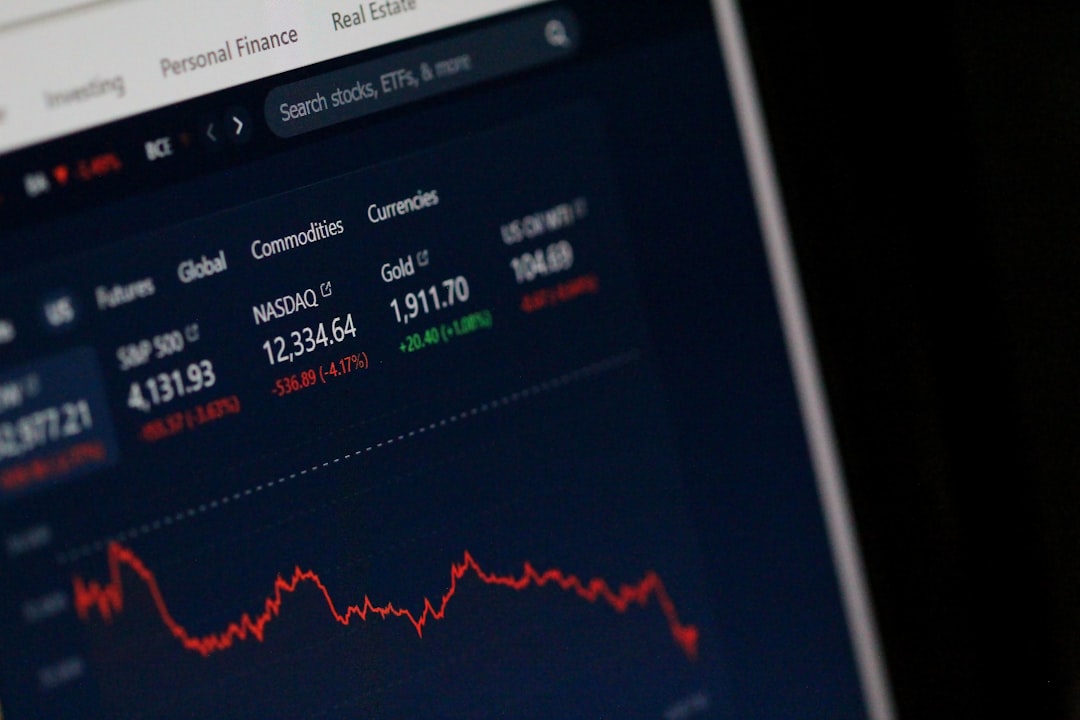
Currently, the market climate reflects notable concerns surrounding inflation, with recent reports indicating a downturn in major indexes as inflationary fears mount. For instance, the DJIA has experienced a decline of approximately 1%, and the S&P 500 has shed around 1.25% recently. Such fluctuations may be influenced by rising yields on government bonds, which often signal investor expectations for higher interest rates to combat inflation. Investors may interpret these developments as a sign of potential volatility ahead, particularly as earnings from major corporations, such as Nvidia Corporation (NVDA) and Walmart Inc. (WMT), loom on the horizon.
As inflation remains a key point of focus, understanding its dynamics and the broader economic implications will be essential for navigating the evolving market landscape.
2. Advantages and Disadvantages
Investors often grapple with the complexities of inflation and its multifaceted impact on the economy. Understanding both the advantages and disadvantages of inflation can provide insights into potential market movements and investment strategies.
2.1 Potential Advantages
- Economic Indicator: Inflation can signal a growing economy, as modest inflation rates—typically around 2-3%—indicate increasing demand for goods and services. This is often reflective of consumer confidence and spending, which can bolster corporate earnings.
- Higher Interest Rates: As inflation rises, central banks may increase interest rates to contain it. This could lead to higher returns for investors in interest-bearing instruments, such as bonds. For instance, the yield on 10-year U.S. Treasury bonds may rise from approximately 1.5% to 3% in response to inflationary pressures, providing investors with enhanced income potential.
- Asset Appreciation: Inflation can lead to increased valuations of physical assets such as real estate. For example, property values tend to rise with inflation, offering homeowners and real estate investors potential capital gains that may outpace inflation rates.
- Debt Relief: Inflation can benefit borrowers, as the real value of debt diminishes over time. This might enable companies and individuals to repay loans with "cheaper" dollars, improving their financial positions in nominal terms.
2.2 Potential Disadvantages
- Decreased Purchasing Power: High inflation can erode consumer purchasing power, making goods and services more expensive. For example, if inflation spikes to 5%, consumers may find their disposable income stretched, leading to reduced spending and potential economic slowdown.
- Corporate Profit Margins: Rising costs associated with inflation can squeeze corporate profit margins. Companies may struggle to pass on increased costs to consumers, leading to reduced profitability and potential cuts in earnings forecasts.
- Stock Valuations: High inflation can negatively impact stock valuations, as higher interest rates typically lead to increased discount rates used in valuation models. This might result in lower price-to-earnings ratios for companies, affecting overall market sentiment.
- Investment Uncertainty: Elevated inflation can create uncertainty in the markets, leading to increased volatility. Investors may become more risk-averse, resulting in a flight to safer assets and away from equities, which can further depress stock prices.
3. Practical options/methods
During inflationary periods, investors may consider various strategies to mitigate the potential erosion of purchasing power. One common approach is to invest in assets that tend to perform well in inflationary environments. These assets may include **Treasury Inflation-Protected Securities** (TIPS), commodities, and real estate investment trusts (REITs).
**TIPS (TIP)** are government bonds specifically designed to protect against inflation, as their principal value increases with the Consumer Price Index (CPI). This means that investors could potentially receive higher interest payments as inflation rises, making TIPS a viable option during inflationary periods. Historically, TIPS have provided an average real yield of approximately 1-2%, which may be appealing when inflation is running above typical levels.
Another category of inflation-hedged investments includes **commodities**. The **Invesco DB Commodity Index Tracking Fund (DBC)** is an example of an ETF that tracks a diversified basket of commodities, such as oil, gold, and agricultural products. During inflationary periods, commodity prices tend to rise, as increased demand and supply constraints can lead to higher prices. Investors may observe commodity price increases typically ranging from 5-10% in inflationary markets.
Additionally, real estate, represented by **Vanguard Real Estate ETF (VNQ)**, often serves as a hedge against inflation. As prices rise, rental income and property values could increase, providing potential capital appreciation and income. Historically, real estate investments have outperformed inflation by an average of 2-3% annually, making this an attractive option for many investors.
To effectively track inflation rates and market indexes, investors might utilize various financial tools and resources. Websites such as the Bureau of Labor Statistics provide up-to-date CPI data, while financial news platforms often feature market index trackers. Utilizing these tools can help investors stay informed about inflation trends and make more educated decisions regarding their investment strategies.
In conclusion, during inflationary periods, investors may find value in diversifying their portfolios with TIPS, commodities, and real estate. By understanding these options and employing tracking tools, investors could potentially optimize their approach to navigating inflationary challenges.
4. Important considerations
Investors may find that navigating the landscape of investments during inflationary periods involves several critical considerations. Understanding the tax implications of investing in times of rising prices is essential. For instance, capital gains taxes can erode the real returns on investments when inflation is high. Long-term capital gains are generally taxed at rates of 15-20%, depending on income levels, which might negate potential profits if inflation outpaces gains. Additionally, tax-loss harvesting could become a pivotal strategy; investors may benefit from offsetting gains with losses to minimize their tax liabilities.
Moreover, understanding fees associated with various investment options is crucial. Investment vehicles such as mutual funds or exchange-traded funds (ETFs) can have management expense ratios (MERs) typically ranging from 0.5% to 1.5%. High fees can significantly impact net returns, especially during inflationary times when every percentage point counts. Investors may want to compare these fees against the expected returns of the funds, as lower-cost options like index funds may provide better long-term performance.
Another significant consideration is the risks involved in reacting hastily to inflation news. The emotional response to headlines can lead to impulsive decisions, such as selling off securities or reallocating investments prematurely. Historically, market downturns have often been followed by recoveries, and investors who reacted hastily may have missed out on subsequent gains. For example, during periods of volatility, sticking with a well-researched investment strategy could potentially yield better outcomes than making knee-jerk reactions based on short-term news.
In summary, investors are encouraged to take a measured approach when dealing with inflationary pressures—considering tax implications, understanding fees, and resisting the urge to react hastily to market fluctuations. This analytical framework can support more informed decision-making in uncertain economic climates.

5. Conclusion
In conclusion, the relationship between inflation and Wall Street indexes is multifaceted and can significantly influence investor sentiment and market performance. Recent trends indicate that as inflationary pressures rise, major indexes like the Dow Jones Industrial Average and the S&P 500 may experience downward pressure, as evidenced by a 1% decline in the Dow and a 1.25% drop in the S&P 500 during recent trading sessions. This could suggest that investors are increasingly concerned about the potential for persistent inflation, which tends to erode purchasing power and can lead to tighter monetary policy from central banks.
For investors navigating these turbulent waters, it is crucial to stay informed about economic indicators such as the Consumer Price Index (CPI) and interest rate trends. These indicators can provide valuable insights into inflation trends and overall economic health. Moreover, considering diverse investment strategies—such as allocating funds into sectors traditionally resilient to inflation like utilities or consumer staples—may help mitigate risks associated with rising prices.
Investors might also find it beneficial to closely monitor specific stocks and sectors, particularly those that have performed well during inflationary periods, such as energy or real estate investment trusts (REITs). For instance, stocks like XLU (Utilities Select Sector SPDR Fund) could potentially offer stability when inflation is a concern.
Ultimately, staying proactive in adjusting portfolios in response to changing economic conditions is essential. By continuously evaluating market trends and external economic factors, investors can better position themselves to navigate the complexities of inflation and its impact on Wall Street. It is advisable for investors to conduct thorough research and remain agile in their investment approaches, as the financial landscape continues to evolve.
Disclaimer: This article was generated using AI technology and is for informational and educational purposes only. It does not constitute investment advice, recommendation, or solicitation. All investment decisions are solely the responsibility of the individual investor. Past performance does not guarantee future results. Investments involve significant risks, including the potential loss of principal. Before making any investment decisions, please conduct your own research and consult with qualified financial and tax professionals.