
Why Semiconductor Stocks Face Pressure from AI Concerns

1. Why Consider Semiconductor Stocks and AI Concerns
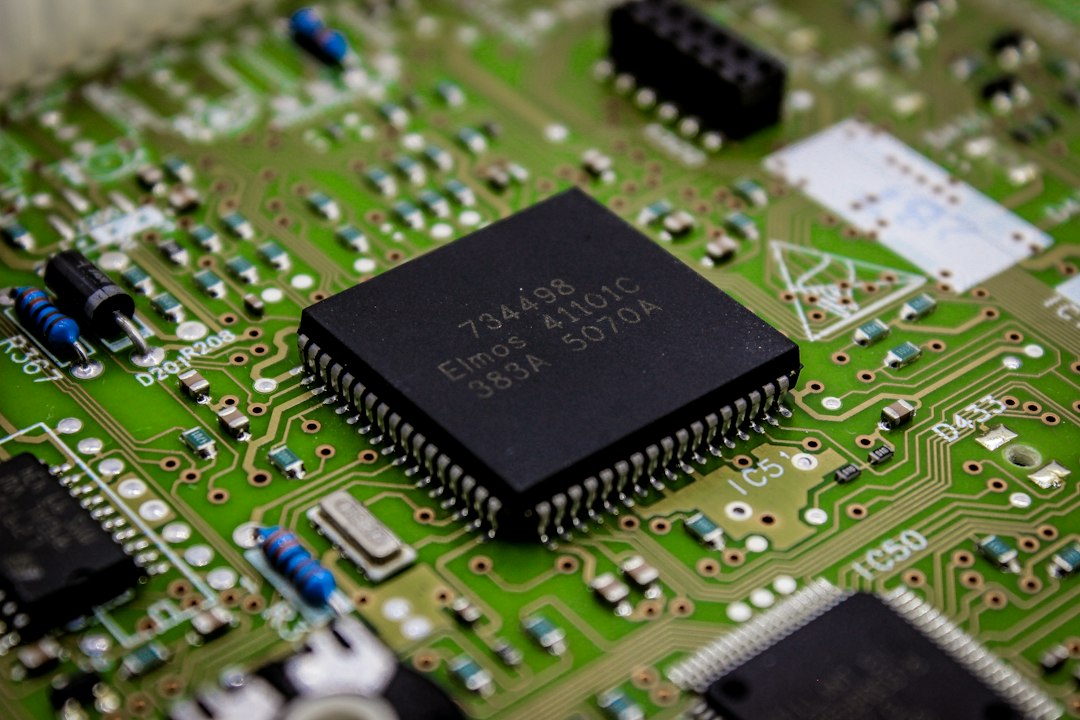
The semiconductor industry plays a critical role in the modern technology landscape, serving as the backbone for nearly all electronic devices, from smartphones to intricate data centers. As the demand for advanced computing capabilities continues to rise, driven by trends such as artificial intelligence (AI), the importance of semiconductor stocks may become increasingly pronounced. Investors may observe that this sector has historically provided robust returns, with average annual growth rates often exceeding 10-15% during periods of technological innovation.
However, the integration of AI into various sectors has begun to alter market perceptions and stock valuations within the semiconductor space. For instance, companies like Advanced Micro Devices, Inc. (AMD) have experienced significant stock price fluctuations amidst discussions of AI growth potential. The recent surge in interest surrounding AI technologies has led to a broader reassessment of company valuations, where traditional metrics may not fully capture future growth prospects. Investors might find themselves questioning whether current prices align with the potential cash flows generated by these innovative technologies.
Recent political developments have also introduced an element of uncertainty into the semiconductor market, particularly concerning data centers and AI investments. Voter resistance against data center expansions, as evidenced by various ballot measures, indicates a growing skepticism that may affect the capital flow into this segment. For example, voters in key states have shown opposition to new data center projects, raising questions about future infrastructure investments. This political climate could potentially impact the operational capabilities and profitability of semiconductor companies reliant on these data centers for AI processing needs.
Moreover, companies like Micron Technology, Inc. (MU) and Taiwan Semiconductor Manufacturing Company (TSM) are vital suppliers in the ecosystem, often positioned favorably to capitalize on the burgeoning demand for AI-related hardware. The interplay between investor sentiment, political dynamics, and the technological landscape may create both challenges and opportunities in the semiconductor space. As investors navigate this complex environment, it could be prudent to focus on the underlying fundamentals of semiconductor stocks while considering external factors that could influence their trajectories.
Transitioning from semiconductor stocks, it is essential to explore the broader implications of technological advancements and their impact on various sectors, especially in the context of economic growth and sustainability.
2. Advantages and Disadvantages
Investors may find the semiconductor sector to be a mixed landscape, with both potential advantages and disadvantages that could influence market dynamics. Understanding these factors is crucial for navigating investments in this area.
2.1 Potential Advantages
- Strong Demand: The demand for semiconductors in artificial intelligence (AI) applications has been surging. As AI technology continues to evolve and integrate into various industries, the need for advanced chips could drive revenue growth for semiconductor companies.
- Resilience of Key Players: Companies such as Micron Technology, Inc. (MU) and Taiwan Semiconductor Manufacturing Company (TSM) have shown resilience in the face of market challenges. Their ability to adapt and innovate may position them favorably against competitors, potentially leading to sustained profitability.
- Technological Advancements: Continuous advancements in semiconductor technology, including the development of smaller, more efficient chips, could enhance performance and reduce costs, making these companies more attractive investments.
- Market Recovery Potential: Should the broader market stabilize, semiconductor stocks might rebound swiftly. Historically, such sectors tend to recover faster than others after downturns, presenting potential opportunities for investors.
2.2 Potential Disadvantages
- Political Resistance: Recent political developments have led to increased resistance against data center expansions, particularly in regions pivotal to the AI data center boom. This opposition could hinder growth prospects for companies reliant on these infrastructures.
- Valuation Concerns: Investors may be cautious regarding the valuation of stocks like Advanced Micro Devices, Inc. (AMD). Following significant growth, concerns about whether the current share price accurately reflects the company's cash generation capabilities could lead to volatility.
- Market Volatility: The semiconductor sector is often susceptible to broader market fluctuations. This volatility could result in unpredictable stock performance, making it a riskier investment option for some investors.
- Regulatory Challenges: As governments increasingly scrutinize tech companies, the semiconductor sector may face regulatory challenges that could impact business operations and profits, adding another layer of risk for investors.
As investors consider the semiconductor sector, weighing these potential advantages and disadvantages will be essential for informed decision-making.
3. Practical Options/Methods
Investors exploring the semiconductor sector may find opportunities in various investment vehicles and individual stocks. One notable option is the iShares Semiconductor ETF (SOXX), which tracks the performance of the semiconductor sector. This ETF has experienced significant volatility, particularly in light of recent market events that have raised skepticism regarding data centers and their growth potential. As of now, SOXX may be poised for its worst week in over 18 months, which could signal a buying opportunity for those looking to capitalize on long-term trends in semiconductor demand.
For those interested in individual stocks, Micron Technology, Inc. (MU) and Taiwan Semiconductor Manufacturing Company (TSM) may present attractive investment options. Both companies are key suppliers within the semiconductor space, particularly as demand for advanced computing solutions continues to rise. For instance, Micron's recent advancements in memory technology position it well in the evolving landscape of artificial intelligence (AI) and data storage solutions. Investors may want to analyze Micron's price-to-earnings (P/E) ratio, which typically ranges from 10 to 15, to assess its valuation relative to historical trends.
In addition to examining specific stocks and ETFs, utilizing stock analysis tools can be beneficial for assessing company fundamentals and market trends. Metrics such as earnings per share (EPS), which may vary significantly among semiconductor companies, can provide insight into profitability. Furthermore, tools that analyze market trends, including moving averages and relative strength index (RSI), can aid investors in determining optimal entry and exit points for their investments.
As the semiconductor landscape evolves, it is essential for investors to stay informed about market dynamics and potential regulatory impacts. Political resistance against data centers, as evidenced by recent voter sentiment, could influence the growth trajectory of companies in this sector. Therefore, a comprehensive analysis of both macroeconomic factors and individual company fundamentals will be crucial for investors looking to navigate this complex market.
4. Important Considerations
Investors considering semiconductor stocks should be aware of several important considerations that could influence their investment outcomes. One significant factor is the potential tax implications associated with investing in these stocks. Depending on the jurisdiction, capital gains taxes may apply when selling shares for a profit. These rates can vary widely, ranging from 0% to over 20% in some areas, and can substantially affect net returns. Additionally, long-term capital gains typically tend to be taxed at a lower rate than short-term gains, which may incentivize a buy-and-hold strategy for investors.
Another critical aspect to consider is the management fees associated with Exchange-Traded Funds (ETFs) that focus on the semiconductor sector. For instance, the SOXX (iShares PHLX Semiconductor ETF) has an expense ratio of approximately 0.46%, while other funds could have fees ranging from 0.05% to over 1%. These fees may seem small but can significantly erode returns over time, especially in a sector characterized by volatility and rapid changes.
Investors should also assess the risks related to political changes and technological advancements that could impact the semiconductor industry. Recent developments, such as resistance to data center expansion in key states, may indicate a shifting regulatory environment that could affect growth prospects. Additionally, advancements in technology, including artificial intelligence and machine learning, could reshape market dynamics. For example, companies like Advanced Micro Devices (AMD) and NVIDIA Corporation (NVDA) have seen substantial growth due to AI demand, yet their future performance could be influenced by competitive pressures and regulatory scrutiny.
Given these considerations, it is crucial for investors to conduct thorough research and remain informed about market conditions, as well as the broader economic landscape. Engaging with these factors could enable investors to make more informed decisions regarding their semiconductor investments.

5. Conclusion
The semiconductor sector is currently navigating a complex landscape that is heavily influenced by concerns surrounding artificial intelligence (AI). Recent developments, such as political resistance to data centers and the uncertainty regarding massive AI investments, have led to a notable decline in semiconductor stocks. For instance, the Semiconductor ETF (SOXX) has experienced significant losses, reflecting a broader market retreat, as skepticism around data center expansion has increased following a Democratic sweep in the midterm elections. This political backdrop may potentially dampen investor enthusiasm for AI-related semiconductor companies.
Investors may want to consider the inherent volatility of this sector, particularly with stocks like Advanced Micro Devices (AMD) facing scrutiny regarding their valuations after a period of remarkable growth. While AMD has surged on the back of AI developments, questions about whether its current share price accurately reflects future cash generation persist. In contrast, companies like Micron Technology, Inc. (MU) and Taiwan Semiconductor Manufacturing Company (TSM) are seen as resilient players due to their essential roles in the supply chain for major computing unit designers, offering a different investment angle amid uncertainty.
As the landscape continues to evolve, investors should remain vigilant regarding market trends and political developments. Engaging in thorough research and considering diversified investment strategies may provide a buffer against the volatility inherent in semiconductor stocks. A well-rounded approach could help mitigate risks while potentially capitalizing on the sector’s long-term growth prospects.
In summary, key takeaways include:
- The semiconductor sector is experiencing volatility due to political concerns surrounding AI and data centers.
- Investors should evaluate the valuations of key companies like AMD in the context of their growth potential.
- Companies such as Micron and Taiwan Semiconductor may offer more stable investment opportunities.
- Staying informed about market dynamics and legislative changes is crucial for making sound investment decisions.
As conditions continue to change, investors are encouraged to monitor the semiconductor landscape closely and conduct their own research to make informed choices.
Disclaimer: This article was generated using AI technology and is for informational and educational purposes only. It does not constitute investment advice, recommendation, or solicitation. All investment decisions are solely the responsibility of the individual investor. Past performance does not guarantee future results. Investments involve significant risks, including the potential loss of principal. Before making any investment decisions, please conduct your own research and consult with qualified financial and tax professionals.