
Why Volatility Boosts Demand for Hard Assets Like Gold

1. Introduction/Why this topic matters
The role of hard assets in investment portfolios has garnered increased attention in recent times, particularly as market dynamics shift due to various external pressures. Hard assets, such as precious metals and commodities, can serve as a hedge against inflation and market volatility, which may appeal to investors seeking stability in uncertain times. Understanding how these assets function within a broader investment strategy is essential for navigating today’s financial landscape.
Market volatility, often exacerbated by geopolitical tensions and economic uncertainties, can drive demand for commodities like gold. For instance, during periods of heightened geopolitical risk, investors may flock to gold, which has historically been viewed as a safe haven. According to reports, the demand for gold tends to rise when inflationary pressures are evident, as evidenced by recent wholesale inflation rates in the U.S. hitting a four-year high. This scenario underscores the fragility of purchasing power, reinforcing the allure of hard assets, which might provide a more stable store of value.
Moreover, investors should consider how rising inflation and fluctuating interest rates can influence investment strategies. As inflation erodes purchasing power, hard assets may become increasingly attractive. In addition, the current trend of rising refinancing costs due to a tightening credit environment may lead investors to favor companies with healthier balance sheets, such as those in the Australian penny stock market, which can offer net profit margins up to 24%. This focus on financial resilience could further bolster interest in hard assets as a stabilizing force in investment portfolios.
In summary, the interplay between market volatility, geopolitical tensions, and inflationary pressures creates a complex landscape for investors. By understanding the role of hard assets, investors may better position their portfolios to withstand the unpredictability of the current economic climate. The next section will delve deeper into the potential advantages and disadvantages of incorporating hard assets into an investment strategy.
2. Advantages and Disadvantages
Investors considering hard assets, such as gold, may find a variety of potential advantages and disadvantages that could influence their decision-making process.
2.1 Potential Advantages
- Hedge against Inflation: Hard assets like gold tend to act as a hedge against inflation and currency devaluation, potentially preserving purchasing power during periods of rising prices.
- Safe Haven Asset: Gold often retains its value during economic downturns, making it a preferred choice for risk-averse investors seeking stability amidst market volatility.
- Increased Demand: During periods of geopolitical tension or economic uncertainty, demand for gold can increase, which might drive prices higher and provide potential investment returns.
- Portfolio Diversification: Including hard assets in an investment portfolio can potentially reduce overall risk, as these assets may not correlate directly with stock market movements.
2.2 Potential Disadvantages
- Price Volatility: The market for hard assets, including gold, can be highly volatile, leading to short-term price fluctuations that may cause investor anxiety and uncertainty.
- No Income Generation: Unlike stocks or bonds, hard assets do not generate income, such as dividends or interest, which may limit their appeal for income-focused investors.
- Storage and Insurance Costs: Physical assets like gold may incur additional costs for storage and insurance, which could erode potential investment returns over time.
- Market Sentiment: The value of hard assets can be influenced by market sentiment and speculation, which might lead to unpredictable price movements.
Investors may weigh these advantages and disadvantages carefully, as the dynamics of hard assets can significantly impact their investment strategies and overall portfolio performance.
3. Practical options/methods
Investors exploring hard assets as a hedge against volatility may consider various investment vehicles that provide exposure to commodities, particularly gold. Rising geopolitical tensions and inflation concerns have reinforced the relevance of diversifying portfolios with hard assets. This could potentially mitigate risks associated with market fluctuations.
One practical option for gaining exposure to gold is through exchange-traded funds (ETFs) such as SPDR Gold Shares (GLD) and iShares Gold Trust (IAU). These ETFs are designed to track the price of gold, allowing investors to gain easy access without the need for physical storage. Historically, gold tends to retain value during periods of economic uncertainty, making these funds an attractive choice for risk-averse investors.
For those seeking broader exposure to commodities, the Invesco DB Commodity Index Tracking Fund (DBC) may serve as a viable option. This ETF aims to track an index that includes a diverse range of commodities, including energy, agriculture, and precious metals. By investing in such a fund, investors might benefit from price movements across multiple sectors, which could help smooth out volatility inherent in individual commodities.
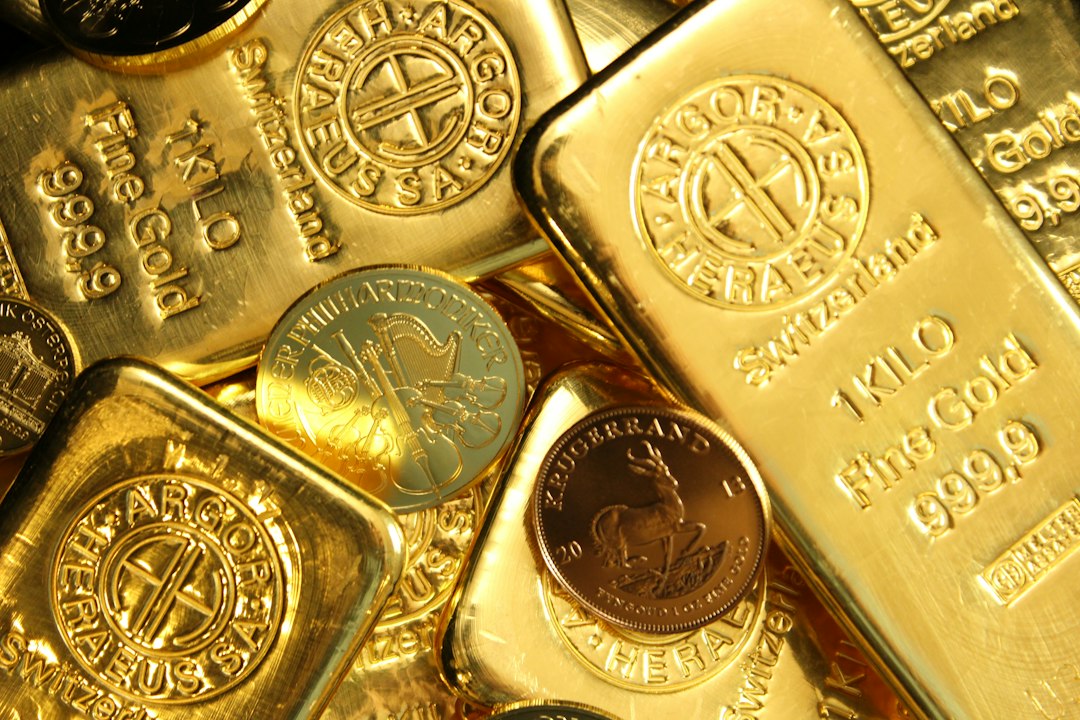
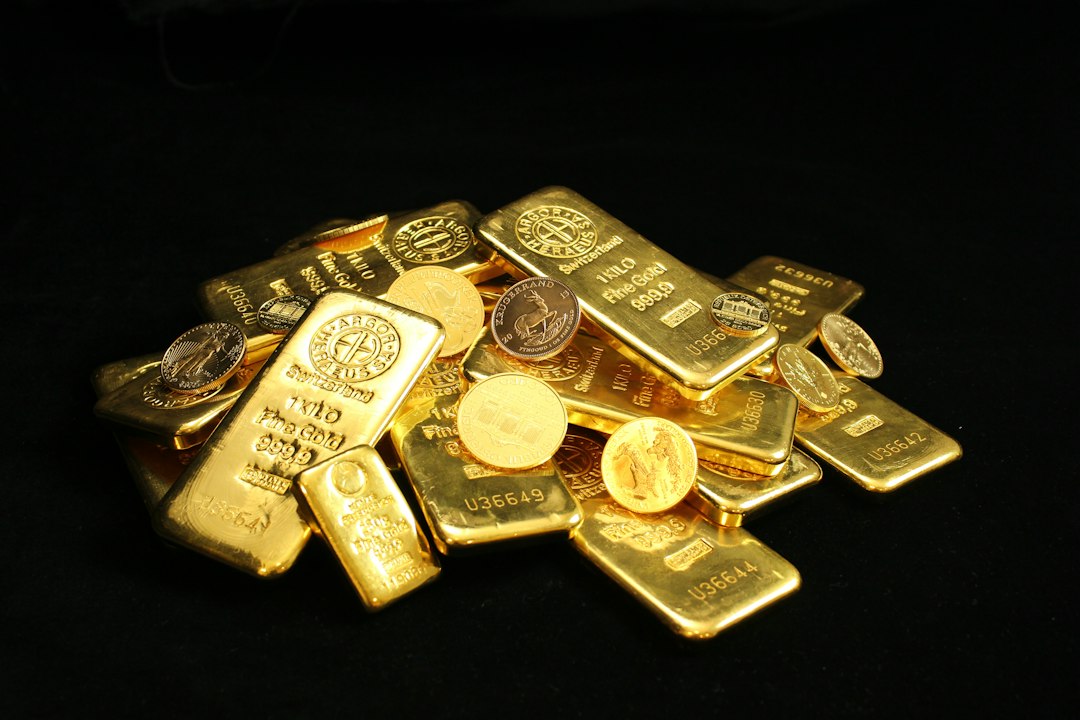
Alternatively, some investors may prefer purchasing physical gold. This approach requires sourcing gold through reputable dealers or established online platforms, ensuring authenticity and reliability. Physical gold can serve as a tangible asset that investors may view as a safe haven during turbulent economic times. Typically, the premium for physical gold can range from approximately 3-5%, depending on market conditions and the form of gold purchased (e.g., coins or bars).
Ultimately, the choice between ETFs and physical gold depends on individual investment strategies and risk tolerance. Understanding the mechanisms behind each option could potentially lead to more informed decisions as investors navigate the complexities of hard asset investments.
4. Important considerations
Investors should consider several important factors when evaluating investments in hard assets, particularly in light of their tax implications and associated costs. One critical aspect is the potential impact of capital gains tax. When investors sell hard assets like gold or other commodities, they may be subject to capital gains tax on any profits realized from the sale. In the U.S., long-term capital gains tax rates typically range from 0% to 20%, depending on the investor's income level, while short-term gains are taxed at ordinary income rates, which can be significantly higher.
In addition, investors may find it beneficial to hold hard assets within tax-advantaged accounts, such as Individual Retirement Accounts (IRAs) or 401(k) plans. These accounts can potentially provide tax-deferred growth or even tax-free withdrawals, depending on the account type. However, it is essential to understand the specific rules regarding the types of assets that can be held in these accounts, as some hard assets may not be eligible.
Understanding the fees and risks associated with hard asset investments is equally important. For example, exchange-traded funds (ETFs) like GLD (SPDR Gold Shares) may charge management fees that typically range from 0.4% to 0.7%. Additionally, investors considering physical storage of commodities must factor in potential costs related to security and insurance, which could further impact overall returns.
Market risks also play a significant role in hard asset investments. Price volatility can be pronounced in commodities, influenced by factors such as geopolitical tensions, inflation, and fluctuations in demand. Investors are encouraged to conduct thorough due diligence before committing capital, assessing not only market trends but also the fundamental characteristics of the assets in question.
By carefully weighing these considerations, investors may be better positioned to navigate the complexities of hard asset investments and align them with their overall financial objectives.
5. Conclusion
In conclusion, the current volatility in financial markets highlights the potential importance of hard assets as a protective investment strategy. As geopolitical tensions rise and inflationary pressures persist, commodities such as gold and other hard assets may serve as a hedge against economic uncertainty. Historically, hard assets tend to retain value during turbulent times, with gold often cited as a safe haven during market downturns. For instance, during previous economic crises, gold has demonstrated a tendency to appreciate, often gaining 10-15% as investors seek refuge from declining purchasing power.
Investors could consider evaluating their own portfolios for exposure to hard assets. A well-diversified investment strategy might typically include 5-10% allocated to gold or commodities, which may provide a buffer against inflation and currency devaluation. Additionally, the recent decline in U.S. diesel prices could indicate shifting supply dynamics, further emphasizing the importance of monitoring commodity markets for potential investment opportunities.
Furthermore, as the credit landscape evolves due to rising refinancing costs, investors may find that companies with healthier balance sheets are better positioned to withstand economic pressures. For example, mining companies such as Caledonia Mining Corporation (CALVF) could potentially offer attractive entry points for long-term investors looking for exposure to gold production, particularly if operational efficiencies can be achieved.
As the economic landscape continues to shift, it is advisable for investors to stay informed and conduct their own research into the dynamics of hard assets. This could include exploring investment vehicles such as ETFs focused on commodities, like the SPDR Gold Shares (GLD) or the Invesco DB Commodity Index Tracking Fund (DBC), which offer diversified exposure to various hard assets. By remaining vigilant and adaptable, investors may position themselves to navigate the complexities of the market effectively.
Disclaimer: This article was generated using AI technology and is for informational and educational purposes only. It does not constitute investment advice, recommendation, or solicitation. All investment decisions are solely the responsibility of the individual investor. Past performance does not guarantee future results. Investments involve significant risks, including the potential loss of principal. Before making any investment decisions, please conduct your own research and consult with qualified financial and tax professionals.