
Why XRP ETFs Struggle Despite $1.79 Billion Inflows

1. Why Consider XRP ETFs
Investors may find the recent performance of XRP ETFs (Exchange-Traded Funds) intriguing, particularly in light of the $1.79 billion in inflows that have been reported despite the funds holding only $1.66 billion in assets. XRP ETFs play a critical role in the cryptocurrency market, offering a regulated avenue for investors to gain exposure to XRP (Ripple) without the complexities of direct ownership. This could appeal to those seeking to incorporate cryptocurrencies into their portfolios while minimizing the risks associated with self-custody and market volatility.
The significance of these inflows, especially in a context where XRP has been experiencing underperformance, raises questions about investor sentiment. Investors may be drawn to XRP ETFs due to perceived future potential, perhaps influenced by developments such as partnerships and technological advancements associated with Ripple. For instance, the participation of four major Korean banks in a recent event featuring Ripple has sparked interest among XRP holders, although the actual implications of such partnerships remain to be fully understood.
Moreover, the broader market trends may also be affecting investor behavior. As noted, traditional cryptocurrencies like Bitcoin (BTC) and Ethereum (ETH) have seen outflows recently, which could suggest a shift in investor focus toward assets that they perceive as undervalued or with greater potential for recovery. This sentiment could explain why XRP ETFs have managed to attract significant capital despite their current challenges. Investors may believe that the current price dynamics of XRP, which could be characterized by its recent lows compared to historical highs, may present a buying opportunity.
As this situation continues to evolve, it will be essential for investors to monitor both market conditions and the performance metrics of XRP ETFs, particularly given the contrasting trends in other major cryptocurrency ETFs. Understanding these dynamics could provide insight into potential future movements in the cryptocurrency market.
2. Advantages and Disadvantages
Investors considering the landscape of XRP ETFs may find it crucial to evaluate both the potential advantages and disadvantages associated with these investment vehicles. Understanding these factors can assist in making informed decisions in the evolving cryptocurrency market.
2.1 Potential Advantages
- Accessibility: XRP ETFs may provide greater accessibility for retail investors compared to direct cryptocurrency purchases. This is particularly relevant for those who may be hesitant to navigate the complexities of cryptocurrency exchanges, wallets, and security issues.
- Diversification: By holding XRP through ETFs, investors could potentially achieve a diversified exposure to the cryptocurrency market. This diversification may help mitigate risks associated with the volatility of individual cryptocurrencies, as ETFs often hold a basket of assets.
- Regulatory Compliance: XRP ETFs are typically subject to regulatory oversight, which may provide investors with a sense of security and transparency. This compliance could potentially reduce the risks associated with regulatory uncertainties that often plague the cryptocurrency space.
- Liquidity: XRP ETFs may offer enhanced liquidity, allowing investors to buy and sell shares more easily than attempting to trade XRP directly on exchanges. This liquidity could potentially translate into more efficient trading and lower transaction costs.
2.2 Potential Disadvantages
- Underperformance: Currently, XRP ETFs may be underperforming compared to other cryptocurrency ETFs, such as those based on Bitcoin (BTC) or Ethereum (ETH). Investors might notice that XRP ETFs have not matched the performance of these more established assets, leading to a perception of missed opportunities.
- Market Volatility: The cryptocurrency market is inherently volatile, and this volatility may significantly impact XRP's price and, consequently, the performance of XRP ETFs. Investors could potentially experience sharp fluctuations in value, which may not align with their risk tolerance.
- Regulatory Uncertainties: Ongoing regulatory challenges surrounding XRP could create uncertainty that affects both its price and the performance of related ETFs. Investors may find themselves navigating an unpredictable landscape, potentially impacting long-term investment strategies.
- Concentration Risk: Depending on the ETF's structure, there may be concentration risk if a significant portion of the fund is allocated to XRP. This could lead to increased exposure to the specific risks associated with XRP, rather than benefiting from broader market movements.
As the market continues to evolve, investors may want to weigh these advantages and disadvantages carefully before committing capital to XRP ETFs or similar investment products.
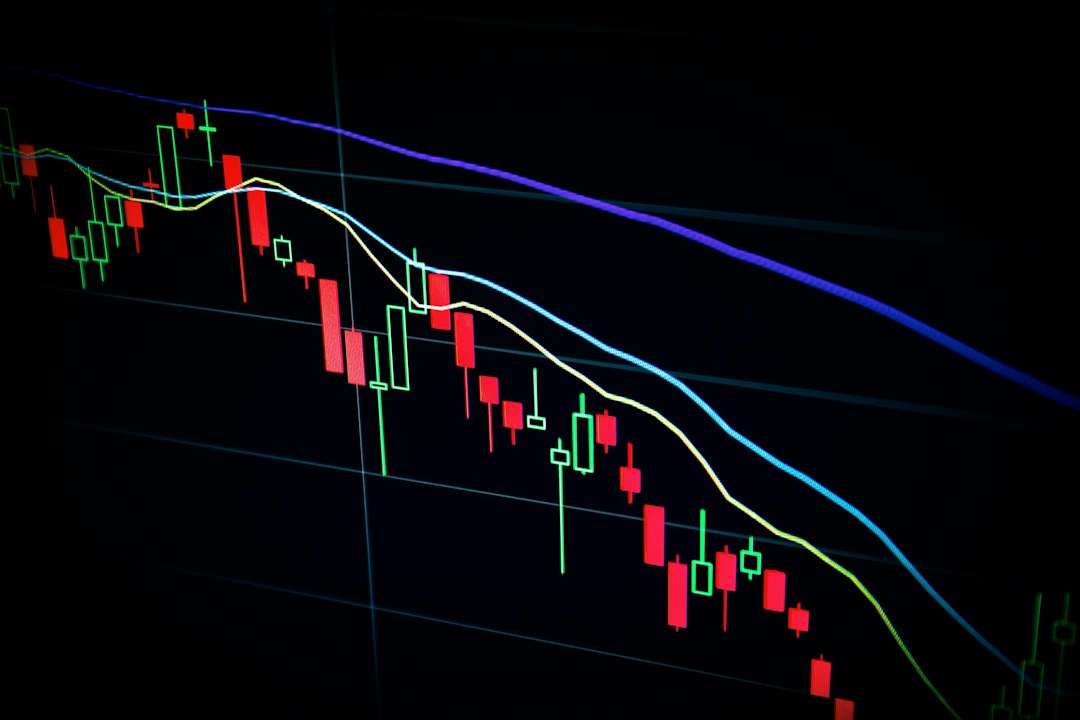
3. Practical Options/Methods
Investors interested in the cryptocurrency space may want to explore the emerging market of exchange-traded funds (ETFs) that focus on XRP (XRP). Notably, the Bitwise XRP ETF has garnered attention, alongside other notable funds that aim to provide a diversified exposure to this digital asset. Despite the considerable inflows into XRP ETFs, which have reportedly exceeded $1.79 billion, the current holdings reflect a troubling condition with only $1.66 billion in assets under management, indicating a challenging market environment.
When considering the purchase of XRP ETFs, investors typically utilize established trading platforms such as Coinbase and Binance. These platforms facilitate the buying and selling of XRP ETFs, allowing investors to potentially capitalize on market movements. The user-friendly interfaces and extensive trading tools available on these platforms may appeal to both novice and experienced investors, enabling them to make informed decisions.
To effectively monitor the performance of XRP ETFs, investors may turn to market tracking tools like Morningstar and Yahoo Finance. These platforms provide comprehensive analytics, including historical performance data, expense ratios, and comparisons against benchmarks. For instance, typical expense ratios for crypto ETFs may range from 0.5% to 1.0%, which is a crucial consideration for investors assessing the cost-effectiveness of their investment choices. Utilizing these tools can help investors gauge the viability of their investments in the context of broader market trends.
As the landscape for cryptocurrency investments continues to evolve, understanding the mechanisms of XRP ETFs and the available trading platforms is essential. Investors should remain vigilant regarding market conditions and be prepared to adjust their strategies as new developments emerge.
4. Important Considerations
Investors considering the implications of trading or holding XRP ETFs (Exchange-Traded Funds) should be aware of several important factors that could influence their investment decisions.
4.1 Tax Implications
When it comes to tax implications, investing in XRP ETFs may differ significantly from direct cryptocurrency holdings. Typically, profits from trading XRP ETFs may be subject to capital gains tax, which can vary based on the investor's tax bracket and the holding period of the investment. For instance, short-term capital gains (for assets held less than one year) could be taxed at ordinary income rates, which might range from 10% to 37%. In contrast, long-term capital gains (for assets held over a year) may be taxed at a reduced rate, generally between 0% and 20%. This distinction highlights a potential tax advantage of holding XRP ETFs as opposed to direct cryptocurrency investments, which are often subject to more complex tax regulations.
4.2 Fees Associated with XRP ETFs
Investors should also consider the fee structure associated with XRP ETFs. Management fees for these funds typically range from approximately 0.5% to 1.0% of assets under management, which could erode overall returns over time. Additionally, trading commissions may apply, depending on the brokerage platform used, which can vary significantly. Some platforms may charge a flat fee per trade, while others may impose a percentage of the trade value. These fees can add up and impact an investor's net returns, especially for those engaging in frequent trading.
4.3 Risks Involved in Investing in XRP ETFs
Investing in XRP ETFs is not without risks. Market volatility is a significant concern, as the value of XRP can fluctuate dramatically, potentially leading to substantial losses. Liquidity issues might also arise, particularly in less popular ETFs, where trading volumes may be lower, making it challenging to enter or exit positions without affecting the price. Furthermore, regulatory changes could pose a risk, as the evolving landscape of cryptocurrency regulations may impact the viability and profitability of XRP ETFs. Investors should remain vigilant regarding these risks and consider them in their investment strategies.
As the landscape of cryptocurrency investment evolves, understanding these important considerations could enhance investors' decision-making processes when evaluating XRP ETFs and their potential role in a diversified investment portfolio.

5. Conclusion
The ongoing struggle of XRP (XRP) exchange-traded funds (ETFs) highlights the complexities involved in the cryptocurrency investment landscape. Despite significant inflows totaling approximately $1.79 billion, these funds currently hold around $1.66 billion, indicating a concerning trend where investor confidence may not align with market performance. This divergence suggests that while investors are willing to contribute capital, the price dynamics of XRP may be hindering the fund's ability to break even. Such a scenario could be attributed to a myriad of factors, including regulatory uncertainties and market sentiment shifts.
Investors may find it essential to conduct thorough research before making any investment decisions in this volatile arena. The potential risks associated with cryptocurrency ETFs, particularly those linked to XRP, should not be underestimated. For instance, the sudden outflows observed in other major cryptocurrency ETFs, such as those tracking Bitcoin (BTC) and Ethereum (ETH), could serve as a cautionary tale for those considering entering the XRP ETF market. The complexities of market timing and price volatility could significantly impact returns, as seen with the fluctuating fortunes of crypto funds.
Furthermore, the recent engagement of major Korean banks with Ripple may generate excitement among XRP holders; however, the implications of such partnerships remain uncertain. Investors may benefit from critically analyzing these developments rather than getting swept up in market enthusiasm.
- Despite strong inflows, XRP ETFs struggle to maintain value, with holdings down approximately 7.3% from inflows.
- Thorough research is advisable to navigate the risks associated with cryptocurrency investments.
- Monitoring market conditions and regulatory developments is critical, as they may influence the performance of crypto ETFs.
In conclusion, as the cryptocurrency landscape continues to evolve, investors are encouraged to stay informed about the ongoing changes in ETF structures and market sentiments. The future of XRP ETFs remains uncertain, and proactive research will be key in making informed investment choices.
Disclaimer: This article was generated using AI technology and is for informational and educational purposes only. It does not constitute investment advice, recommendation, or solicitation. All investment decisions are solely the responsibility of the individual investor. Past performance does not guarantee future results. Investments involve significant risks, including the potential loss of principal. Before making any investment decisions, please conduct your own research and consult with qualified financial and tax professionals.